Samsung cleanroom automation trials lift Korean robotics integrators
Factory testing across Pyeongtaek and Giheung fabrication complexes channels automation contracts toward service and software platforms.
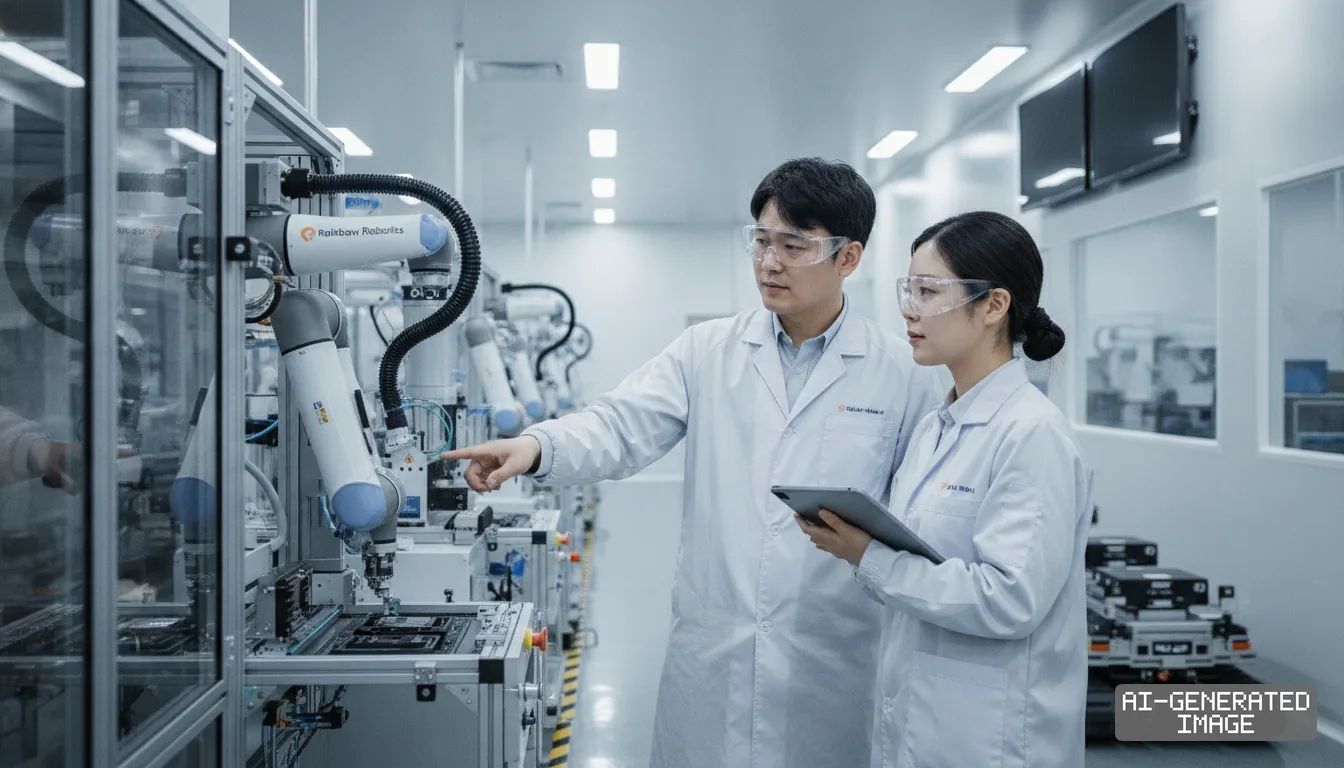
Samsung Electronics accelerated integration trials for factory automation systems on Nov. 22, 2026, lifting trading volumes across South Korean robot-as-a-service software providers and precision platform integrators.
The electronics conglomerate holds a 35% controlling stake in Rainbow Robotics, which joined Samsung's consolidated balance sheet following an initial investment of 86.8 billion won ($62 million).
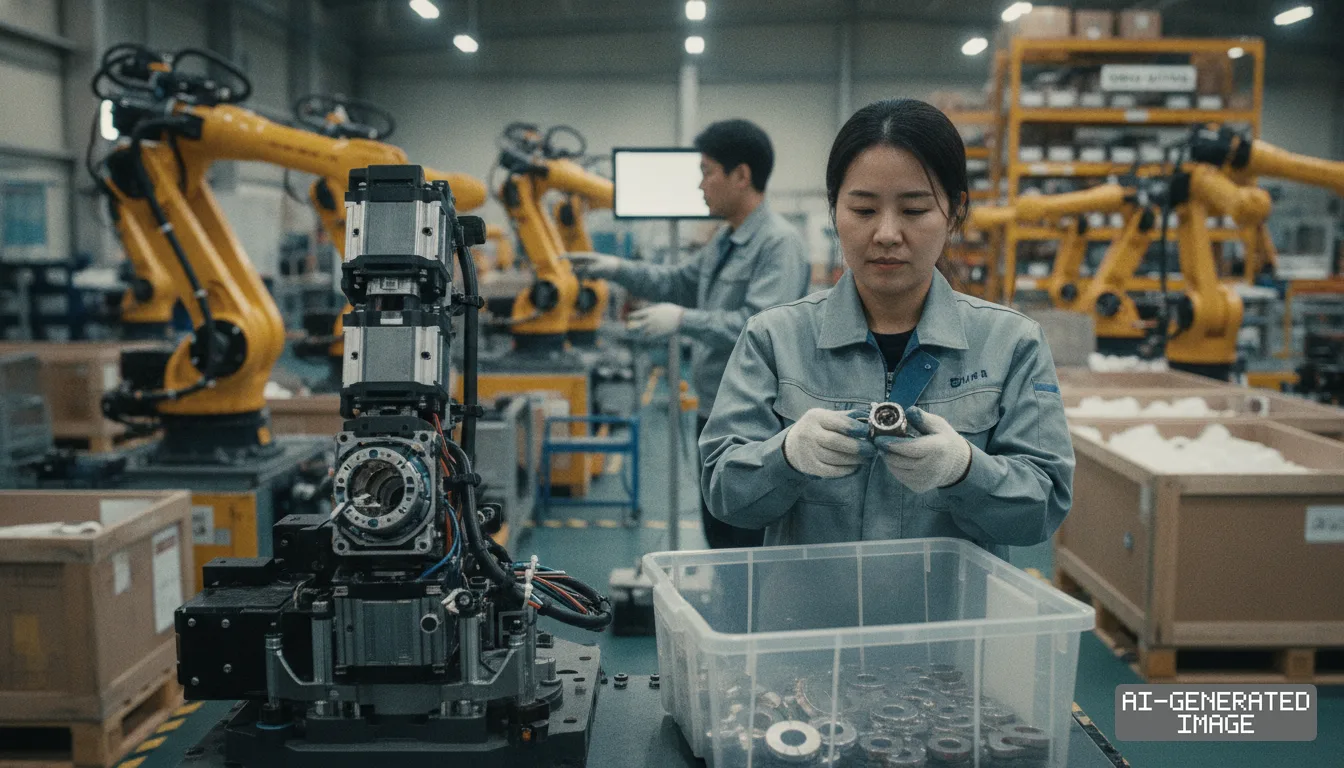
South Korean semiconductor facilities face persistent domestic labor shortages, pushing manufacturers to transition material-handling tasks from human operators to autonomous multi-jointed machinery.
Samsung maintains dedicated fabrication complexes in Pyeongtaek and Giheung, where automated overhead hoist transport lines move wafer cassettes between chemical processing chambers.
Cleanroom logistics increasingly demand mobile manipulators that pair autonomous mobile bases with articulated mechanical arms to execute sub-millimeter loading operations.
Integrating heterogeneous robot hardware requires vendor-neutral operating software, shifting industrial purchasing budgets toward software-as-a-service and robot-as-a-service platforms.
Bigwave Robotics operates the Marosol automation marketplace and the SOLlink orchestration system, serving more than 640 industrial client accounts and 400 equipment vendors.
The robotics software company completed a KOSDAQ listing in September 2026, establishing a market valuation of 303 billion won ($206 million) on its first day of trading.
Its SOLlink management platform links 10 different robot models across seven independent manufacturers onto a shared coordinate map, routing factory traffic across multi-floor manufacturing plants.
Robot-as-a-service agreements allow industrial plants to deploy automated fleets through operational subscriptions, bypassing multi-million-dollar initial capital expenditures for mechanical procurement.
The bundled subscription model includes maintenance coverage, spare-parts replacement and remote diagnostic telemetry, lowering adoption risks for mid-tier component suppliers.
Hardware builder Rainbow Robotics develops bipedal locomotion systems, dual-arm mobile manipulators and collaborative robotic mechanisms originating from the Hubo humanoid program at KAIST.
Samsung organized an internal Future Robotics Office reporting directly to its chief executive officer to supervise next-generation humanoid mechanical designs.
Rainbow Robotics founder Oh Jun-ho directs the corporate unit, focusing development on physical artificial intelligence models tailored to high-precision semiconductor assembly lines.
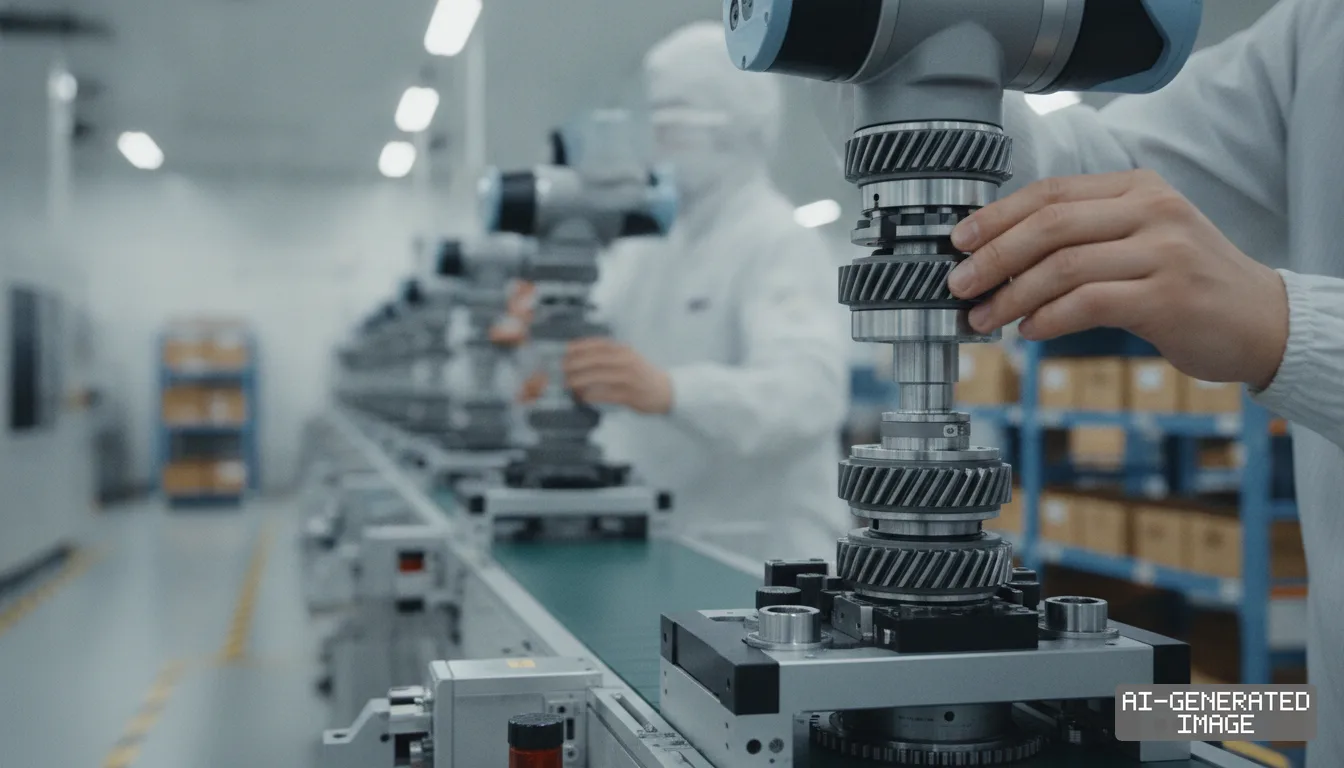
Domestic automation suppliers capture flow-through demand by supplying cycloidal speed reducers, servo drives and motor controllers essential for multi-axis humanoid manipulation.
South Korea's Telecommunications Technology Association awarded Grade 1 Good Software certification to Bigwave's SOLlink system, validating security standards for multi-robot cleanroom networks.
Platform providers also collaborate with global graphics processor manufacturers to validate physical AI simulation environments, linking virtual simulation engines directly to factory production lines.
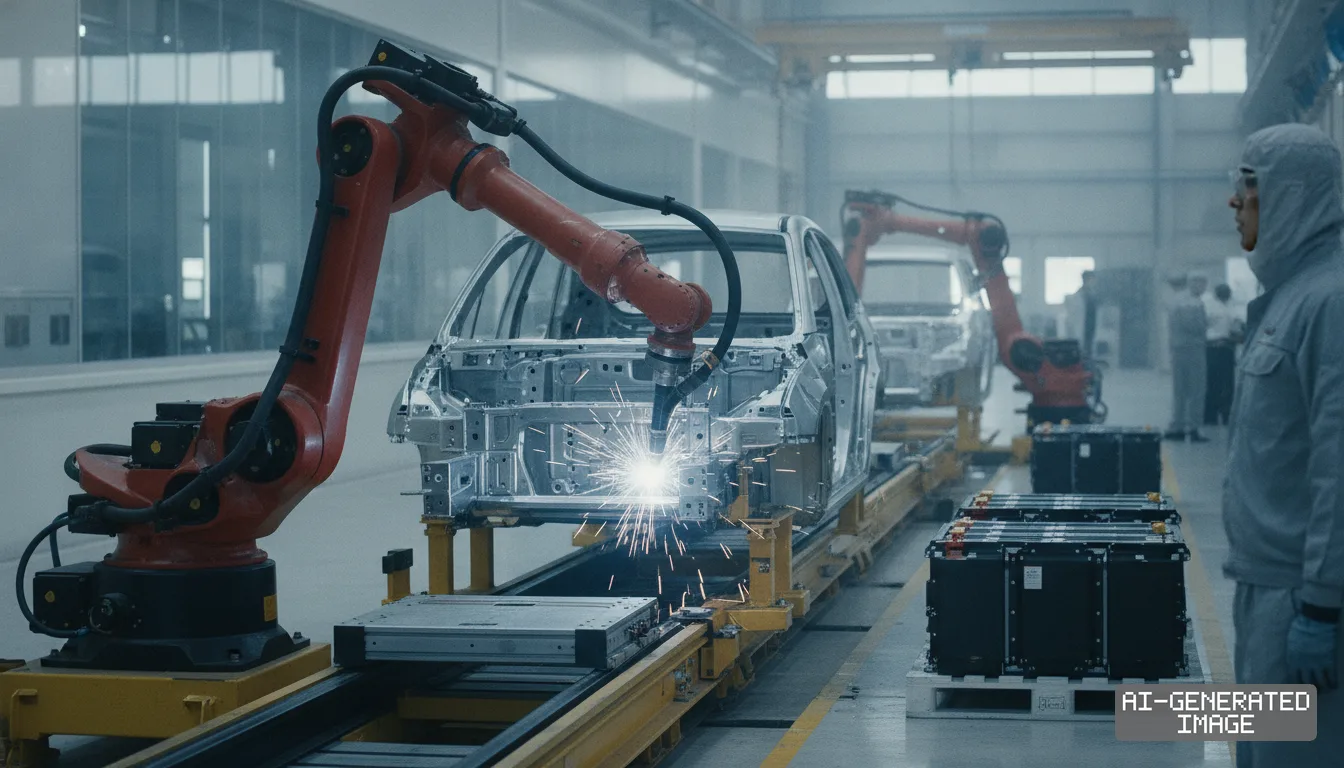
Foreign competitors such as Tesla and Figure AI test proprietary humanoid prototypes inside automotive lines, intensifying pressure on East Asian electronics makers to demonstrate functional unit economics.
Hardware developers and commercial platform integrators will exhibit production-ready mobile systems at the Consumer Electronics Show in Las Vegas on Jan. 5, 2027.
Samsung Electronics has not filed a regulatory disclosure confirming hardware production volumes or public launch dates for its industrial humanoid system.
Rainbow Robotics files its comprehensive third-quarter operational report through the Financial Supervisory Service's electronic disclosure system on Nov. 28, 2026.
Impact map
How this development propagates across the region and out to global buyers.
| Event | Korea | China | Japan | Global impact |
|---|---|---|---|---|
| Factory humanoid platform expansion | Samsung integrates Rainbow Robotics arms; Bigwave Robotics expands SOLlink across 640 sites | Domestic electronics assemblers accelerate deployment of local collaborative robot arms | Precision reducer makers harmonic drive and Nabtesco take incremental component orders | Semiconductor fab logistics transitions from fixed tracks to flexible mobile manipulators |
In this story
- Companies
- Samsung ElectronicsRainbow RoboticsBigwave Robotics
- Tickers
- 005930.KS277810.KQ
- Policy
- Standards
- Impact
- Supply ChainOrder BookCapex
Track every Standards development →
Related briefings
- Korean RaaS providers gain on Samsung and LG factory plans Also on Bigwave Robotics, Rainbow Robotics, Samsung Electronics
- Bigwave Robotics partners with automation suppliers to scale US physical AI Also on Bigwave Robotics, Rainbow Robotics, Samsung Electronics
- LG Electronics creates humanoid robot team to expand AI training fivefold Also on Rainbow Robotics, Standards, Samsung Electronics
- Korea tests quadruped robots for $247 million state rollout Also on Rainbow Robotics, Standards, Order Book
Sources
Reporting
Confidence: medium — how we grade this
The documents behind this briefing are linked above. East Asia Brief produces its English text with AI assistance under human editorial review, and does not translate or republish other outlets' articles. See our methodology and AI policy. Spotted an error? Tell us.
The Morning Brief
What changed in Korean, Chinese and Japanese industry overnight — and what it means for your supply chain. One email, weekday mornings, US time. Free.
The Morning Brief is in preparation. Leave your address and we will write to you once — when the first issue is ready. Nothing before that.