Rare earth refining outside China covers only 66% of mined output
The IEA projects Western processing bottlenecks will leave miners short of separation capacity through 2035 as China maintains 85% control of global refining infrastructure.
Western rare earth developers faced widening chemical separation bottlenecks on Nov. 6, 2026, as downstream processing shortfalls delayed commercial deliveries to electric vehicle motor makers and defense contractors.
China controlled roughly 85% of global rare earth refining capacity in 2025, according to the International Energy Agency. The Paris-based agency coordinates energy policies for industrialized economies.
Planned refining capacity outside China covers only about 66% of projected ex-China mining output through 2035, the IEA said in its outlook. Ex-China magnet manufacturing capacity reaches just 33% of that mined volume.
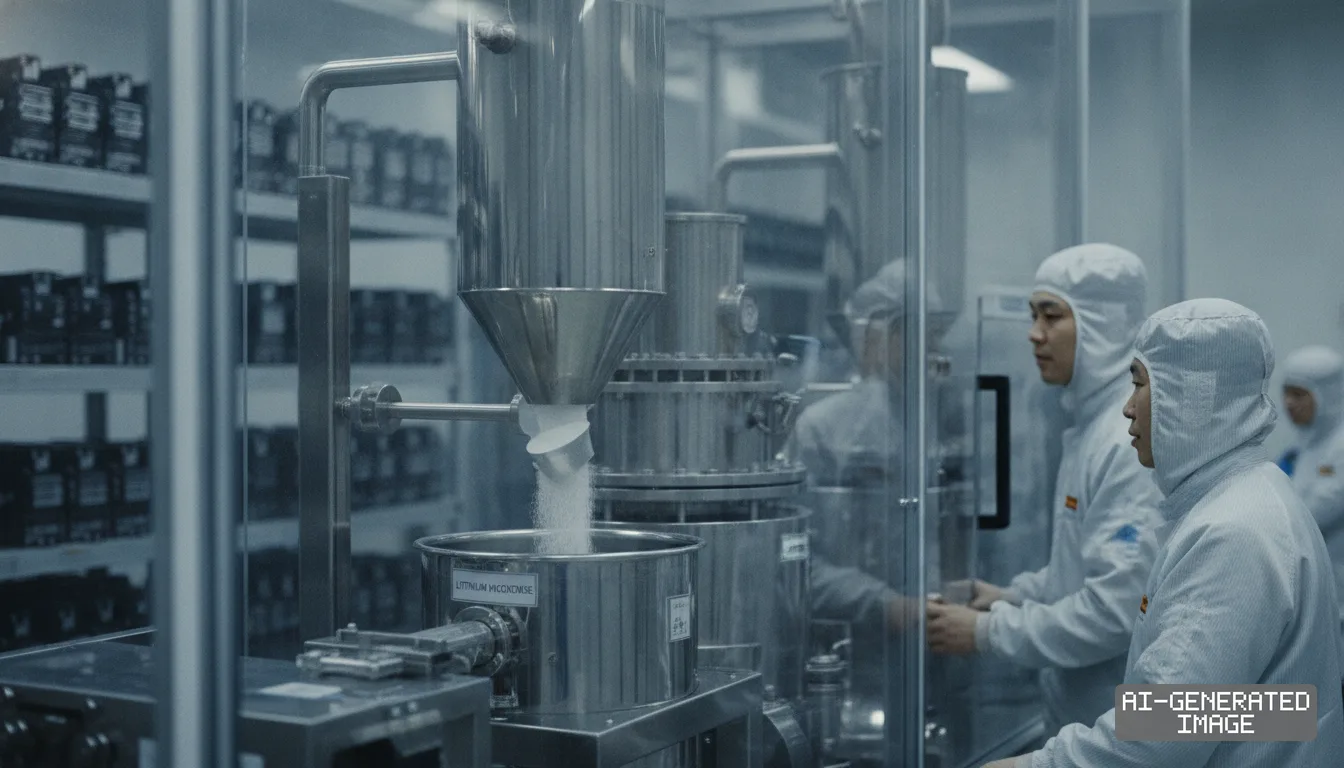
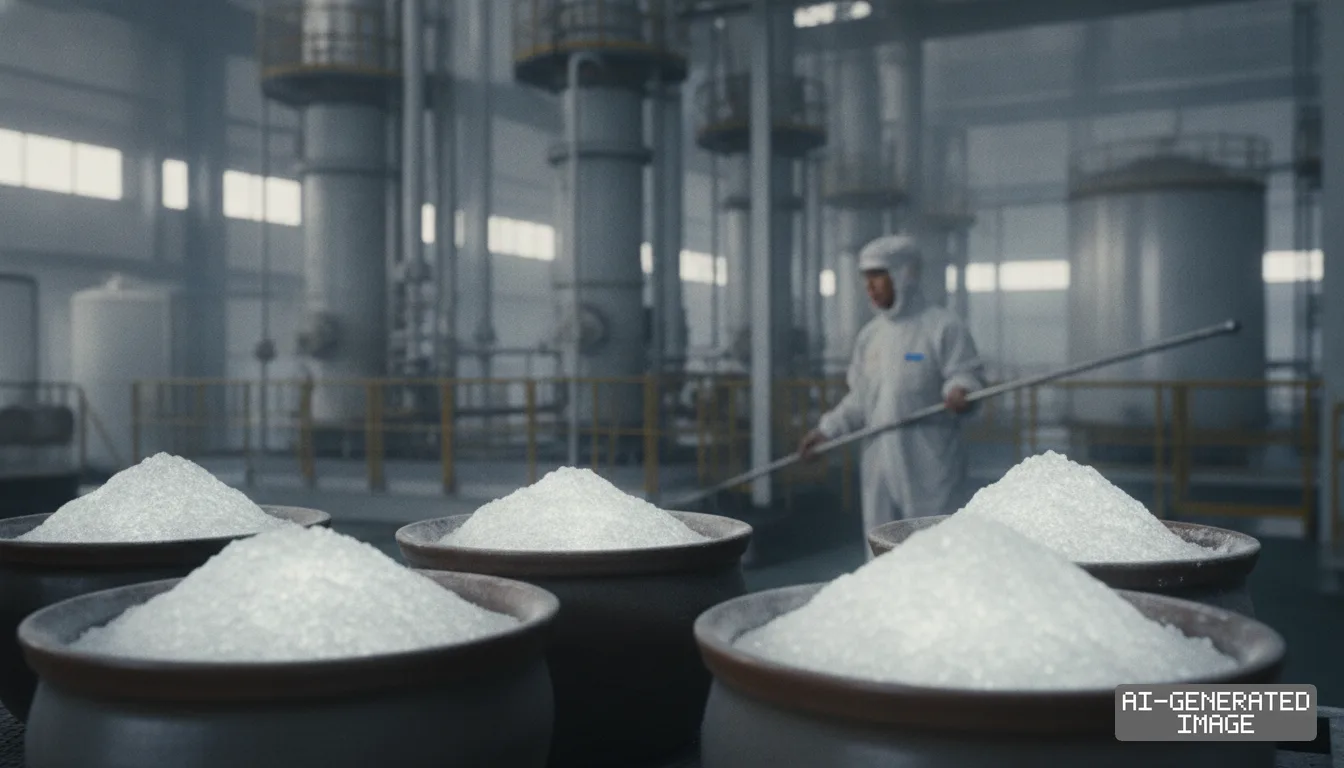
The structural gap leaves miners unable to turn raw bastnaesite and monazite into neodymium-praseodymium oxide without overseas tolling. Most extraction assets approved since 2022 produce only unseparated mineral concentrate.
MP Materials Corp., the largest rare earth producer in the Western Hemisphere, posted $147.65 million in third-quarter revenue on Nov. 5. The revenue reflected rising sales of refined neodymium-praseodymium products.
MP Materials relies on downstream magnet assets that face lengthy commissioning schedules. The company broke ground on its 10X magnetics facility under a contract backed by the U.S. Department of Defense.
The 10X manufacturing plant will have an annual capacity of 10,000 metric tons of neodymium-iron-boron magnets. MP Materials scheduled commercial commissioning of the site for late 2028.
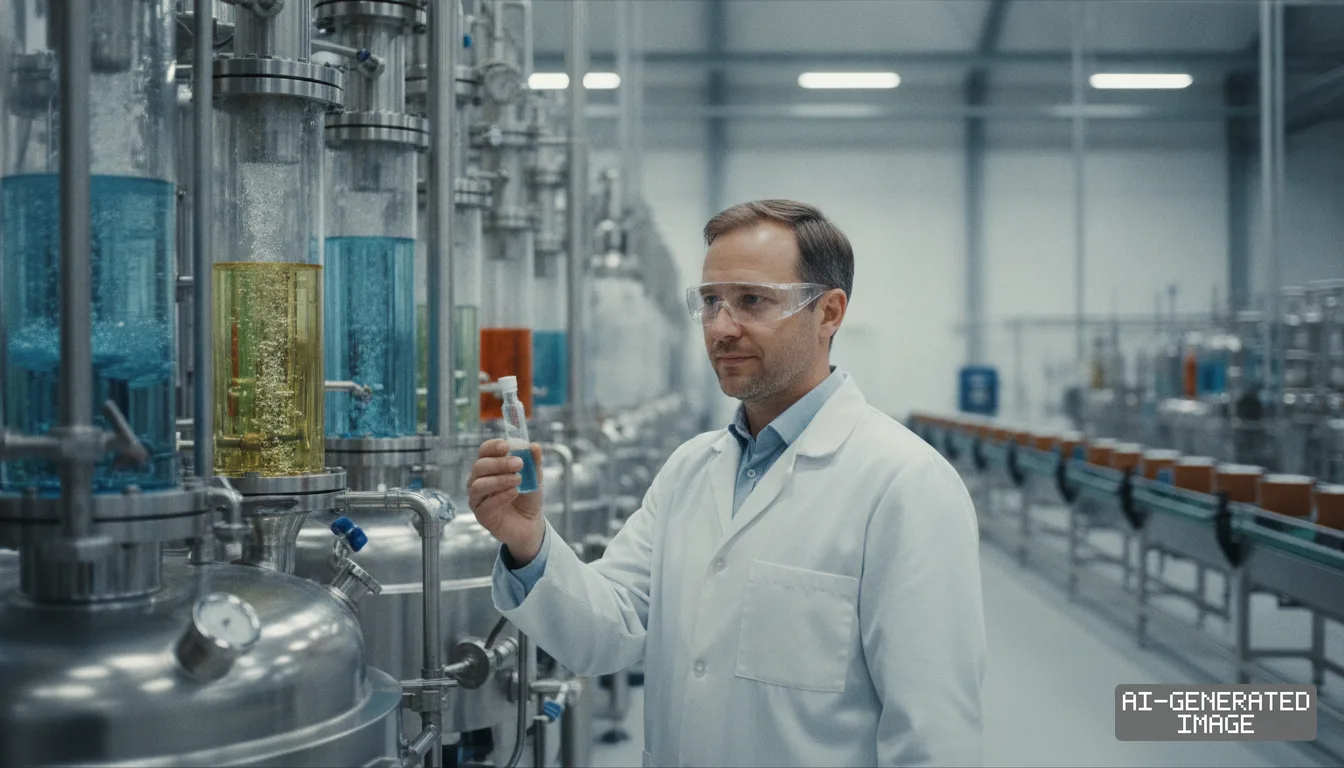
The multiyear gap leaves the Pentagon and domestic automotive manufacturers reliant on foreign magnet assembly lines. Separation — the process of isolating individual rare earth elements using chemical solvents — remains the core technical hurdle.
Separation requires hundreds of liquid extraction stages and massive volumes of acid. Sulphuric acid costs have risen to more than 20% of baseline operating costs for non-Chinese refiners, according to IEA data.
Environmental permitting and effluent management have compounded ramp-up delays in North America and Australia. Western refiners struggle to dispose of mildly radioactive thorium and uranium associated with monazite deposits.
European industrial manufacturers face identical procurement limits. The United Kingdom House of Commons Business and Trade Committee warned on Nov. 5 that domestic manufacturing faces acute supply vulnerability.
British demand for refined rare earths will rise from 1,161 metric tons in 2024 to 18,020 metric tons by 2030, the committee said in Report HC 132. The country possesses zero commercial separation capacity.
Automakers assembling electric drivetrains in Britain and Germany source permanent magnets entirely through imported channels. Those supply lines run directly through Chinese separation complexes in Inner Mongolia and Jiangxi.
Heavy rare earth elements present an even steeper processing constraint. Dysprosium and terbium provide thermal stability to electric traction motors operating above 150 degrees Celsius.
China refines nearly all commercial volumes of heavy rare earths globally. Projects outside China remain years away from continuous solvent extraction for heavy elements.
MP Materials said it plans to introduce scaled heavy rare earth separation at its Mountain Pass facility in California. Commercial output of separated terbium remains scheduled for downstream integration later in the decade.
The supply chain timing has tightened because regulatory exemptions are lapsing. China introduced sweeping export control licensing on strategic minerals in late 2025.
A 12-month administrative waiver that permitted unhindered export processing expires on Nov. 10, 2026. Buyers outside China must secure individual shipment licences once the grace period ends.
Procurement officers at motor manufacturing plants have expanded buffer inventories to mitigate shipping delays. Carrying costs have risen as spot prices for neodymium-praseodymium metal hardened through the autumn.
Automakers cannot easily substitute rare earth permanent magnets in high-output drivetrains. Induction motors and ferrite-based alternatives reduce vehicle efficiency and require significant redesigns of chassis battery packs.
Capital expenditure commitments for Western separation infrastructure have stalled despite sovereign loan packages. Investors cite volatile pricing and Chinese refiner cost advantages as primary impediments to final investment decisions.
The Chinese Ministry of Commerce has not stated whether the Nov. 10 licence waiver will be extended, and the Pentagon has not published the total capital expenditure breakdown for the 10X magnet plant.
Licences issued under the old export schedule expire Nov. 10, when the Ministry of Commerce begins enforcement of mandatory dual-use tracking rules.
Impact map
How this development propagates across the region and out to global buyers.
| Event | Korea | China | Japan | Global impact |
|---|---|---|---|---|
| Ex-China refining bottleneck | Automakers face motor procurement risk, Hyundai draws NdFeB from Chinese supply chains | Controls 85% of refining capacity, enforces export licensing from Nov. 10 | Shin-Etsu Chemical maintains domestic separation but depends on overseas bastnaesite feed | Electric vehicle motor assembly schedules face delays as ex-China magnet capacity lags mine output |
| Ex-China refining bottleneck | Automakers face motor procurement risk, Hyundai draws NdFeB from Chinese supply chains | Controls 85% of refining capacity, enforces export licensing from Nov. 10 | Shin-Etsu Chemical maintains domestic separation but depends on overseas bastnaesite feed | Electric vehicle motor assembly schedules face delays as ex-China magnet capacity lags mine output |
In this story
- Companies
- MP Materials
- Tickers
- MP
- Policy
- Export Controls
- Impact
- Supply ChainCapexCompliance
Track every Export Controls development →
Related briefings
- Evolution Metals scales Korea magnet capacity to 10,000 tons Also on MP Materials, Export Controls, Compliance
- Excluding Chinese magnets lifts US humanoid robot cost to $131,000 Also on MP Materials, Export Controls, Compliance
- China blocks rare earth sales to US firms under export rules Also on MP Materials, Export Controls, Compliance
- China rare earth suppliers hold shipments to US contractors Also on MP Materials, Export Controls, Compliance
Sources
Primary documents
Reporting
Confidence: high — how we grade this
The documents behind this briefing are linked above. East Asia Brief produces its English text with AI assistance under human editorial review, and does not translate or republish other outlets' articles. See our methodology and AI policy. Spotted an error? Tell us.
The Morning Brief
What changed in Korean, Chinese and Japanese industry overnight — and what it means for your supply chain. One email, weekday mornings, US time. Free.
The Morning Brief is in preparation. Leave your address and we will write to you once — when the first issue is ready. Nothing before that.