China blocks rare earth sales to US firms under export rules
Beijing targets defense supply chains and MP Materials while extending European export permits ahead of a critical November regulatory deadline.

China's Ministry of Commerce enforced selective export restrictions on critical mineral shipments to the United States on Oct. 16, triggering price volatility across Western rare earth producers and downstream defense suppliers.
Chinese customs data released this week showed September rare earth exports reached 4,269.8 metric tons, a 9.8% decrease from August. Outbound shipments for the first nine months totaled 43,711 metric tons, down 9.6% from a year earlier.
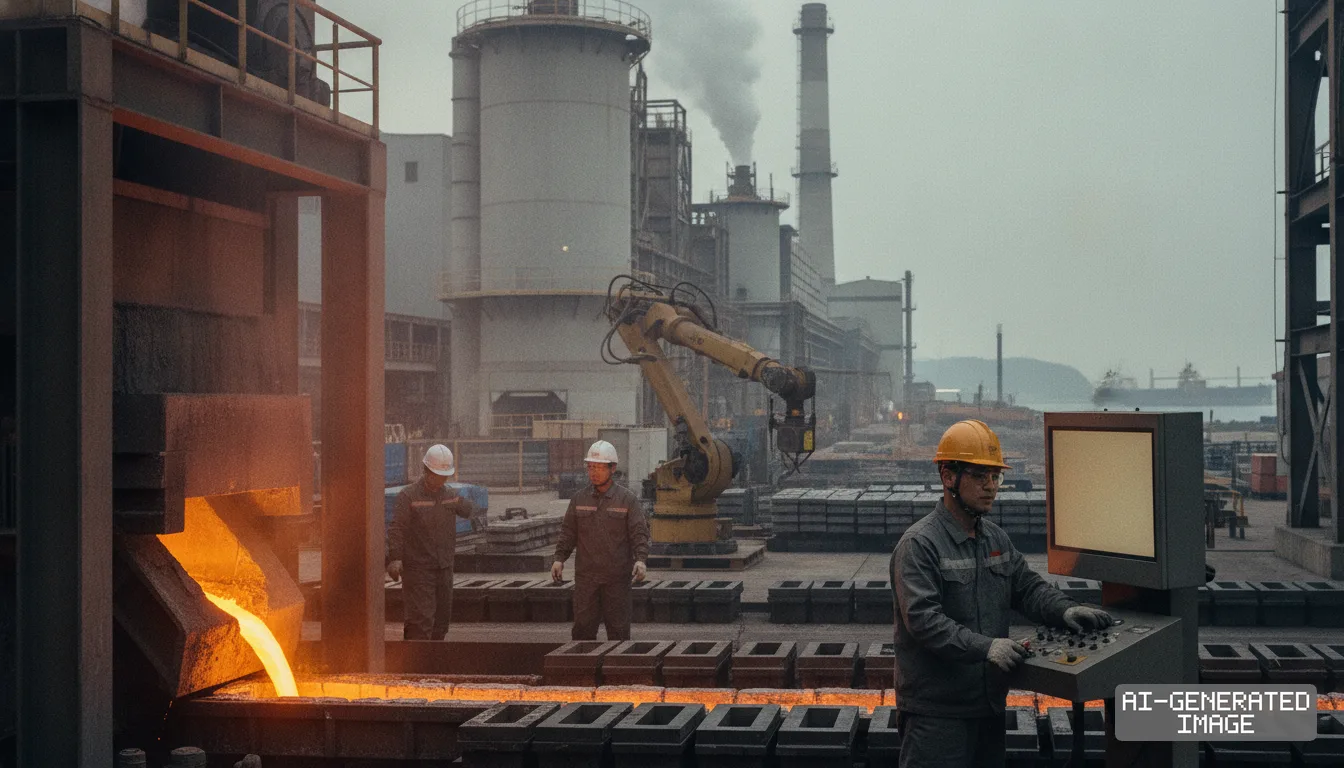
China controls roughly 70% of global mined rare earths and more than 90% of refined magnet processing capacity. The export volume dictates feedstock availability for international electric motor producers, wind turbine builders and military contractors.
The ministry did not issue a new regulatory decree on Oct. 16. Instead, market friction deepened because Chinese customs officials strictly applied existing dual-use rules and selective screening protocols against American procurement channels.
Beijing placed 10 American entities on its dual-use export control list on June 22. That order barred Chinese suppliers from selling controlled items to mine operator MP Materials Corp. and magnet developer USA Rare Earth, Inc.
MP Materials operates the Mountain Pass mine in California, which accounts for roughly 15% of global mined rare earth concentrate. The company depends on Chinese facilities to separate and refine the bulk of its upstream output.
USA Rare Earth is building a magnet production plant in Oklahoma designed to deliver 1,200 metric tons of sintered neodymium magnets annually. The Chinese restriction cut off access to specialized tooling and refined intermediate oxides.
The June sanctions also targeted defense contractors, including Oshkosh Defense, LLC, radar manufacturer IMSAR, LLC and drone builder Red Cat Holdings, Inc. MOFCOM barred global intermediaries from transferring Chinese-origin dual-use items to those listed entities.
Earlier controls from April 2025 mandated individual export licenses for seven medium and heavy rare earth elements. That measure covers dysprosium, terbium and yttrium, which are critical for high-temperature permanent magnets and thermal barrier coatings.
Chinese domestic suppliers grew cautious after regulators penalized supply-chain audit groups in August. Fearing personal legal penalties, several Chinese refiners halted shipments to American buyers even when export licenses had received preliminary clearance.
The administrative friction contrasts sharply with Beijing's treatment of European manufacturing partners. The Ministry of Commerce said Oct. 15 that it will facilitate license reviews and approvals for European buyers through dedicated bilateral dialogue mechanisms.
European magnet processors and automotive component suppliers secured quota extensions under the bilateral framework. The divergence leaves American industrial consumers bearing the brunt of customs delays and licensing rejections.
American defense procurement faces direct operational strain. Defense regulations prohibit Pentagon contractors from acquiring magnets that use Chinese rare earth materials starting January 2027, compressing the timeline to establish alternative supply lines.
Yttrium shipments to American ports have fallen to zero during several recent months, according to Chinese customs filings. The element is required for ceramic coatings that protect jet engine turbine blades from extreme operational heat.
Chinese exports of finished rare-earth permanent magnets to the United States dropped 21% month-on-month to 512 metric tons in August. Magnet inventories at major Western assembly plants currently stand at roughly 45 to 60 days of consumption.
Alternative refiners outside China cannot fill the immediate supply deficit. The industry faces an estimated ex-China shortfall of roughly 32,000 metric tons of neodymium-praseodymium oxide this year, according to metals trading data.
The next critical calendar event arrives on Nov. 10. On that date, a one-year suspension of Beijing's extraterritorial export restrictions under Announcement No. 70 is scheduled to expire.
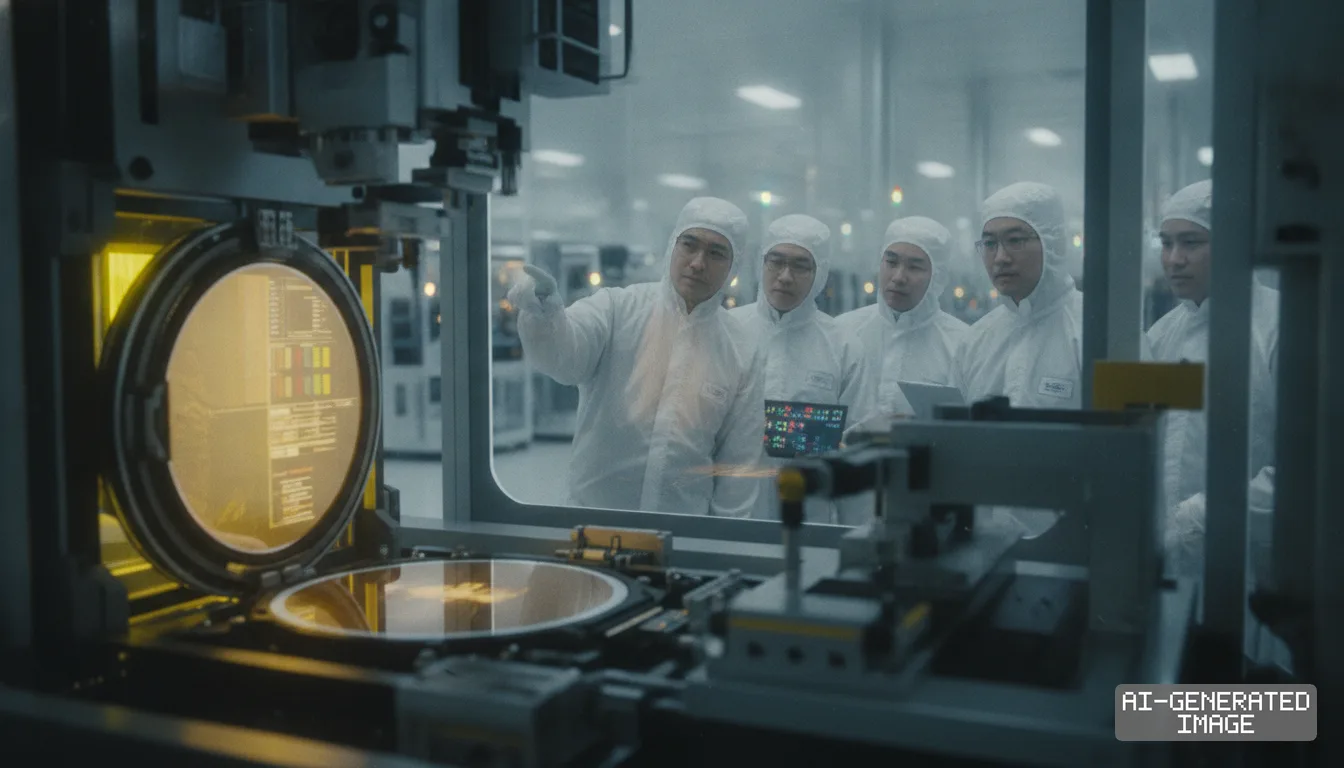
The underlying regulation, published in Announcement No. 61, requires foreign manufacturers to obtain Chinese export approval for goods containing at least 0.1% Chinese-origin rare earth content. That threshold applies to semiconductors, permanent magnets and defense hardware assembled overseas.
The Ministry of Commerce has not published approval rates for individual export applications, and officials have not confirmed whether the Nov. 10 suspension of the 0.1% rule will be extended.
Chinese customs stations in Ningbo and Qingdao continue to process European-bound rare earth cargoes under regular inspection timelines. American commercial shipments remain subject to mandatory end-user verification checks and extended terminal reviews.
Impact map
How this development propagates across the region and out to global buyers.
| Event | Korea | China | Japan | Global impact |
|---|---|---|---|---|
| Rare earth selective controls | Posco International and magnet makers face secondary documentation delays | Domestic refiners hold pricing power as nine-month export tonnage slips 9.6% | Magnet producers draw on domestic strategic stockpiles to cushion supply gaps | US defense and motor assemblers face 45-day inventory buffers and higher input costs |
In this story
- Companies
- MP MaterialsUSA Rare EarthOshkosh DefenseRed Cat Holdings
- Tickers
- MP
- Policy
- Export Controls
- Impact
- Supply ChainPricingCompliance
Track every Export Controls development →
Related briefings
- China bans dual-use sales to MP Materials and US refiners Also on Red Cat Holdings, Oshkosh Defense, USA Rare Earth
- China rare earth suppliers halt US shipments ahead of Washington summit talks Also on Oshkosh Defense, USA Rare Earth, MP Materials
- China rare earth suppliers hold shipments to US contractors Also on Oshkosh Defense, USA Rare Earth, MP Materials
- China curbs drone tech exports to US defense contractors in 2026 Also on Red Cat Holdings, Export Controls, Compliance
Sources
Primary documents
Reporting
Confidence: high — how we grade this
The documents behind this briefing are linked above. East Asia Brief produces its English text with AI assistance under human editorial review, and does not translate or republish other outlets' articles. See our methodology and AI policy. Spotted an error? Tell us.
The Morning Brief
What changed in Korean, Chinese and Japanese industry overnight — and what it means for your supply chain. One email, weekday mornings, US time. Free.
The Morning Brief is in preparation. Leave your address and we will write to you once — when the first issue is ready. Nothing before that.