Guangzhou bourse adds lithium hydroxide futures on CSRC approval
Onshore trading links domestic refineries holding 82% of global volume to high-nickel cathode pricing across international markets.
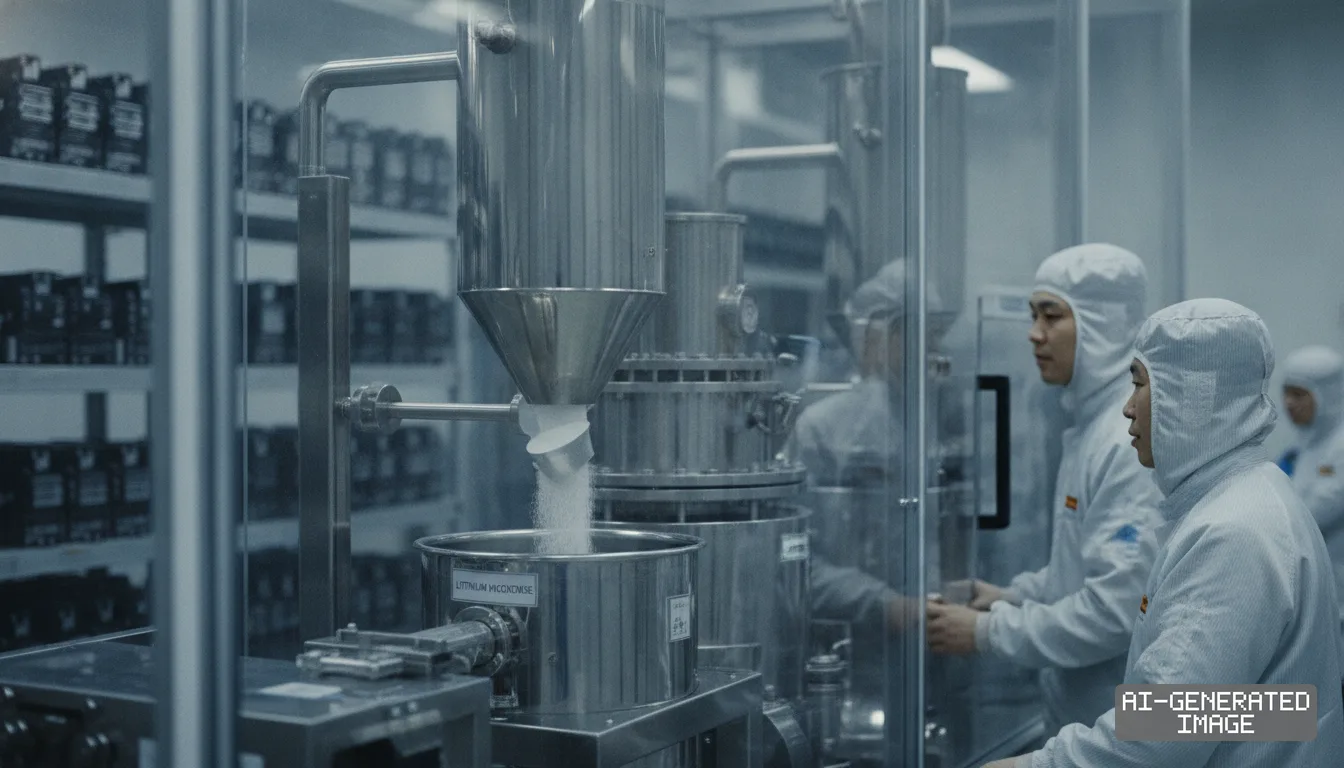
The China Securities Regulatory Commission approved the registration of lithium hydroxide futures and options on the Guangzhou Futures Exchange on Nov. 6, 2026, clearing onshore contracts for trading.
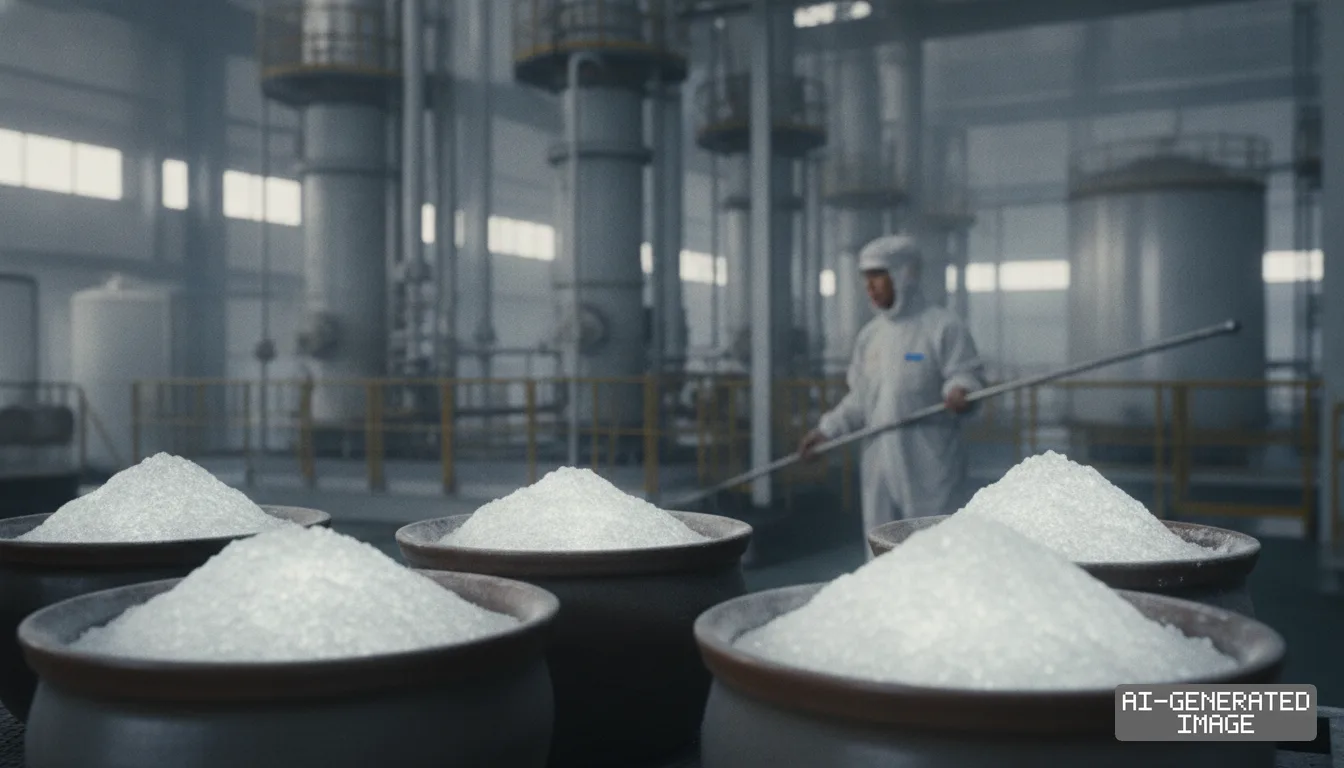
Lithium hydroxide is a refined lithium chemical used to manufacture high-nickel ternary cathodes for electric vehicle batteries. China produced 306,000 metric tons of the compound in 2025, accounting for 82% of global output.
Domestic battery plants consumed 270,000 metric tons of lithium hydroxide in 2025, representing roughly 60% of worldwide demand. Chinese refineries also control approximately 90% of global capacity for extracting lithium from hard-rock spodumene ore.
The exchange released the underlying contracts and detailed business rules on Nov. 6 under Notice 66. The operating framework took effect immediately upon publication, exchange officials said.
The board approved the trading mechanisms before submitting the documentation to national regulators, according to the exchange release. The filing formally establishes deliverable contract parameters for physical settlement across mainland industrial hubs.
Three accompanying exchange circulars initiated preparation procedures for physical market infrastructure on the same day. The bourse opened public applications for registered production brands, designated delivery warehouses and certified quality inspection agencies.
The delivery warehouse territory spans seven provincial jurisdictions, according to Notice 68. The designated regions include Jiangxi, Sichuan, Jiangsu, Hubei, Hunan, Guizhou and Guangdong.
The seven provinces host the bulk of China's cathode precursors, cell fabrication plants and chemical conversion facilities. Jiangxi and Sichuan serve as primary smelting bases for imported Australian lithium spodumene concentrate.
The regulatory registration follows an earlier public consultation period that closed Oct. 13. The bourse published draft contract rules on Oct. 8 to gather feedback from refiners, trading houses and battery producers.
China's top five lithium hydroxide refiners control roughly 67% of domestic processing capacity. The high supplier concentration leaves battery cell assemblers vulnerable to supply bottlenecks and volatile spot offers during procurement cycles.
Ganfeng Lithium operates more than 100,000 metric tons of annual lithium hydroxide processing capacity across domestic production facilities. The group relies on overseas spodumene imports to feed chemical plants in Jiangxi.
Tianqi Lithium produces battery-grade hydroxide at its processing base in Jiangsu province alongside overseas refining assets. Upstream refiner Shengxin Lithium Energy approved a board proposal in June to apply for designated delivery warehouse status.
Lithium hydroxide monohydrate enables higher nickel content in cathode formulations, extending the driving range of premium electric vehicles. The material degrades rapidly if exposed to ambient moisture, complicating long-term warehouse storage and container shipping.
High-nickel chemistries such as nickel-cobalt-manganese and nickel-cobalt-aluminum require lithium hydroxide rather than lithium carbonate. Carbonate salts decompose at lower temperatures, making them unsuited for the synthesis heat profiles of high-energy cells.
Severe pricing fluctuations disrupted battery supply chains over the past three years. Spot market hydroxide valuations swung widely, inflicting severe inventory valuation losses on downstream cathode manufacturers holding fixed-price feedstock agreements.
The new contracts complement lithium carbonate futures listed on the Guangzhou exchange in July 2023. Carbonate derivatives primarily serve supply chains for lithium iron phosphate batteries, which dominate entry-level passenger electric vehicles.
Listing both lithium salts allows chemical refiners to hedge processing spreads between carbonate and hydroxide production lines. Industrial processors regularly reconfigure production schedules depending on the relative price spread between the two battery-grade compounds.
South Korean cathode manufacturers face substantial commercial exposure to the emerging benchmark. Exporters including POSCO Future M, LG Chem and Ecopro BM source more than 80% of their refined lithium hydroxide from Chinese chemical plants.
High-nickel formulations make up more than 70% of South Korea's total cathode shipments to Western electric vehicle assembly plants. Korean battery materials makers currently settle long-term import supply contracts against Western price reporting agency indices.
Pricing contracts in Chinese yuan allows domestic authorities to anchor international valuation benchmarks within mainland trading venues. Onshore physical delivery mechanisms can shift trade settlement away from dollar-denominated over-the-counter price quotation indexes over time.
Standard delivery rules require battery-grade lithium hydroxide monohydrate conforming to national quality standard GB/T 26008-2020. The exchange set contract trading sizes at one metric ton per lot, with no substitute deliverable grades permitted.
Physical settlement contrasts with cash-settled lithium derivatives traded on the Chicago Mercantile Exchange and the London Metal Exchange. Physical delivery obligations force paper futures valuations to align directly with onshore factory inventory prices.
The exchange notice does not state the official launch date for trading, leaving the exact calendar start to a subsequent circular. Regulators said exchange staff must finish platform trials and warehouse inspections before opening active order books.
The securities regulator instructed exchange management to enforce position limits and monitor commercial accounts to prevent speculative disruption. Qualified applicants for registered brand status must file complete production verification documents before initial contracts list.
Impact map
How this development propagates across the region and out to global buyers.
| Event | Korea | China | Japan | Global impact |
|---|---|---|---|---|
| Lithium hydroxide derivative registration | cathode producers face shifted pricing terms on 80% Chinese feedstock share | refiners gain direct hedging and domestic yuan benchmark authority | cell suppliers exposed to onshore spot derivative price convergence | NCM supply chains align pricing with Chinese physical warehouse warrants |
In this story
- Companies
- Ganfeng LithiumTianqi LithiumShengxin Lithium Energy
- Tickers
- 002460.SZ002466.SZ002240.SZ
- Exposed
- POSCO Future MLG ChemEcopro BM
- Policy
- Standards
- Impact
- PricingSupply ChainOrder Book
Track every Standards development →
Related briefings
- CATL tops 15 Chinese automakers combined in first-half profits Also on Tianqi Lithium, Pricing
- BYD evaluates Argentina lithium battery plant for EV export Also on Ganfeng Lithium
- Korean cathode makers retool production lines for LMFP chemistry as price war spreads Also on LG Chem, EcoPro BM, POSCO Future M
- Korean cathode makers pivot to LMR to halt Chinese LFP gains in EVs Also on LG Chem, EcoPro BM, POSCO Future M
Sources
Primary documents
Reporting
Confidence: high — how we grade this
The documents behind this briefing are linked above. East Asia Brief produces its English text with AI assistance under human editorial review, and does not translate or republish other outlets' articles. See our methodology and AI policy. Spotted an error? Tell us.
The Morning Brief
What changed in Korean, Chinese and Japanese industry overnight — and what it means for your supply chain. One email, weekday mornings, US time. Free.
The Morning Brief is in preparation. Leave your address and we will write to you once — when the first issue is ready. Nothing before that.