Evolution Metals scales Korea magnet capacity to 10,000 tons
The Miami-based producer is racing to install 13 Japanese sintering machines by November ahead of a strict Pentagon ban on Chinese-sourced rare earth minerals.
Evolution Metals & Technologies Corp. reiterated on Oct. 3, 2026 its plan to scale permanent magnet manufacturing capacity to 10,000 metric tons annually outside China.
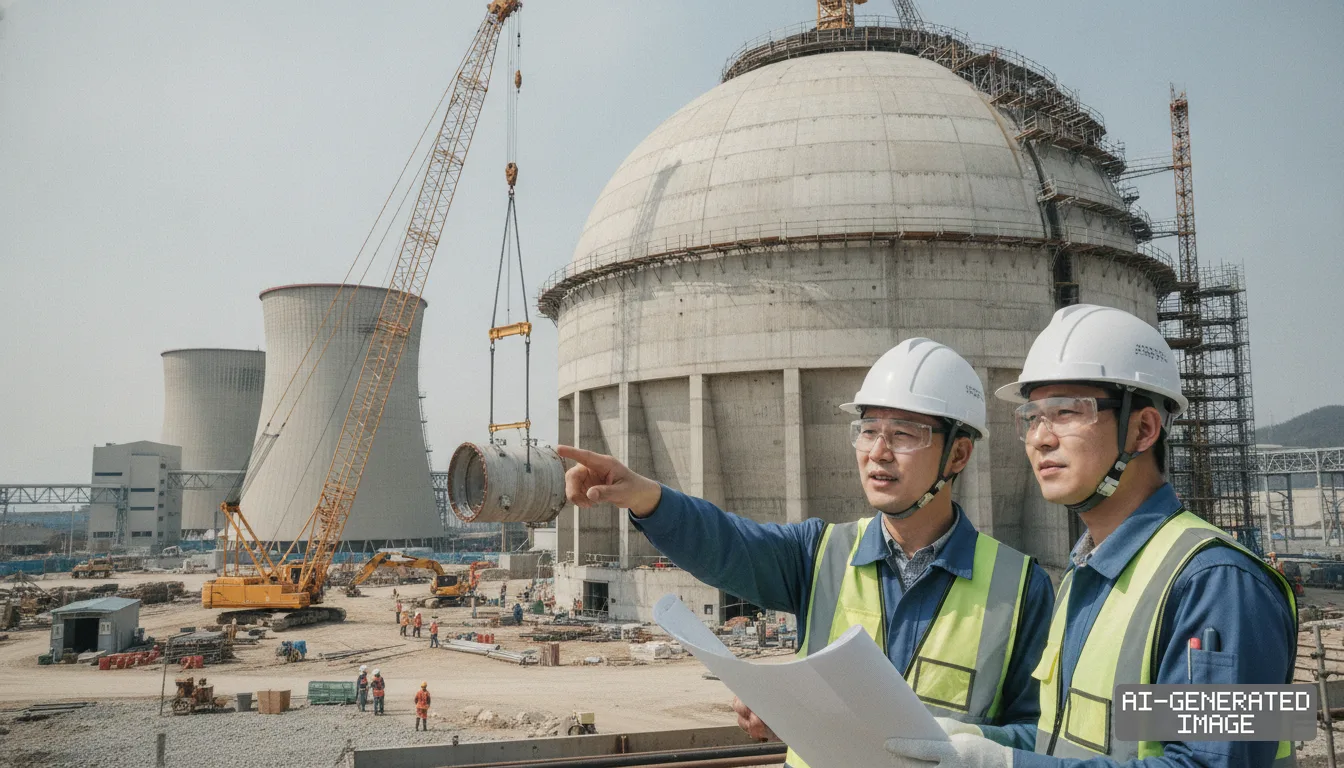
The Miami-based producer is expanding its manufacturing campus in Pohang, South Korea. Output at the site will increase tenfold from its current baseline of 1,000 metric tons.
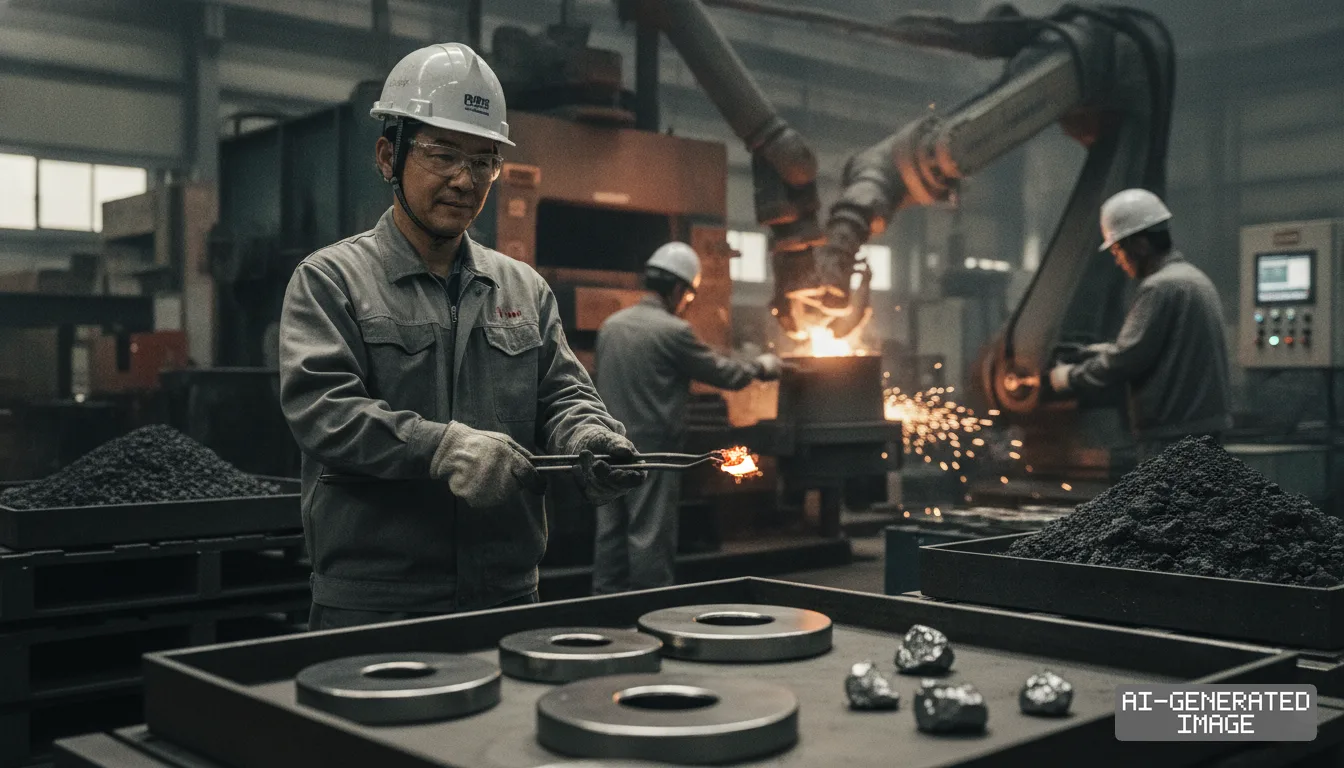
The target includes roughly 6,000 metric tons of high-performance sintered neodymium-iron-boron magnets. That volume represents approximately a tenth of projected Western demand for electric vehicle traction motors and defense guidance hardware.
Neodymium-iron-boron magnets generate continuous magnetic fields from alloys of rare earths, iron and boron. They provide high torque density in guided missile actuators, naval radar systems and automotive drive units.
China controls more than 90% of global permanent magnet manufacturing and 95% of rare earth refining. That concentration leaves allied defense supply chains exposed to unilateral export licensing curbs.
Under Defense Federal Acquisition Regulation Supplement clause 252.225-7052, the Pentagon will prohibit defense purchases of permanent magnets derived from China, Russia, North Korea and Iran starting Jan. 1, 2027.
The amended federal rule mandates supply chain tracing to the point of extraction. It disqualifies systems containing neodymium or samarium that was mined, refined, separated or melted in covered nations.
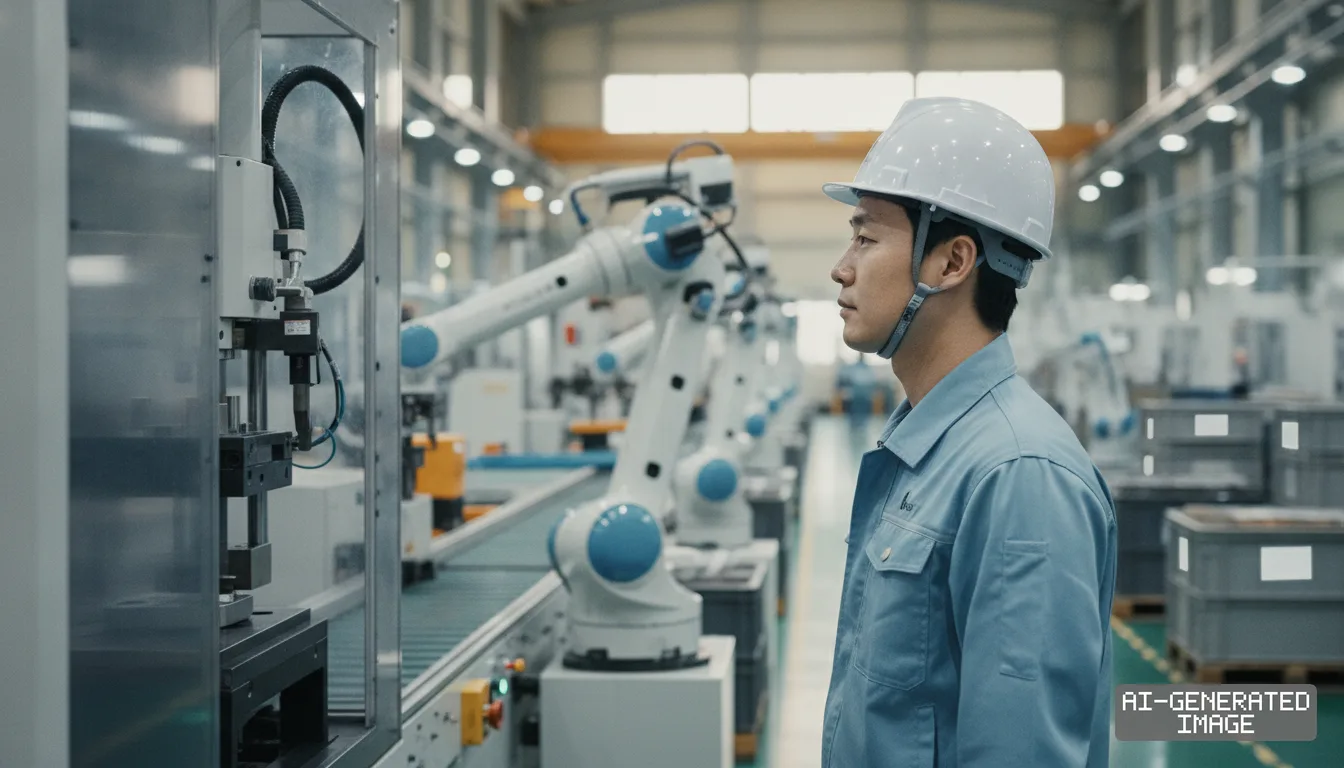
To meet the procurement rule, Evolution Metals signed binding purchase orders for 13 sintered magnet production machines from ULVAC Korea, a unit of Japan's ULVAC Inc.
The Japanese supplier will deliver and install all 13 specialized sintering machines at the Pohang complex in November 2026, the company said in a regulatory filing.
Evolution Metals acquired 1.3 million square feet of industrial land from the Pohang municipal government. The transaction enlarges the operational facility footprint from 24,000 square feet to 482,000 square feet.
To support the heavy electrical load of vacuum sintering furnaces, state utility Korea Electric Power Corp. agreed to raise site transmission capacity from 130 megawatts to 750 megawatts.
The state utility will fund approximately 90% of the capital expenditure for high-voltage substations and transmission lines under the agreed infrastructure program.
The company also executed a non-binding letter of intent on Sept. 30 with Florida-based VIVIFY Technology. That deal plans a 1-megawatt modular hydrogen generator to provide auxiliary power.
Securing separated rare earth feedstock outside Chinese refining channels remains the central operating constraint for magnet producers.
Evolution Metals received a trial delivery of five metric tons of non-Chinese neodymium-praseodymium metal from Vietnam through Japanese trading firm Senri and SRE Vietnam in July.
The trial verified customs clearance and metallurgical purity before full production begins, the company said in a securities disclosure.
The 10,000-ton capacity target matches competing industrial efforts in North America. MP Materials is building its 10X Factory in Northlake, Texas, under a Pentagon award aiming for 10,000 metric tons by 2028.
Arnold Magnetic Technologies and REalloys are qualifying non-Chinese heavy rare earths such as dysprosium and terbium to meet the same statutory cutoff.
Heavy rare earths prevent magnets from demagnetizing under high operational temperatures inside military aircraft generators and electric vehicle motors.
Defense contractors require extensive testing before approving new material suppliers. Prime contractors such as Lockheed Martin warned in regulatory filings that verifying mine-level compliance across sub-tier vendors creates real operational costs.
The company has not disclosed the total capital expenditure required to complete the Pohang facility, nor has it published binding multi-year sales contracts with commercial vehicle makers.
The 13 ULVAC manufacturing units arrive at the Pohang facility in November 2026, ahead of the Pentagon procurement prohibition taking effect on Jan. 1, 2027.
Impact map
How this development propagates across the region and out to global buyers.
| Event | Korea | China | Japan | Global impact |
|---|---|---|---|---|
| DFARS magnet sourcing ban | Evolution Metals expands Pohang plant to 10,000 tons with KEPCO backing 90% of grid work | Dominance in 90% of magnet supply bypassed by allied defense procurement | ULVAC supplies 13 sintering units; Senri routes Vietnamese NdPr metal | Defense primes trace magnet feedstock to mine level ahead of Jan. 1, 2027 cutoff |
In this story
- Companies
- Evolution Metals & Technologies Corp.
- Tickers
- NASDAQ:EMAT
- Exposed
- MP MaterialsLockheed MartinULVAC Inc.
- Policy
- Export ControlsEconomic Security
- Impact
- Supply ChainCapexCompliance
Track every Export Controls development → Track every Economic Security development →
Related briefings
- Chinese rare earth suppliers halt shipments to US customers Also on Lockheed Martin, MP Materials, Export Controls
- Benchmark says ex-China heavy rare earth prices jumped 150% in Q3 Also on Lockheed Martin, MP Materials, Export Controls
- Pentagon awards Elmet $2.45B to cut China tungsten reliance by 2027 Also on Lockheed Martin, Export Controls, Compliance
- China Gallium Export Controls Deplete Western Chip Stockpiles Also on Lockheed Martin, Export Controls
Sources
Primary documents
Reporting
Confidence: high — how we grade this
The documents behind this briefing are linked above. East Asia Brief produces its English text with AI assistance under human editorial review, and does not translate or republish other outlets' articles. See our methodology and AI policy. Spotted an error? Tell us.
The Morning Brief
What changed in Korean, Chinese and Japanese industry overnight — and what it means for your supply chain. One email, weekday mornings, US time. Free.
The Morning Brief is in preparation. Leave your address and we will write to you once — when the first issue is ready. Nothing before that.