Japan's critical mineral sales hit 12.2B yen amid China export curbs
Disbursements of state stockpiles jumped more than sixfold from fiscal 2024 as Tokyo moves to support rare earth supply chains outside Chinese control.
Japan’s state resources agency reported Nov. 27 that fiscal 2025 releases of emergency critical-mineral stockpiles to domestic manufacturers surged to 12.2 billion yen ($79 million) following Chinese export curbs.
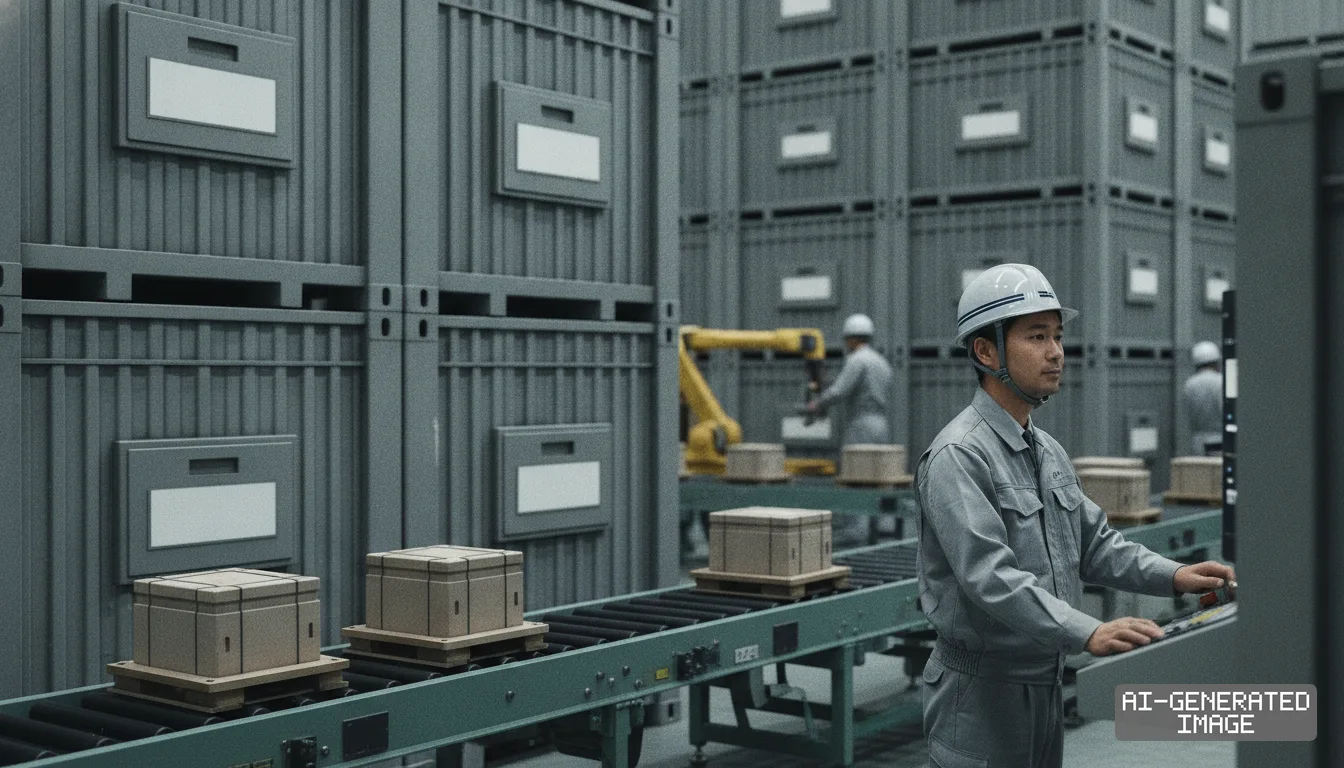
The Japan Organization for Metals and Energy Security manages emergency reserves across 35 critical mineral categories. The statutory reserve acts as a supplier of last resort during international trade disruptions.
The 12.2 billion yen disbursement represents a more than sixfold jump from 1.83 billion yen in fiscal 2024. The total reached 4.8 times the level logged during the 2010 Senkaku territorial dispute.
Surging international spot prices compounded the fiscal value of the stockpile releases. Finance ministry trade data showed import prices for select separated minerals nearly doubled over the year as Chinese export reviews lengthened.
JOGMEC stores physical metals at centralized government warehouses, including a primary facility in Takahagi, Ibaraki Prefecture. The national reserve targets 60 days of domestic consumption across critical minerals to insulate factories against border delays.
The drawdown reflects worsening procurement bottlenecks for heavy rare earth elements. Japanese electric vehicle traction-motor builders require steady volumes of dysprosium and terbium to preserve magnetic performance under high operating heat.
Neodymium-iron-boron permanent magnets degrade rapidly at temperatures above 80 degrees Celsius without heavy rare earth additives. Dysprosium and terbium raise thermal stability to allow motor operation past 180 degrees Celsius.
China refines more than 90% of global dysprosium and terbium output. Beijing introduced tighter licensing rules on seven rare earth categories in April 2025, restricting outbound container shipments to Japanese processing plants.
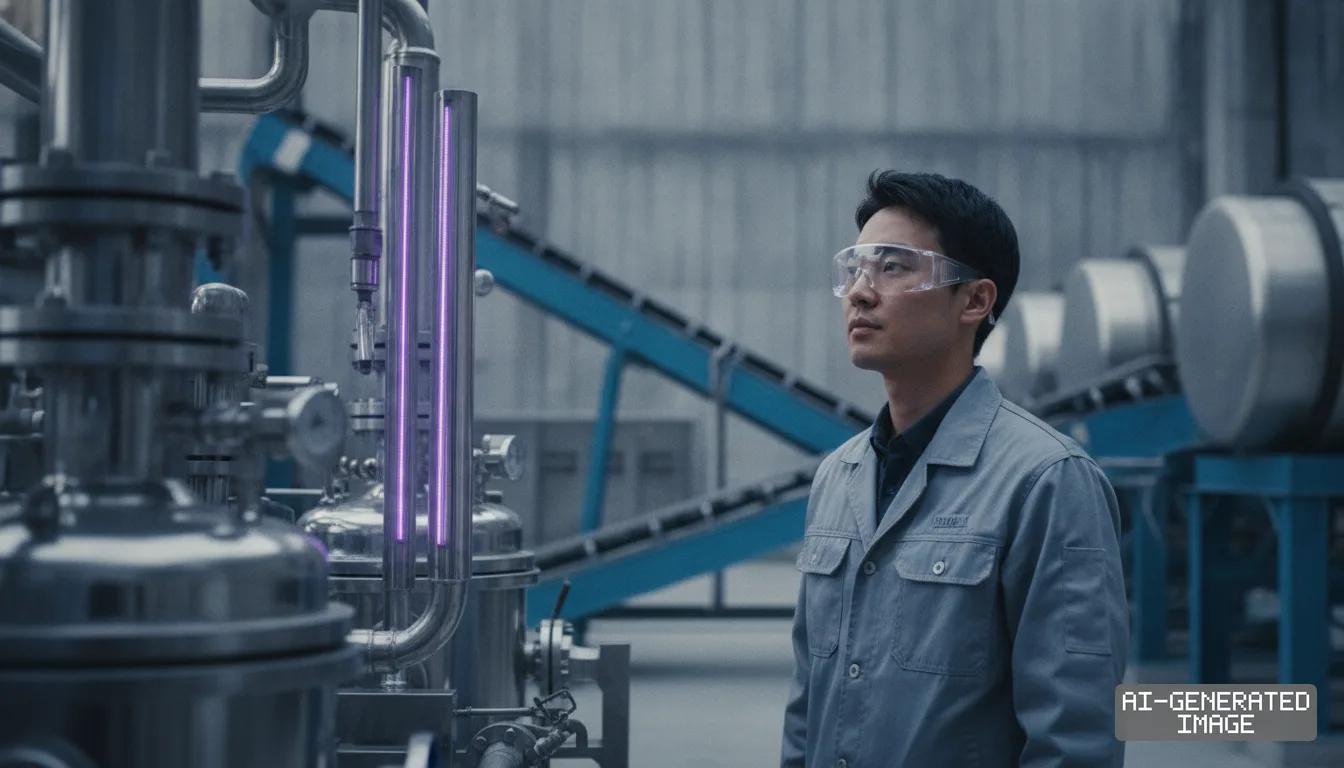
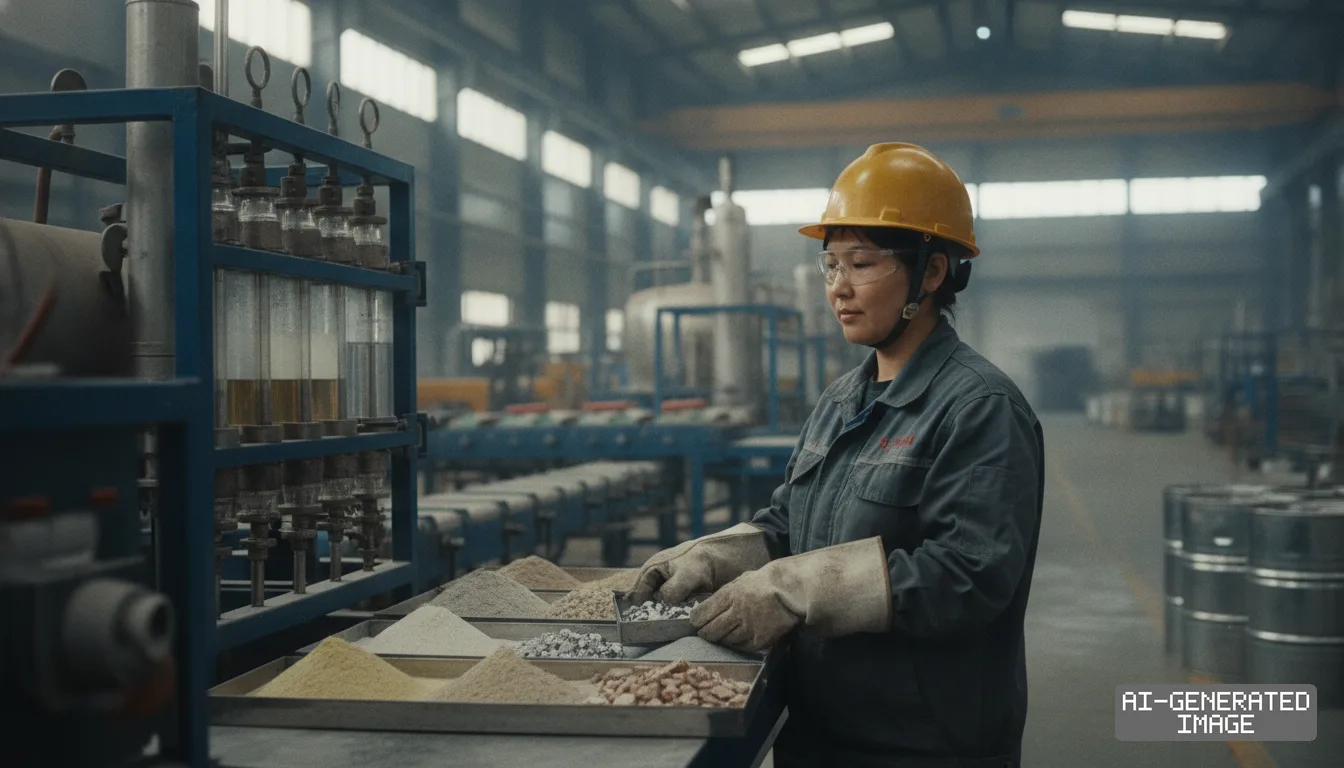
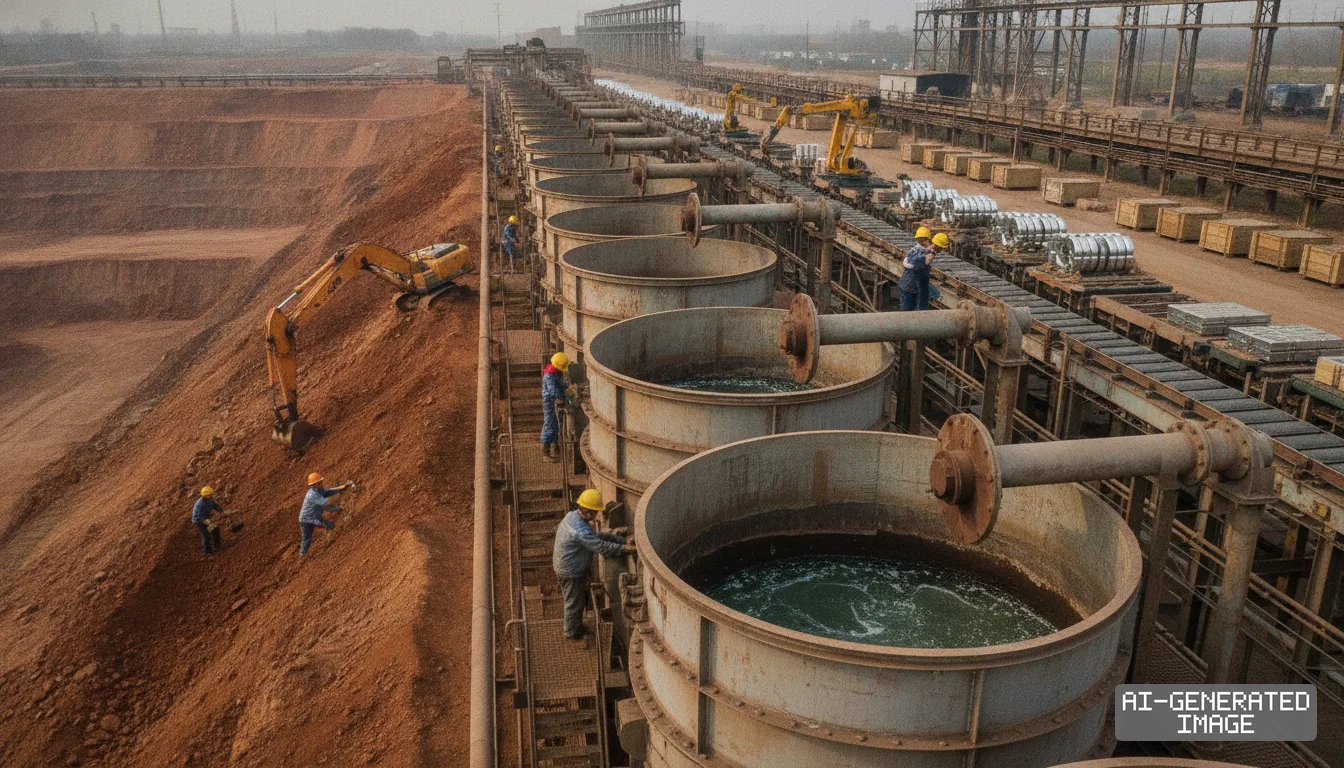
Separating individual heavy rare earth elements requires complex solvent extraction cascades spanning hundreds of stages. Chinese chemical plants control almost all commercial separation capacity, creating an acute chokepoint between unrefined ore and finished metal.
Domestic magnet makers process imported heavy rare earth oxides into high-coercivity alloys for automotive tier-one motor assemblers. Supply interruptions threaten production lines for hybrid and electric drivetrains across North America and Europe.
To replace Chinese refining channels, Tokyo is financing upstream mining and extraction projects in partner nations. The strategy aims to establish integrated chemical separation hubs outside Chinese regulatory jurisdiction.
Toyota Tsusho Corporation established a dedicated special purpose company named TJ Namibia Rare Earths Corporation to develop the Lofdal mineral deposit in Namibia. JOGMEC agreed to back the venture with state equity.
JOGMEC committed up to 47.67 million Canadian dollars ($35 million) in equity funding for the Namibian entity. The state agency completed its initial capital transfer on July 23, 2026.
The investment followed a competitive bidding process completed in March 2026. JOGMEC transferred a portion of its project option to Toyota Tsusho to accelerate field exploration and engineering design.
Toyota Tsusho now advances the project alongside Canada-based Namibia Critical Metals Inc. The Lofdal asset holds extensive xenotime mineralization, representing Japan’s first direct equity participation in an African rare earth mining project.
The special purpose company is running a definitive feasibility study to verify heavy rare earth concentration grades. The project partners intend to determine commercial mine construction before the close of fiscal 2026.
Cabinet officials anchored the African venture within the updated National Growth Strategy adopted July 21, 2026. The policy roadmap directs public financing toward non-Chinese separation, smelting and permanent-magnet supply chains.
The Ministry of Economy, Trade and Industry requested 529.3 billion yen ($3.4 billion) in its fiscal 2027 budget. The funding package finances overseas mining equity, recycling lines and stockpile buffer expansion.
Domestic recycling forms a secondary pillar of the procurement diversification program. Government subsidies support recovery facilities that strip dysprosium and neodymium from discarded air-conditioner compressors and industrial factory automation motors.
Tokyo is also preparing statutory procurement mandates for downstream manufacturers. Planned amendments to the Economic Security Promotion Act will require automotive and machinery assemblers to draft formal non-China supply-diversification roadmaps during 2027.
The ministry has not published the elemental breakdown or physical tonnage of minerals released from national warehouses. Officials cited economic security rules for keeping warehouse inventories and delivery destinations confidential.
Public consultations on the corporate procurement guidelines run through January 2027. JOGMEC and Toyota Tsusho plan to finalize the definitive commercial development decision on the Lofdal mine by March 31, 2027.
Impact map
How this development propagates across the region and out to global buyers.
| Event | Korea | China | Japan | Global impact |
|---|---|---|---|---|
| Japan heavy rare earth de-risking | Motor manufacturers face elevated feedstock costs on tighter regional dysprosium spot supplies | Beijing export licensing controls trim direct mineral sales to Japanese processing plants | Toyota Tsusho deploys CAD 47.67 million with JOGMEC to develop non-Chinese heavy rare earth supply | EV drivetrain supply chains accelerate qualification of alternative permanent-magnet refining routes |
In this story
- Companies
- Toyota TsushoNamibia Critical Metals
- Tickers
- 8015.T
- Policy
- Export ControlsSubsidies
- Impact
- Supply ChainCapexCompliance
Track every Export Controls development → Track every Subsidies development →
Related briefings
- Namibia rare earth project faces water shortfall, clouding JOGMEC plans Also on Namibia Critical Metals, Toyota Tsusho
- Japan seeks rare earth supply pact with India's Andhra Pradesh Also on Toyota Tsusho, Export Controls
- Japan and India launch five mineral ventures to blunt China risk Also on Toyota Tsusho, Subsidies
- Japan chemical makers expand LiFSI electrolyte salt synthesis for fast-charging EVs Also on Toyota Tsusho, Subsidies
Sources
Primary documents
Reporting
Confidence: high — how we grade this
The documents behind this briefing are linked above. East Asia Brief produces its English text with AI assistance under human editorial review, and does not translate or republish other outlets' articles. See our methodology and AI policy. Spotted an error? Tell us.
The Morning Brief
What changed in Korean, Chinese and Japanese industry overnight — and what it means for your supply chain. One email, weekday mornings, US time. Free.
The Morning Brief is in preparation. Leave your address and we will write to you once — when the first issue is ready. Nothing before that.