Western developers test novel graphite to counter China's 94% grip
Benchmark projects Chinese plants will still supply 90% of global battery anodes in 2040 as four non-traditional processing routes remain years from commercial scale.
Benchmark Mineral Intelligence reported Nov. 27 that Western developers are advancing four non-traditional graphite production methods to bypass Chinese suppliers that control 94% of global battery anode output.
China accounts for 94% of active anode material supply in 2026, according to the London-based price reporting agency. Benchmark projects Chinese plants will still supply 90% of global battery anodes in 2040.
Western automakers and cell manufacturers face widening procurement deficits as electric vehicle production expands. The shortfall has intensified efforts in Europe and North America to establish alternative domestic refining outside Chinese control.
Conventional battery anodes rely on spherical natural graphite purified with hydrofluoric acid or synthetic graphite graphitized in high-temperature Acheson furnaces. Both production routes remain heavily concentrated inside China due to cheap coal power.
Western developers are pursuing four distinct technical substitutes: biomass conversion, methane cracking, captured carbon dioxide synthesis and legacy mine tailing reprocessing. Each approach attempts to eliminate energy-intensive Chinese furnace processing and toxic chemical leaching.
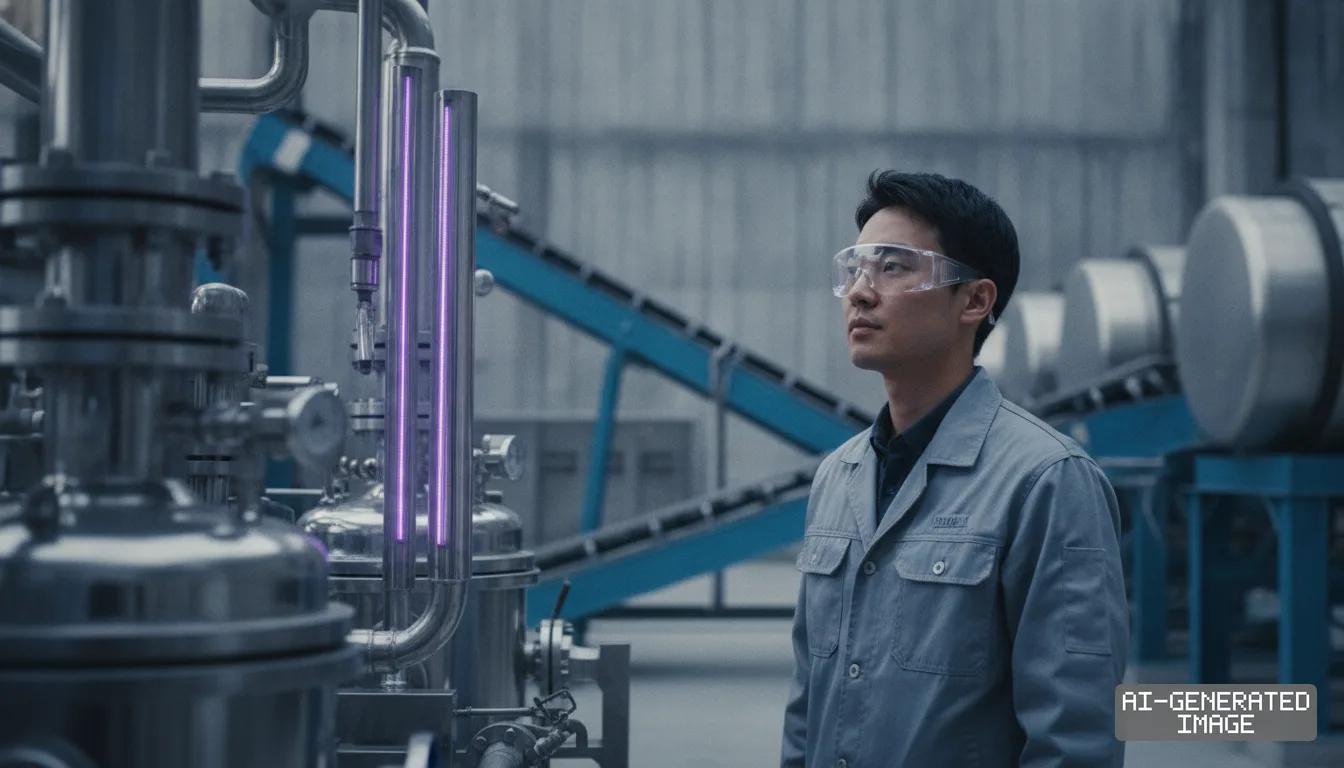
Methane cracking uses high-temperature thermal pyrolysis to split natural gas into solid carbon and clean hydrogen without generating direct emissions. United States developer Molten Industries is scaling the pyrolysis route to produce battery-grade anode feedstock.
Direct conversion of industrial carbon dioxide offers another synthetic pathway. Estonian clean technology developer UP Catalyst uses molten salt electrolysis to transform captured carbon dioxide emissions into synthetic graphite and conductive carbon nanotubes.
UP Catalyst secured an €18 million ($19 million) direct loan from the European Investment Bank to construct commercial reactors. The company plans to reach an annual output of 1,350 tonnes of battery graphite by 2027.
That planned volume represents only a fraction of European demand, which requires hundreds of thousands of tonnes annually. UP Catalyst aims to scale output toward 60,000 tonnes of graphite each year by 2030.
Biomass graphitization converts wood waste and forestry residues through catalytic heating into battery carbon. Developers promote the method as a renewable alternative that avoids the high emissions embedded in petroleum needle coke, the traditional synthetic precursor.
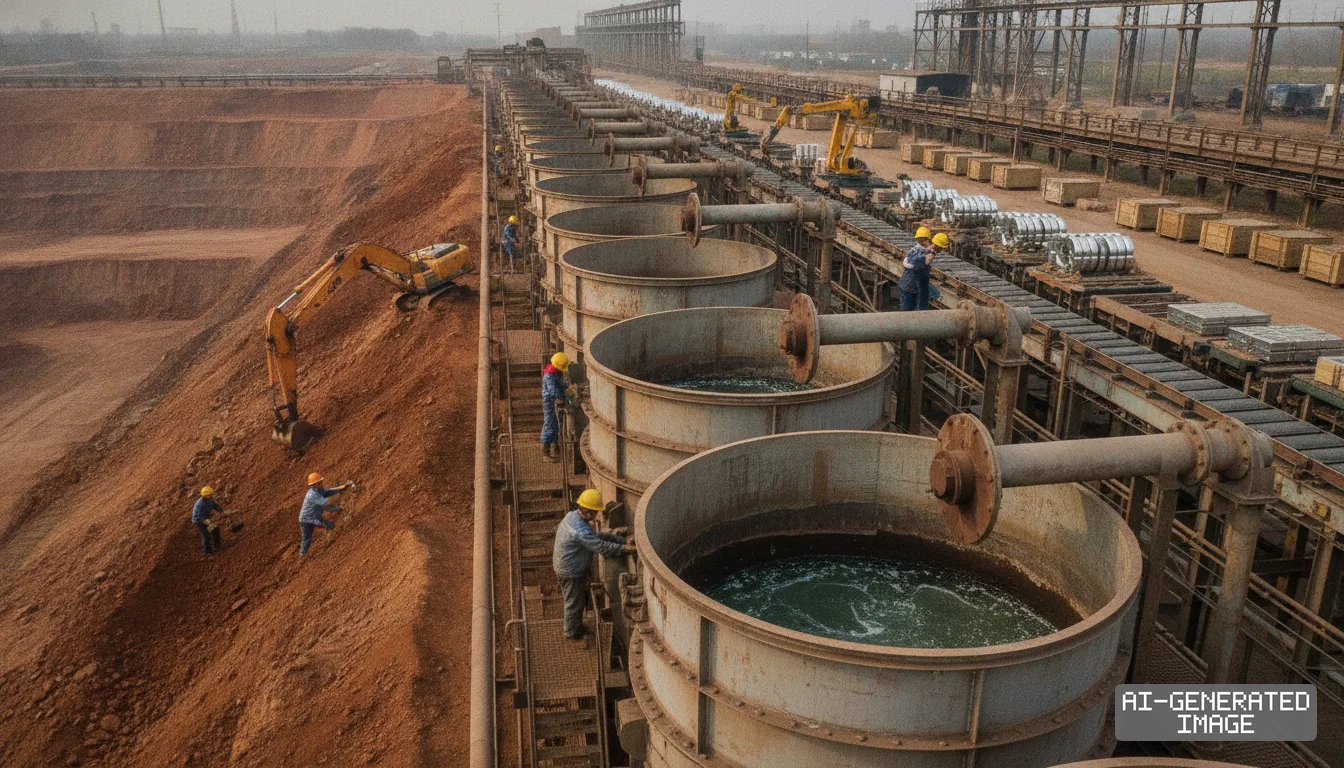
Reprocessing old mine tailings targets graphite discarded during historical mining operations. Processing waste rock eliminates new open-pit mining permits and utilizes existing extraction sites across North America and Europe to recover active mineral flakes.
None of the non-traditional methods has reached commercial mass manufacturing scale, Tony Alderson, anode research manager at Benchmark, said in the report. Current pilot and demonstration facilities produce negligible volumes against global demand.
Western battery cell plants will consume over 400,000 tonnes of active anode material annually before 2030. Existing non-traditional demonstration facilities currently measure aggregate output in tens or hundreds of tonnes rather than industrial commercial increments.
Technical qualification remains a significant barrier for early-stage materials. Cell manufacturers typically require two to three years of battery cell cycling tests before approving new anode feedstocks for high-volume commercial passenger vehicle production.
Supply security concerns have escalated after China introduced export licensing requirements on natural and synthetic graphite products. Beijing tightened scrutiny on overseas shipments to safeguard strategic domestic critical mineral supplies against foreign industrial policy.
China subsequently paused strict enforcement of the graphite export curbs until Jan. 10, 2027, the Ministry of Commerce said. The temporary reprieve gives Western battery producers a narrow window to diversify their upstream supply dependencies.
The report does not state estimated production costs per metric ton for the non-traditional routes. Benchmark has not confirmed whether any developer has signed binding commercial off-take agreements with global battery manufacturers.
Western governments are expanding capital grants and tax credits to support domestic mineral refining under economic security mandates. Federal agencies in the United States and the European Union have prioritized commercial anode pilots through direct loans.
Developers must now demonstrate that non-traditional graphite can match the tap density and electrochemical efficiency of Chinese synthetic material. Without commercial parity, cell makers will remain exposed to future Chinese export licence suspensions.
The European Commission will review strategic critical raw material project benchmarks in Brussels in December. China's graphite export pause will expire Jan. 10, 2027, setting a hard deadline for Western procurement teams.
Impact map
How this development propagates across the region and out to global buyers.
| Event | Korea | China | Japan | Global impact |
|---|---|---|---|---|
| Western non-traditional graphite scale-up | battery makers face anode supply deficits as non-traditional tech remains below commercial scale | producers retain 94% anode market share through low-cost domestic power | cell makers rely on Chinese synthetic graphite during prolonged testing cycles | electric vehicle supply chain faces widening anode shortfalls outside China |
In this story
- Companies
- Benchmark Mineral IntelligenceUP CatalystMolten Industries
- Policy
- Export Controls
- Impact
- Supply ChainPricingCost Structure
Track every Export Controls development →
Related briefings
- CATL Jianxiawo lithium mine faces output cuts as China pulls environmental permit Also on Benchmark Mineral Intelligence, Pricing
- Dysprosium spot price hits $4,875 in Europe on China export controls Also on Export Controls, Pricing, Cost Structure
- DRC freezes 96,600-ton cobalt quota in four-month export ban Also on Export Controls, Pricing, Cost Structure
- China gallium export controls squeeze power chip foundry supply Also on Export Controls, Pricing, Cost Structure
Sources
Reporting
Confidence: high — how we grade this
The documents behind this briefing are linked above. East Asia Brief produces its English text with AI assistance under human editorial review, and does not translate or republish other outlets' articles. See our methodology and AI policy. Spotted an error? Tell us.
The Morning Brief
What changed in Korean, Chinese and Japanese industry overnight — and what it means for your supply chain. One email, weekday mornings, US time. Free.
The Morning Brief is in preparation. Leave your address and we will write to you once — when the first issue is ready. Nothing before that.