Pentagon awards Elmet $2.45B to cut China tungsten reliance by 2027
The equity and procurement package expands domestic powder manufacturing fivefold before a federal ban on Russian and Chinese defense minerals takes effect in 2027.
The Elmet Group detailed terms Oct. 3 for a $2.45 billion Pentagon funding and supply package designed to revive American tungsten refining and cut reliance on Chinese processors.
China controls roughly 85% of global tungsten extraction and 80% of refined chemical processing, according to U.S. Geological Survey data. The United States has not mined commercial tungsten since 2015.
The package combines a $450 million preferred equity injection from the Pentagon with a $2 billion Defense Logistics Agency stockpile contract. It represents the largest federal investment in domestic refractory metals in decades.
The Department of Defense deployed $450 million through the Industrial Base Analysis and Sustainment program. The investment takes the form of convertible preferred stock paying a 5.5% dividend, linked to warrants for 19.9% of Elmet common equity.
An initial $200 million tranche closed upon signing the transaction. The remaining $250 million will disburse across five equal semi-annual installments through 2029, contingent on Elmet meeting scheduled construction and qualification milestones.
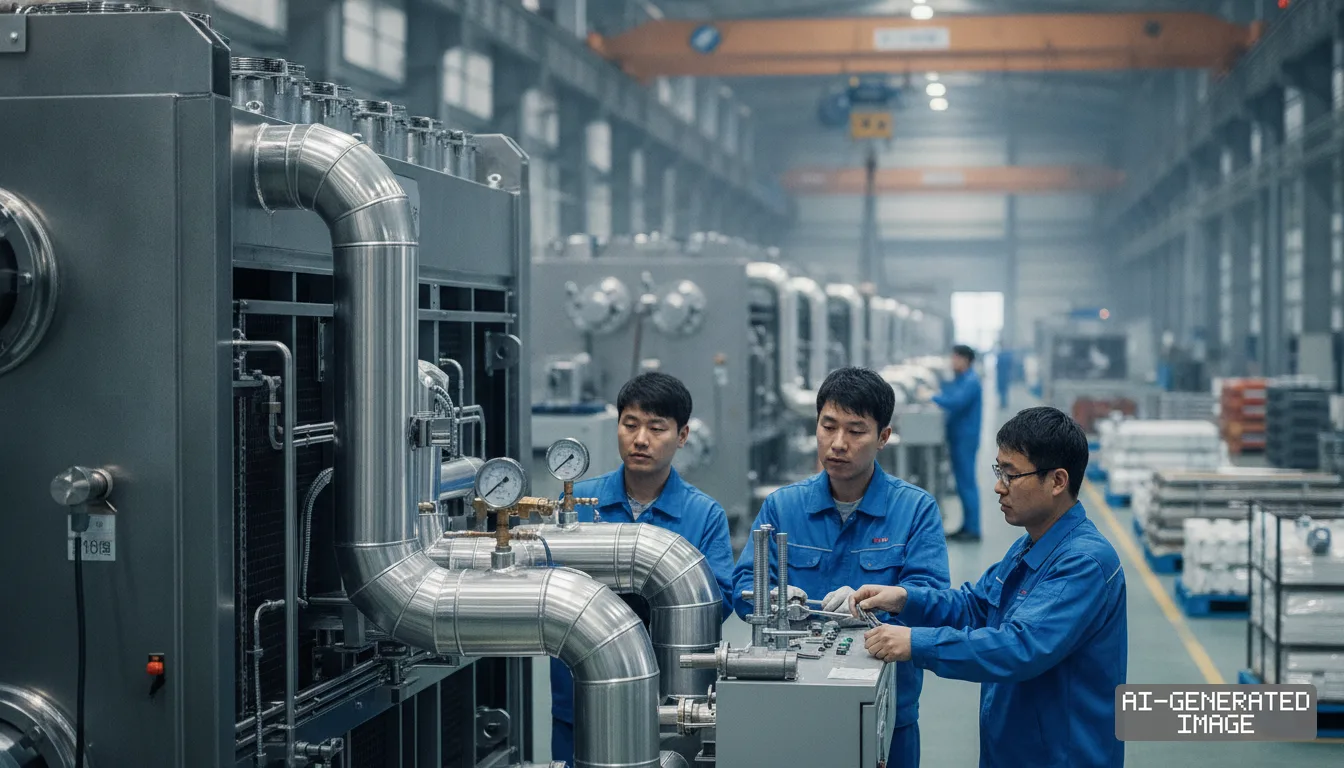
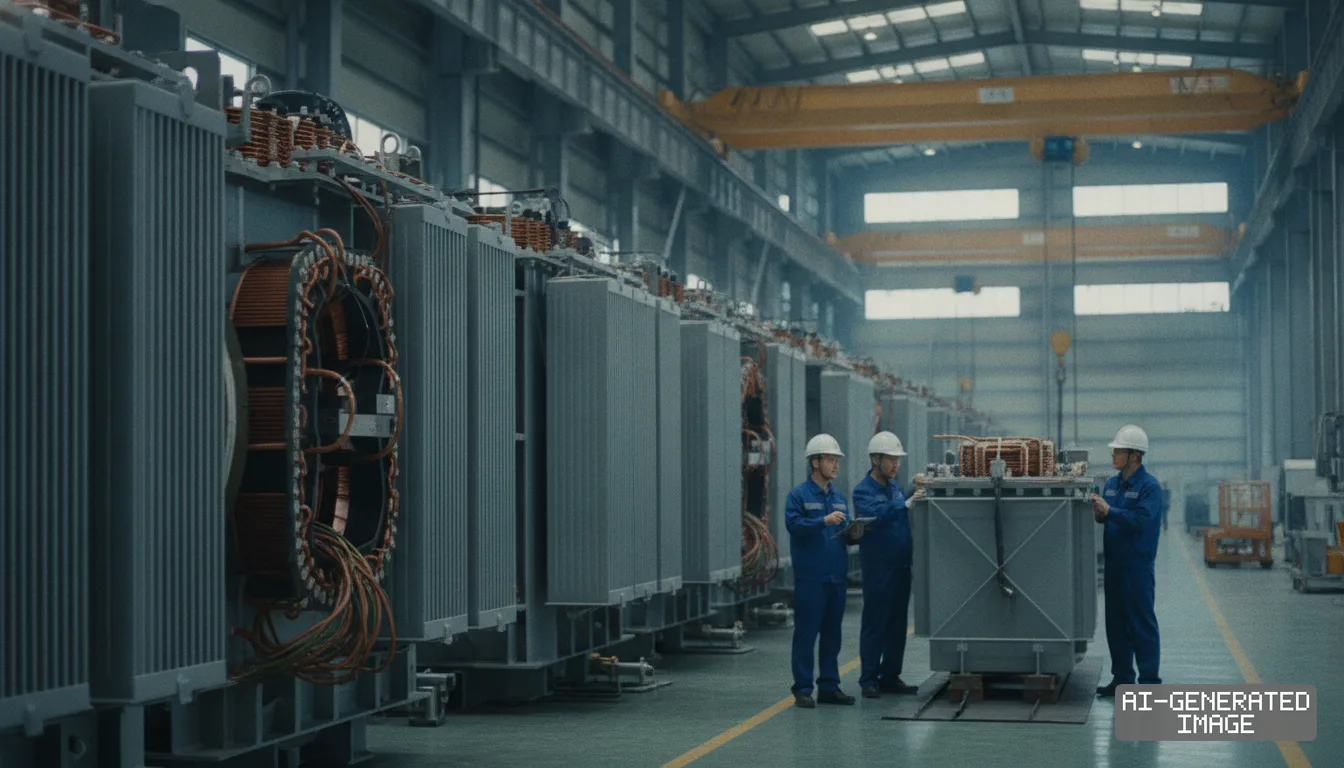
Elmet will commit $165 million to expand three domestic manufacturing plants. Facilities in Lewiston, Maine, Coldwater, Michigan and Euclid, Ohio will multiply domestic tungsten powder production fivefold by 2028, the company said.
Tungsten possesses the highest melting point of any metal at 3,422 degrees Celsius. Defense contractors require it for kinetic armor-piercing munitions, missile nose cones, solid rocket motor throats and high-temperature aerospace fasteners.
The refractory metal also forms contacts and conductive plugs inside advanced memory and logic semiconductors. Leading chip fabricators consume high-purity tungsten hexafluoride gas, which relies entirely on refined chemical tungsten intermediates.
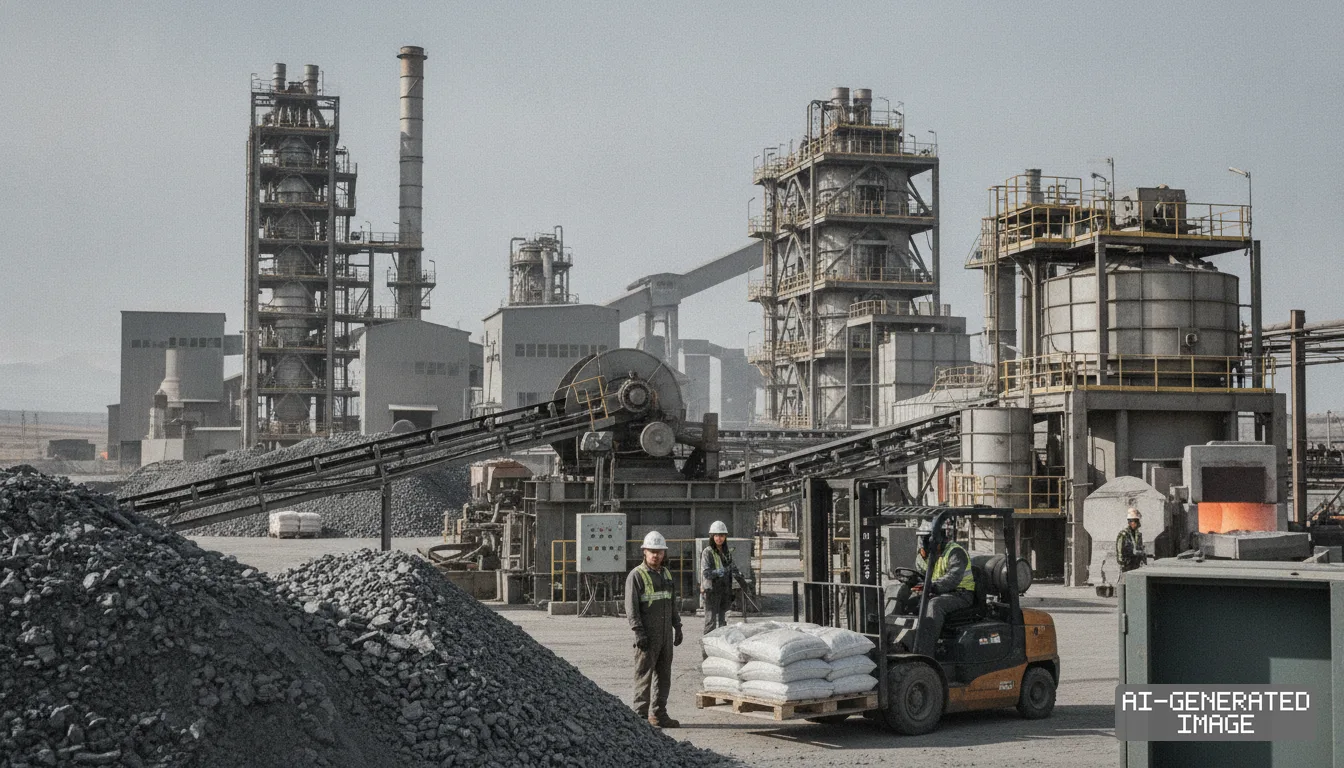
Elmet formed a new subsidiary, Elmet Refining & Trading, to restart domestic upstream processing. The division plans a $75 million joint venture to reopen the Springer mine and ammonium paratungstate refinery in Pershing County, Nevada.
The Nevada complex last operated in 1982 before falling commodity prices shuttered Western mines. Elmet targets commercial processing at Springer in the first half of 2029, creating the only domestic primary conversion facility.
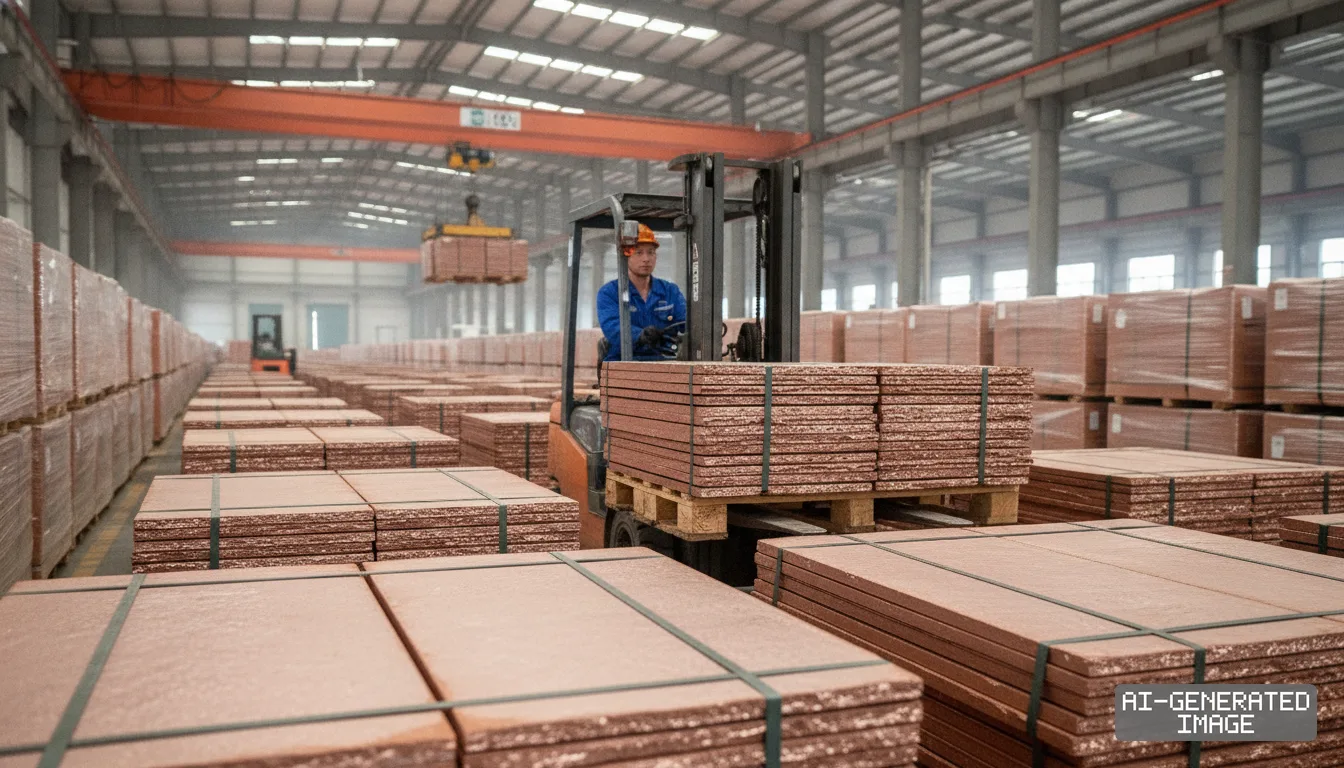
Parallel to the equity stake, the Defense Logistics Agency awarded Elmet Technologies a purchase agreement with a $2 billion ceiling. The contract carries $150 million in guaranteed procurement for raw tungsten concentrate and sodium tungstate.
The logistics agency awarded Elmet a separate $36 million contract on Sept. 30. That indefinite-delivery award covers titanium-zirconium-molybdenum alloy billets, bar stock and precision wire for military jet engine components.
The funding accelerates compliance with the National Defense Authorization Act. A federal rule takes effect Jan. 1, 2027, prohibiting the Pentagon from buying defense systems containing tungsten mined or refined in China, Russia, North Korea or Iran.
That ban forces prime contractors including Lockheed Martin, General Dynamics and RTX to audit Tier-3 and Tier-4 suppliers. Subcontractors machining heavy alloy penetrators or sintering engine nozzles must show certified non-Chinese origin certificates.
Domestic mining cannot restart before the statutory ban takes effect. To bridge that gap, Elmet agreed Sept. 23 to buy a 4.99% equity interest in Masan High-Tech Materials for about $124.75 million.
Masan operates the Nui Phao tungsten mine and refining facility in northern Vietnam. The transaction secures long-term concentrates and conversion capacity, shielding Elmet from Chinese intermediate supply lines.
Elmet also signed long-term agreements with Australia-listed EQ Resources. That partnership funnels raw tungsten concentrates from the Mt Carbine mine in Queensland and the Salau operations in Spain to Elmet processing mills.
Asian defense and semiconductor manufacturers face parallel supply constraints. South Korea relies on Chinese suppliers for over 85% of its industrial tungsten imports, while Japanese machine-tool makers remain exposed to Beijing export quotas.
South Korea has backed efforts to restart the Sangdong tungsten mine in Gangwon Province through Canada-listed Almonty Industries. That project aims to provide an alternate feedstock channel for domestic battery, chip and artillery manufacturers.
Beijing tightened mineral control earlier this year by lowering domestic mining quotas and enforcing strict export tracking. The restrictions widened price disparities between Chinese domestic ammonium paratungstate and Western-compliant material.
Western defense buyers now pay a premium for verified non-Chinese material. Scrap recycling currently covers roughly 35% of U.S. tungsten consumption, but recycled secondary feedstocks cannot satisfy expanding munitions surge requirements.
The initial $200 million disbursement takes effect this month, while the first $50 million follow-on equity tranche undergoes milestone review in April 2027. Full defense procurement bans apply across all Department of Defense programs on Jan. 1, 2027.
The filing does not state the unit pricing formula governing future deliveries under the $2 billion stockpile ceiling. The Pentagon has also not published qualification testing schedules for components produced from Springer trial batches.
Impact map
How this development propagates across the region and out to global buyers.
| Event | Korea | China | Japan | Global impact |
|---|---|---|---|---|
| U.S. tungsten defense decoupling | accelerates Sangdong mine ramp to replace 85% import reliance on China | loses U.S. defense procurement channel while tightening domestic extraction quotas | machine tool cutters face raw material price bifurcations on non-China inputs | aerospace and munition supply chains split into certified Western and Chinese tiers |
In this story
- Companies
- The Elmet GroupElmet Technologies
- Tickers
- ELMT
- Exposed
- Masan High-Tech MaterialsEQ ResourcesAlmonty IndustriesLockheed MartinGeneral DynamicsRTX
- Policy
- SubsidiesEconomic SecurityExport Controls
- Impact
- Supply ChainCapexCompliance
Track every Subsidies development → Track every Economic Security development → Track every Export Controls development →
Related briefings
- Pentagon backs Elmet with $450 million for tungsten capacity Also on The Elmet Group, EQ Resources
- China Gallium Export Controls Deplete Western Chip Stockpiles Also on RTX, Lockheed Martin, Export Controls
- Chinese rare earth suppliers halt shipments to US customers Also on Lockheed Martin, Export Controls, Compliance
- Benchmark says ex-China heavy rare earth prices jumped 150% in Q3 Also on Lockheed Martin, Export Controls
Sources
Primary documents
Reporting
Confidence: high — how we grade this
The documents behind this briefing are linked above. East Asia Brief produces its English text with AI assistance under human editorial review, and does not translate or republish other outlets' articles. See our methodology and AI policy. Spotted an error? Tell us.
The Morning Brief
What changed in Korean, Chinese and Japanese industry overnight — and what it means for your supply chain. One email, weekday mornings, US time. Free.
The Morning Brief is in preparation. Leave your address and we will write to you once — when the first issue is ready. Nothing before that.