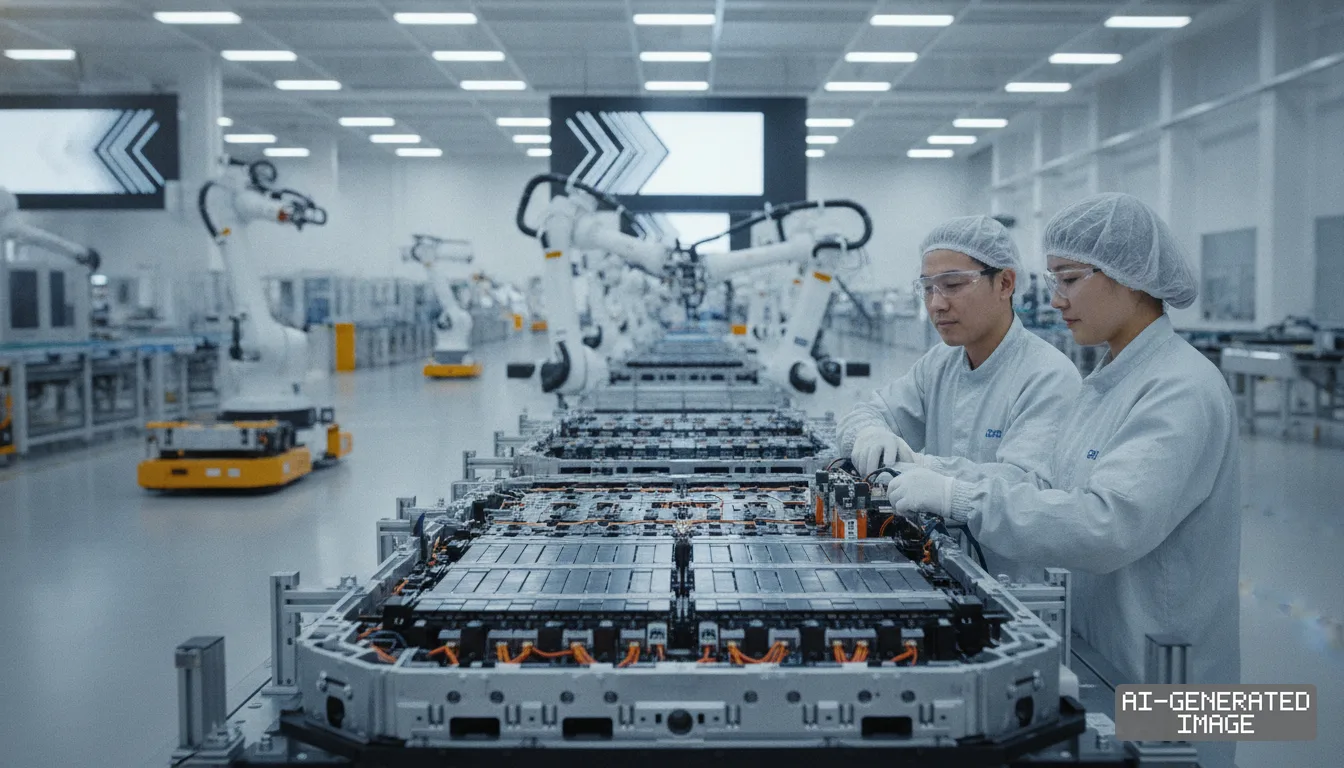
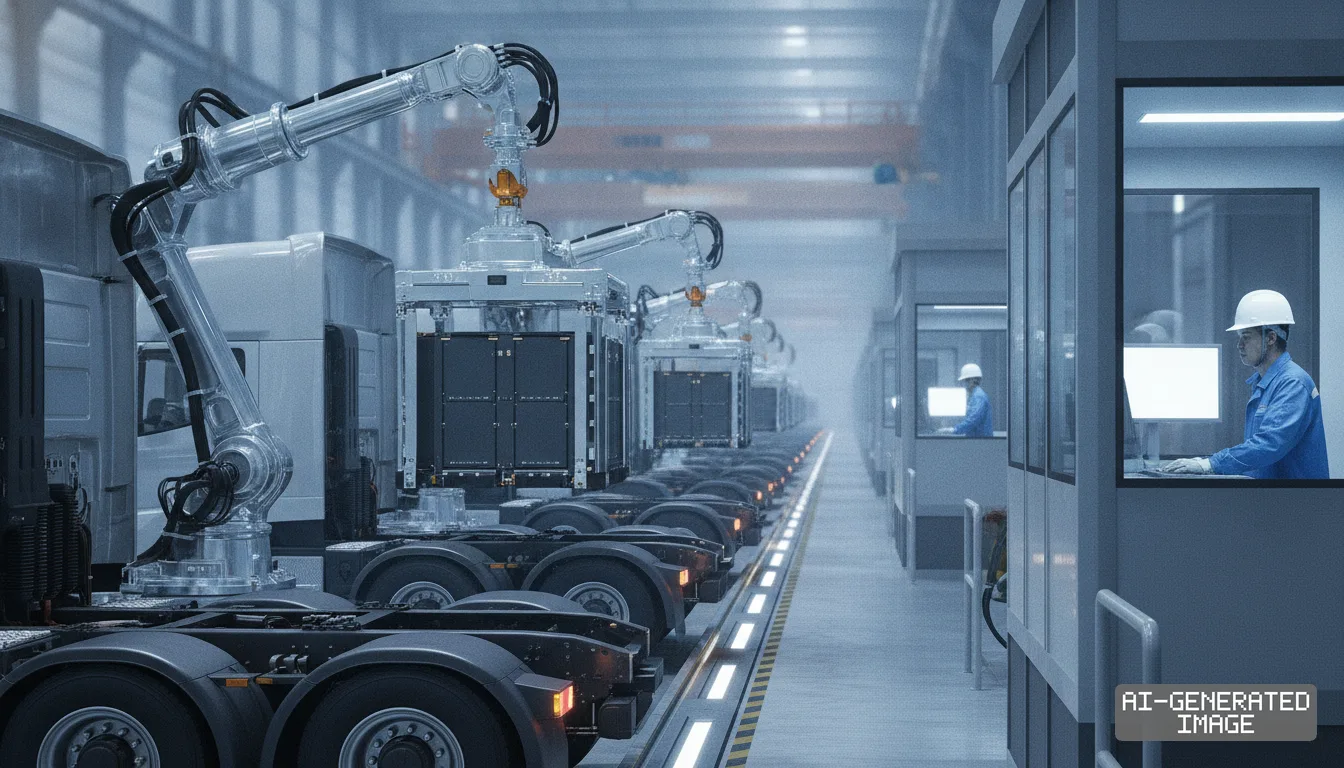
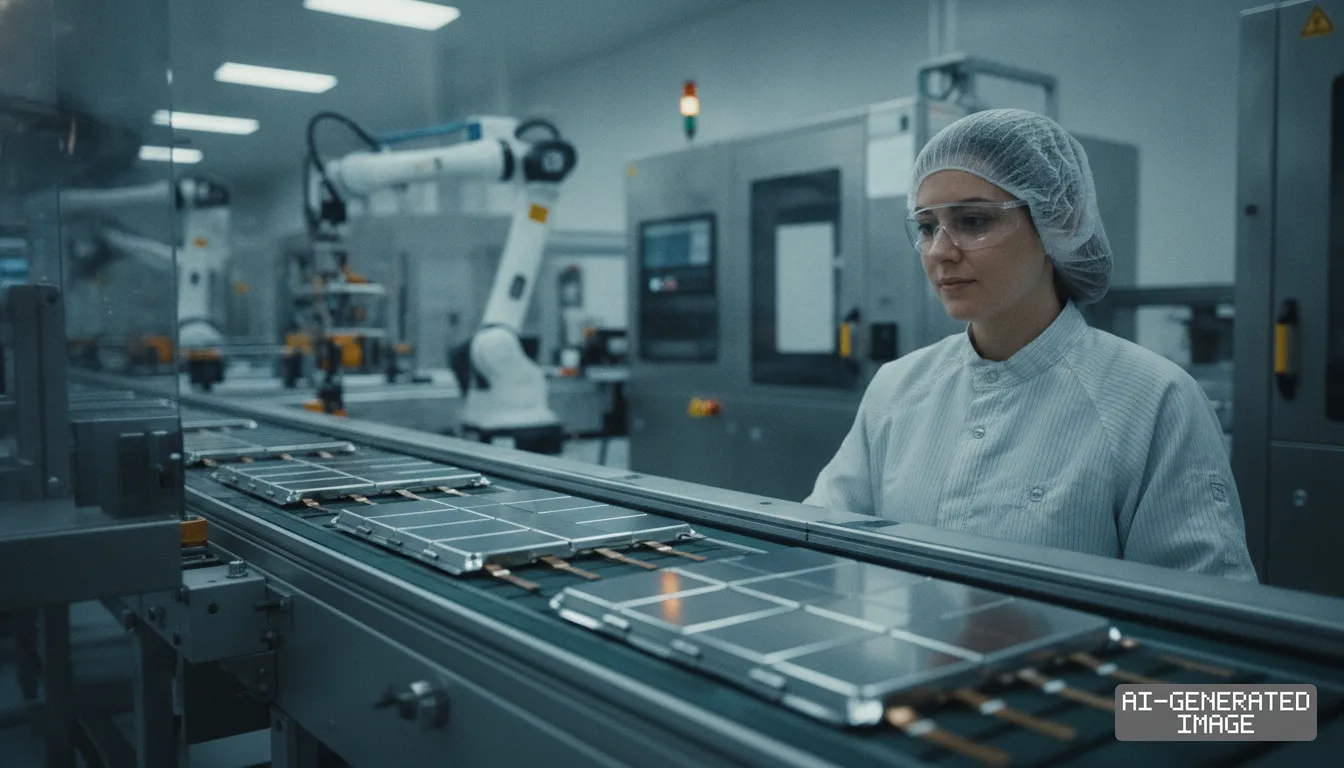
CATL widens Mexico grid battery sales as US trade rules bite
The battery maker is delivering over 2.6 gigawatt-hours of utility storage across Mexico and Argentina while Washington ramps up scrutiny on Chinese transshipment routes.
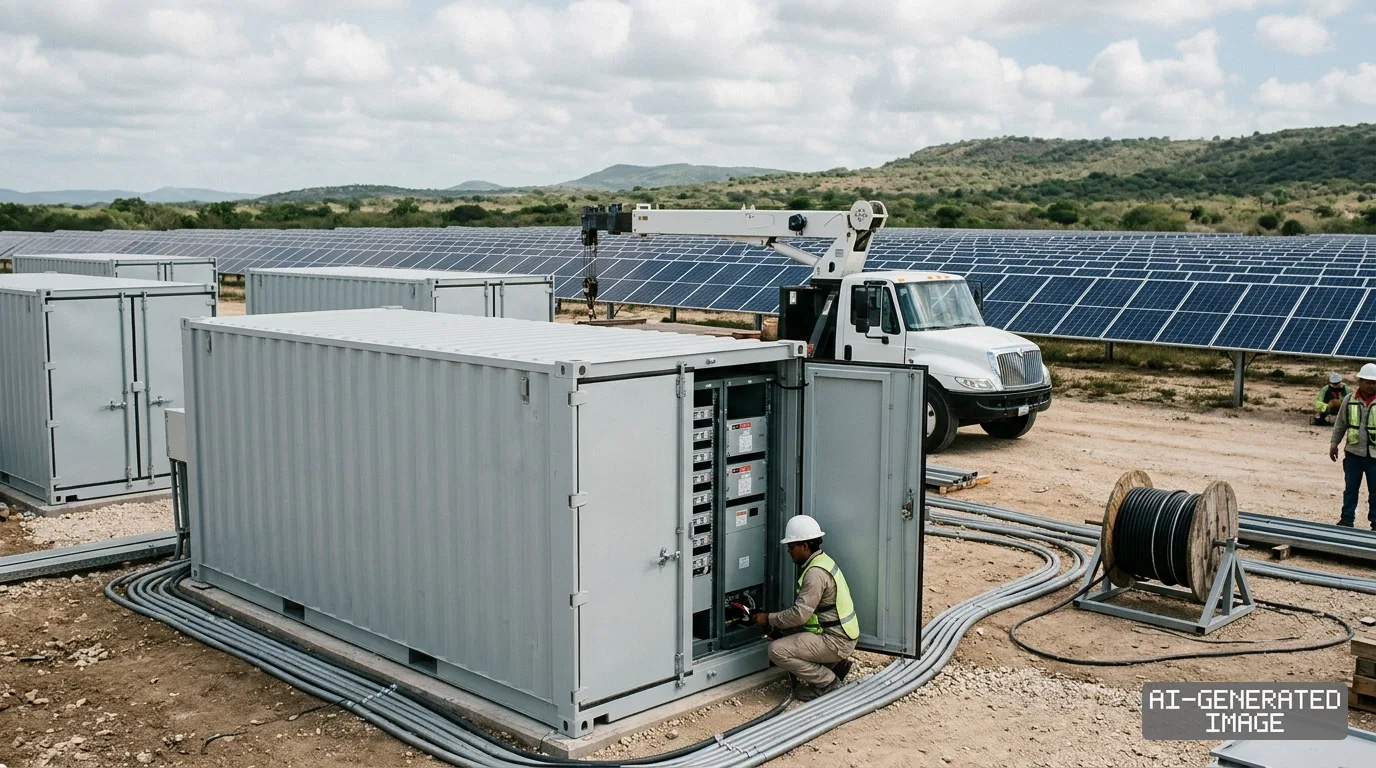
Contemporary Amperex Technology Co., Limited deepened its Latin American utility footprint on Nov. 3, 2026, advancing grid-scale storage deployments across Mexico and Argentina as North American trade scrutiny increased.
The Chinese battery maker signed an agreement to deliver 1,639.45 megawatt-hours of battery energy storage to Copenhagen Infrastructure Partners. The equipment will support the 313-megawatt La Alegría solar park in Campeche, Mexico.
That contract expands the Campeche storage capacity 5.2-fold over the 314.98 megawatt-hours originally cleared by Mexican environmental regulators. The system represents the first utility battery installation in Mexico exceeding one gigawatt-hour.
The Campeche complex covers 1,206.97 hectares in southeastern Mexico, according to municipal development filings. The layout integrates more than 1.1 million solar modules rated at 685 watts each.
CATL will provide 101 transformer substations and 202 power inverters to connect the battery blocks, project engineering documents show. Power will flow through a 34.5-to-400-kilovolt substation and a 2.85-kilometer transmission line.
Copenhagen Infrastructure Partners plans commercial operations for La Alegría in 2028. The Danish fund manager selected containerized lithium iron phosphate systems to manage grid instability across the Yucatán peninsula.
CATL also established a permanent commercial and technical office in Buenos Aires on Nov. 3, 2026. Company executives presented the South American expansion during an industry reception in the Argentine capital.
The Argentine office supports deliveries of 1,025 megawatt-hours of utility batteries to power producer Central Puerto. The equipment fulfills commitments under Argentina's AlmaGBA grid reliability tender.
Central Puerto will deploy 150 megawatts with 750 megawatt-hours of storage at its Nuevo Puerto station, company filings show. A second installation places 55 megawatts with 275 megawatt-hours at Central Costanera.
Both Argentine systems provide five hours of continuous discharge to meet peak electricity demand around Buenos Aires. Central Puerto is investing $130 million across the two battery installations.
Ray See, CATL president for the Americas, attended the Buenos Aires launch alongside Latin America general manager Harry Lau. Lucas Ponce was named head of the company's Argentine operational branch.
The Latin American contract wins reflect aggressive price competition from Chinese battery manufacturers. Factory-gate prices for Chinese lithium iron phosphate storage cells fell to approximately $55 per kilowatt-hour this year.
Western storage integrators using nickel-manganese-cobalt chemistries struggle to match Chinese battery costs in emerging power markets. Lithium iron phosphate cells offer longer cycle lives and lower thermal runaway risks in stationary installations.
Direct battery shipments from China into the United States face severe trade barriers, pushing Chinese suppliers toward Latin America. Washington imposes import duties of 58.4% on Chinese-made lithium-ion battery cells.
The United States also enforces Foreign Entity of Concern restrictions that bar Chinese-made battery hardware from federal clean energy subsidies. Those restrictions limit CATL to technology licensing arrangements within American borders.
Ford Motor Co. relies on a licensing model with CATL to build a lithium iron phosphate battery plant in Michigan. Ford owns the physical factory while CATL receives licensing and service royalties.
Trade policy reviews in Washington have increased pressure on Mexican supply routes. A White House report published in August 2026 identified Mexico among major trading partners vulnerable to Chinese transshipment activities.
The White House report estimated that rerouted shipments through intermediary nations cost the United States up to $26 billion annually. United States Customs and Border Protection introduced automated origin tracing to identify imported Chinese inputs.
Mexico's domestic electricity market requires large energy storage additions to support manufacturing plants relocating from Asia. Latin American Energy Organization data showed Mexico had only 192 megawatts of operational battery storage in August 2026.
State utility Comisión Federal de Electricidad plans to install 2,216 megawatts of utility battery systems by 2030, according to national development plans. Rising industrial consumption in northern and central states drives the expansion.
Mexico's Ministry of Energy extended the application deadline for 935 megawatts of standalone storage projects to March 1, 2027. Energy Minister Luz Elena González Escobar signed the decree in the Official Gazette on Oct. 29.
The ministry tender covers standalone storage systems requiring at least three hours of discharge, totaling 2,805 megawatt-hours. The extension allows private developers additional time to coordinate interconnection studies with state grid operators.
Regulatory records do not confirm a separate 1,025-megawatt-hour solar battery contract in Mexico on Nov. 3, 2026. Industry reporting conflated the Central Puerto Argentine delivery with Mexican grid announcements, market records show.
Central Puerto expects its Buenos Aires storage units to enter commercial operation between mid-December 2026 and early 2027. Copenhagen Infrastructure Partners will advance civil engineering works at Campeche through the first half of 2027.
Mexico's Secretariat of Environment and Natural Resources continues administrative reviews for secondary electrical permits at the La Alegría site, according to federal registry notices in Mexico City.
Impact map
How this development propagates across the region and out to global buyers.
| Event | Korea | China | Japan | Global impact |
|---|---|---|---|---|
| Latin American grid battery expansion | LG Energy Solution and Samsung SDI face margin squeeze against low-cost Chinese LFP cells in Latin America | CATL captures 2.66 GWh of utility storage contracts, expanding revenue outside the tariff-hit US market | Panasonic remains focused on US automotive supply, yielding Latin American stationary grid tenders to Chinese rivals | Utility battery balance-of-plant costs decline as 4-hour and 5-hour LFP containerized systems reach gigawatt-hour scale |
| Latin American grid battery expansion | LG Energy Solution and Samsung SDI face margin squeeze against low-cost Chinese LFP cells in Latin America | CATL captures 2.66 GWh of utility storage contracts, expanding revenue outside the tariff-hit US market | Panasonic remains focused on US automotive supply, yielding Latin American stationary grid tenders to Chinese rivals | Utility battery balance-of-plant costs decline as 4-hour and 5-hour LFP containerized systems reach gigawatt-hour scale |
In this story
- Companies
- Contemporary Amperex TechnologyCopenhagen Infrastructure PartnersCentral Puerto
- Tickers
- 300750.SZCEPU
- Exposed
- Ford Motor Co.Comision Federal de Electricidad
- Policy
- TariffsLocal Content Rules
- Impact
- Supply ChainOrder BookPricing
Track every Tariffs development → Track every Local Content Rules development →
Related briefings
- CATL signs 1.64 GWh battery storage deal for Mexican grid Also on Comisión Federal de Electricidad, Copenhagen Infrastructure Partners, Tariffs
- SK On signs 18 GWh US battery storage pact with NeoVolta Also on Ford Motor Co., Tariffs, Order Book
- HD Hyundai Heavy Industries secures offshore substation deal in Taean Also on Copenhagen Infrastructure Partners, Order Book
- SK On Cuts Jobs at Stanton, Tennessee Battery Plant Amid Slower EV Demand Also on Ford Motor Co.
Sources
Reporting
Confidence: medium — how we grade this
The documents behind this briefing are linked above. East Asia Brief produces its English text with AI assistance under human editorial review, and does not translate or republish other outlets' articles. See our methodology and AI policy. Spotted an error? Tell us.
The Morning Brief
What changed in Korean, Chinese and Japanese industry overnight — and what it means for your supply chain. One email, weekday mornings, US time. Free.
The Morning Brief is in preparation. Leave your address and we will write to you once — when the first issue is ready. Nothing before that.