Samsung SDI begins US LFP battery output at Indiana plant
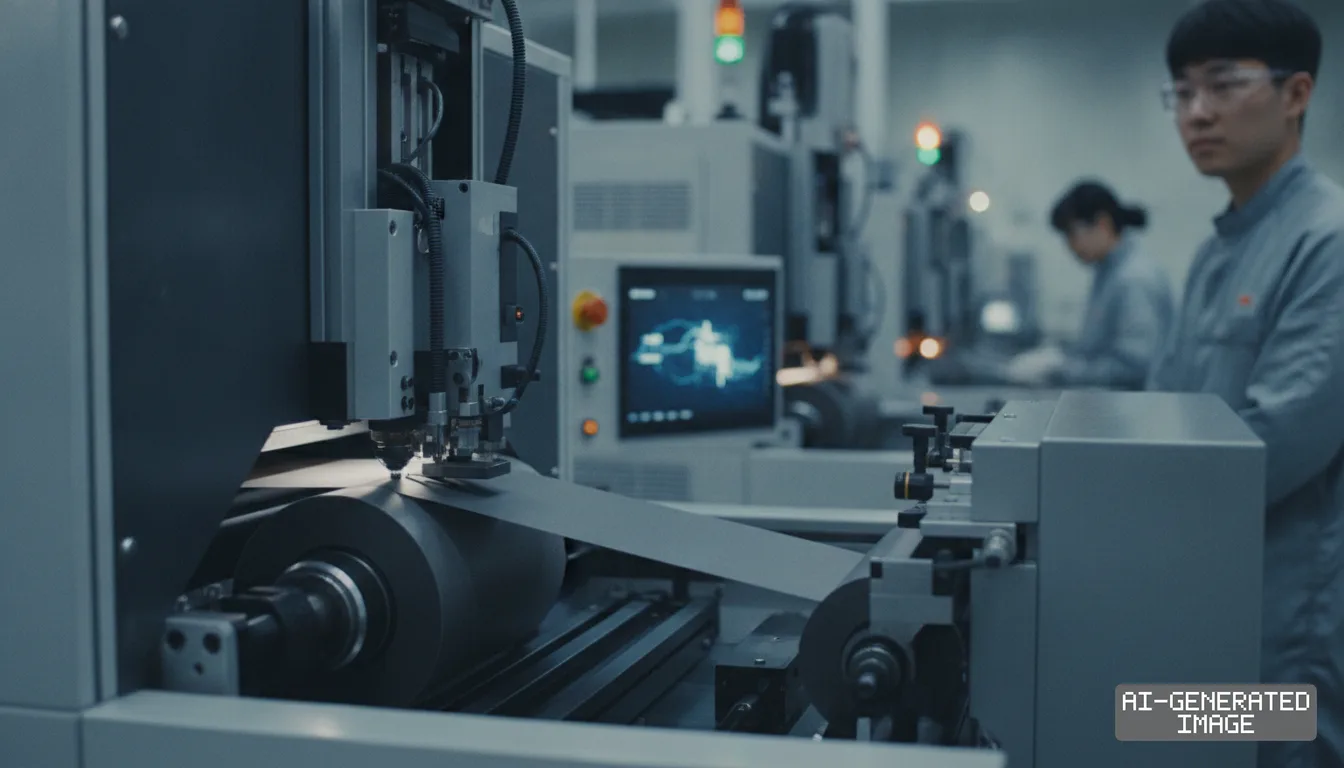
The Korean manufacturer repurposed three lines at its Kokomo joint venture to supply utility energy storage systems, qualifying for federal manufacturing subsidies.
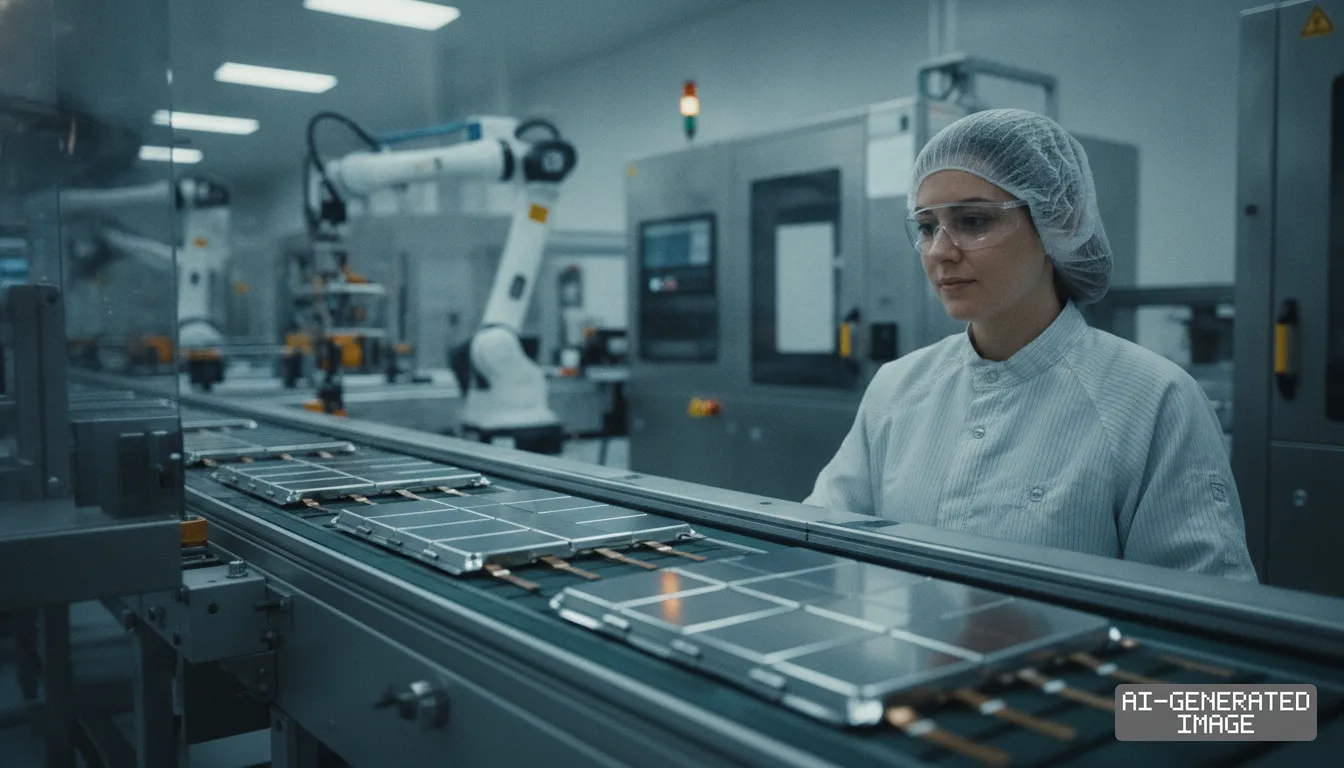
Samsung SDI expanded commercial deliveries of lithium iron phosphate battery cells from its $6.3 billion StarPlus Energy joint venture in Kokomo, Indiana, on Nov. 3, 2026, accelerating its pivot toward energy storage systems.
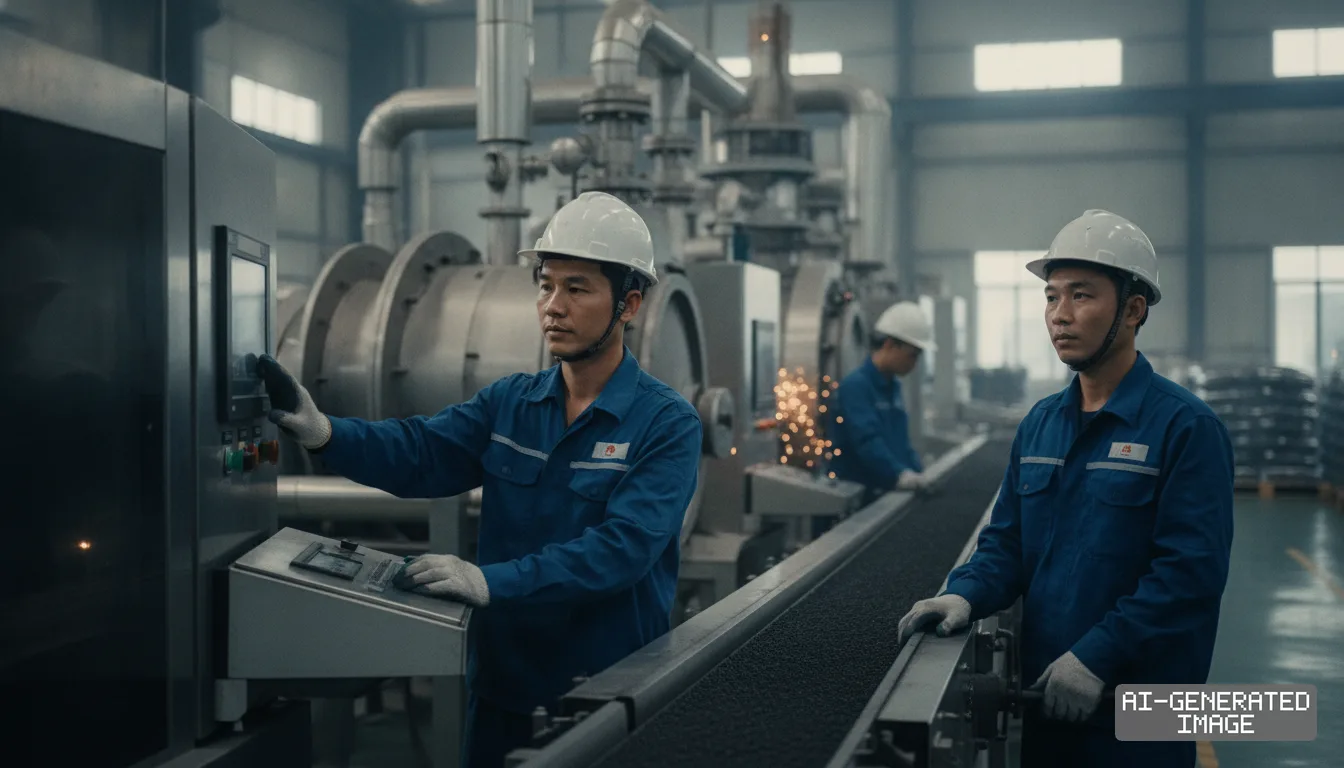
The Indiana site houses the manufacturer's first American cell lines for lithium iron phosphate — a lower-cost battery chemistry using iron instead of nickel and cobalt. The first plant provides 33 gigawatt-hours of planned annual capacity.
The facility forms half of a planned 67 gigawatt-hour manufacturing complex developed alongside automaker Stellantis N.V. The total site represents more than $6.3 billion in pledged capital investment across two manufacturing phases.
Commercial manufacturing of the prismatic cells began during October 2026. Initial cell shipments left the facility in mid-October, advancing customer integration ahead of full-scale system deliveries scheduled for December.
The factory packages the prismatic units into the Samsung Battery Box 2.0, a containerized storage module tailored for utility electrical grids. Grid developers deploy such containers to store surplus renewable power.
Samsung SDI detailed the commercial milestone during its third-quarter earnings call on Oct. 29, 2026. The company reported cumulative energy storage system orders exceeding 60 gigawatt-hours through October.
The operating lines in Indiana will fulfill long-term supply agreements signed with American infrastructure developers, Cho Yong-hwi, Executive Vice President and Head of the Energy Storage System Business Team, said during the call.
The battery division logged 4.41 trillion won ($3.29 billion) in revenue for the third quarter of 2026. Operating profit for the battery unit reached 361.9 billion won ($270 million).
Samsung SDI originally built the Kokomo complex to supply electric vehicles. A sharp slowdown in North American electric car sales prompted the company to reallocate three of its four production lines to grid storage batteries.
One line at the plant produces nickel-cobalt-aluminum cells for storage applications at an annual scale of seven gigawatt-hours. The two newly modified lines produce lithium iron phosphate cells.
The initial output focuses on 200 ampere-hour cells for utility enclosures. The joint venture plans to add a 300 ampere-hour cell assembly line by the second quarter of 2027.
South Korean automation supplier Philenergy Co. confirmed the site conversion in regulatory filings on Oct. 21, 2026. Philenergy booked an 86.1 billion won ($64.3 million) contract for cell assembly machinery through April 2027.
Equipment maker MOT Co. disclosed a separate 10.13 billion won ($7.56 million) packaging equipment order on Oct. 21, 2026. The contract covers automated module assembly at the Indiana site through April 2027.
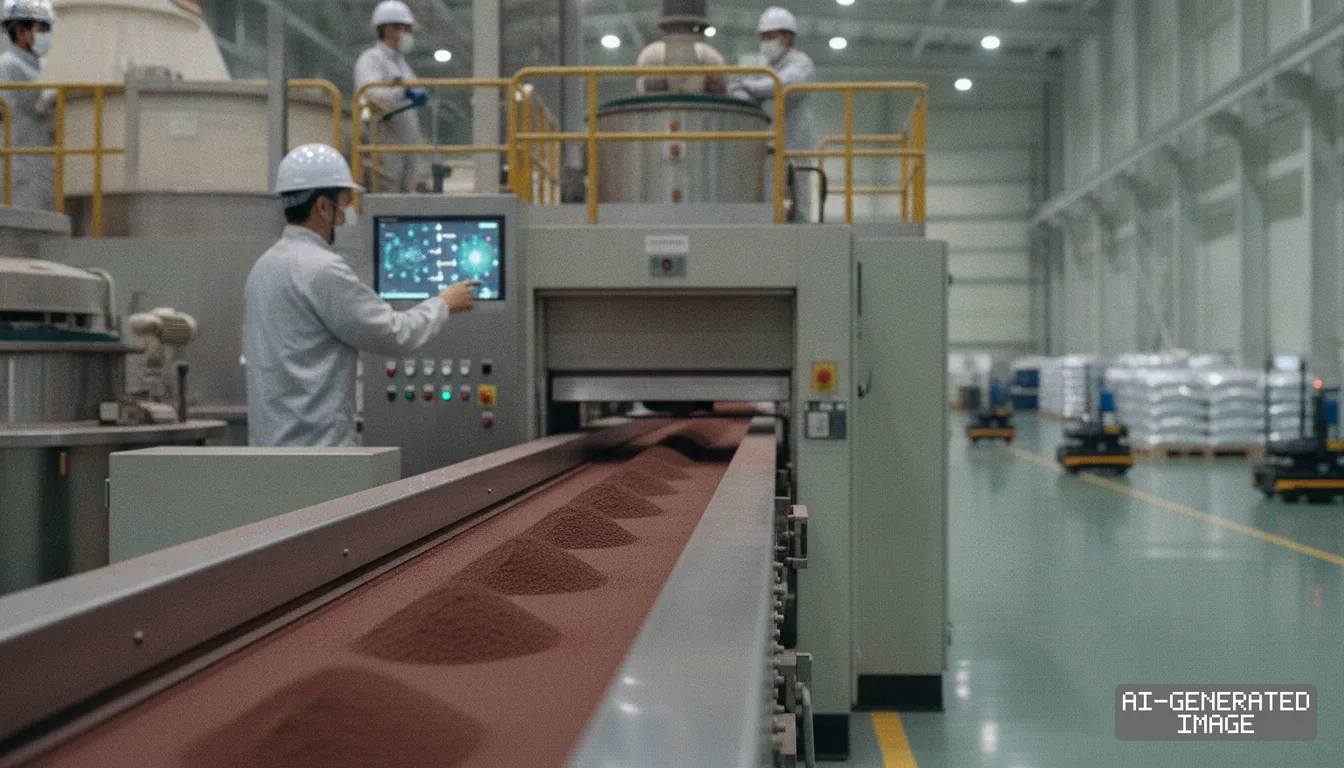
Upstream material sourcing relies on South Korean cathode manufacturer L&F Co. The supplier signed a 1.6 trillion won ($1.2 billion) supply contract on March 24, 2026, to deliver iron phosphate cathode materials over three years.
The Kokomo plant supports a 1.5 trillion won ($1.12 billion) storage battery agreement signed in March 2026 with a United States power developer. The site will also supply dedicated storage lines for Tesla Inc.
Partner Stellantis took 22 billion euros ($26.2 billion) in global asset write-downs in early 2026, prompting the carmaker to review capital commitments. The automotive group explored selling its equity stake in the StarPlus venture.
Automakers across North America have stepped back from dedicated battery partnerships after federal consumer purchase subsidies lapsed in late 2025. Stellantis previously ceded its 49% equity interest in a Canadian plant to LG Energy Solution.
Chinese manufacturers such as Contemporary Amperex Technology Co. Limited and BYD Company control roughly 85% of worldwide lithium iron phosphate battery processing. United States grid developers have relied heavily on Chinese cell imports.
United States import tariffs on Chinese energy storage cells rise to 25% under Section 301 trade actions. The tariff escalation compels utility developers to secure domestic alternatives to protect project operating margins.
Manufacturing in Indiana allows Samsung SDI to qualify for Section 45X production tax credits under the United States Inflation Reduction Act. The credit provides up to $35 per kilowatt-hour for locally manufactured cells.
Shipments of fully packaged container systems from the Kokomo plant will begin in December 2026. The joint venture plans to complete equipment installation for higher-capacity 300 ampere-hour lines by early 2027.
Samsung SDI has not published the specific day in October when the first cell was completed, and the company has not confirmed whether Stellantis has found an outside buyer for its joint venture stake.
Impact map
How this development propagates across the region and out to global buyers.
| Event | Korea | China | Japan | Global impact |
|---|---|---|---|---|
| StarPlus Energy LFP commercial output | Samsung SDI shifts 33 GWh capacity toward storage to capture 60 GWh in US utility backlog | CATL and BYD face 25% Section 301 tariffs, ceding US utility market share | Panasonic remains concentrated on high-nickel EV cells, lacking domestic US LFP storage lines | US utility storage developers secure IRA Section 45X-compliant domestic cell capacity |
In this story
- Companies
- Samsung SDIStellantis
- Tickers
- 006400.KSSTLAM.MI
- Exposed
- PhilenergyTesla
- Policy
- SubsidiesTariffs
- Impact
- Supply ChainCapexOrder Book
Track every Subsidies development → Track every Tariffs development →
Related briefings
- MOT secures $7.6M Samsung SDI order for US LFP battery plant Also on Philenergy, Stellantis, Samsung SDI
- Korean battery equipment makers deploy vision robots to cut cell stacking time Also on PhilEnergy, Samsung SDI, Subsidies
- Philenergy wins $62M battery tool order for US storage site Also on Philenergy, Samsung SDI, Order Book
- Innometry sweeps Samsung SDI US ESS battery inspection orders Also on Stellantis, Tesla, Samsung SDI
Sources
Primary documents
Reporting
Confidence: high — how we grade this
The documents behind this briefing are linked above. East Asia Brief produces its English text with AI assistance under human editorial review, and does not translate or republish other outlets' articles. See our methodology and AI policy. Spotted an error? Tell us.
The Morning Brief
What changed in Korean, Chinese and Japanese industry overnight — and what it means for your supply chain. One email, weekday mornings, US time. Free.
The Morning Brief is in preparation. Leave your address and we will write to you once — when the first issue is ready. Nothing before that.