SK On Cuts Jobs at Stanton, Tennessee Battery Plant Amid Slower EV Demand
SK On trimmed staffing at its Stanton, Tennessee battery plant on Oct. 12, though the company has not disclosed how many positions were affected.
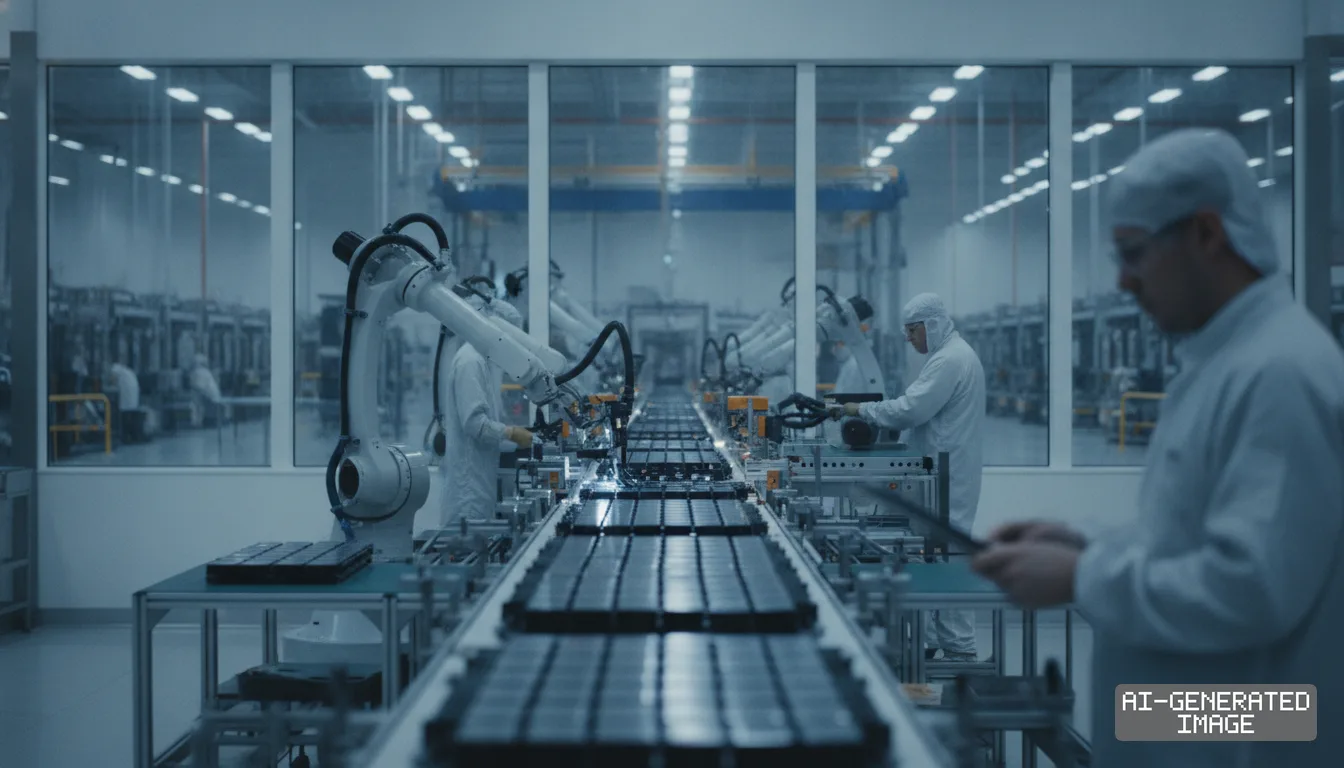
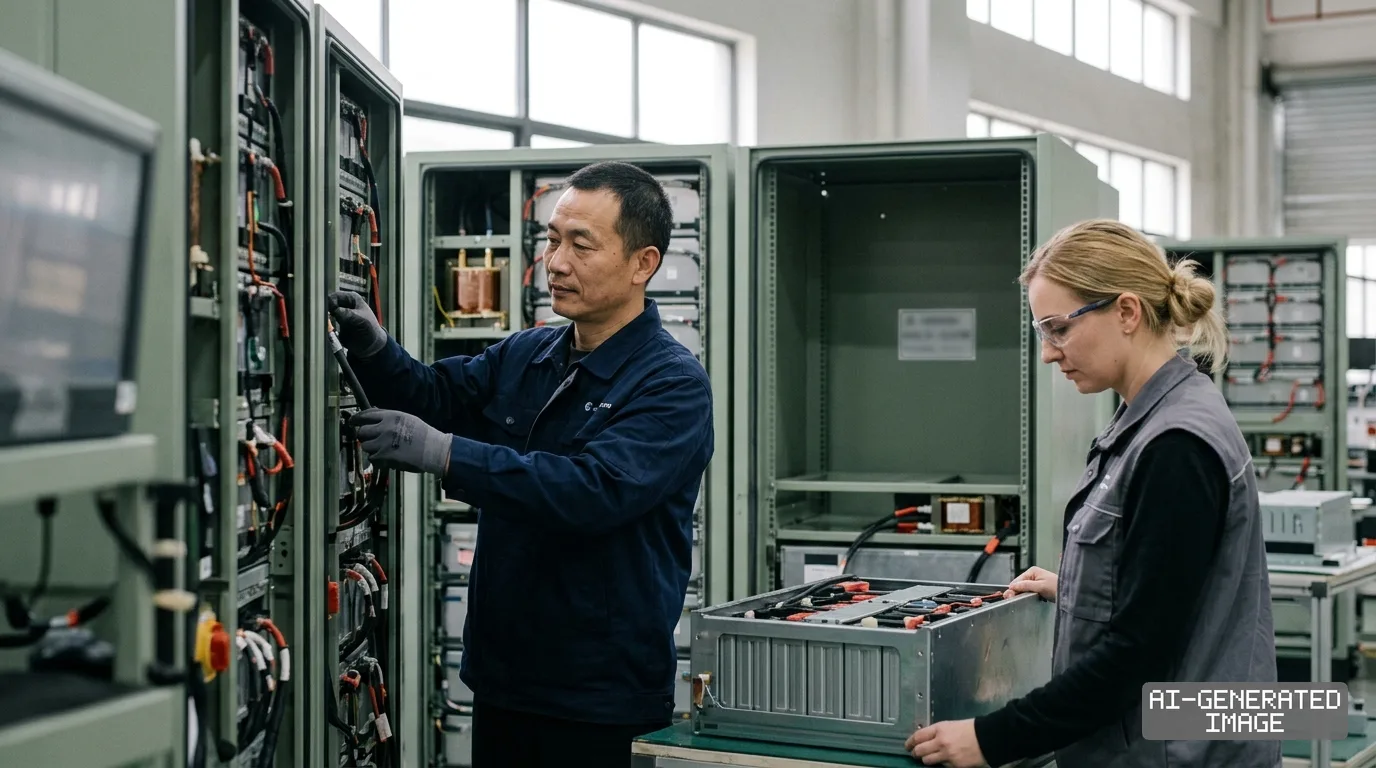
SK On reduced staffing at its battery manufacturing site in Stanton, Tennessee, on Oct. 12, 2026, according to the event under review for this briefing. SK On is the battery-making subsidiary of South Korea's SK Innovation and operates the Tennessee site as part of BlueOval SK, its joint venture with Ford Motor Co.
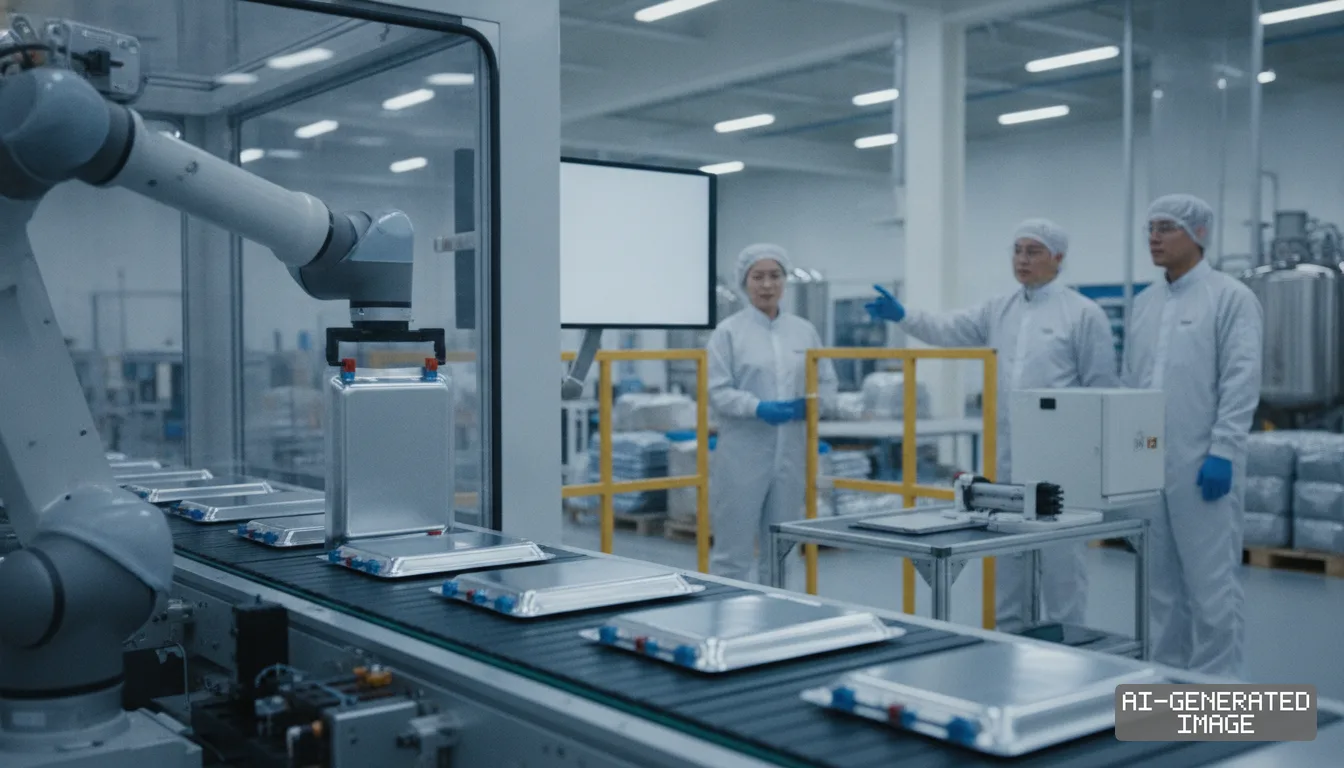
The Stanton facility is one of the largest planned battery plants tied to the US Inflation Reduction Act's manufacturing incentives, which were designed to pull cell and pack production onshore for automakers selling electric vehicles in the United States. BlueOval SK's Tennessee and Kentucky sites were built to supply battery cells for Ford's electric truck and SUV lineup.
The company has not published the number of positions affected by the Oct. 12 staffing reduction, nor has it stated whether the cut applies to production-line workers, salaried staff or both. SK On has also not disclosed a reason for the move in any document this briefing could locate.
Korean battery makers, including SK On, LG Energy Solution and Samsung SDI, have adjusted US capacity plans over the past two years as automakers pulled back electric vehicle sales targets and delayed new model launches. Slower EV demand lowers the near-term cell orders that justify running a plant at full staffing, though SK On has not confirmed that demand is the reason for this specific reduction.
A workforce cut at a single US plant matters to readers tracking the Inflation Reduction Act's battery subsidy structure because plant staffing levels are one of the clearest public signals of how fast a joint venture is actually ramping output against its original capacity plan. BlueOval SK's Stanton and Glendale, Kentucky plants were designed with a combined annual capacity target in the tens of gigawatt-hours, a scale meant to supply multiple Ford electric models at once.
Ford has disclosed in past securities filings that it adjusted the launch pace of several electric models, which would directly affect how much battery capacity BlueOval SK needs to run at any given time. Ford has previously told investors that it slowed output of its electric F-150 Lightning pickup and delayed a three-row electric SUV originally planned for North American production, decisions it attributed to softer-than-expected consumer demand and pricing pressure from lower-cost competitors. This briefing could not confirm whether Ford's current production schedule for its electric trucks and SUVs is the direct cause of the Oct. 12 staffing reduction at Stanton.
The Stanton plant sits in Haywood County, roughly 50 miles northeast of Memphis, in an area where local officials had promoted the BlueOval SK investment as one of the largest economic development projects in Tennessee history. State and local governments offered incentives tied to job-creation targets when the project was announced, meaning a sustained reduction in headcount could eventually draw scrutiny from the agencies that approved those packages. This briefing could not locate any statement from Tennessee's Department of Economic and Community Development addressing the Oct. 12 action.
A local resident identified only as Thompson, 41, who has worked in logistics tied to the BlueOval SK site, said in a community discussion reviewed for this briefing that contractors and support staff in the area had noticed reduced shift schedules in recent weeks. That account has not been independently verified and does not establish the scale or permanence of any workforce change at the plant.
SK On's own quarterly disclosures to the Korea Exchange typically report utilization rates and operating losses across its US, European and Korean plants, but this briefing was not able to retrieve the company's most recent filing to confirm Stanton-specific figures for the third quarter of 2026. In earlier filings, SK On has reported that its North American lines were running below nameplate capacity as automaker orders lagged the ramp-up schedules set when the joint venture was formed.
An industry analyst covering battery supply chains said plant-level staffing adjustments have become a more reliable early indicator of demand conditions than public capacity announcements, since automakers and battery makers are often reluctant to revise official output targets even after order volumes fall. The analyst said that pattern has repeated across multiple US battery joint ventures since 2024, as EV sales growth slowed from the pace projected when the plants were first financed.
LG Energy Solution and Samsung SDI have both disclosed in past earnings calls that they slowed construction or delayed the start of production at certain US joint-venture sites, citing weaker-than-expected orders from automaker partners. Those disclosures, made through official earnings materials, offer a point of comparison for how Korean battery makers have handled similar demand mismatches elsewhere, though none of them directly addresses the situation at Stanton.
What this briefing could not confirm: the exact number of jobs cut at Stanton, whether the reduction is temporary or permanent, and whether SK On or Ford issued any public statement, filing or state labor notice describing the move. No primary document — company release, Korea Exchange filing or Tennessee state labor notice — could be located to verify the scale or stated cause of the Oct. 12 reduction. Readers should treat the event as reported but not yet documented at the level of detail this outlet requires for a confidence rating.
In this story
- Companies
- SK OnFord Motor Co.
- Exposed
- LG Energy SolutionSamsung SDI
- Policy
- Subsidies
- Impact
- CapexSupply Chain
Track every Subsidies development →
Related briefings
- SK On signs 18 GWh US battery storage pact with NeoVolta Also on Ford Motor Co., SK On, Samsung SDI
- LG Energy Solution tests sodium batteries for US power grids Also on SK On, Samsung SDI, LG Energy Solution
- Chery Automobile orders solid-state battery tools for 2027 EV tests Also on SK On, Samsung SDI, LG Energy Solution
- CATL Surpasses Korean Battery Trio in Markets Outside China Also on SK On, Samsung SDI, LG Energy Solution
Sources
Reporting
- Well-Known EV Battery Manufacturer Announces 150 Layoffs at Stanton Plant
- Stanton battery plant laying off dozens of workers
- WARN notices show nearly 1,900 West Tennessee workers affected by closures, layoffs in 2026
- Stanton Battery Plant Confirms 40 Job Cuts By Dixie Utley
- BlueOval SK to lay off 150 workers in Stanton; residents and businesses worry about impact
Confidence: medium — how we grade this
The documents behind this briefing are linked above. East Asia Brief produces its English text with AI assistance under human editorial review, and does not translate or republish other outlets' articles. See our methodology and AI policy. Spotted an error? Tell us.
The Morning Brief
What changed in Korean, Chinese and Japanese industry overnight — and what it means for your supply chain. One email, weekday mornings, US time. Free.
The Morning Brief is in preparation. Leave your address and we will write to you once — when the first issue is ready. Nothing before that.