CATL signs 1.64 GWh battery storage deal for Mexican grid
The contract equips the La Alegría solar project with Chinese LFP containers, expanding site storage capacity more than fivefold as trade barriers restrict US sales.
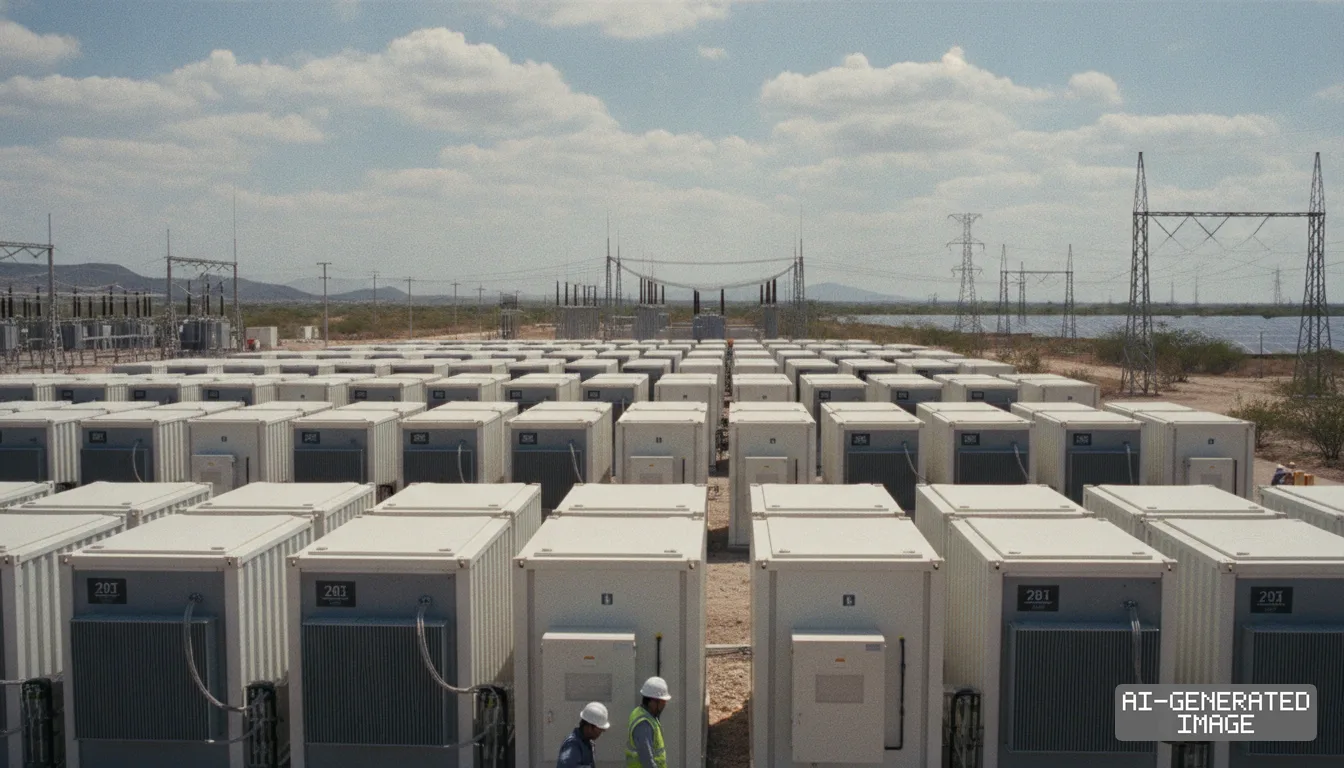
Contemporary Amperex Technology Co., Limited agreed on Sept. 30, 2026, to supply a 313-megawatt, 1.64-gigawatt-hour battery storage system to Copenhagen Infrastructure Partners for a solar project in Mexico.
The order will supply the La Alegría Solar project in the southeastern state of Campeche. The installation is Mexico's first battery energy storage system (BESS) exceeding one gigawatt-hour and the largest battery project in the country.
The supply agreement expands the project's battery storage capacity to 1,639.45 megawatt-hours. That figure is roughly 5.2 times the 314.98 megawatt-hours approved in March by Mexico's Secretariat of Environment and Natural Resources.
The battery system delivers 5.24 hours of discharge duration — the length of time a battery can run at maximum output. Rated power capacity also climbed from 177.69 megawatts in early filings to 313 megawatts.
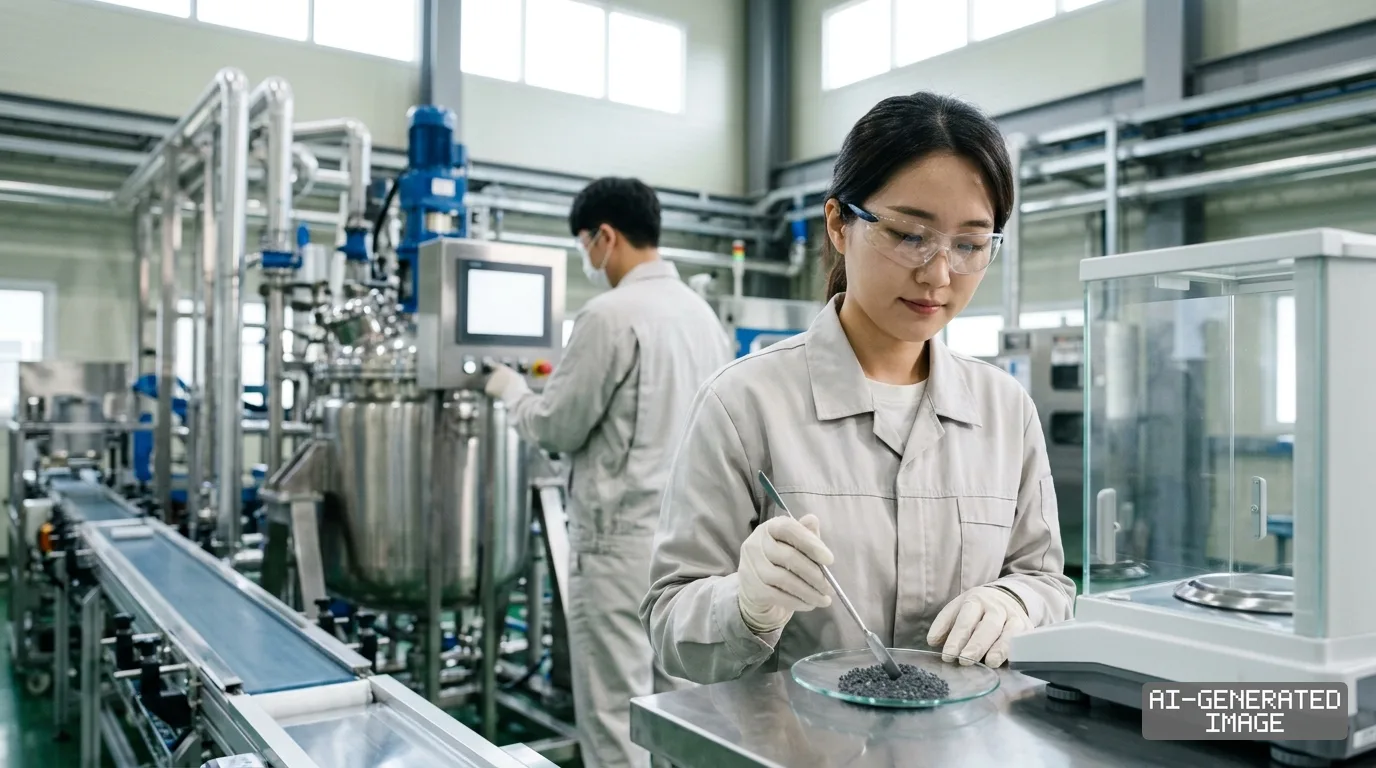
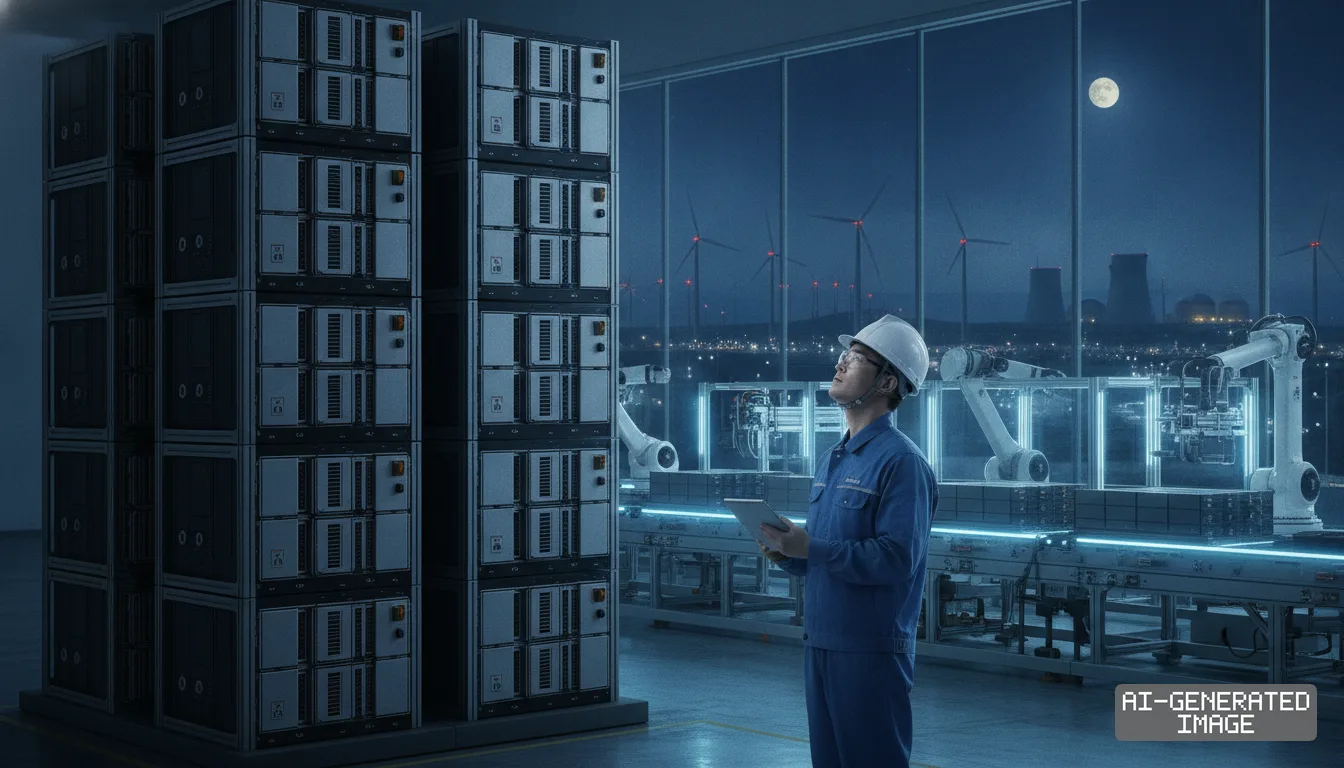
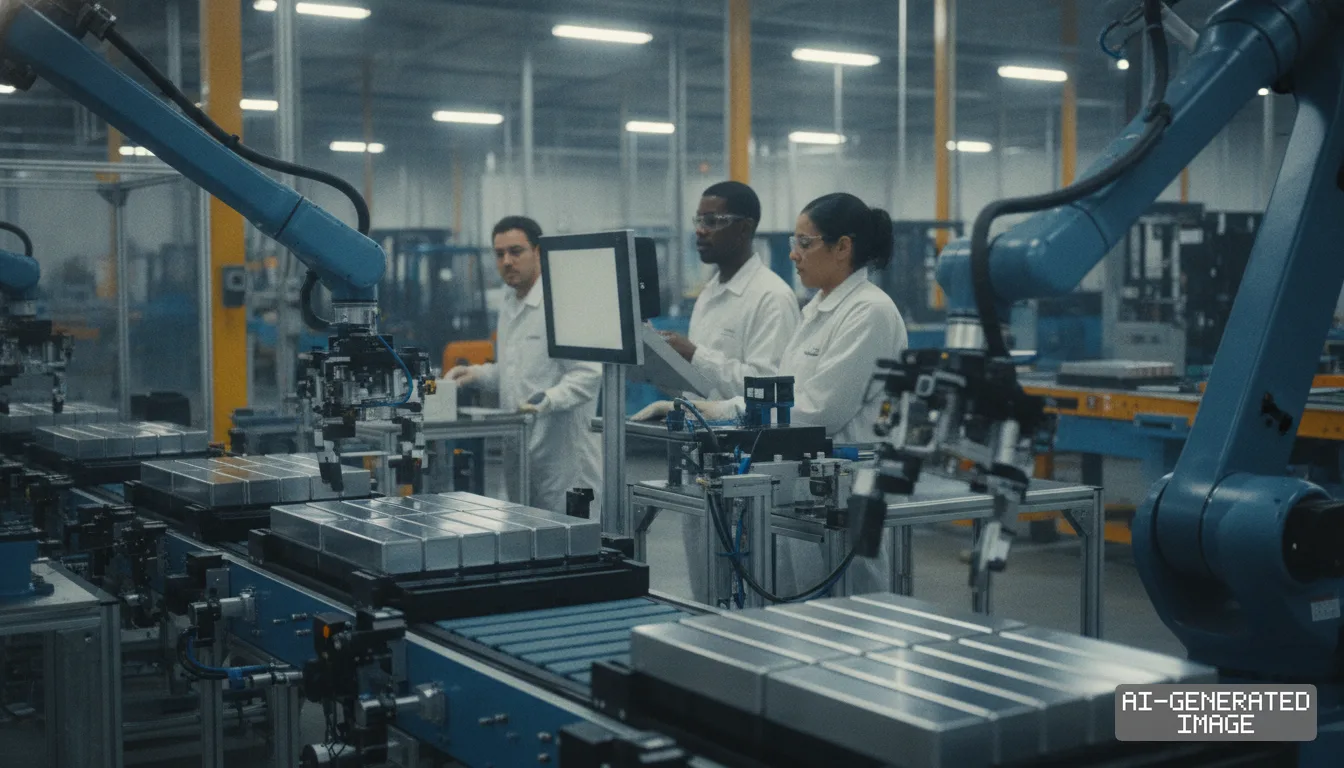
CATL will deliver units from its TENER utility storage platform. The system uses lithium iron phosphate (LFP) chemistry housed in 20-foot shipping containers, with each container carrying 6.25 megawatt-hours of capacity.
The battery maker claims the platform operates without power or capacity degradation during its first five years. The design raises energy density per land area by 30% and trims the footprint by 20% compared with older units.
To support Mexican operations, CATL runs five technical service centers across Mexico City, Monterrey and Guadalajara. The hubs handle field engineering, replacement parts and emergency maintenance for industrial grid clients.
Copenhagen Infrastructure Partners, a Danish fund manager, is building La Alegría through Sunstone Power 2, a local operating unit. The solar farm spans 1,207 hectares with a peak generation capacity of 788.7 megawatts.
The solar site will tie into the national grid via a 400-kilovolt transmission line stretching 2.85 kilometers. The facility contains 1.15 million photovoltaic panels, 202 inverters and 101 step-up transformer stations.
La Alegría forms half of a twin solar complex in Campeche alongside the companion La Esperanza Solar project. Combined capital expenditure for the two Yucatán Peninsula installations will reach up to $2 billion.
The investment draws capital from CIP's $3 billion Growth Markets Fund II, which backs renewable power in developing economies. CIP secured $510 million in debt financing for La Esperanza in August.
Five commercial lenders provided the debt package: BNP Paribas, JPMorgan Chase Bank, Natixis CIB, Santander and Scotiabank. Mexican pension fund administrator Profuturo agreed to commit equity capital to the project portfolio.
Both Campeche projects hold long-term power purchase agreements with CFE Calificados, the retail division of state utility Comisión Federal de Electricidad. The agreements provide guaranteed power offtake and price hedging.
Mexico's energy ministry granted fast-track permits to the projects in late 2025 after President Claudia Sheinbaum reopened power generation to private capital. The Yucatán Peninsula suffers chronic transmission congestion and peak shortages.
Adding utility-scale batteries allows project operators to fulfill a Mexican regulatory requirement directing clean generators to maintain 30% storage backing. The units store excess midday solar power for evening discharge.
For Chinese battery manufacturers, Latin American utility contracts provide volume as access to the United States narrows. Washington raised Section 301 tariffs on Chinese grid-scale batteries to 25%, forcing cell makers to reallocate export shipments.
CATL, which trades in Shenzhen under ticker 300750, holds roughly 40% of the world's energy storage battery shipments. Securing Mexico's flagship storage project extends that global lead over South Korean rivals LG Energy Solution and Samsung SDI.
South Korean cell makers focus their utility storage production on nickel-rich batteries and higher-cost North American manufacturing sites. Chinese LFP containers enter Latin American tenders at lower hardware prices per kilowatt-hour.
Commercial operations at the Campeche complex are scheduled to begin in June 2028. Construction of the photovoltaic lines began during the third quarter of 2026.
Neither CATL nor CIP has published a standalone regulatory filing disclosing the exact battery supply contract value or the final equipment delivery schedule.
Impact map
How this development propagates across the region and out to global buyers.
| Event | Korea | China | Japan | Global impact |
|---|---|---|---|---|
| Mexico utility BESS supply deal | LG Energy Solution and Samsung SDI face price pressure as Chinese LFP dominates Latin American grid tenders | CATL books a 1.64 GWh export order to offset US market tariff barriers | Japanese developers evaluate lower EPC costs from modular Chinese container storage | Utility-scale BESS pricing benchmarks absorb increased supply of 6.25 MWh container units |
In this story
- Companies
- Contemporary Amperex Technology Co. Limited
- Tickers
- 300750.SZ
- Exposed
- Copenhagen Infrastructure PartnersComisión Federal de Electricidad
- Policy
- Economic SecurityTariffs
- Impact
- Order BookSupply ChainCapex
Track every Economic Security development → Track every Tariffs development →
Related briefings
- CATL holds 314Ah storage cell prices steady at 0.423 yuan Also on Contemporary Amperex Technology Co. Limited, Tariffs
- Corvus Energy and BYD introduce Blue Whale marine LFP battery system Also on Contemporary Amperex Technology Co. Limited, Order Book
- CATL targets mid-2027 for first sodium-ion battery deliveries in Chile Also on Contemporary Amperex Technology Co. Limited
- CATL warns China EV price war triggers batch battery defects and safety hazards Also on Contemporary Amperex Technology Co. Limited
Sources
Reporting
Confidence: medium — how we grade this
The documents behind this briefing are linked above. East Asia Brief produces its English text with AI assistance under human editorial review, and does not translate or republish other outlets' articles. See our methodology and AI policy. Spotted an error? Tell us.
The Morning Brief
What changed in Korean, Chinese and Japanese industry overnight — and what it means for your supply chain. One email, weekday mornings, US time. Free.
The Morning Brief is in preparation. Leave your address and we will write to you once — when the first issue is ready. Nothing before that.