BYD Yangwang U9 electric supercar tops 503 km/h on Abu Dhabi highway
The four-motor track vehicle delivers 2,220 kW using a 1,200-volt silicon-carbide platform and a 30C lithium-iron-phosphate battery pack.
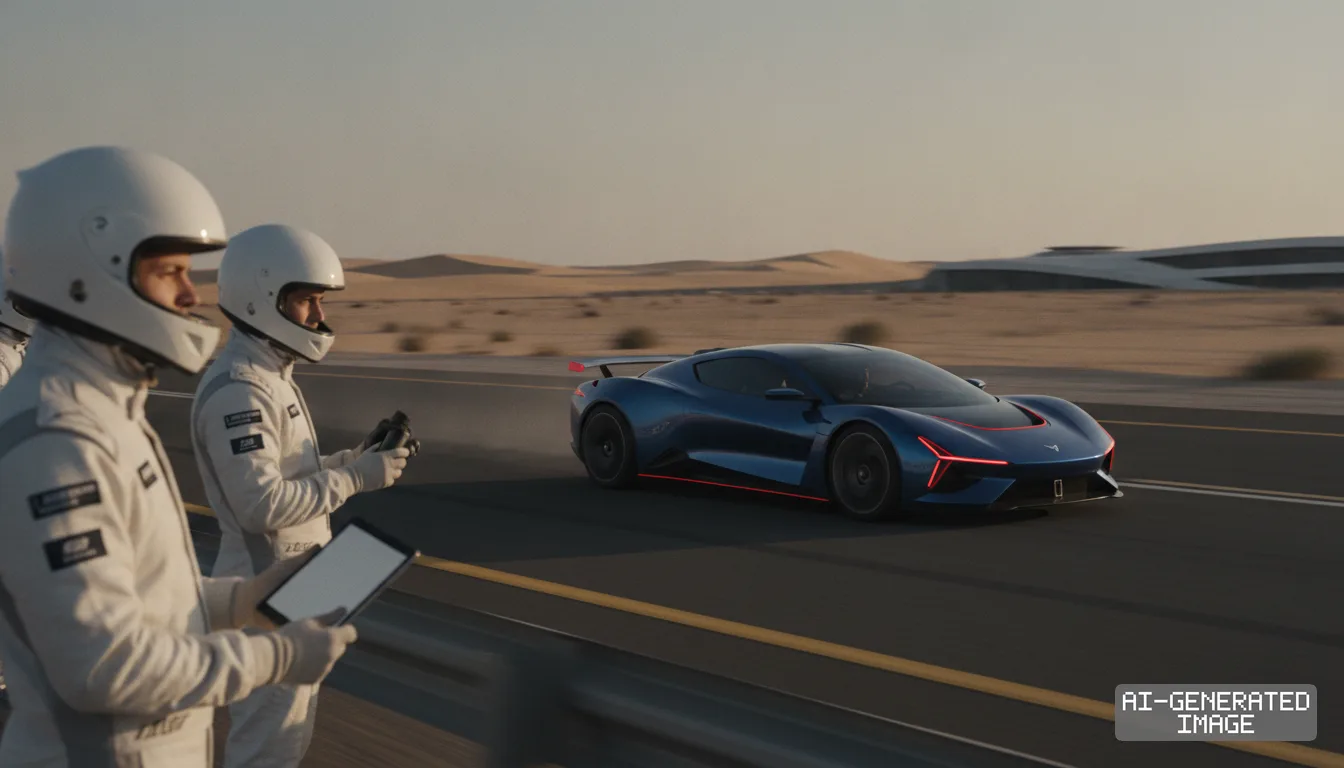
BYD announced Nov. 6, 2026, that its Yangwang U9 Xtreme electric hypercar reached 503.17 km/h on a closed highway in Abu Dhabi, becoming the first production vehicle to exceed 500 km/h.
The four-motor powertrain delivers 2,220 kW (3,019 horsepower), more than double the 960 kW generated by the standard model. That output propelled the car past its previous benchmark of 496.22 km/h set in Germany in Sept. 2025.
German racing driver Marc Basseng drove the vehicle on Nov. 1 along a closed 10-kilometer stretch of Sheikh Khalifa Bin Zayed International Road in the Al Dhafra region. The car crossed the seven-kilometer high-speed section in roughly 50 seconds.
The Federation Internationale de l'Automobile verified the one-way speed mark on the public highway, the automaker said. Guinness World Records concurrently certified four titles, covering the fastest production vehicle, the fastest electric production car and two tire categories.
The vehicle operates on an industry-first 1,200-volt silicon-carbide platform, which doubles the 600-volt electrical baseline typical of high-end sports models. The platform channels high electrical currents with lower transmission losses and reduced wiring mass across the structural carbon tub.
Four independent traction motors power the all-wheel-drive system under BYD's proprietary e-Platform architecture, the automaker said. Each motor generates 555 kW and spins at rotational speeds of up to 30,000 revolutions per minute.
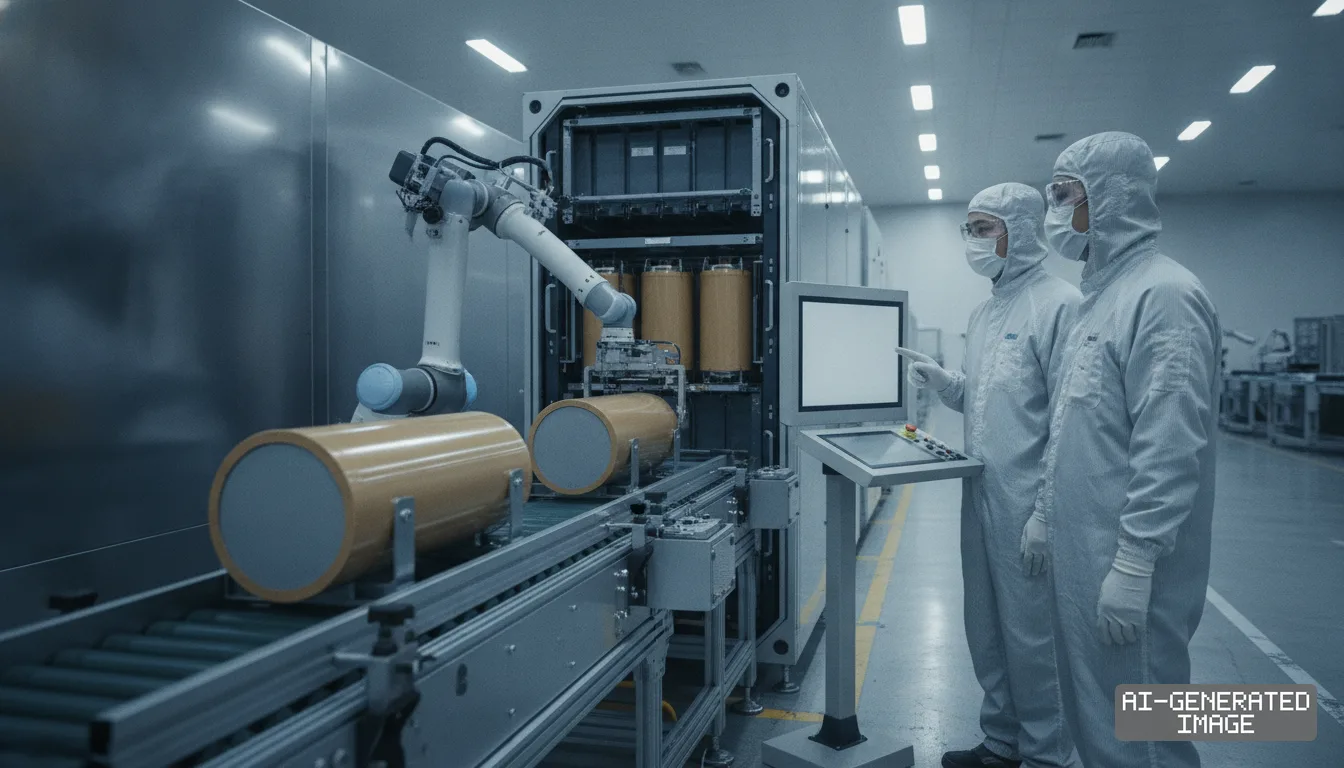
An 80-kilowatt-hour lithium-iron-phosphate Blade Battery supplies electrical energy to the quad-motor array during acceleration runs, the company said. The specialized pack provides a 30C discharge rate, allowing the cells to release 30 times their rated capacity in continuous output.
Engineers installed a redesigned thermal management system to circulate fluorinated liquid coolant through dual high-capacity radiators, the automaker said. The system prevents cell overheating and thermal throttling — the automated reduction of motor power under intense mechanical load.
Dedicated cooling lines wrap the motor stators and silicon-carbide inverter modules to dissipate heat before peak velocity, the company said. Technicians refrigerated the battery pack to calibrated baseline temperatures before dispatching the vehicle onto the highway surface.
Ground crews swept the desert asphalt to remove stone debris and metallic wire fragments left by cleaning equipment, the automaker said. Ambient air temperatures above 30 degrees Celsius in the desert corridor required precise pre-cooling protocols for the power electronics.
Technicians revised suspension damping and steepened the rear carbon wing between test passes on Oct. 31, the company said. The adjustments increased rear-axle downforce to stabilize the chassis as forward speeds reached 139.77 meters per second.
The chassis incorporates BYD's DiSus-X intelligent body control system, which manages active hydraulic suspension actuators at millisecond intervals, the company said. The active suspension counteracts pitch and road undulations that could disrupt aerodynamic balance at maximum velocity.
Singapore-headquartered Giti Tire co-developed the bespoke GitiSport e-GTR2 PRO semi-slick tires for the Abu Dhabi run. The tire maker engineered reinforced casing plies capable of resisting centrifugal forces exceeding 3,000 times gravity at 500 km/h, the company said.
BYD capped global production of the Yangwang U9 Xtreme at 30 units, with customer pricing set above 20 million yuan ($2.98 million). The price level positions the Chinese automaker directly against traditional European hypercar houses, the company said.
The vehicle's 2,220 kW rating exceeds the 1,408 kW output of the Rimac Nevera by roughly 58%. Rimac Automobili builds its electric hypercars in Zagreb, Croatia, capping total Nevera production at 150 units.
Mainstream Chinese electric vehicle manufacturers have historically competed on procurement price and digital interior features. The Yangwang run shifts engineering focus toward silicon-carbide semiconductors, high-voltage switching gear and extreme thermal dissipation components.
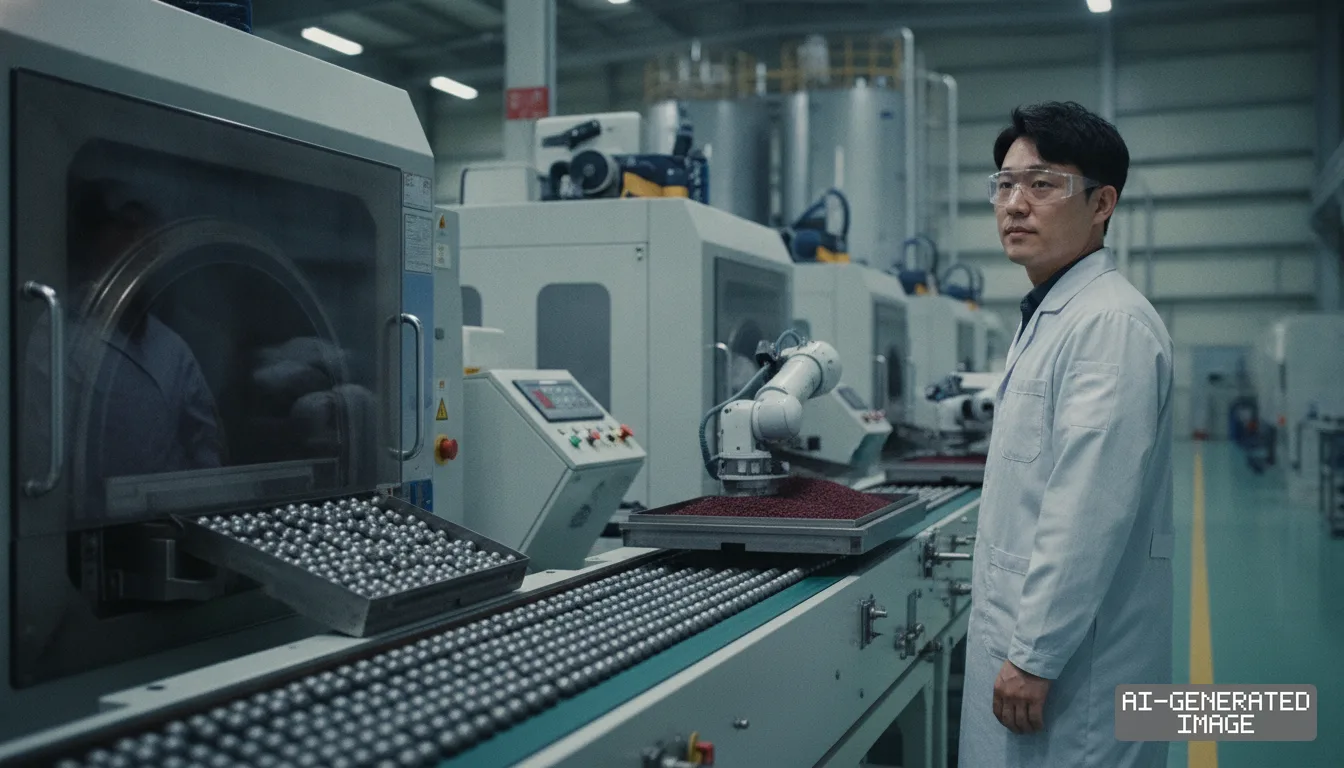
Chinese power module producers have expanded domestic fabrication lines for silicon-carbide wafers over the past two years. High-discharge traction inverters built for the hypercar supply chain draw domestic silicon-carbide MOSFETs from fabrication plants in Shenzhen and Jiangsu.
South Korean battery producers LG Energy Solution, Samsung SDI and SK On have centered performance development on high-nickel ternary chemistry. BYD's speed benchmark demonstrates that modified iron-phosphate cells can sustain high current discharge without nickel-cobalt materials.
The record achievement followed earlier developmental setbacks, including a high-speed barrier collision during private track testing in China, the company said. Engineering crews repaired the carbon aerodynamic package and recalibrated the traction software before shipping the car to Abu Dhabi.
The company notice does not disclose the continuous cooling capacity in kilowatts of the redesigned thermal system. BYD also did not publish a two-way average speed, leaving the run uncertified under traditional two-way land-speed record rules.
BYD will begin bespoke customer specification reviews for the 30 production units on Jan. 15, 2027. Factory deliveries of the finished vehicles will start in Shenzhen during the second quarter of 2027.
Impact map
How this development propagates across the region and out to global buyers.
| Event | Korea | China | Japan | Global impact |
|---|---|---|---|---|
| Yangwang U9 Xtreme 503 km/h record | cell makers LG Energy Solution, Samsung SDI and SK On face LFP power-density competition | BYD and domestic SiC power module makers validate 1,200V architecture in low-volume series | precision engineering firms face higher demand for high-speed motor balancing systems | Rimac and European hypercar houses lose outright production top-speed benchmark |
In this story
- Companies
- BYDGiti TireRimac Automobili
- Tickers
- 002594.SZ1211.HK
- Exposed
- LG Energy SolutionSamsung SDISK On
- Impact
- Supply ChainPricingCost Structure
Related briefings
- BYD cuts entry EV price below $10,000 with new five-seat Seagull Also on SK On, BYD, Samsung SDI
- CATL widens global EV battery lead to 39.4% as Korean share slips Also on SK On, BYD, Samsung SDI
- BYD deploys 12-minute cold-weather LFP battery in Formula S Also on SK On, BYD, Samsung SDI
- BYD launches 130 kWh LFP pack in Denza SUV with 960 km range Also on SK On, BYD, Samsung SDI
Sources
Reporting
Confidence: medium — how we grade this
The documents behind this briefing are linked above. East Asia Brief produces its English text with AI assistance under human editorial review, and does not translate or republish other outlets' articles. See our methodology and AI policy. Spotted an error? Tell us.
The Morning Brief
What changed in Korean, Chinese and Japanese industry overnight — and what it means for your supply chain. One email, weekday mornings, US time. Free.
The Morning Brief is in preparation. Leave your address and we will write to you once — when the first issue is ready. Nothing before that.