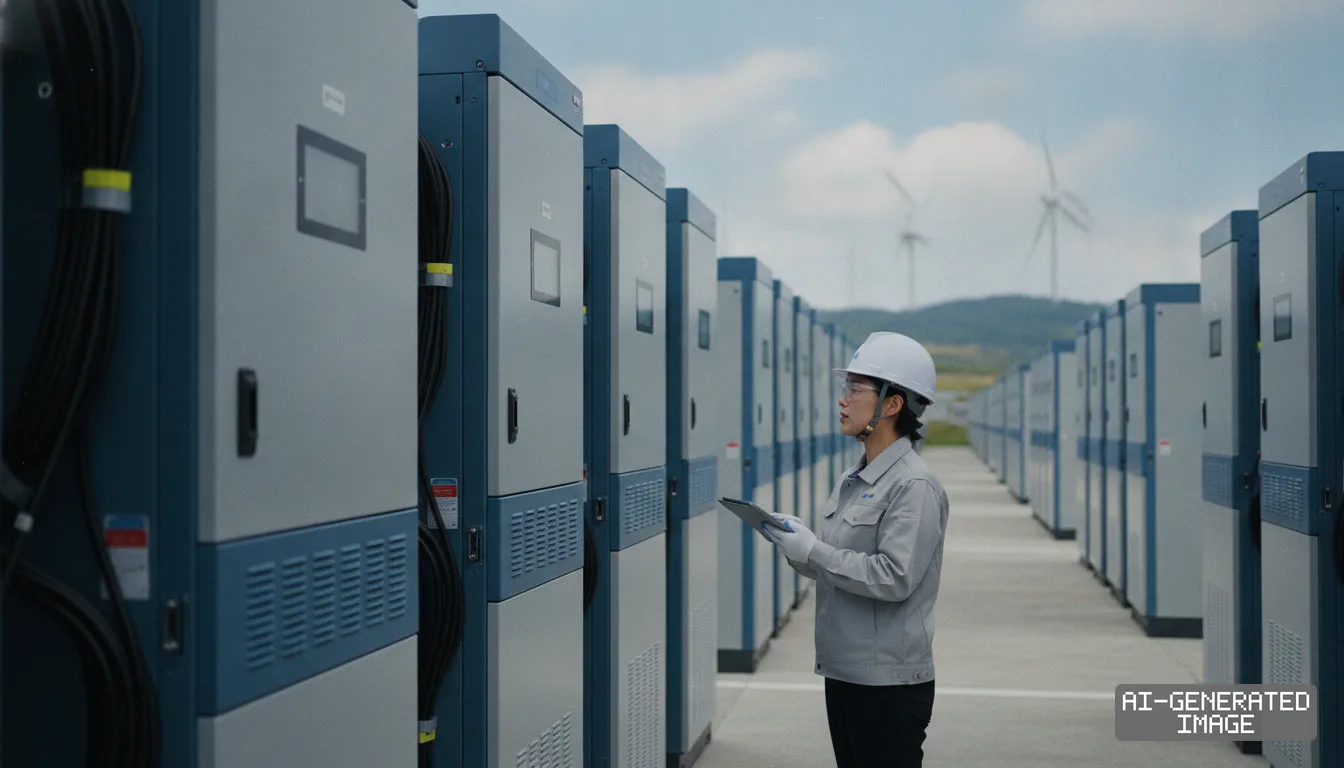
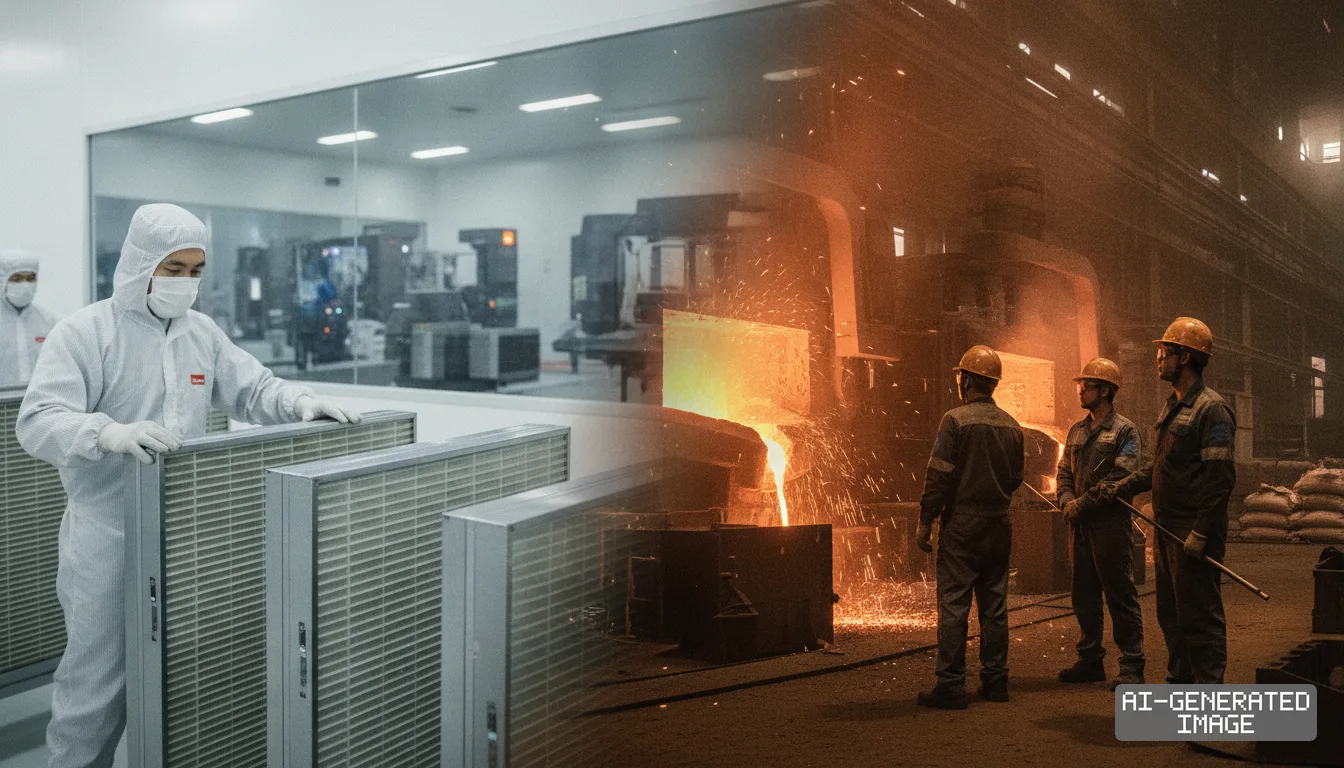
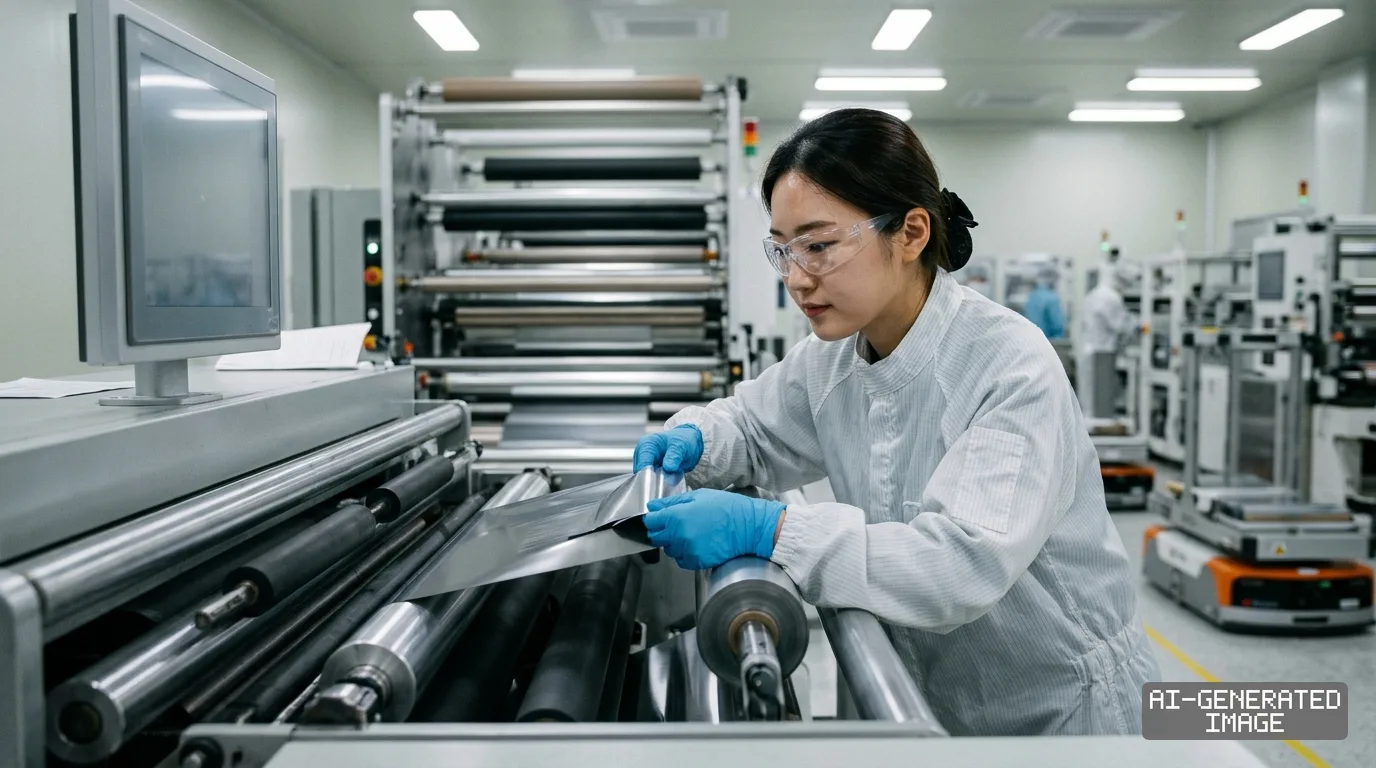
Pino raises $133 million to expand Pohang cathode facility
The Kosdaq-listed firm will direct 119.9 billion won to Pohang subsidiary CNP New Material Technology while funding offshore mineral purchases.
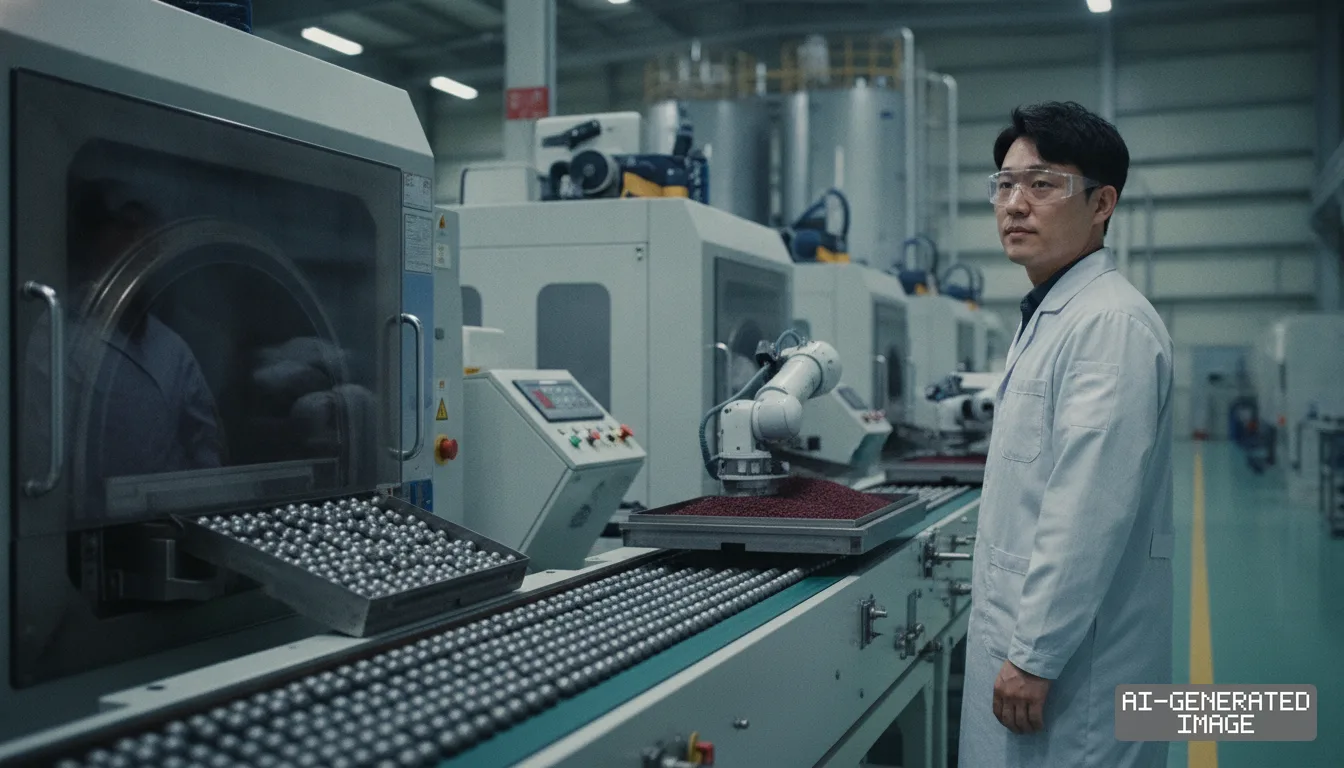
Battery materials developer Pino said Nov. 5 it will raise 183.0 billion won ($133 million) in third-party equity to expand domestic cathode production and secure overseas mineral supplies.
The Kosdaq-listed company operates as the South Korean manufacturing affiliate of China's CNGR Advanced Material, the world's largest producer of nickel-cobalt precursors.
The private placement issues 22.92 million redeemable convertible preferred shares at 7,983 won each, representing 26.7% of the company's existing common stock.
Pino earmarked 119.9 billion won ($87 million) of the proceeds for plant equipment at its Pohang subsidiary, CNP New Material Technology, according to the regulatory filing.
The remaining 63.1 billion won will fund equity stakes in nickel and precursor ventures across Indonesia and Singapore, the filing showed.
CNP New Material Technology broke ground in May on a lithium iron phosphate — a lower-cost battery chemistry known as LFP — cathode plant at Pohang's Yeongilman 4 General Industrial Complex.
The Pohang facility targets an annual production capacity of 50,000 metric tons of cathode materials, aiming for commercial mass production in 2027.
Pino raised its stake in the Pohang joint venture to 75% in June, acquiring a 46% interest from a CNGR affiliate for 28.2 billion won.
South Korean battery materials producer POSCO Future M holds the remaining 25% stake in CNP New Material Technology to secure domestic cathode feedstock.
The corporate restructuring addresses United States Inflation Reduction Act rules designed to exclude Chinese battery suppliers from American tax credits.
Under Department of Energy Foreign Entity of Concern guidelines, electric vehicles lose federal subsidies if battery supply chains involve more than 25% ownership by Chinese entities.
The preferred share offering will dilute the holding of Pino's largest shareholder, CNGR unit Zoomwe Hong Kong New Energy Technology, from 24.82% down to 19.59%.
Lowering Chinese equity below the statutory 25% ceiling helps the Pohang facility qualify as a compliant manufacturing hub for Western export markets.
South Korea has become a preferred location for joint battery ventures because its bilateral free trade agreement with the United States qualifies domestic processing for federal tax credits.
Energy storage system installations and entry-level electric vehicle models have accelerated global demand for lithium iron phosphate cells over high-nickel chemistries, the company said.
POSCO Future M separately plans to convert high-nickel lines at its existing Pohang plant to produce LFP cathode material ahead of the joint plant completion.
A syndicate of 15 South Korean private equity funds and investment partnerships backed the placement, led by Wonik New Growth 2025 Private Equity Partnership with 3.76 million shares.
Other institutional participants include Korea Investment Partners, Stonebridge Ventures and Q Capital Partners, according to the transaction details in the filing.
The preferred shares carry a fixed annual dividend rate of 0.1% and do not allow downward price resets if common stock falls, the filing stated.
Pino holds the right to redeem the shares between Nov. 28, 2029 and Nov. 28, 2031 at a compound annual return of 5%.
All newly issued preferred shares face a mandatory one-year lockup registration with the Korea Securities Depository, the company said.
The offshore capital deployment allocates funds to PT ABEB, an Indonesian producer of ternary precursors, and Singapore CNGR Zhongxin New Energy, an offshore investment vehicle.
Pino also committed capital to PT Cakrawala Barokah Energi BARU, an Indonesian entity being formed to process upstream nickel inputs for South Korean processing lines.
The offshore assets supply the Pohang facility with intermediate feedstocks that bypass mainland Chinese refining facilities, reducing trade compliance friction for cell customers.
South Korean materials firm Cosmo AM&T acquired a 3.13% stake in Pino in August for 15.0 billion won to source LFP precursors domestically.
Sister company Cosmo Chemical simultaneously entered a three-year contract with Pino to process up to 7,000 metric tons of recycled battery black mass annually.
The Korea Exchange halted trading in Pino shares on Nov. 5 at 07:52 local time to review whether the transaction constitutes a backdoor listing.
The bourse examines substantial asset transfers and private placements to confirm that listed vehicles meet standard initial public offering requirements before fundamental corporate shifts proceed.
Payment for the new preferred shares is scheduled for Nov. 27, 2026, while the conversion window opens Nov. 28, 2027 and runs through Aug. 28, 2031.
The exchange notice does not state when the backdoor listing review will conclude or whether trading will resume before the payment date.
Impact map
How this development propagates across the region and out to global buyers.
| Event | Korea | China | Japan | Global impact |
|---|---|---|---|---|
| Pino $133M RCPS placement | CNP New Material adds 119.9 billion won in Pohang LFP capacity, KRX halts trading for review | CNGR dilutes holding to 19.59% to shield North American cathode exports from FEOC limits | Cathode makers face price pressure as Korean-processed LFP units undercut ternary formulations | EV and ESS cell manufacturers gain IRA-compliant LFP feedstock channel ahead of 2027 mass production |
| Pino | — | — | — | — |
| Pino $133M RCPS placement | CNP New Material adds 119.9 billion won in Pohang LFP capacity, KRX halts trading for review | CNGR dilutes holding to 19.59% to shield North American cathode exports from FEOC limits | Cathode makers face price pressure as Korean-processed LFP units undercut ternary formulations | EV and ESS cell manufacturers gain IRA-compliant LFP feedstock channel ahead of 2027 mass production |
In this story
- Companies
- PinoPOSCO Future M
- Tickers
- 033790.KQ003670.KS
- Exposed
- CNGR Advanced MaterialCosmo AM&TCosmo Chemical
- Policy
- SubsidiesLocal Content Rules
- Impact
- Supply ChainCapexCompliance
Track every Subsidies development → Track every Local Content Rules development →
Related briefings
- POSCO Future M plans domestic LFP precursor supply by 2029 Also on CNGR Advanced Material, POSCO Future M, Compliance
- Korean cathode makers pivot to LMR to halt Chinese LFP gains in EVs Also on CNGR Advanced Material, POSCO Future M, Subsidies
- POSCO Future M signs material deal with LG Energy Solution Also on POSCO Future M, Local Content Rules, Compliance
- Hyundai Motor pursues $75M anode stake with POSCO Future M Also on POSCO Future M, Local Content Rules, Compliance
Sources
Reporting
Confidence: medium — how we grade this
The documents behind this briefing are linked above. East Asia Brief produces its English text with AI assistance under human editorial review, and does not translate or republish other outlets' articles. See our methodology and AI policy. Spotted an error? Tell us.
The Morning Brief
What changed in Korean, Chinese and Japanese industry overnight — and what it means for your supply chain. One email, weekday mornings, US time. Free.
The Morning Brief is in preparation. Leave your address and we will write to you once — when the first issue is ready. Nothing before that.