BYD cuts entry EV price below $10,000 with new five-seat Seagull
The automaker lowered the starting price to 65,900 yuan on October 20, adding fast-charging lithium iron phosphate packs that increase cost pressure on rival carmakers and battery suppliers.
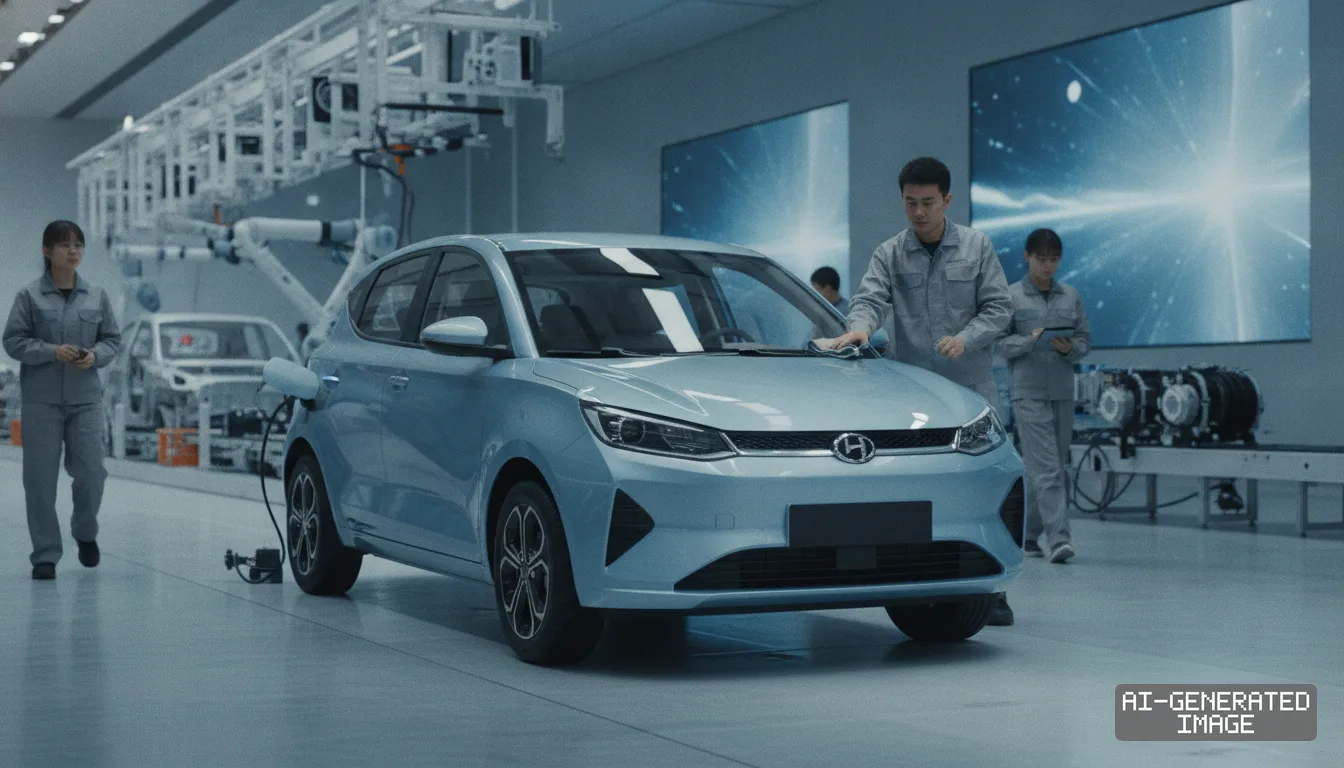
BYD launched the second-generation Seagull electric hatchback in China on Oct. 20, 2026, cutting the starting price below $10,000 as competition in the world's largest automotive market intensifies.
The vehicle enters showrooms at 65,900 yuan ($9,800), a reduction of 4,000 yuan from the previous version introduced in May. A promotional trade-in subsidy brings the net entry price down to 62,900 yuan ($9,400) across five trim configurations.
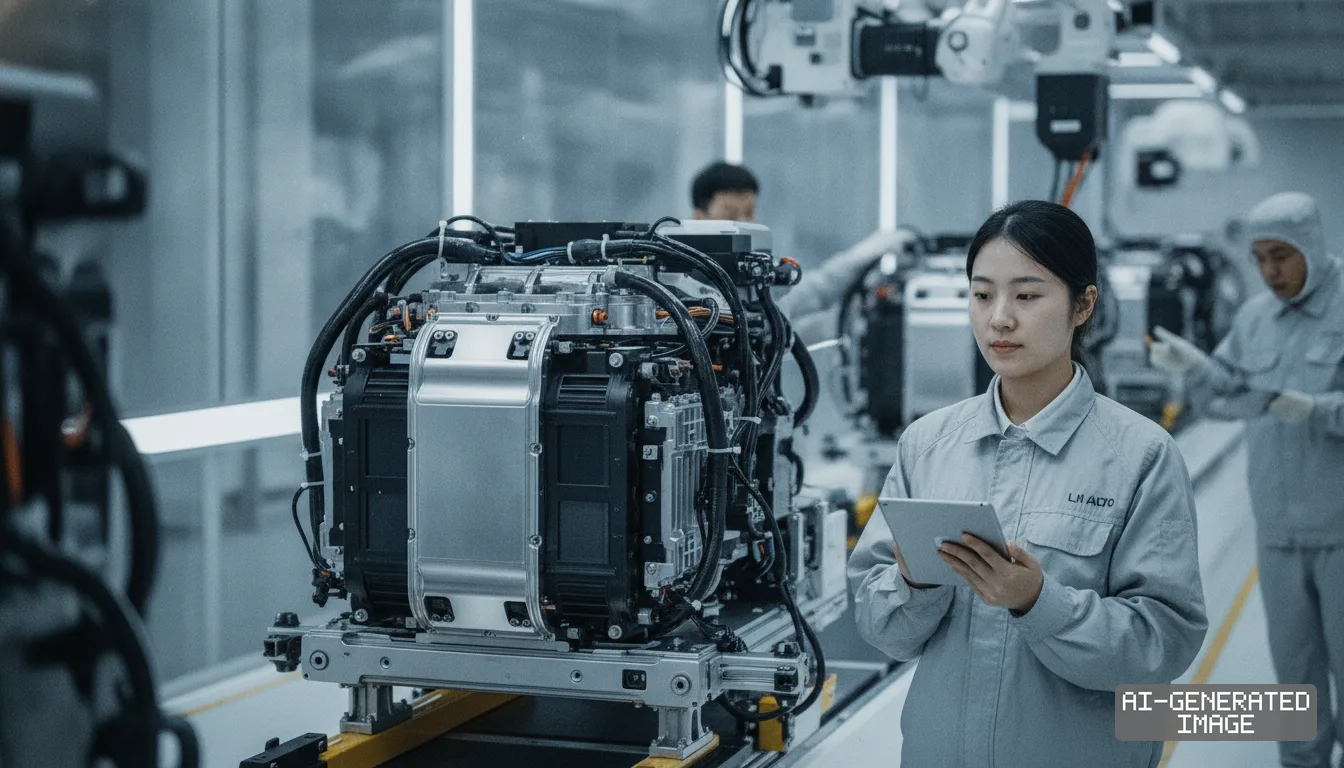
The price reduction highlights the manufacturing advantages of BYD's vertically integrated supply chain. The company produces its own power electronics, traction motors and lithium iron phosphate (LFP) battery cells through dedicated internal business units.
The redesigned hatchback expands significantly from the first-generation car introduced in April 2023. According to filing records published by China's Ministry of Industry and Information Technology (MIIT), the vehicle measures 4,205 mm long, 1,810 mm wide and 1,570 mm tall.
The exterior length increased by 425 mm, while the wheelbase grew by 150 mm to 2,650 mm. The expansion moves the vehicle from a four-passenger layout to a five-seat passenger cabin.
BYD also switched the vehicle architecture from a front-wheel layout to a rear-wheel-drive powertrain. The new drive unit pairs a 95-kilowatt electric motor with a multi-link independent rear suspension system.
The base Vitality and Freedom trims carry a 30.1-kilowatt-hour Blade Battery pack delivering 320 kilometers of range under China Light-Duty Vehicle Test Cycle (CLTC) testing standards. The three upper trims feature a 39.2-kilowatt-hour pack offering 420 kilometers of CLTC range.
The three higher variants, priced between 75,900 yuan and 99,900 yuan, incorporate high-rate flash charging. The charging system recharges the pack from 10% to 70% in five minutes on compatible high-voltage chargers, the company said.
The flagship Smart Edition includes the DiPilot 300 driver-assistance package, which integrates a roof-mounted lidar sensor. It marks the first time advanced optical sensing hardware has entered a mass-market vehicle retailing below 100,000 yuan.
The aggressive pricing structure widens the cost gap between Chinese electric vehicle manufacturers and foreign automakers seeking to defend operating margins in entry-level segments. European automakers have struggled to match Chinese retail pricing on compact zero-emission vehicles.
Stellantis and Volkswagen target retail prices around 20,000 euros to 25,000 euros ($21,500 to $27,000) for upcoming urban battery models. BYD's domestic price tag sits at less than half that threshold.
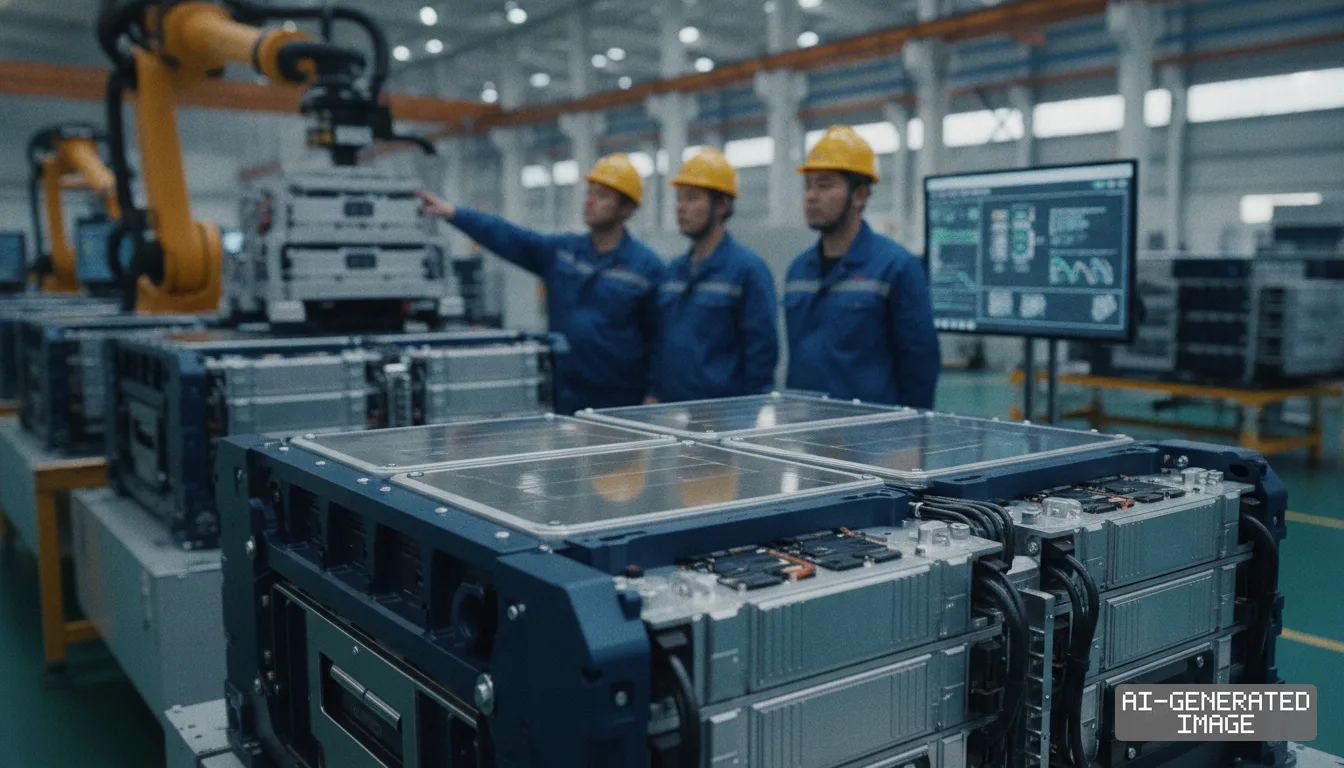
The pricing pressure cascades directly into the global battery cell supply chain. Entry electric vehicles depend heavily on low-cost LFP chemistry, a domain dominated by Chinese cell producers.
Korean cell manufacturers LG Energy Solution, Samsung SDI and SK On are actively constructing dedicated LFP production lines to diversify beyond nickel-rich chemistries. Entry-level vehicle pricing like BYD's leaves narrow margins for third-party cell suppliers.
LG Energy Solution plans mass production of automotive LFP cells, targeting supply contracts that represent about 10% of its small-car order pipeline. Standard automotive cell contracts face tightening price caps as vehicle assemblers demand cell pack costs below $60 per kilowatt-hour.
South Korean battery producers must import synthetic graphite and processed lithium precursors from Chinese refiners. This trade exposure limits their ability to match the raw-material cost structure of integrated producers.
BYD avoids third-party margin stacking by mining, refining and assembling battery packs within captive subsidiaries. The internal cost efficiency allows the carmaker to trim vehicle prices while adding larger battery packs and active lidar sensors.
Domestic competitors in China face immediate price compression across the compact segment. Geely Auto recently introduced the EX2 electric hatchback to capture urban buyers, but the refreshed Seagull undercuts comparable trim tiers by several thousand yuan.
Launch incentives for the second-generation Seagull, including one year of complimentary flash charging, run through Nov. 30, 2026, for registered buyers. Final retail deliveries under the initial promotion phase conclude on Dec. 31, 2026.
The carmaker has not published export release schedules, overseas pricing or regional subsidy adjustments for international variants sold under the Dolphin Surf, Dolphin Mini or Atto 1 badges.
Impact map
How this development propagates across the region and out to global buyers.
| Event | Korea | China | Japan | Global impact |
|---|---|---|---|---|
| BYD Gen-2 Seagull launch | LG Energy Solution and SK On face severe price caps on upcoming entry LFP cell roadmaps | BYD undercuts compact rivals with 62,900-yuan promo price and captive LFP cell integration | Japanese minicar EV programs face price gap of over $8,000 in non-tariff export channels | Stellantis and Volkswagen urban EV programs face margin squeeze against sub- |
| BYD Gen-2 Seagull launch | LG Energy Solution and SK On face severe price caps on upcoming entry LFP cell roadmaps | BYD undercuts compact rivals with 62,900-yuan promo price and captive LFP cell integration | Japanese minicar EV programs face price gap of over $8,000 in non-tariff export channels | Stellantis and Volkswagen urban EV programs face margin squeeze against sub-$10,000 Chinese platforms |
In this story
- Companies
- BYDLG Energy SolutionSamsung SDISK On
- Tickers
- 002594.SZ373220.KS006400.KS096770.KS
- Exposed
- Geely AutoStellantisVolkswagen
- Policy
- Subsidies
- Impact
- PricingSupply ChainCost Structure
Track every Subsidies development →
Related briefings
- BYD widens Seagull hatchback to five seats for export drive Also on Geely Auto, BYD, Pricing
- CATL warns China EV price war triggers batch battery defects and safety hazards Also on Geely Auto, Cost Structure
- Chinese EV Makers Build 26 EU Plants to Bypass 27% Tariffs Also on Volkswagen, Stellantis, SK On
- BYD plans three European car plants to counter EU tariffs Also on Volkswagen, Stellantis, BYD
Sources
Reporting
Confidence: medium — how we grade this
The documents behind this briefing are linked above. East Asia Brief produces its English text with AI assistance under human editorial review, and does not translate or republish other outlets' articles. See our methodology and AI policy. Spotted an error? Tell us.
The Morning Brief
What changed in Korean, Chinese and Japanese industry overnight — and what it means for your supply chain. One email, weekday mornings, US time. Free.
The Morning Brief is in preparation. Leave your address and we will write to you once — when the first issue is ready. Nothing before that.