LG Energy Solution beats profit views on grid battery orders
Operating profit jumped 25.7% to 756 billion won as stationary energy storage lines ran at capacity in North America, more than doubling market consensus despite slowing EV uptake.
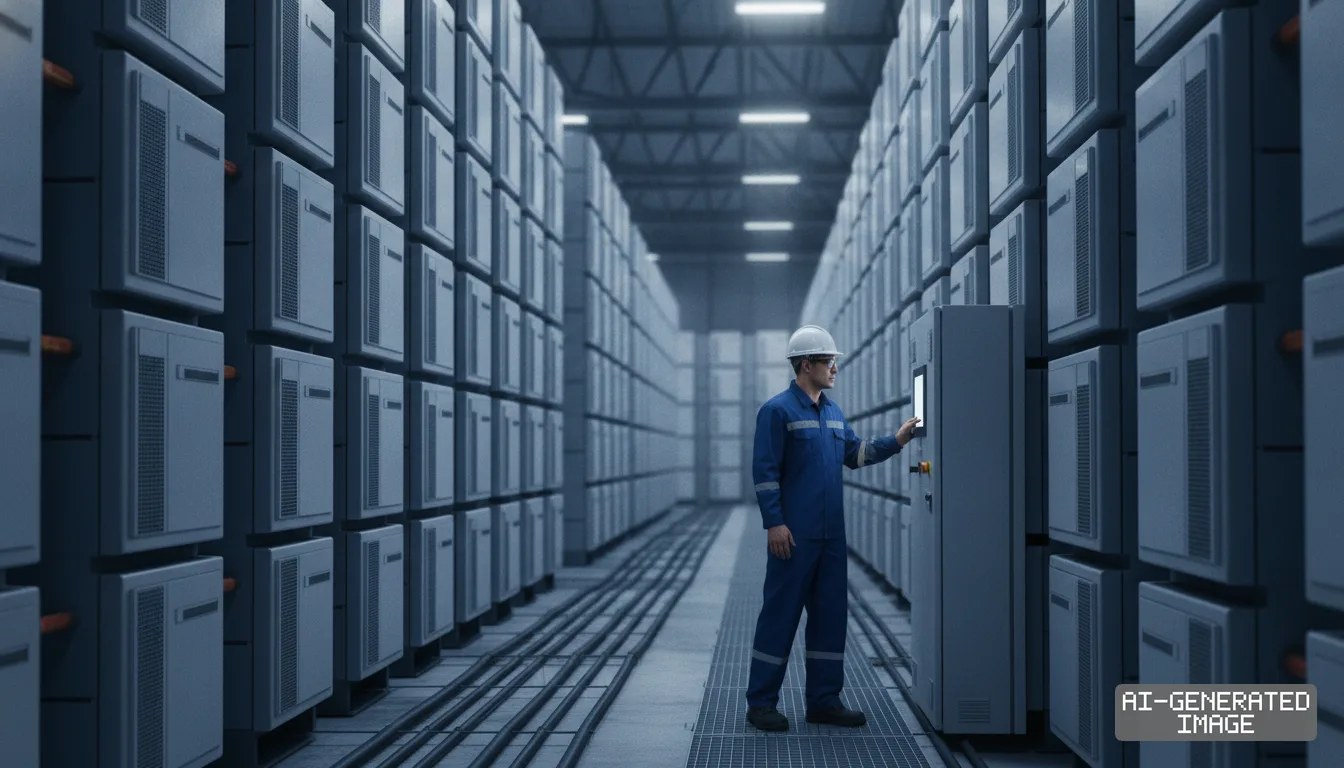
LG Energy Solution reported Oct. 8, 2026 that its third-quarter operating profit jumped 25.7% to 756 billion won, beating market consensus as shipments of grid-scale energy storage systems expanded.
Consolidated revenue climbed 59% from a year earlier to 9.6434 trillion won ($7.2 billion). The figure marked the highest quarterly revenue total in the company's operating history.
Tax credits under Section 45X of the U.S. Inflation Reduction Act contributed 416.9 billion won, the company said in a regulatory filing. The credit accounted for 55.1% of consolidated operating income.
Excluding the U.S. federal manufacturing subsidies, adjusted operating profit stood at 339.1 billion won ($253 million). That underlying performance yielded an adjusted operating margin of 3.7%.
The adjusted figure marked an operational turnaround for the South Korean battery manufacturer. The company had recorded an adjusted operating loss of 127.7 billion won during the second quarter.
Consolidated operating earnings surged 567.3% compared with the previous three months. Revenue increased 27.6% over the same sequence, according to the regulatory disclosure.
The preliminary operating profit more than doubled financial market expectations. Bloomberg consensus estimates had projected 365.5 billion won, while LSEG SmartEstimates compiled an outlook of 309 billion won.
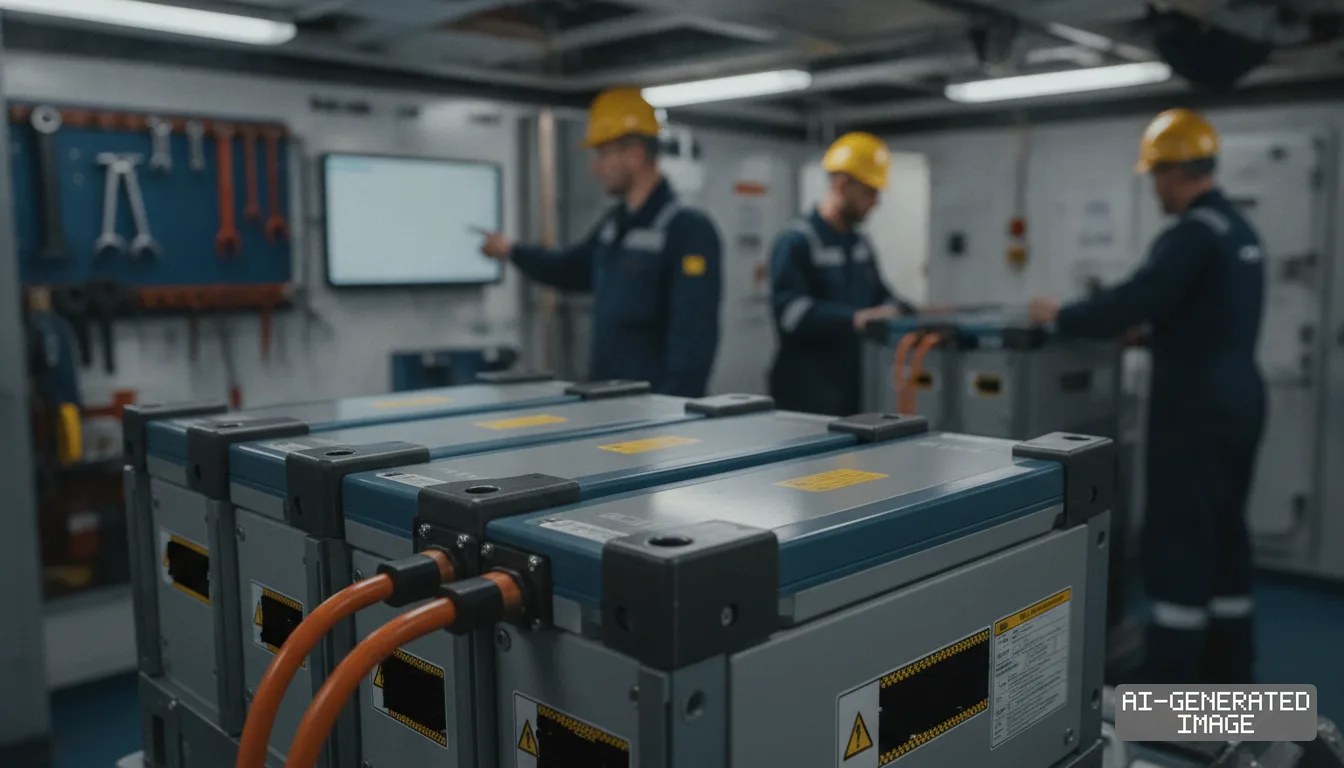
Shipments of utility-scale energy storage batteries across the United States anchored the earnings surprise. Five dedicated stationary battery manufacturing sites in North America reached full commercial operation during the quarter.
Higher output of stationary storage cells reduced fixed overhead costs per kilowatt-hour. That factory loading protected corporate margins while passenger electric vehicle demand expanded at a moderate pace.
Automotive battery shipments also posted sequential volume gains in core overseas regions. Deliveries of mid-nickel pouch cells to European automobile manufacturers rose steadily throughout the three-month period.
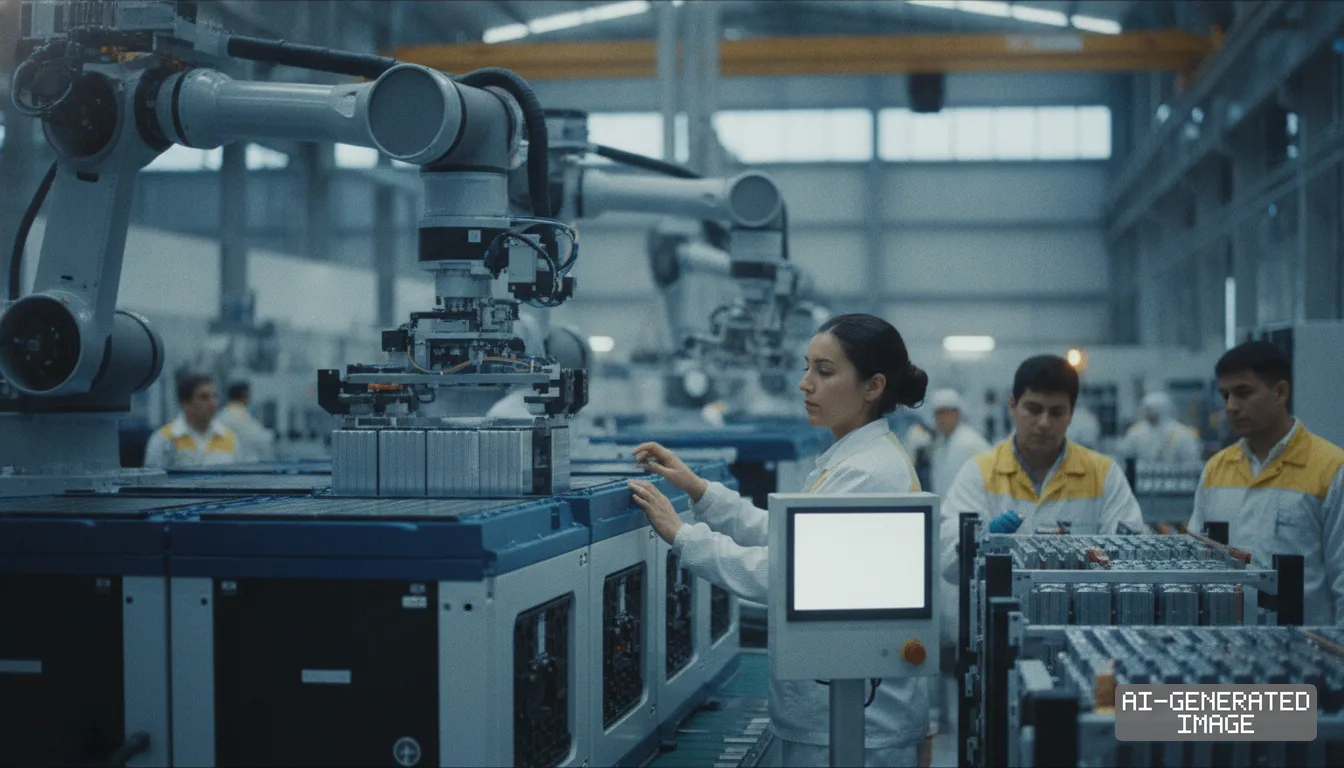
In the United States, assembly lines resumed operations at the Ultium Cells manufacturing joint venture with General Motors. The venture operates three large pouch cell production plants across the country.
Factory output accelerated at the joint venture facility operated alongside Hyundai Motor Group. Commercial fabrication of high-nickel battery cells at the Indonesian complex reached planned capacity targets during the period.
Quarterly operating profit also received support from contractual compensation paid by North American automotive customers. The carmakers paid financial penalties after failing to purchase agreed minimum quotas of vehicle cells.
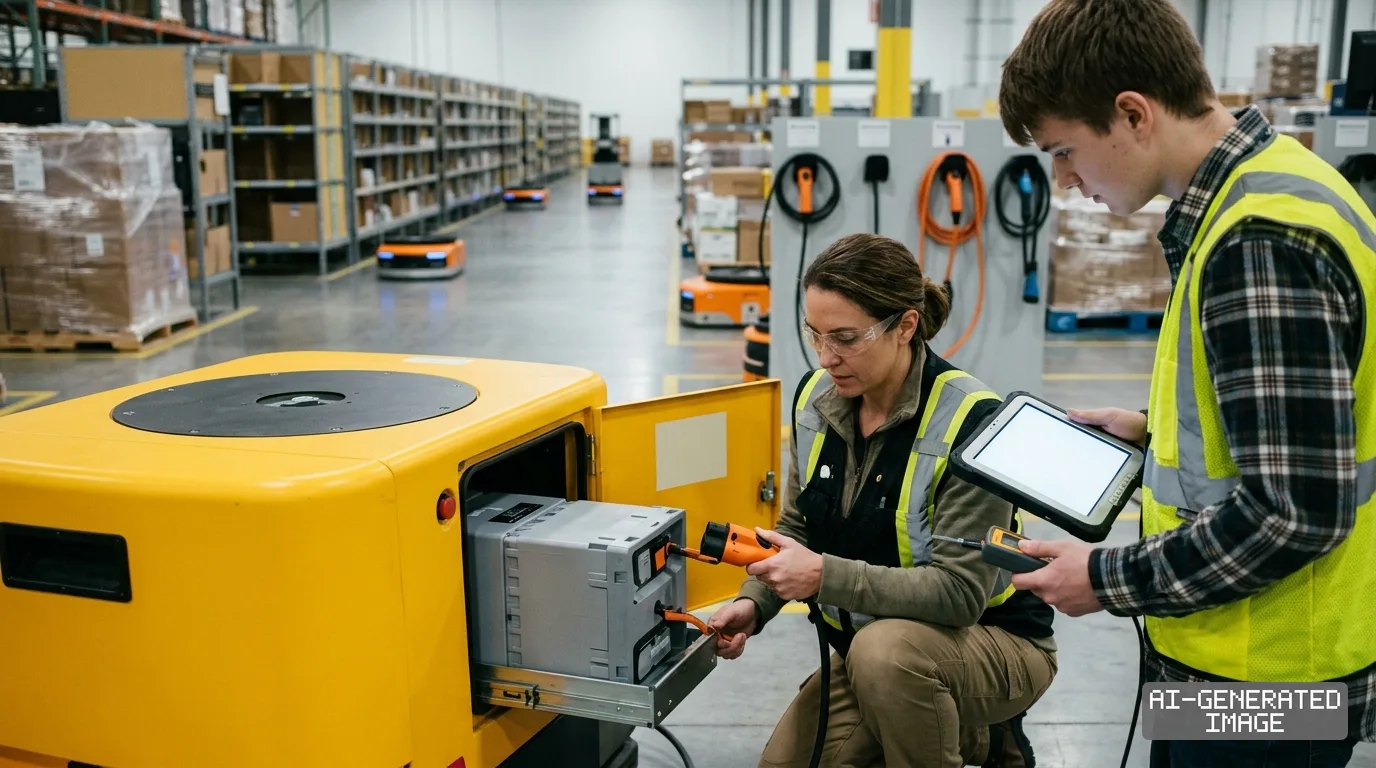
LG Energy Solution has actively redirected available assembly capacity toward utility energy storage hardware. The operational pivot addresses surging power consumption from artificial intelligence data centers across North America.
The manufacturer aims to secure 90 gigawatt-hours of stationary energy storage orders during 2026. Its planned energy storage manufacturing footprint in North America is scheduled to exceed 50 gigawatt-hours by year-end.
To support localized cell fabrication, LG Energy Solution signed a binding procurement contract Oct. 8, 2026 with Canadian mining firm Elevra Lithium.
The four-year offtake pact covers 240,000 dry metric tonnes of spodumene concentrate extracted in Quebec. Deliveries of the critical mineral will commence in late 2026, the company said.
The contracted spodumene volume yields sufficient refined lithium hydroxide to supply roughly 700,000 pure electric vehicle packs or equivalent grid storage installations. The contract strengthens raw material security across North American manufacturing hubs.
Shares of LG Energy Solution gained 4.09% on the Korea Exchange on Oct. 8, closing at 407,000 won. The advance outperformed the benchmark Kospi index, which declined 0.6% during the session.
The quarterly turnaround indicates that grid battery contracts are serving as a structural buffer for tier-1 cell manufacturers. Grid infrastructure spending helps insulate battery factories against consumer electric vehicle adoption cycles.
The preliminary filing does not state standalone divisional revenue for the energy storage business, and the company has not published segmental margins ahead of the audit.
LG Energy Solution said it will publish fully audited third-quarter financial results and host its quarterly investor conference call on Nov. 3, 2026.
Impact map
How this development propagates across the region and out to global buyers.
| Event | Korea | China | Japan | Global impact |
|---|---|---|---|---|
| Q3 earnings beat on ESS expansion | LG Energy Solution books 756 billion won operating profit, up 25.7% YoY | CATL and BYD face stiffening competition for U.S. grid storage projects | Panasonic sees North American cell competition broaden into ESS sector | Grid storage procurement diversifies supply chains away from pure EV lines |
In this story
- Companies
- LG Energy Solution
- Tickers
- 373220.KS
- Exposed
- General MotorsHyundai Motor GroupElevra Lithium
- Policy
- Subsidies
- Impact
- PricingOrder BookCost Structure
Track every Subsidies development →
Related briefings
- LG Energy Solution secures 240,000 tons of Canadian lithium from Elevra Also on Elevra Lithium, General Motors, LG Energy Solution
- East Asia accelerates 8-inch silicon carbide capacity race as power chip makers scale output Also on Hyundai Motor Group, Pricing, Cost Structure
- SK On assumes $1.5 billion debt from US battery subsidiary Also on Hyundai Motor Group, Cost Structure
- CATL widens global EV battery lead to 39.4% as Korean share slips Also on General Motors, LG Energy Solution, Pricing
Sources
Reporting
Confidence: medium — how we grade this
The documents behind this briefing are linked above. East Asia Brief produces its English text with AI assistance under human editorial review, and does not translate or republish other outlets' articles. See our methodology and AI policy. Spotted an error? Tell us.
The Morning Brief
What changed in Korean, Chinese and Japanese industry overnight — and what it means for your supply chain. One email, weekday mornings, US time. Free.
The Morning Brief is in preparation. Leave your address and we will write to you once — when the first issue is ready. Nothing before that.