BYD targets 2027 solid-state battery debut in luxury fleet
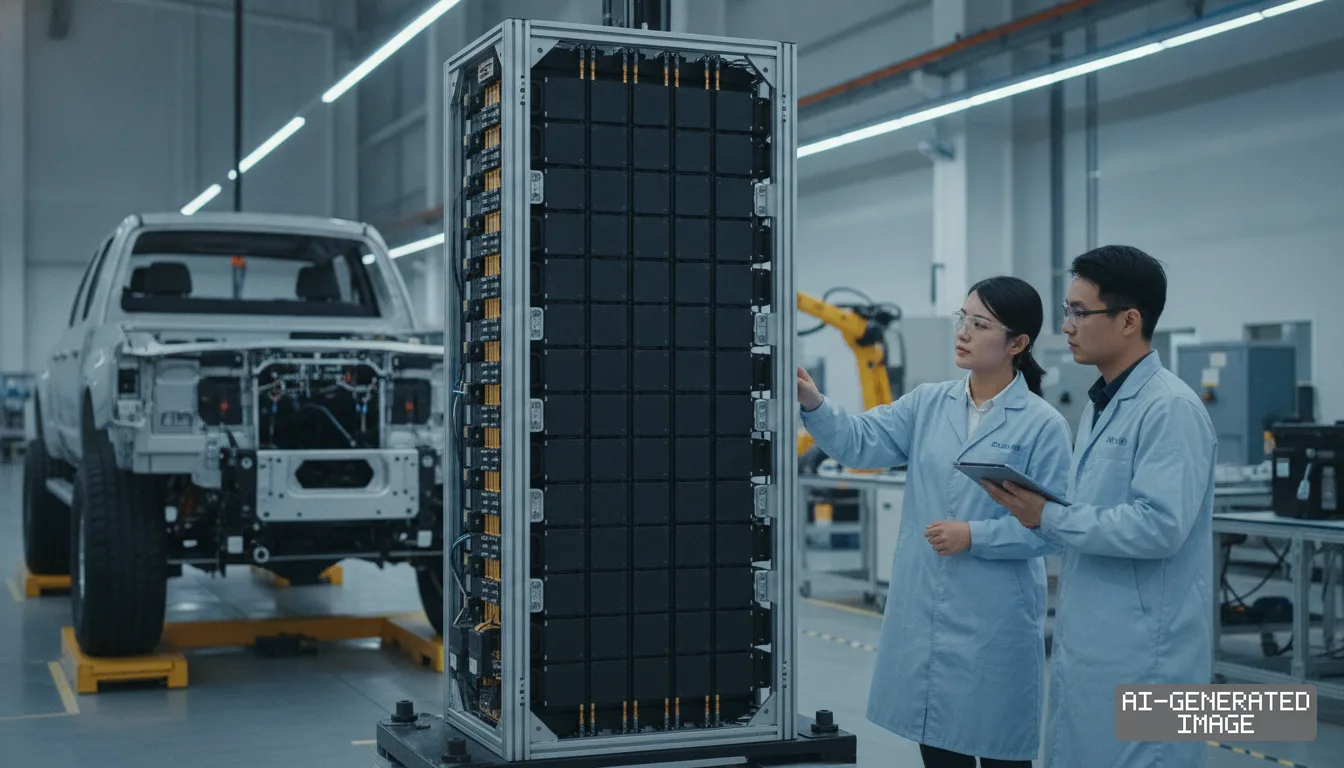
FinDreams aims to deploy 400 Wh/kg sulfide cells across 1,000 test vehicles before scaling commercial output toward 2030 alongside rivals CATL, Samsung SDI and Toyota.
BYD reaffirmed Sept. 20 that its battery unit FinDreams will install sulfide-based solid-state battery cells in demonstration electric vehicles in 2027, matching timelines set by regional competitors.
The Shenzhen-based manufacturer, which produces more than a third of China's electric passenger cars, plans to mount the experimental packs initially in its Yangwang luxury brand.
The proprietary cells target an energy density of 400 watt-hours per kilogram, nearly double the density of current lithium iron phosphate Blade batteries, FinDreams said.
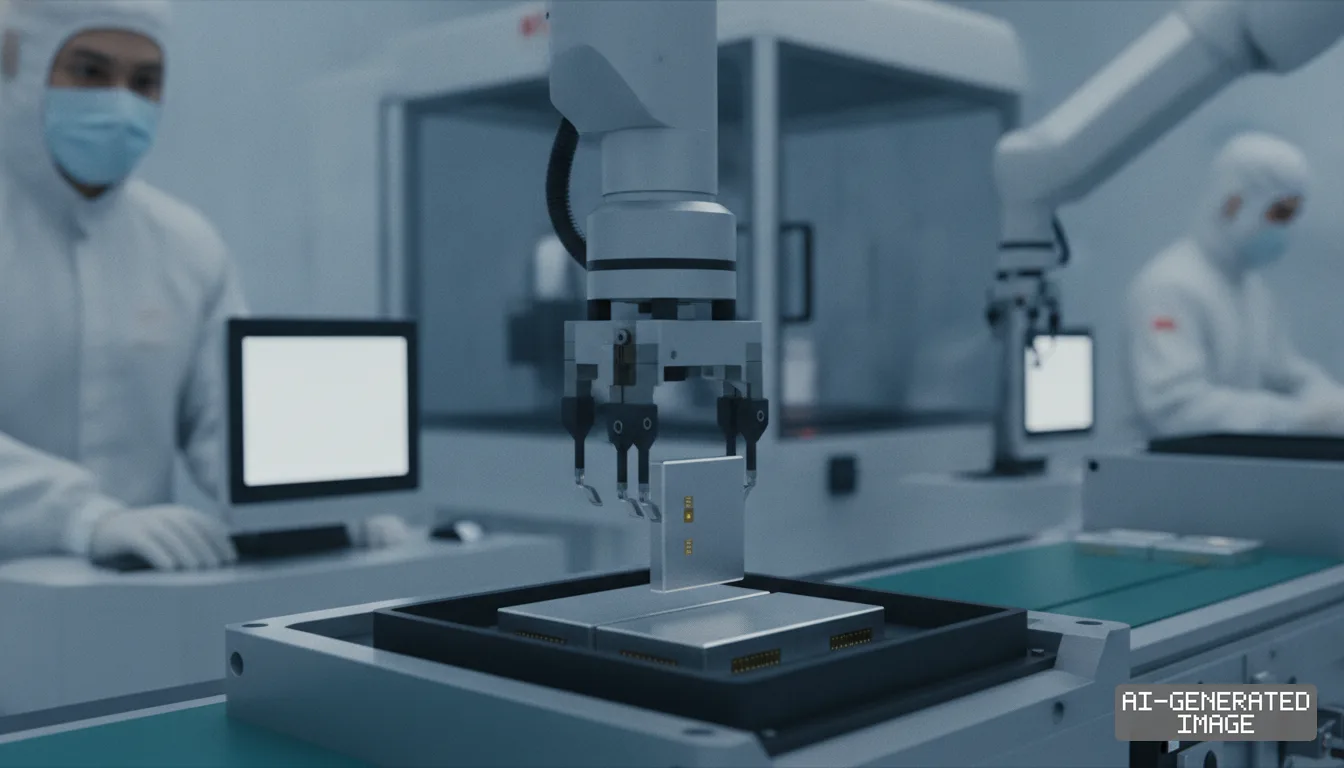
FinDreams developed the architecture around lithium phosphorus sulfur chlorine chemistry. The unit has already produced prototype cells rated at 20 ampere-hours and 60 ampere-hours on pilot equipment.
Executive Vice President Stella Li said the company holds a leading position in both electrolyte chemistry and production tool design. BYD is testing battery equipment alongside domestic suppliers.
The initial vehicle deployment will remain small. BYD plans an initial demonstration run of roughly 1,000 vehicles in 2027 to validate pack durability under highway conditions, chief scientist Lian Yubo said.
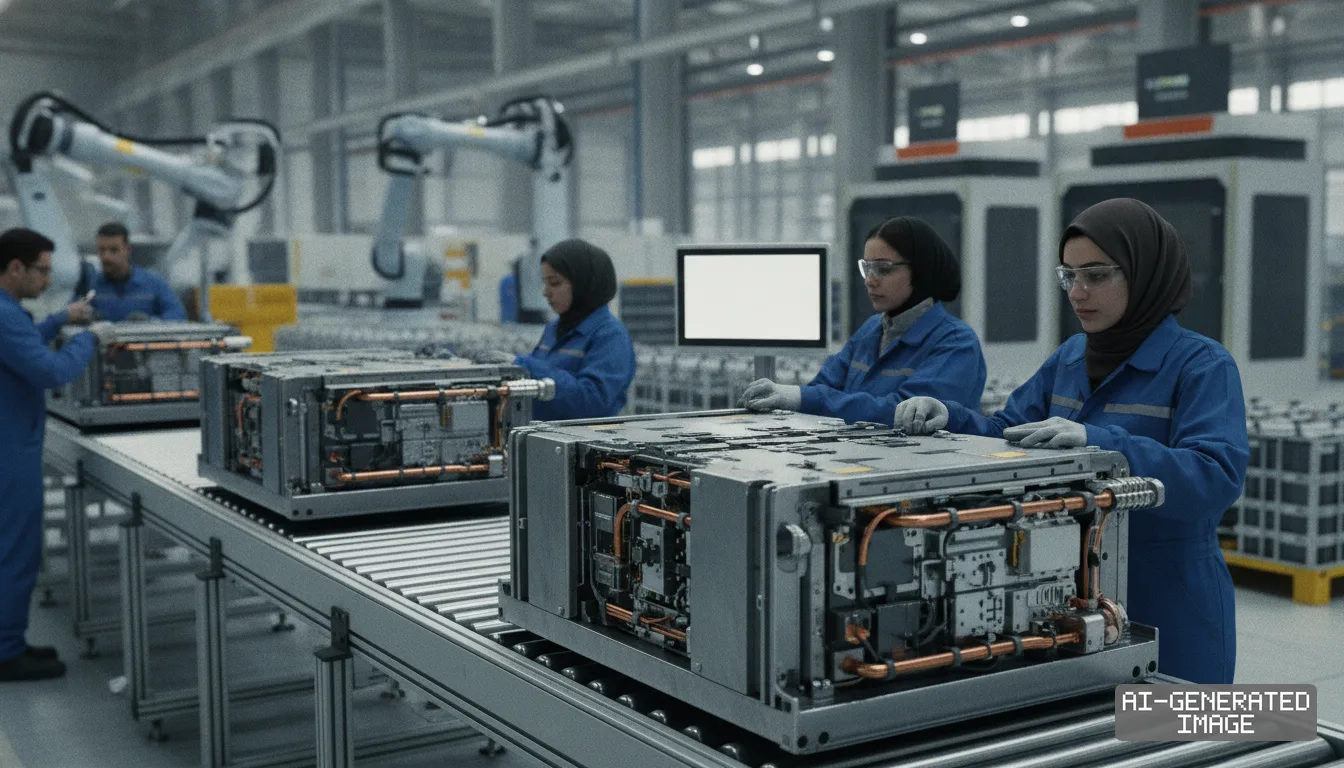
The carmaker is directing early packs to luxury models to absorb manufacturing costs. High-end Yangwang sports cars and Denza multi-purpose vehicles will carry the initial units before assembly lines expand.
Full-scale commercial production will not begin until 2030, the company said. The three-year gap reflects severe chemical and mechanical hurdles that still prevent high-volume assembly.
Sulfide electrolytes offer high ionic conductivity, which allows fast lithium transport. Yet sulfide materials produce hazardous hydrogen sulfide gas when exposed to trace moisture during factory handling.
Solid electrolyte interfaces also crack as silicon or lithium-metal anodes swell during charging. Automakers must engineer heavy mechanical fixtures inside the battery pack to keep continuous compression across cells.
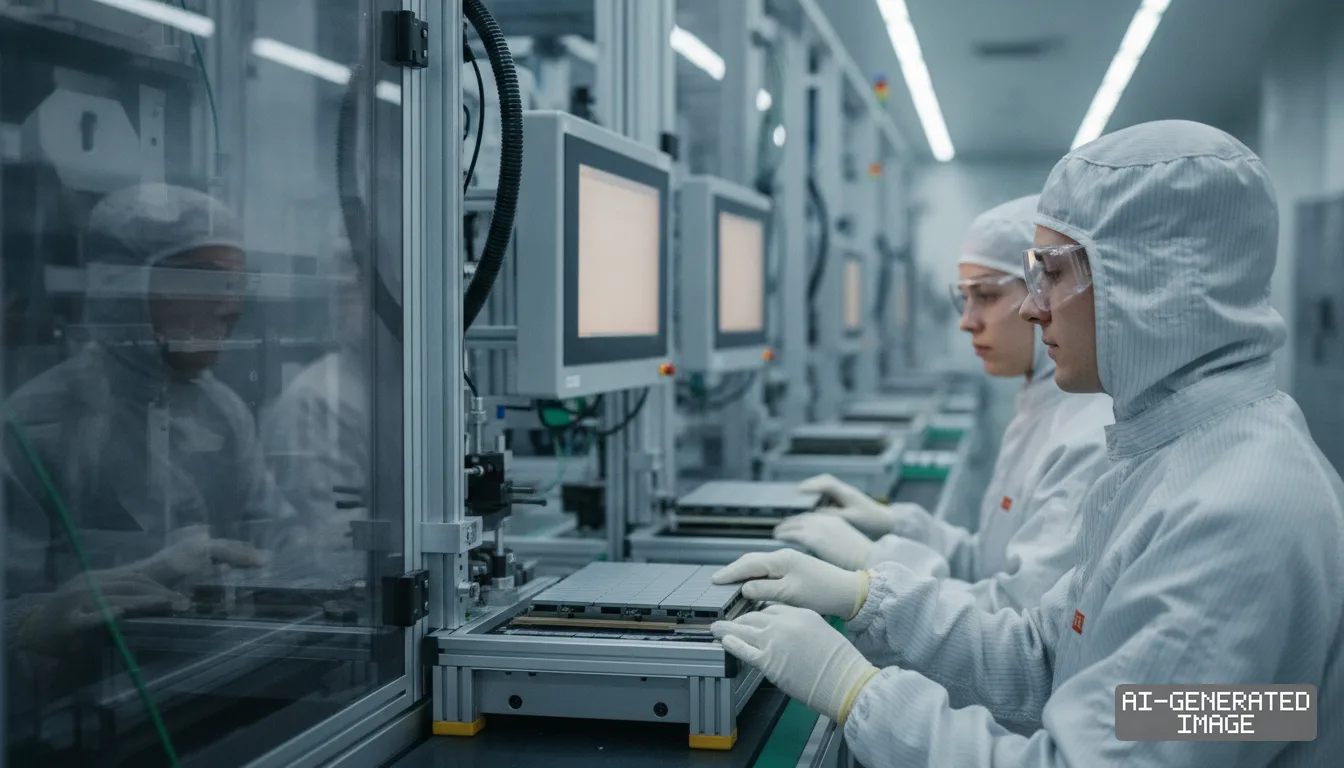
FinDreams is modifying dry-electrode coating processes to protect the reactive powder. Conventional solvent slurries degrade sulfide compounds, forcing equipment makers to develop solvent-free fibrillation lines using polytetrafluoroethylene binders.
The 2027 milestone places BYD neck and neck with Contemporary Amperex Technology Co., known as CATL. CATL controls roughly 43% of China's power battery installations, according to industry registration data.
CATL confirmed to investors that it will begin small-scale pilot cell manufacturing in 2027. The company's sulfide cells achieved 500 watt-hours per kilogram in laboratory evaluations, CATL said.
CATL Chairman Robin Zeng stated the company rates its solid-state readiness at level four out of nine. CATL expects to achieve level seven or eight by its 2027 trial.
South Korean manufacturers are defending their premium market share against Chinese advances. Samsung SDI plans to begin commercial mass production of all-solid-state batteries in 2027 using an 800-volt sulfide chemistry.
Samsung SDI has shipped sample cells from its Suwon pilot line to global automakers for testing. The South Korean supplier reported volumetric energy density exceeding 900 watt-hours per liter.
The Korean company aims its initial run at luxury sports sedans, working in tandem with BMW. LG Energy Solution and SK On are pursuing later commercial targets of 2030.
Japanese automakers also view sulfide chemistry as critical to reclaiming electric market share. Toyota Motor is collaborating with refiner Idemitsu Kosan to build commercial supply chains for sulfide solid electrolytes.
Toyota plans to roll out solid-state electric vehicles between 2027 and 2028, initially focusing on hybrid powertrains before pure electric models. The joint effort targets high-volume output after 2030.
The parallel roadmaps show East Asia's dominant cell makers converging on identical timetables. China, South Korea and Japan now treat 2027 as the baseline for operational validation rather than retail volume.
FinDreams projects that solid-state battery costs will decline fifteen-fold between 2027 and 2030. The unit aims to reach manufacturing cost parity with liquid lithium-ion cells by the end of the decade.
Material suppliers face major capital demands to scale precursor ingredients. Lithium sulfide precursors require specialized chemical processing plants that currently operate only at benchtop capacity across the region.
The company has not filed regulatory disclosures detailing capital expenditures for its planned pilot facilities. FinDreams has also not published verified third-party degradation data for operating vehicle packs.
Automakers across the region face customer road trials beginning in late 2027. FinDreams and BYD plan to submit prototype fleet safety data to vehicle certification authorities before that rollout begins.
Impact map
How this development propagates across the region and out to global buyers.
| Event | Korea | China | Japan | Global impact |
|---|---|---|---|---|
| Solid-state battery pilot convergence | Samsung SDI prepares 2027 pilot lines for 900 Wh/L cells to defend luxury EV tier | BYD and CATL limit 2027 output to premium test fleets while holding 2030 mass targets | Toyota and Idemitsu Kosan target 2027-2028 commercial validation for sulfide electrolytes | Automakers absorb 3x-5x cell cost premiums on initial 1,000-unit evaluation fleets |
In this story
- Companies
- BYDFinDreams Battery
- Tickers
- 002594.SZ1211.HK
- Exposed
- Contemporary Amperex TechnologySamsung SDIToyota Motor
- Policy
- Economic SecuritySubsidies
- Impact
- CapexSupply ChainPricing
Track every Economic Security development → Track every Subsidies development →
Related briefings
- CATL targets 2027 pilot output for all-solid-state batteries Also on Toyota Motor, BYD, Contemporary Amperex Technology
- BYD confirms solid-state battery car test for 2027 rollout Also on Toyota Motor, BYD, Samsung SDI
- Battery makers widen aerogel sheet adoption as EV thermal propagation rules tighten Also on Toyota Motor, BYD, Contemporary Amperex Technology
- BYD and Geely expand Southeast Asian assembly lines to build regional export hubs Also on Toyota Motor, Contemporary Amperex Technology, Pricing
Sources
Reporting
Confidence: medium — how we grade this
The documents behind this briefing are linked above. East Asia Brief produces its English text with AI assistance under human editorial review, and does not translate or republish other outlets' articles. See our methodology and AI policy. Spotted an error? Tell us.
The Morning Brief
What changed in Korean, Chinese and Japanese industry overnight — and what it means for your supply chain. One email, weekday mornings, US time. Free.
The Morning Brief is in preparation. Leave your address and we will write to you once — when the first issue is ready. Nothing before that.