Li Auto Unveils Lianshan EV System and Lifetime Battery Warranties
The Chinese automaker launched an integrated powertrain architecture and lifetime replacement coverage to accelerate its shift toward in-house battery assembly.
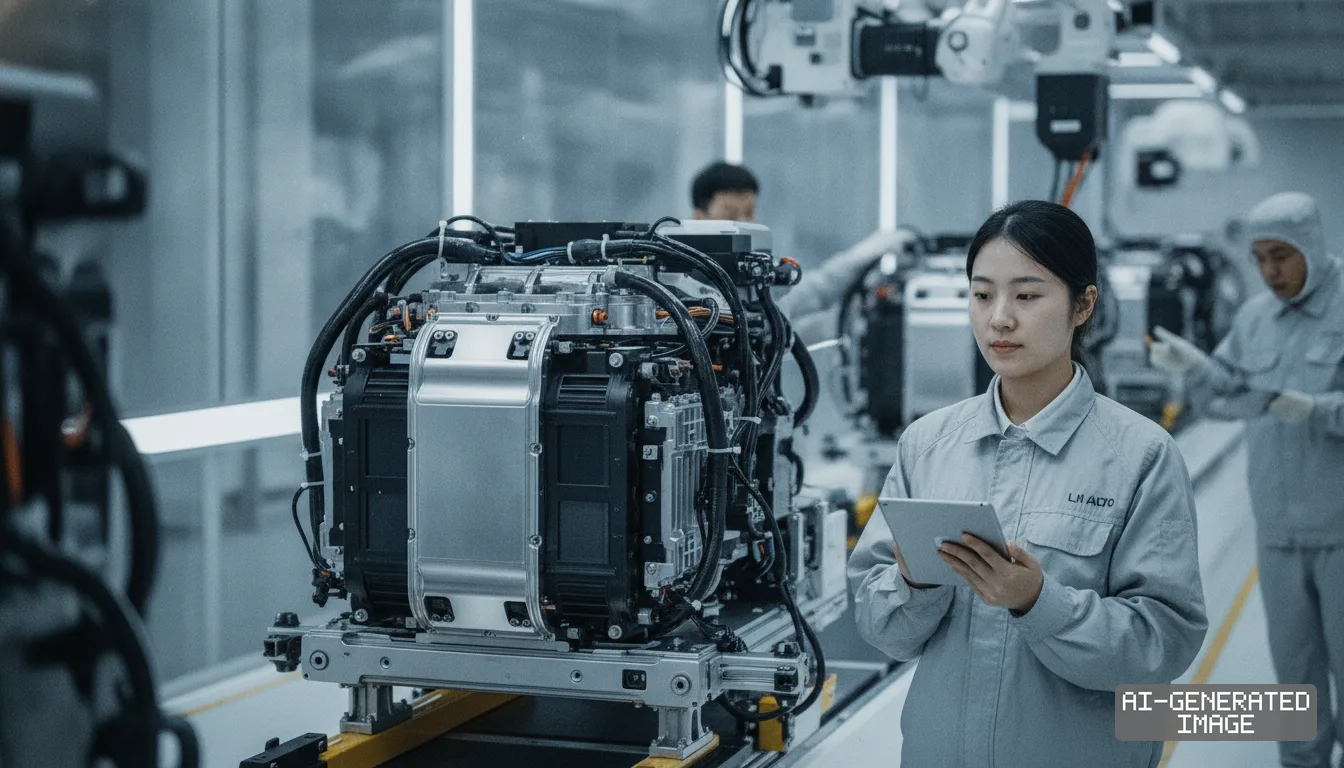
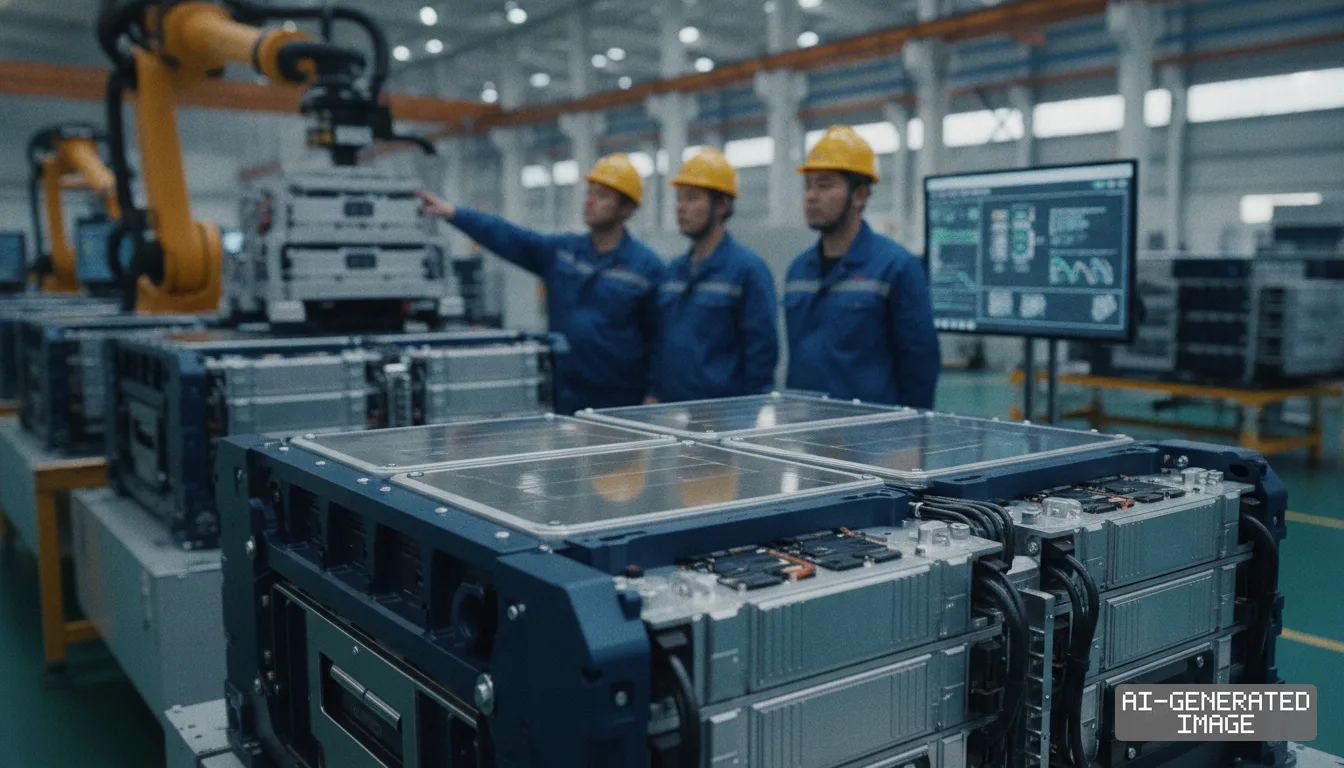
Li Auto launched its proprietary electric powertrain architecture called Lianshan on Oct. 20, 2026, backing its self-developed battery packs with comprehensive lifetime safety guarantees.
The Beijing-based electric vehicle maker pledged to replace any vehicle that suffers accidental battery self-ignition. The guarantee compensates owners with a new vehicle of identical configuration if thermal failure meets scrapping criteria.
The program also covers the insurance deductible gap if an impact causes a battery fire. Li Auto said the coverage takes effect immediately across its expanding lineup of self-developed power packs.
The commercial move accompanies a 2.65 billion yuan ($394 million) equity investment in cell maker Sunwoda Electric Vehicle Battery. That transaction gives Li Auto an 8.79% direct stake as its second-largest shareholder.
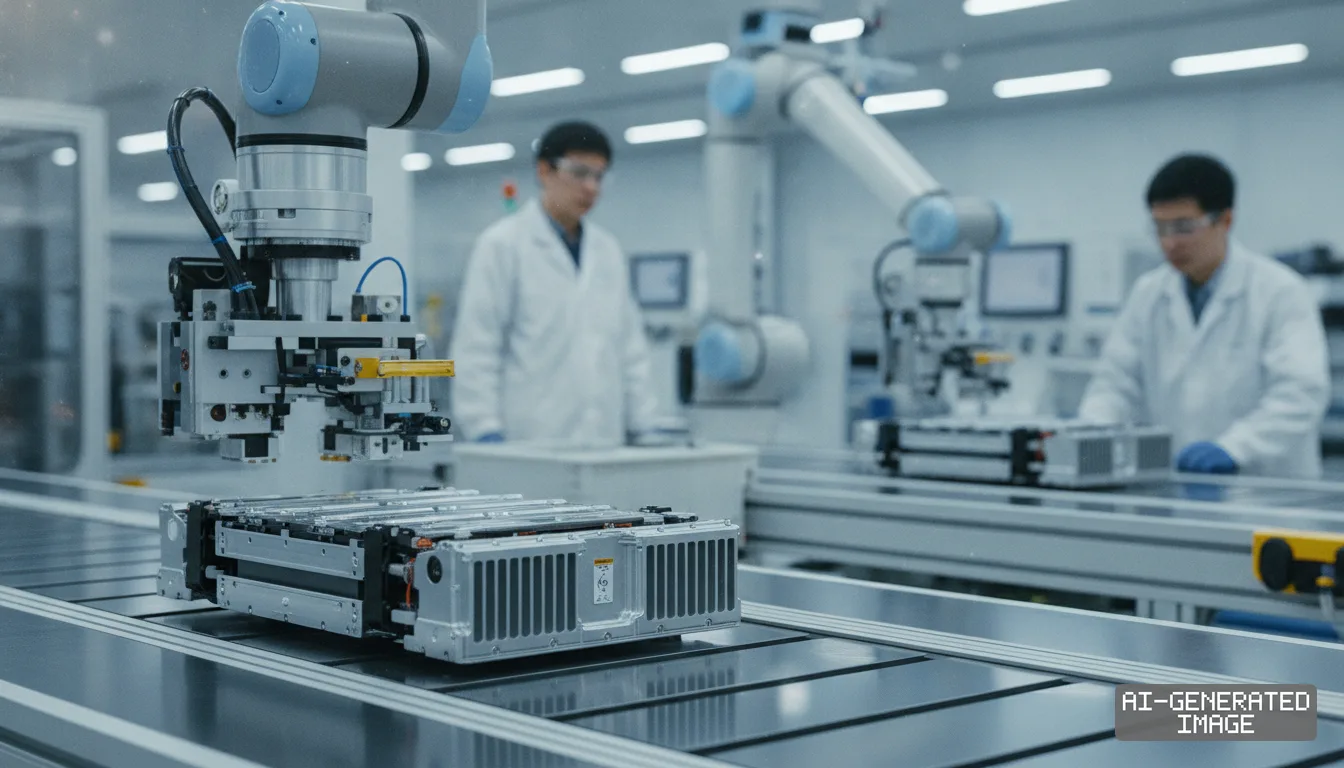
The capital injection secures cell manufacturing capacity while Li Auto insources module design, thermal structures and battery management software. The automaker is systematically removing external battery pack suppliers from its premium vehicle platforms.
The name Lianshan originally designated an internal manufacturing monitoring system. Li Auto first recorded the label in Changzhou factory compliance logs in July 2024.
The company subsequently disclosed Lianshan in its Form 20-F annual report filed with the United States Securities and Exchange Commission on April 10, 2026. In that filing, the system functioned as a cloud platform detecting early quality defects.
The automaker has now elevated Lianshan into an umbrella brand. The architecture covers proprietary high-nickel battery packs, silicon-carbide electric drive motors and megawatt-class charging networks.
Li Auto is using the lifetime guarantee to counter consumer hesitation regarding non-traditional battery cell sources. Chinese buyers traditionally view established tier-one suppliers as the benchmark for high-voltage pack safety.
The shift directly alters the supplier exposure of Contemporary Amperex Technology Co., Limited, known as CATL. CATL previously served as the dominant battery supplier across Li Auto's extended-range and pure-electric sport utility vehicles.
The world's largest battery producer delivered its 1,000,000th battery pack to Li Auto in June 2025. That exclusive procurement relationship has steadily eroded over recent production quarters.
Li Auto has substituted CATL cells on core models like the Li L8 and Li L6. The automaker now routes cell fabrication to Sunwoda and CALB while assembling the packs internally.
Sunwoda generated 15.53 billion yuan in battery revenue during the first half of 2026. The contract manufacturing partnership with Li Auto provides the supplier with substantial production volume across high-voltage production lines.
Cost pressures precipitated the architecture transition. Li Auto reported an operating margin contraction in the second quarter of 2026, when vehicle gross margin dropped to 9.4% from 19.4% a year earlier.
Procuring pre-packaged battery modules from external market leaders constrained product margins. Designing proprietary pack enclosures and structural cooling plates allows Li Auto to capture assembly margins directly.
The Lianshan architecture standardizes cell-to-pack integration across pure battery-electric and extended-range platforms. The structural design accommodates high charging multipliers reaching 5C rates on 800-volt electrical buses.
The high-power system debuts on refreshed vehicle editions scheduled for autumn deliveries. The company opened order books for the updated Li i6 featuring a 96-kilowatt-hour proprietary pack with 780 kilometers of range.
Li Auto stated that customers confirming vehicle orders after Sept. 7 will receive proprietary 5C ternary lithium packs instead of CATL units. Initial customer handovers for those reconfigured configurations begin in early November.
The company did not state the total financial reserve allocated to support its lifetime replacement warranty. The Power Day announcement omitted the specific actuarial liability ceiling established for potential thermal scrap claims.
Deliveries of the updated Li i6 and multi-purpose vehicle variants equipped with Lianshan battery hardware begin on Nov. 5, 2026.
Impact map
How this development propagates across the region and out to global buyers.
| Event | Korea | China | Japan | Global impact |
|---|---|---|---|---|
| Li Auto Lianshan powertrain and battery pack launch | LG Energy Solution and SK On face heightened margin competition as Chinese OEMs insource module assembly | CATL loses high-volume pack share at Li Auto while Sunwoda absorbs cell manufacturing allocations | Panasonic and automotive component suppliers see Chinese EV makers close integration software gaps | Automaker battery sourcing diversifies away from single-source battery cell monopolies |
In this story
Related briefings
- Li Auto and EV rivals drop CATL to build in-house batteries Also on Sunwoda, Li Auto, CALB
- CATL separates battery specs as 600 kW charging tests grids Also on Li Auto, Cost Structure
- Li Auto adopts in-house batteries across all models to cut costs Also on Li Auto, Cost Structure
- Li Auto drops CATL from 2026 i6, tapping Sunwoda and CALB Also on Li Auto, Cost Structure
Sources
Primary documents
Reporting
Confidence: high — how we grade this
The documents behind this briefing are linked above. East Asia Brief produces its English text with AI assistance under human editorial review, and does not translate or republish other outlets' articles. See our methodology and AI policy. Spotted an error? Tell us.
The Morning Brief
What changed in Korean, Chinese and Japanese industry overnight — and what it means for your supply chain. One email, weekday mornings, US time. Free.
The Morning Brief is in preparation. Leave your address and we will write to you once — when the first issue is ready. Nothing before that.