BYD plans three European car plants to counter EU tariffs
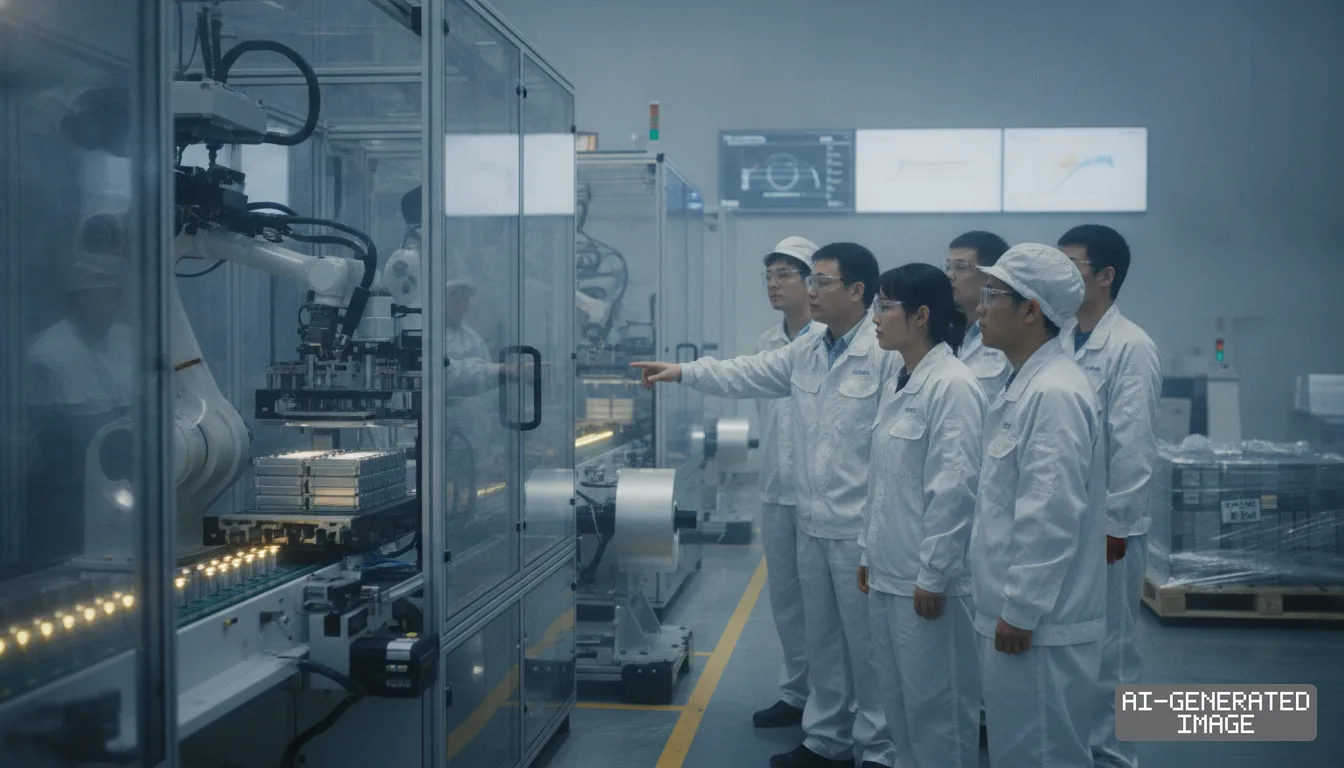
Special adviser Alfredo Altavilla confirmed Sept. 16 that the Chinese carmaker seeks three assembly facilities and a battery cell plant, targeting Spain and France for brownfield sites.
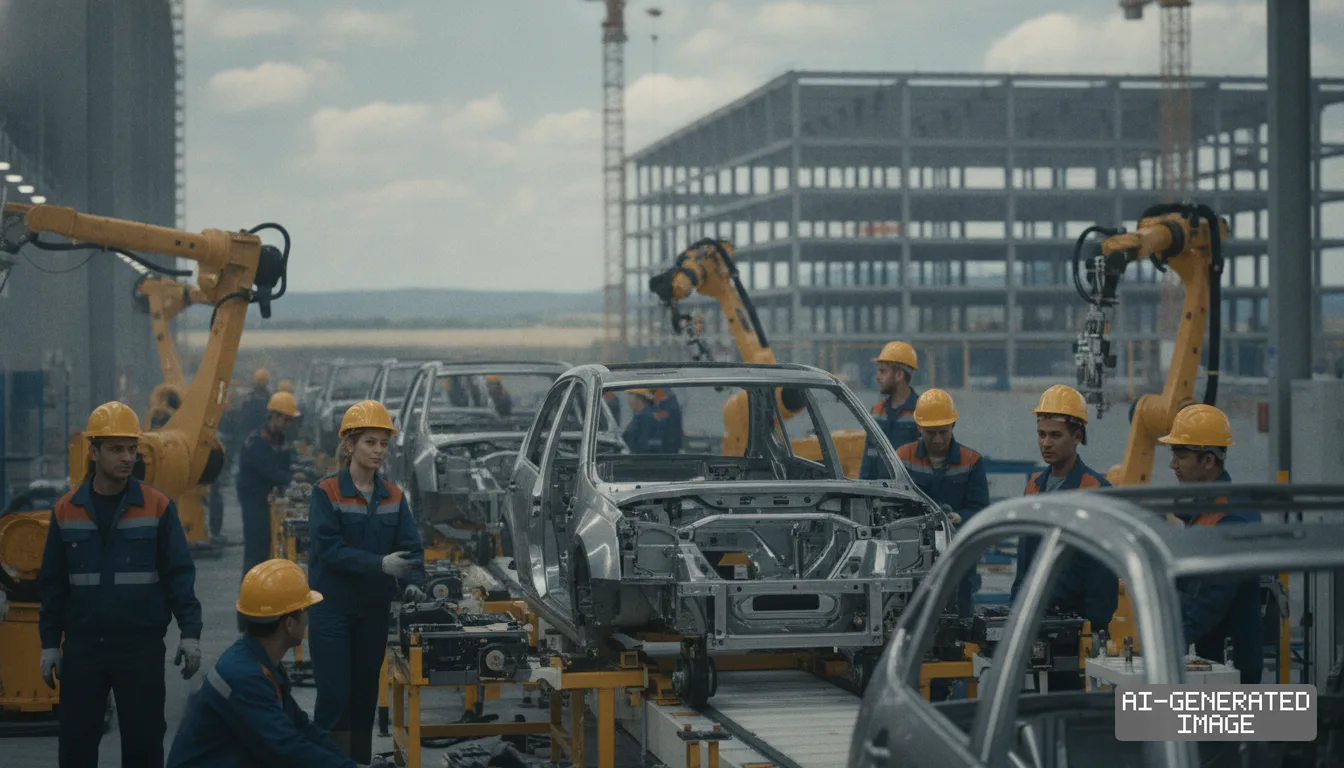
BYD special adviser Alfredo Altavilla said Sept. 16 the Chinese automaker requires three vehicle assembly plants and a dedicated battery facility in Europe to maintain regional sales targets.
The plan broadens a European manufacturing push that began with an assembly plant under construction in Szeged, Hungary. BYD announced that Hungarian passenger vehicle facility in December 2023.
The industrial buildout aims to counter European Union import levies. The European Commission imposed a definitive 17.0% countervailing duty on BYD electric vehicles in October 2024, on top of an existing 10% car tariff.
That combined 27.0% import duty raises delivery costs on vehicles imported directly from China. Local assembly inside the single market allows BYD to bypass border tariffs entirely once domestic production begins.
BYD plans to prioritize existing manufacturing sites rather than developing greenfield plots from scratch, Altavilla said at an industry presentation in Turin. The approach reduces construction timelines and initial capital requirements.
Spain and France rank among the primary candidate countries for the next vehicle production site, Altavilla said. Both nations maintain mature automotive supply chains and extensive supplier networks.
BYD appointed Altavilla, a former European operating chief at Fiat Chrysler Automobiles, to advise the automaker on regional strategy. His mandate includes steering industrial relations and government affairs across the European Union.
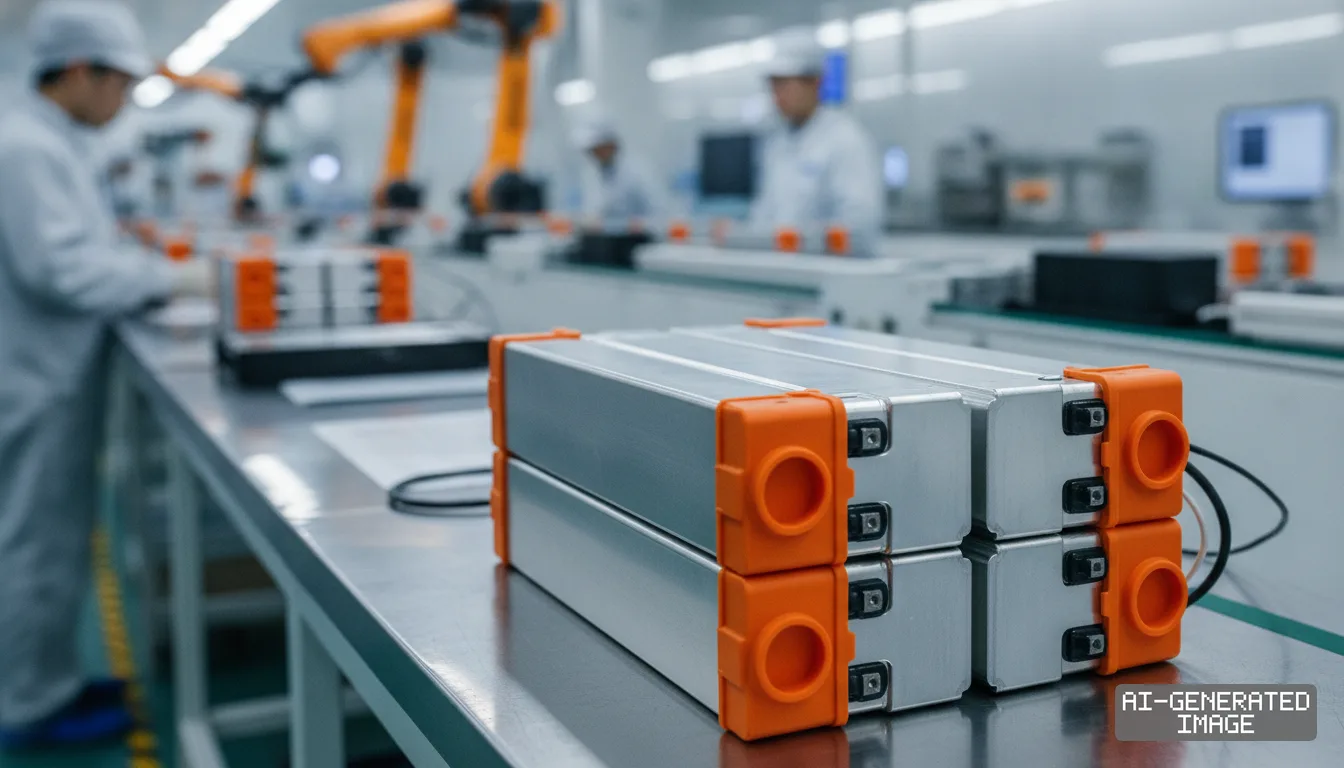
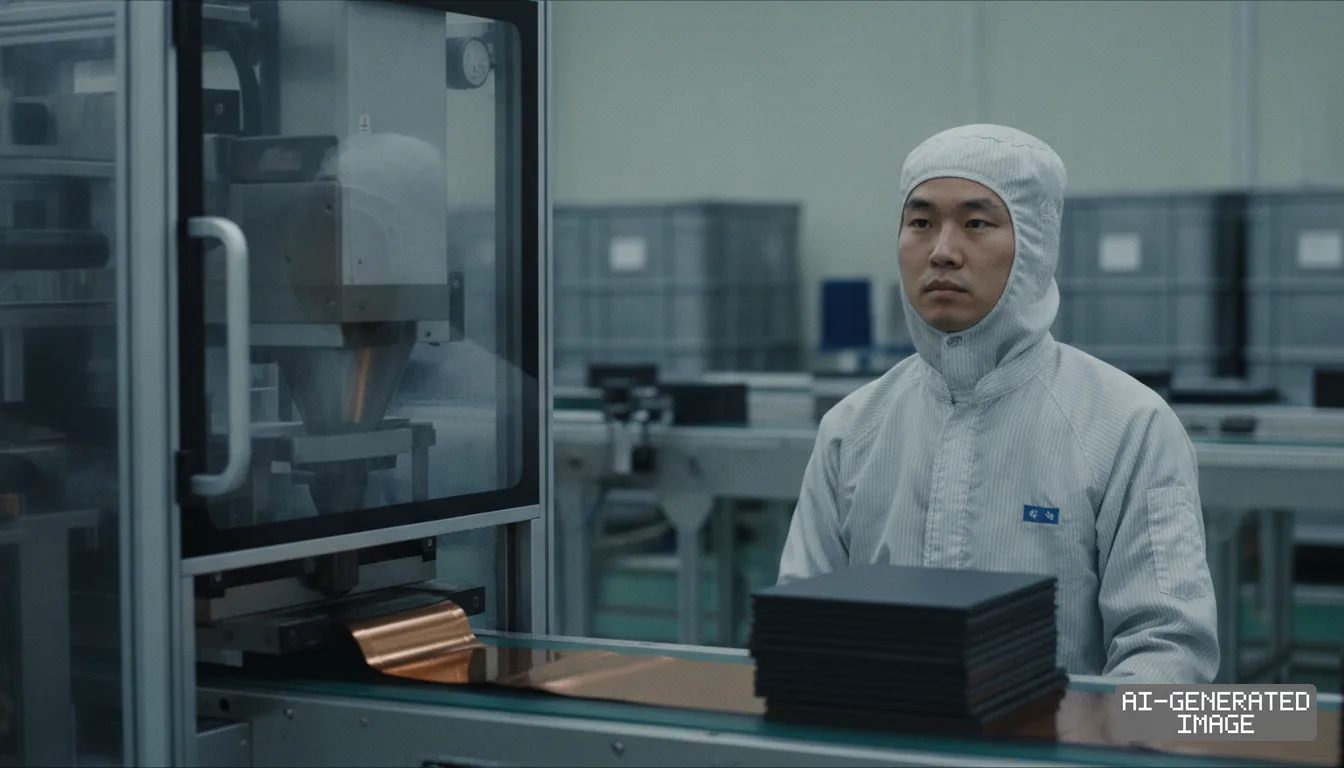
A dedicated regional battery plant will supply traction cells directly to the European vehicle lines. BYD manufactures its own lithium iron phosphate Blade batteries across domestic facilities in China.
Localizing battery cell production helps vehicles satisfy European rules of origin. European Union trade standards require significant local value creation for finished goods to avoid duties on imported subassemblies.
The localized production network places direct competitive pressure on European incumbents including Stellantis, Renault and Volkswagen. Those legacy carmakers face stringent carbon emission targets across the European Union fleet.
BYD has expanded vehicle distribution across 29 European countries. The Shenzhen-based company has also established a regional business headquarters and an automotive research center in Budapest.
The Szeged plant remains scheduled to begin passenger vehicle manufacturing in late 2025. BYD named Austrian steel supplier voestalpine as an early component partner for that Hungarian operation.
The automaker confirmed earlier that its compact electric hatchback, the Dolphin Surf, will serve as the initial model assembled in Szeged. That vehicle will lead BYD's localized passenger vehicle rollout across European markets.
Acquiring idle assembly lines offers BYD ready access to trained autoworkers. Car manufacturing centers in Spain and France have seen capacity reductions as European producers consolidate factory footprints.
The shift reflects a broader transition among Chinese electric vehicle manufacturers toward overseas localized assembly. Higher trade barriers in North America and Europe have curtailed direct car shipments from Chinese ports.
Chinese automotive groups such as Geely and Chery Automobile have pursued similar production arrangements across Europe. Geely utilizes existing European manufacturing assets, while Chery established a joint venture in Spain.
BYD has not filed a regulatory disclosure regarding the European plant expansion with the Hong Kong Stock Exchange. The company has also issued no official press release confirming the investment scale.
Official documents do not state the planned annual production capacity for the battery plant. BYD has also not disclosed the total capital expenditure allocated for the prospective European factories.
BYD expects to select the location for its second European vehicle manufacturing facility by the end of 2026, Altavilla said. Commercial reviews of candidate facilities in Southern and Western Europe remain ongoing.
The definitive countervailing duties enacted under Commission Implementing Regulation 2024/2754 remain in legal force across all 27 European Union member states.
Impact map
How this development propagates across the region and out to global buyers.
| Event | Korea | China | Japan | Global impact |
|---|---|---|---|---|
| European assembly expansion | LG Energy Solution and SK On face direct competition for European battery supply | BYD shifts from direct EV exports to European brownfield assembly and cell localization | Toyota and Honda face intensified European market pressure in compact EV segment | Localized EV production reduces trade friction while raising European automotive competition |
In this story
- Companies
- BYD
- Tickers
- 1211.HK002594.SZ
- Exposed
- StellantisRenaultVolkswagenvoestalpine
- Policy
- TariffsSubsidies
- Impact
- Supply ChainCapexPricing
Track every Tariffs development → Track every Subsidies development →
Related briefings
- Hungary halts CATL and BYD plant work as environmental rules tighten Also on Volkswagen, BYD
- Innometry sweeps Samsung SDI US ESS battery inspection orders Also on Stellantis, Tariffs
- Sungrow picks Samsung SDI cells to protect US storage sales Also on Stellantis, Tariffs
- GM and Stellantis weigh Korean auto parts suppliers amid China risks Also on Stellantis, Tariffs
Sources
Primary documents
Reporting
Confidence: high — how we grade this
The documents behind this briefing are linked above. East Asia Brief produces its English text with AI assistance under human editorial review, and does not translate or republish other outlets' articles. See our methodology and AI policy. Spotted an error? Tell us.
The Morning Brief
What changed in Korean, Chinese and Japanese industry overnight — and what it means for your supply chain. One email, weekday mornings, US time. Free.
The first issue goes out shortly. Sign up now and you will not miss it.