Chinese EV Makers Build 26 EU Plants to Bypass 27% Tariffs
Carmakers and cell suppliers accelerate localized manufacturing across the European Union to circumvent countervailing duties, expanding Chinese battery market share on the continent to 67.8%.
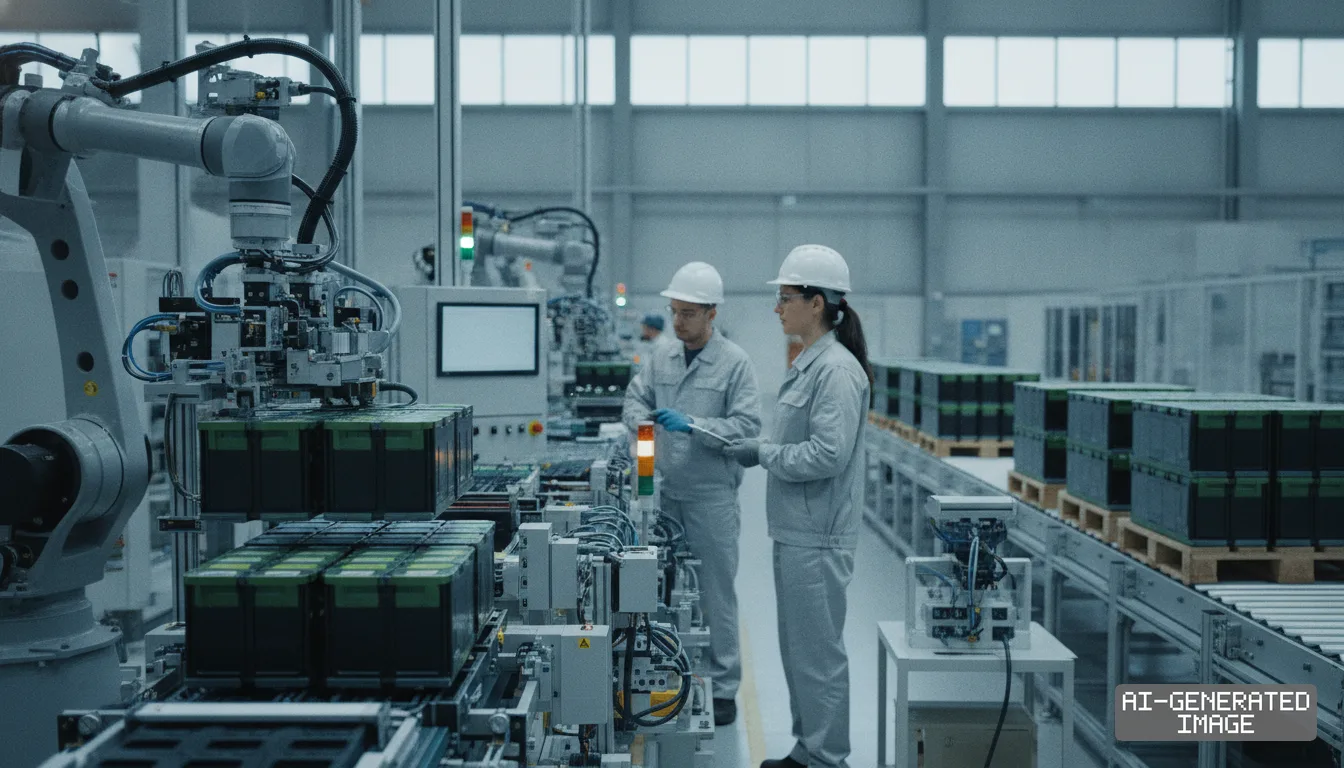
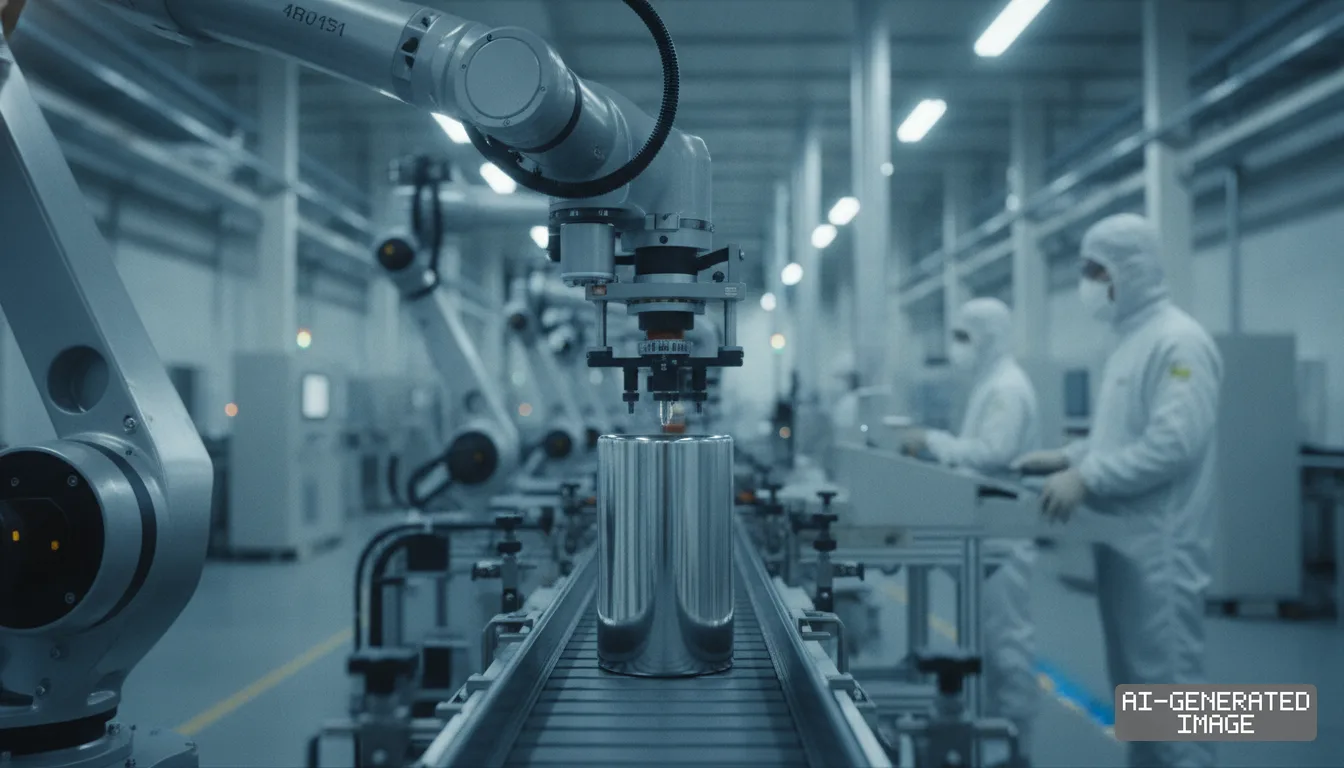
Chinese electric vehicle and battery manufacturers advanced operations across 26 European production sites on Oct. 18, 2026, shifting industrial capacity inside the trade bloc to bypass European Union countervailing import duties.
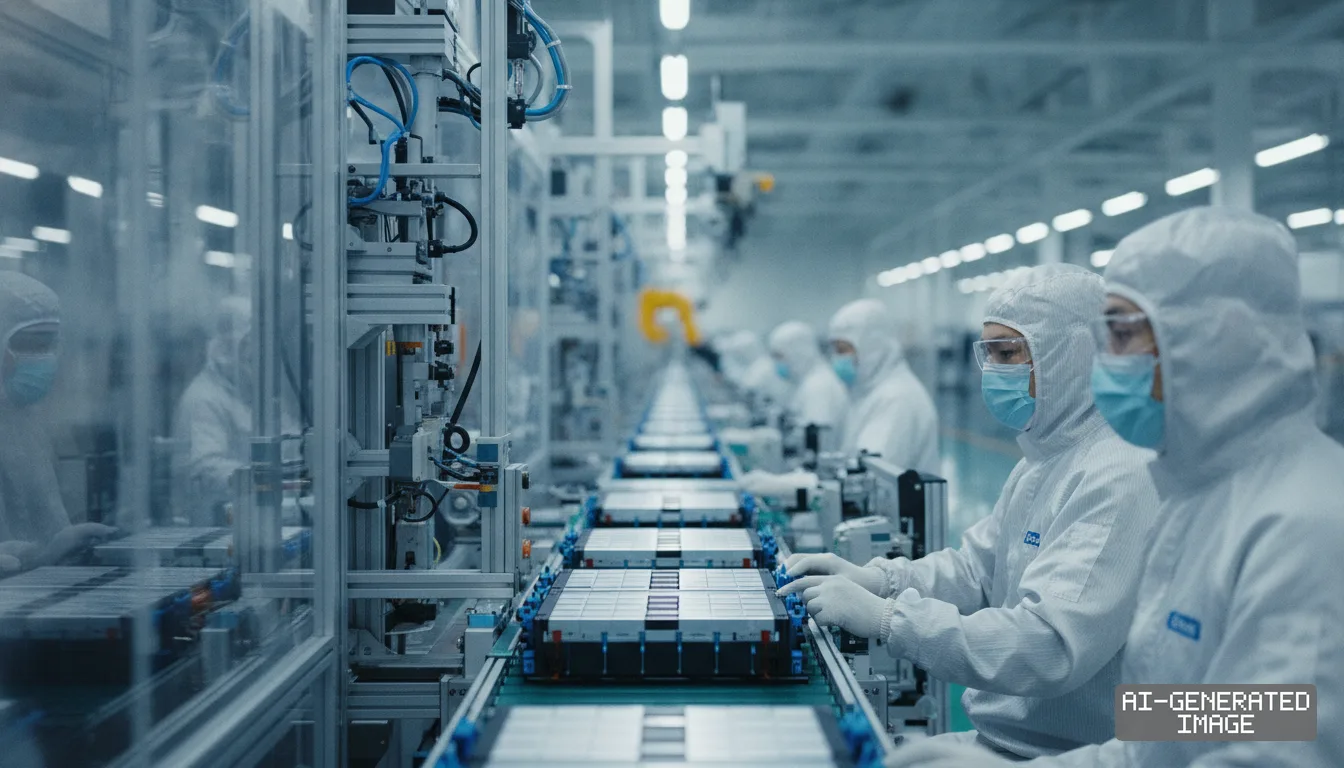
The localized factory cluster represents a rapid operational pivot away from direct exports toward domestic European assembly. Contemporary Amperex Technology Co. Limited (CATL) anchors this push with a 7.34 billion euro ($8.0 billion), 100 gigawatt-hour battery plant in Debrecen, Hungary, designed to supply approximately 18% of projected continental cell demand.
Together, the operational and planned sites have enabled seven Chinese battery suppliers to lift their combined European market share to 67.8% during the January-to-August period of 2026, up from 41.0% in 2023, according to industrial shipment tallies.
The European Commission enacted definitive countervailing tariffs under Implementing Regulation 2024/2754 after an anti-subsidy inquiry concluded Chinese state assistance undercut European vehicle makers. That regulation imposes individual duties of 17.0% on BYD, 18.8% on Geely and 35.3% on SAIC on top of the baseline 10% customs tariff.
Assembling vehicles and battery cells inside the European Union removes that combined 27.0% duty penalty on imported electric cars. The geographic realignment gives Chinese manufacturers direct access to continental buyers without border duties, altering production economics across European car plants.
BYD has positioned its primary manufacturing beachhead in Szeged, Hungary, spanning a 300-hectare site. The facility carries an initial production target of 150,000 vehicles annually, scaling toward 300,000 units once secondary assembly lines become fully active.
The Szeged plant allows BYD to deliver passenger models such as the Dolphin Surf directly to EU dealerships. The company chose Hungary because of its central transit routes and pre-existing automotive supplier network, Stella Li, executive vice president of BYD, said.
BYD has also contracted with Austrian group voestalpine to supply sheet steel for vehicle bodies in Szeged. The procurement contract secures localized raw material inputs, helping BYD satisfy rules of origin while trimming intercontinental freight costs.
CATL is completing cell assembly facilities across 221 hectares in the Southern Industrial Park of Debrecen. The Chinese battery maker established the facility to supply high-nickel and lithium-iron-phosphate cells to European assembly lines operated by Mercedes-Benz, BMW, Stellantis and Volkswagen.
The influx of Chinese cell capacity has strained domestic European manufacturing programs. Swedish battery maker Northvolt filed for judicial restructuring, while Automotive Cells Company (ACC)—a joint venture between Stellantis, Mercedes-Benz and TotalEnergies—halted development at planned gigafactories in Kaiserslautern, Germany, and Termoli, Italy.
South Korean battery producers have sustained direct market losses as Chinese competitors localize. The combined European market share of LG Energy Solution, Samsung SDI and SK On fell to 28.7% between January and August 2026, down from 55.6% three years earlier.
Chinese cell companies EVE Energy and Gotion High-tech have reinforced this market gain through dedicated production lines across Hungary, Germany and Slovakia. The facilities provide European car assemblers with local battery cells priced roughly 20% below European rivals, automotive procurement filings show.
The European Commission has not published an official registry verifying all 26 operational and planned Chinese manufacturing sites, and individual municipal permit approvals across member states remain unpublished.
BYD plans to launch commercial passenger vehicle assembly at its Szeged facility in the fourth quarter of 2026, while the European Union's definitive countervailing duties remain legally in force through October 2029.
Impact map
How this development propagates across the region and out to global buyers.
| Event | Korea | China | Japan | Global impact |
|---|---|---|---|---|
| Chinese EV localized manufacturing | LG Energy Solution, Samsung SDI and SK On see European share drop from 55.6% to 28.7% | BYD and CATL eliminate 17% to 27% tariff drag by moving production into Hungary | Automotive suppliers navigate displaced Tier-1 orders as Chinese firms tap local steelmakers | European carmakers secure lower-cost LFP cells locally as domestic rivals Northvolt and ACC stall |
In this story
- Companies
- BYDContemporary Amperex Technology
- Tickers
- 002594.SZ300750.SZ
- Exposed
- LG Energy SolutionSamsung SDISK OnMercedes-BenzBMWStellantisVolkswagenvoestalpine
- Policy
- Tariffs
- Impact
- Supply ChainPricingCapex
Track every Tariffs development →
Related briefings
- BYD plans three European car plants to counter EU tariffs Also on voestalpine, Volkswagen, Stellantis
- CATL and Kuehne+Nagel agree on electric freight logistics Also on Mercedes-Benz, BMW, Volkswagen
- CATL expands Hungary battery workforce for local EV supply Also on Mercedes-Benz, BMW, Stellantis
- CATL Surpasses Korean Battery Trio in Markets Outside China Also on BMW, Volkswagen, SK On
Sources
Primary documents
Reporting
Confidence: high — how we grade this
The documents behind this briefing are linked above. East Asia Brief produces its English text with AI assistance under human editorial review, and does not translate or republish other outlets' articles. See our methodology and AI policy. Spotted an error? Tell us.
The Morning Brief
What changed in Korean, Chinese and Japanese industry overnight — and what it means for your supply chain. One email, weekday mornings, US time. Free.
The Morning Brief is in preparation. Leave your address and we will write to you once — when the first issue is ready. Nothing before that.