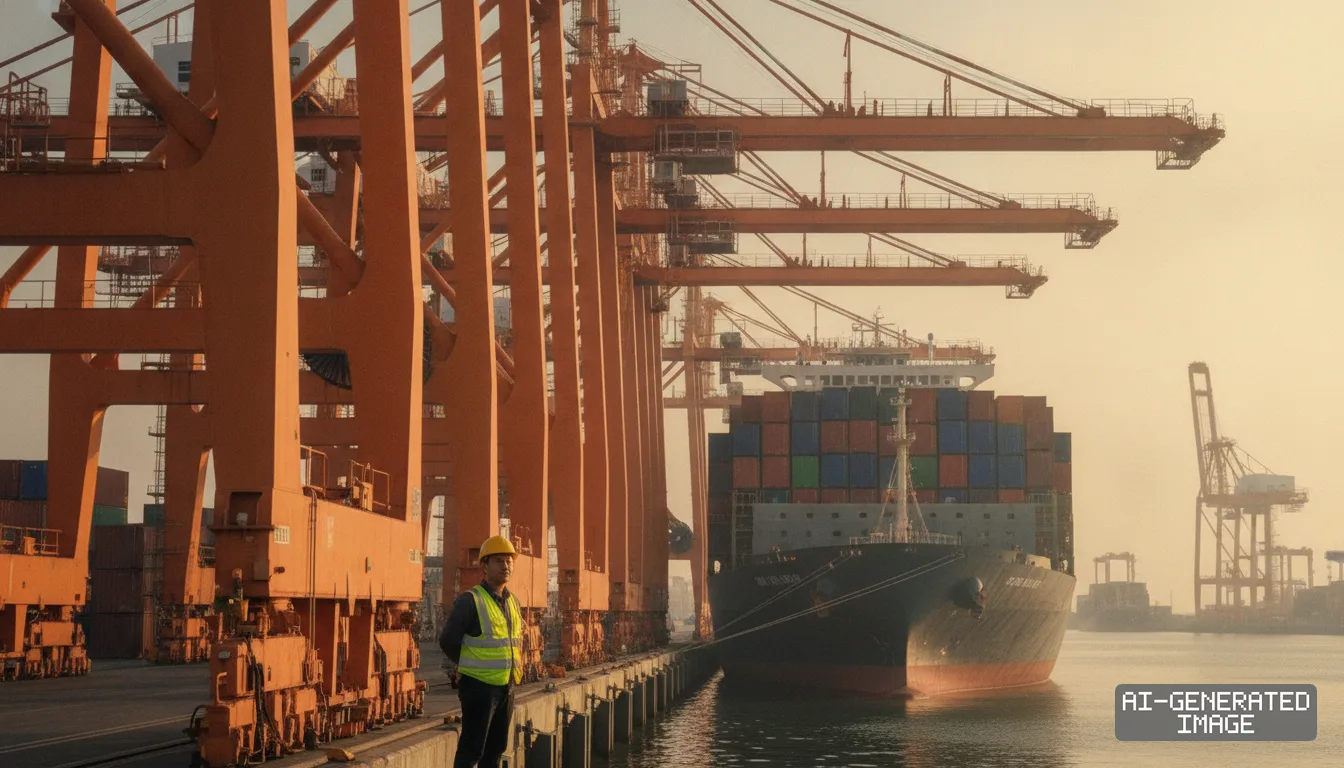
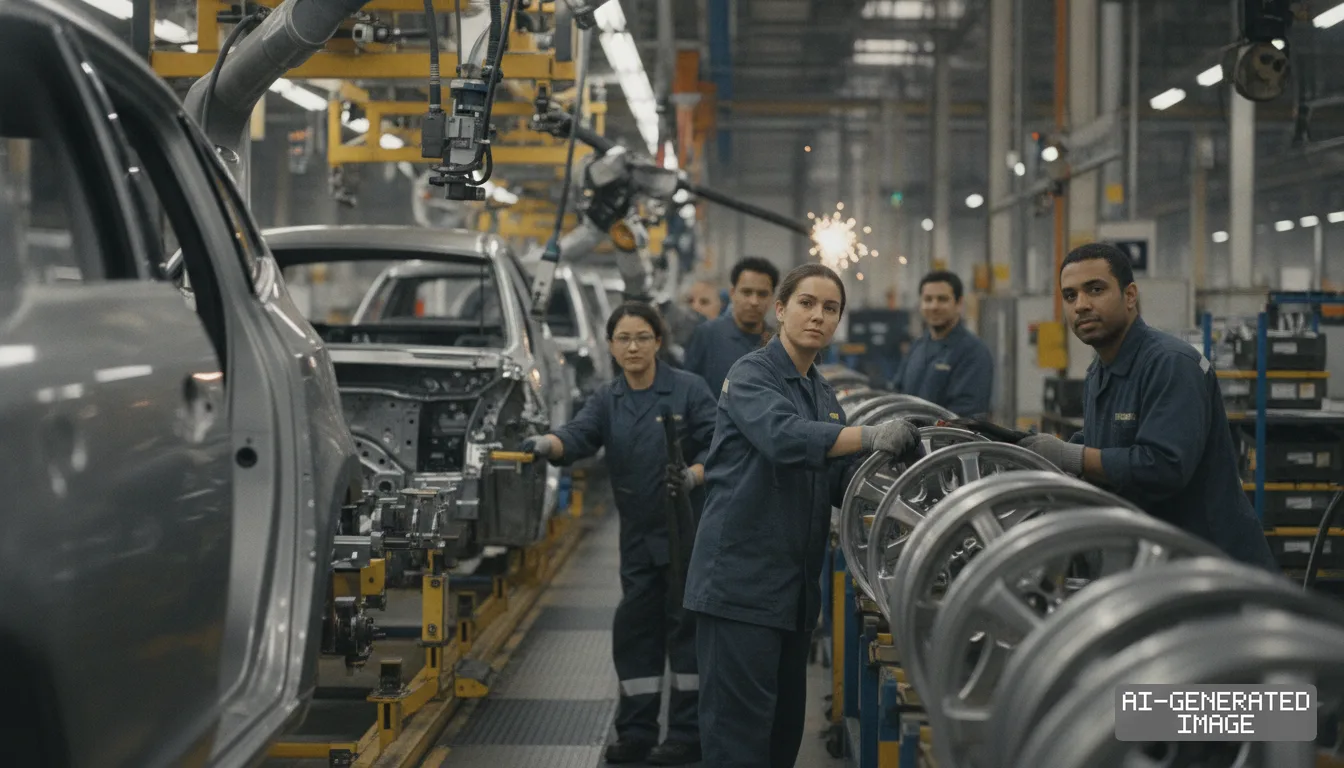
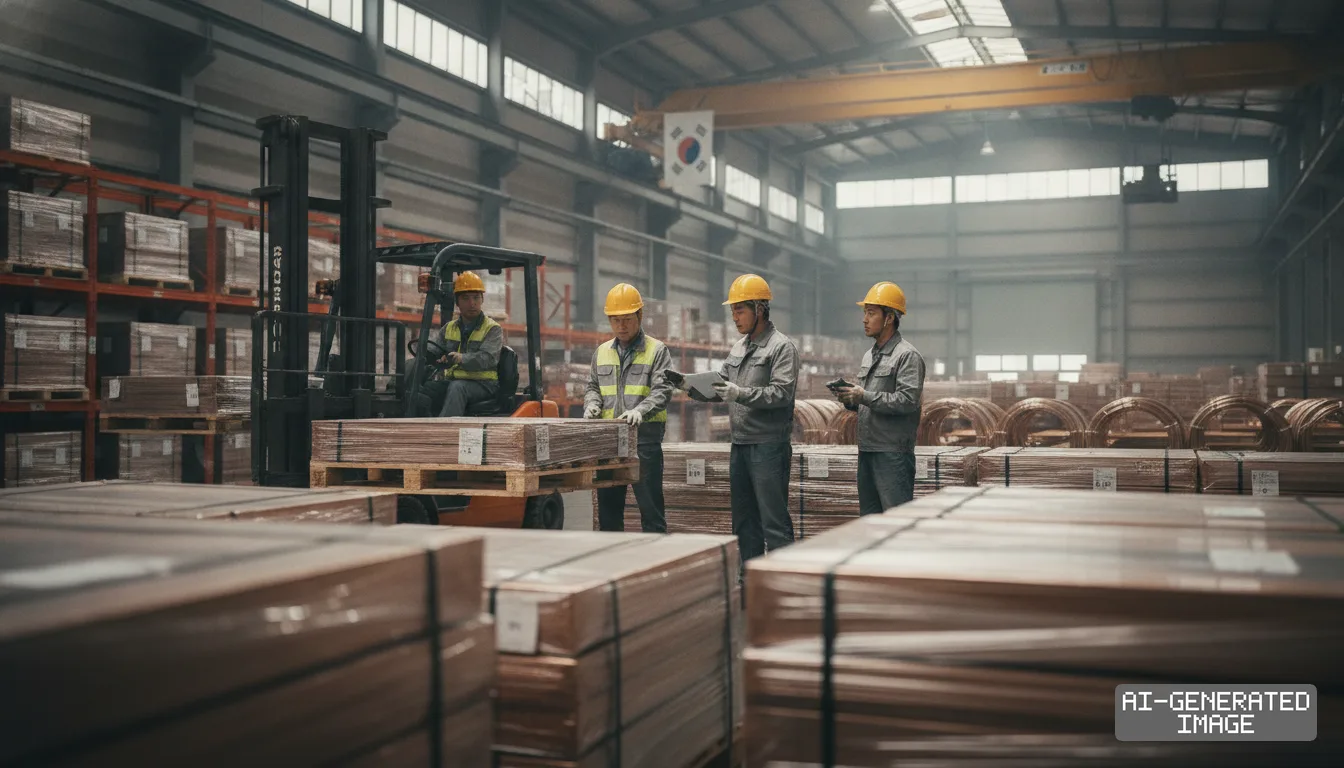
US presses China as rare earth shipments lag Busan pact by 34%
Treasury Secretary Scott Bessent warned Beijing on Nov. 6 that trade relief depends on meeting quotas for gallium and graphite before Jan. 10.
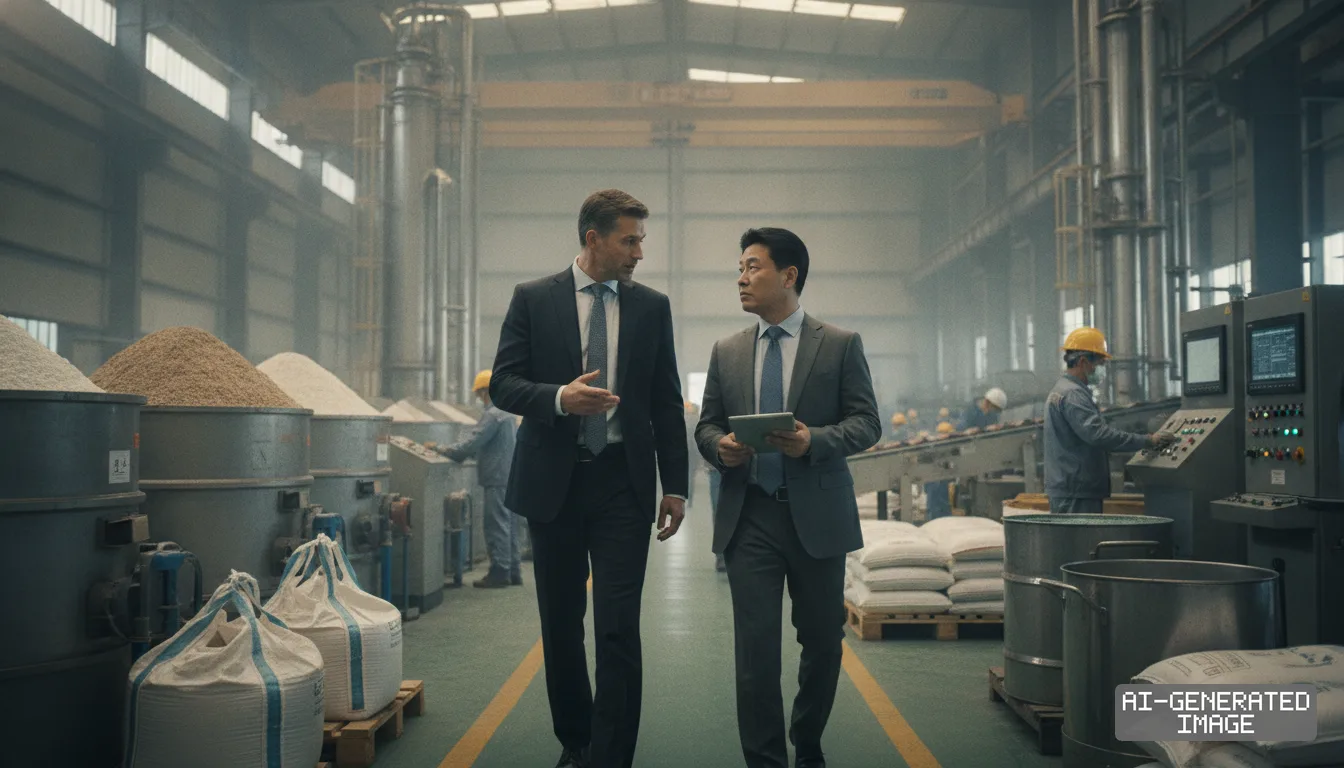
US Treasury Secretary Scott Bessent pressed Chinese Vice Premier He Lifeng on Nov. 6, 2026, to immediately fulfill critical mineral commitments under the bilateral Busan trade arrangement.
Trade officials in Washington said China has delivered about two-thirds of the rare earth volumes promised under the pact. That leaves critical mineral shipments roughly 34% below expected trade flows.
United States Trade Representative Jamieson Greer joined the call, urging Beijing to expedite export licensing for rare earths, gallium, germanium, antimony and graphite. American officials emphasized that trade progress depends on concrete results.
The Treasury Department said in a statement that Washington will closely assess Chinese compliance with the accord. The administration warned that continued tariff relief hinges directly on verified deliveries across strategic commodity channels.
The dispute tests the trade truce negotiated in Busan, South Korea, on Oct. 30, 2025. Under that arrangement, Washington paused broad tariff increases while Beijing agreed to lift restrictions on critical minerals.
The original truce carried a 12-month term scheduled to end Nov. 10. Bilateral negotiators agreed during talks in Washington in late September to extend the deadline to Jan. 10, 2027.
Customs figures show China exported 512 metric tons of rare earth permanent magnets to the United States in August. That volume represents a 13% decline from the same month last year.
Delays have hit shipments of yttrium, an element essential for thermal barrier coatings in jet turbines and missile guidance systems. Defense contractor Lockheed Martin relies on alloy suppliers that process Chinese yttrium feedstocks.
Automotive manufacturer General Motors consumes neodymium-iron-boron magnets for electric vehicle drivetrains. Raytheon also uses precision rare earth components in radar assemblies, where buffer stocks have narrowed to roughly six weeks of production.
State-controlled producers China Northern Rare Earth and China Rare Earth Group handle more than 70% of China's heavy rare earth mining quota. Both firms operate under export licensing quotas administered in Beijing.
The Busan agreement stipulated that China would issue general export licenses for strategic minerals to American end users. US officials said bureaucratic screening has effectively capped outbound tonnage.
China's Ministry of Commerce said exporters had not failed to honor contractual obligations. Ministry officials said export licensing operates according to standard security regulations and denied imposing deliberate shipment bottlenecks.
Chinese trade negotiators said Washington has moved too slowly on reciprocal tariff reductions. Beijing affirmed readiness to expand agricultural imports, but conditioned purchases on reciprocal tariff relief covering $30 billion of goods on each side.
Beijing has met its baseline commitment to purchase 25 million metric tons of American soybeans annually. However, shipments of sorghum, pork and timber have remained well below agreed purchase targets.
Failure to resolve the minerals dispute could trigger the reinstatement of suspended punitive duties. Washington had agreed to pause the Department of Commerce Affiliates Rule, which restricts subsidiaries of sanctioned Chinese entities.
The Affiliates Rule extends export control curbs to foreign subsidiaries that are at least 50% owned by listed entities. Reinstating the measure would affect dozens of unlisted Chinese technology and manufacturing affiliates.
The mineral delays also extend across allied manufacturing networks. Japanese metallurgical processors that refine Chinese heavy rare earths for delivery to American aerospace plants have reported lengthening export clearance times at Chinese ports.
South Korean battery and electronics makers face secondary price risks if export restrictions tighten. Korean manufacturers import more than 80% of their refined rare earth metals and permanent magnets from China.
The diplomatic warning arrived two weeks before trade ministers prepare for bilateral meetings in Shenzhen. Negotiators are attempting to stabilize commercial terms before heads of state convene in late November.
The Treasury readout does not state the exact tonnage shortfall of rare earth shipments, and the two governments have not published the bilateral commodity quota list.
The bilateral truce extension expires on Jan. 10, 2027. American and Chinese trade teams have scheduled working-level reviews in December to audit customs clearances before the tariff suspensions end.
Impact map
How this development propagates across the region and out to global buyers.
| Event | Korea | China | Japan | Global impact |
|---|---|---|---|---|
| Busan truce rare earth shortfall | Heavy industry and battery supply chains face indirect price volatility on refined minerals | China Northern Rare Earth and peers hold export permits subject to ministry customs screening | Magnet and turbine component suppliers see delayed yttrium shipments to US buyers | Defense and automotive supply chains face tighter magnet inventories and tariff snapback risks |
In this story
- Companies
- China Northern Rare EarthChina Rare Earth Group
- Tickers
- 600111.SS000831.SZ
- Exposed
- Lockheed MartinGeneral MotorsRaytheon
- Policy
- Export ControlsTariffs
- Impact
- Supply ChainCompliance
Track every Export Controls development → Track every Tariffs development →
Related briefings
- China Customs logs 6.7% rise in September rare earth exports Also on China Northern Rare Earth, China Rare Earth Group, Export Controls
- China ties rare earth permits to European trade concessions Also on China Northern Rare Earth, Tariffs, Export Controls
- Chinese rare earth suppliers halt shipments to US customers Also on Lockheed Martin, China Rare Earth Group, Export Controls
- Northern Rare Earth widens profit 137% on tight magnet rules Also on China Northern Rare Earth
Sources
Primary documents
Reporting
Confidence: high — how we grade this
The documents behind this briefing are linked above. East Asia Brief produces its English text with AI assistance under human editorial review, and does not translate or republish other outlets' articles. See our methodology and AI policy. Spotted an error? Tell us.
The Morning Brief
What changed in Korean, Chinese and Japanese industry overnight — and what it means for your supply chain. One email, weekday mornings, US time. Free.
The Morning Brief is in preparation. Leave your address and we will write to you once — when the first issue is ready. Nothing before that.