Canada lobbies US on Section 232 tariffs, targeting auto exemptions
Ottawa seeks relief from 50% duties on metals and 25% vehicle levies to protect regional supply chains in the $1.9 trillion trade zone.
Canadian trade negotiators maintained bilateral engagements with the United States on Nov. 10, 2026, seeking exemptions from Section 232 tariffs on automotive components, steel and aluminum across North American supply chains.
The talks address U.S. duties reaching 50% on Canadian metal products and 25% on non-compliant motor vehicles. Trilateral trade under the Canada-United States-Mexico Agreement reached $1.9 trillion in goods and services in 2026.
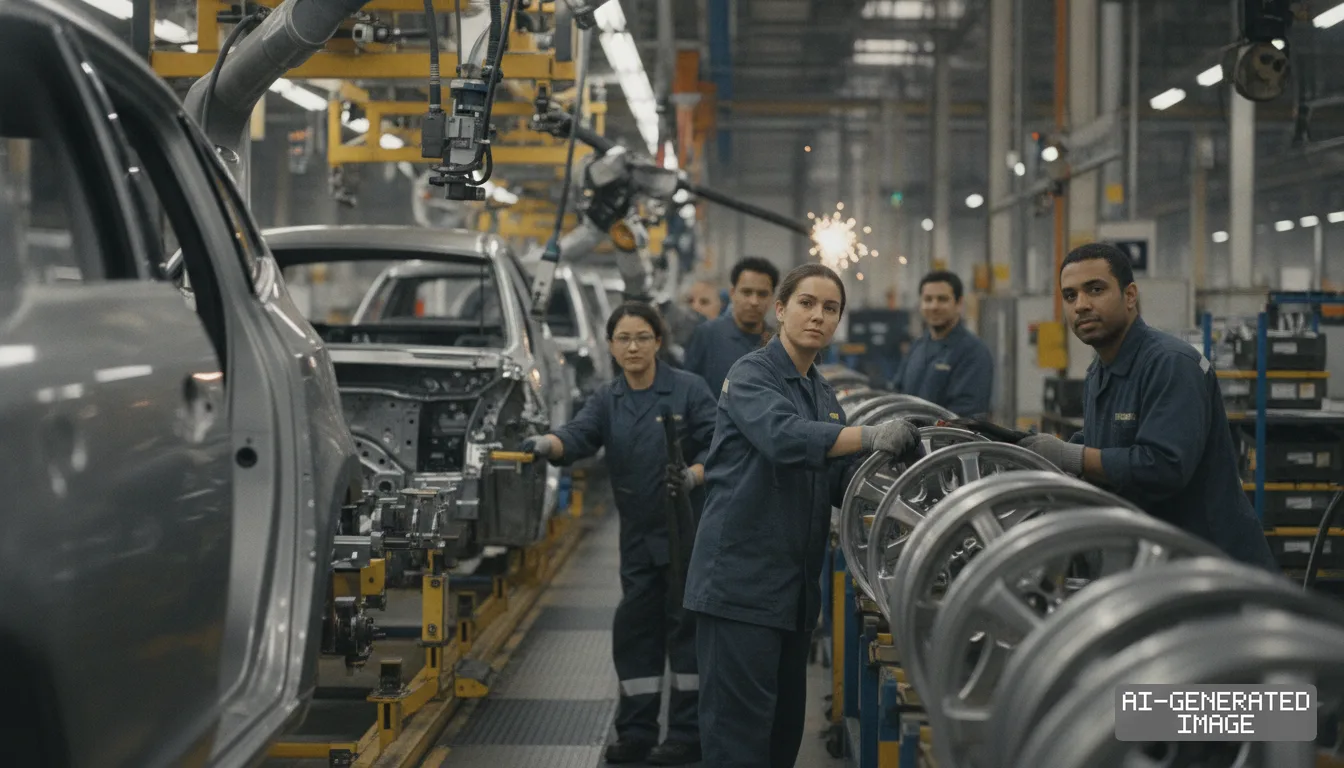
Automotive parts cross the Canadian and U.S. border up to eight times before finished vehicles roll off assembly lines. Full-value tariffs imposed since April 2026 have increased production expenses for regional manufacturers.
Bilateral discussions resumed in late October after breaking down in August over disagreements regarding commercial and heavy-duty vehicle duties. Negotiators restarted dialogue to resolve cross-border trade friction before annual production allocations settle.
Canadian Trade Minister Dominic LeBlanc has led the talks with U.S. Commerce Secretary Howard Lutnick. Lutnick directly oversees the Section 232 tariffs, which fall under the statutory jurisdiction of the U.S. Department of Commerce.
The consultations follow the Nov. 3 U.S. congressional elections, where Democrats won control of both the House of Representatives and the Senate. LeBlanc said Nov. 4 that the midterm results would not alter Ottawa's trade stance.
Trade groups have increased calls for official tariff relief. The Associated Equipment Distributors urged Canadian officials on Nov. 4 to defend machinery supply lines and secure tariff exemptions that preserve trade under preferential treaty terms.
The U.S. trade measures apply a 50% duty on pure steel and aluminum products and 25% on items primarily containing those metals. A 10% rate applies only to foreign goods made with at least 95% U.S.-melted metal.
Starting in April 2026, the United States began assessing tariffs on the full commercial value of imported goods rather than metal content alone. That procedural change raised customs bills for assemblies containing precision stampings.
Magna International draws roughly 48% of its automotive production sales from the North American market. The company runs 46 manufacturing divisions in Canada that ship chassis modules and powertrain assemblies directly into U.S. vehicle assembly plants.
Electric vehicle components face comparable regulatory pressures across the border. Battery packs and electrified drivetrains rely heavily on aluminum structures and processed cathode active materials sourced from international suppliers across East Asia.
LG Energy Solution operates the NextStar Energy joint venture in Windsor, Ontario, designed for 49.5 gigawatt-hours of cell and module capacity. The facility depends on cross-border logistics to deliver finished modules to assembly plants across the American Midwest.
In Becancour, Quebec, POSCO Future M operates the Ultium CAM joint venture with General Motors, providing 30,000 metric tons of annual cathode active material capacity. The plant processes synthetic graphite and nickel precursors for North American electric vehicle batteries.
South Korean steel producers navigate related restrictions in the U.S. market. Hyundai Steel operates under a U.S. Section 232 tariff-rate quota that caps export volumes at 70% of historical shipments recorded between 2015 and 2017.
A Canadian tariff exemption could shift North American automotive steel procurement toward Canadian mills. South Korean producers remain bound by fixed volumetric limits, leaving little room to expand deliveries to U.S. assembly plants.
The Canadian government and the province of Ontario previously committed 9 billion Canadian dollars ($6.4 billion) to aid domestic steel and automotive companies. The funds support manufacturers facing duties while building domestic mineral processing facilities.
Ottawa altered its domestic trade rules on Nov. 9, 2026, extending remission programs while excluding products that domestic mills produce reliably. The policy change removed tariff relief for imported trailers, aluminum wire and paperboard.
Long-term trade rules between the two countries remain tied to the Canada-United States-Mexico Agreement. The treaty completed its initial six-year joint review on July 1, 2026, after member governments opted for annual reviews through 2036.
Canadian officials formally recommended a 16-year blanket extension of the trilateral agreement on June 1, 2026. The U.S. administration declined an immediate multi-year extension, requiring annual monitoring meetings on rules of origin and economic security provisions.
Canadian Prime Minister Mark Carney departed Ottawa on Nov. 10, 2026, for official visits to Ireland, the Philippines, Cambodia and China. The travel schedule leaves direct bilateral tariff talks to cabinet-level negotiators in Washington.
Global Affairs Canada has not published an official document confirming a new negotiating round opened on Nov. 10, 2026. The department has also not clarified whether duty remissions will extend to advanced battery components.
U.S. and Canadian trade representatives plan to continue bilateral consultations before the 120th U.S. Congress convenes on Jan. 3, 2027. The three North American partners will open their next formal annual treaty review on July 1, 2027.
Impact map
How this development propagates across the region and out to global buyers.
| Event | Korea | China | Japan | Global impact |
|---|---|---|---|---|
| Section 232 tariff talks | Hyundai Steel stays capped under 70% quota while LG Energy Solution and POSCO Future M face Canadian supply rules | Chinese EV component suppliers remain excluded under strict North American content thresholds | Toyota and Honda North American assembly lines face higher tariff compliance costs on Canadian metal inputs | Automotive supply chains incur higher documentation and sourcing expenses under full-value customs valuation |
In this story
- Companies
- Magna InternationalLG Energy SolutionPOSCO Future MHyundai Steel
- Tickers
- MG.TO373220.KS003670.KS004020.KS
- Exposed
- General Motors
- Policy
- TariffsLocal Content Rules
- Impact
- Supply ChainPricingCost Structure
Track every Tariffs development → Track every Local Content Rules development →
Related briefings
- POSCO Future M and L&F build LFP lines on Korean battery contracts Also on Hyundai Steel, POSCO Future M, Local Content Rules
- Asian Shipyard Heavy Plate Costs Diverge as Mills and Builders Clash Over Contract Pricing Also on Hyundai Steel, Tariffs, Pricing
- Korea Urges USTR to Strictly Honor 15% Bilateral Tariff Cap Also on Hyundai Steel, Tariffs, Pricing
- Hyundai Steel and POSCO build US plant to bypass Section 232 Also on Hyundai Steel, Tariffs, Pricing
Sources
Reporting
Confidence: medium — how we grade this
The documents behind this briefing are linked above. East Asia Brief produces its English text with AI assistance under human editorial review, and does not translate or republish other outlets' articles. See our methodology and AI policy. Spotted an error? Tell us.
The Morning Brief
What changed in Korean, Chinese and Japanese industry overnight — and what it means for your supply chain. One email, weekday mornings, US time. Free.
The Morning Brief is in preparation. Leave your address and we will write to you once — when the first issue is ready. Nothing before that.