Trump labels robotics imports a US national security threat
A Section 232 proclamation directs trade negotiations with foreign suppliers over 180 days while reserving authority to levy tariffs across a $7.1 trillion industrial base.
President Donald Trump signed a proclamation on Oct. 29, 2026, finding that foreign imports of robotics and industrial machinery threaten to impair the national security of the United States.
The executive order invokes Section 232 of the Trade Expansion Act of 1962. It concludes an investigation initiated by the Department of Commerce on Sept. 2, 2025, into automated manufacturing hardware.
Commerce Secretary Howard Lutnick submitted his findings to the White House within the 90-day statutory window. The report advised that high foreign import reliance weakens the domestic industrial base during national defense mobilizations.
The machinery sectors examined in the probe support $7.1 trillion in annual United States manufactured goods shipments, the White House said. Domestic production of industrial equipment totaled $86 billion in 2024, leaving domestic factories reliant on overseas suppliers.
Federal investigators found that domestic production cannot meet current industrial requirements. The United States lacks the domestic capacity to fulfill national demand for robotics and advanced tools, according to the proclamation.
Machinery covered by the order operates across all 16 designated federal critical infrastructure sectors. The document noted that modern defense systems, chemical processing and energy facilities require automated computer-controlled equipment to function effectively.
Federal agencies stressed the sector's strategic role in military manufacturing readiness. Precision industrial machinery is essential for surging output of guided missiles, military aircraft and naval combat vessels, the proclamation said.
The findings also identified cybersecurity risks in foreign-made industrial automation hardware. Connected machine tools and robotic arms routinely process proprietary design files and sensitive telemetry data from American factories, according to the White House.
Foreign actors could exploit digital vulnerabilities or unauthorized remote connections in imported machinery to disrupt domestic manufacturing. The administration warned that foreign access creates an unacceptably high risk for critical defense supply chains.
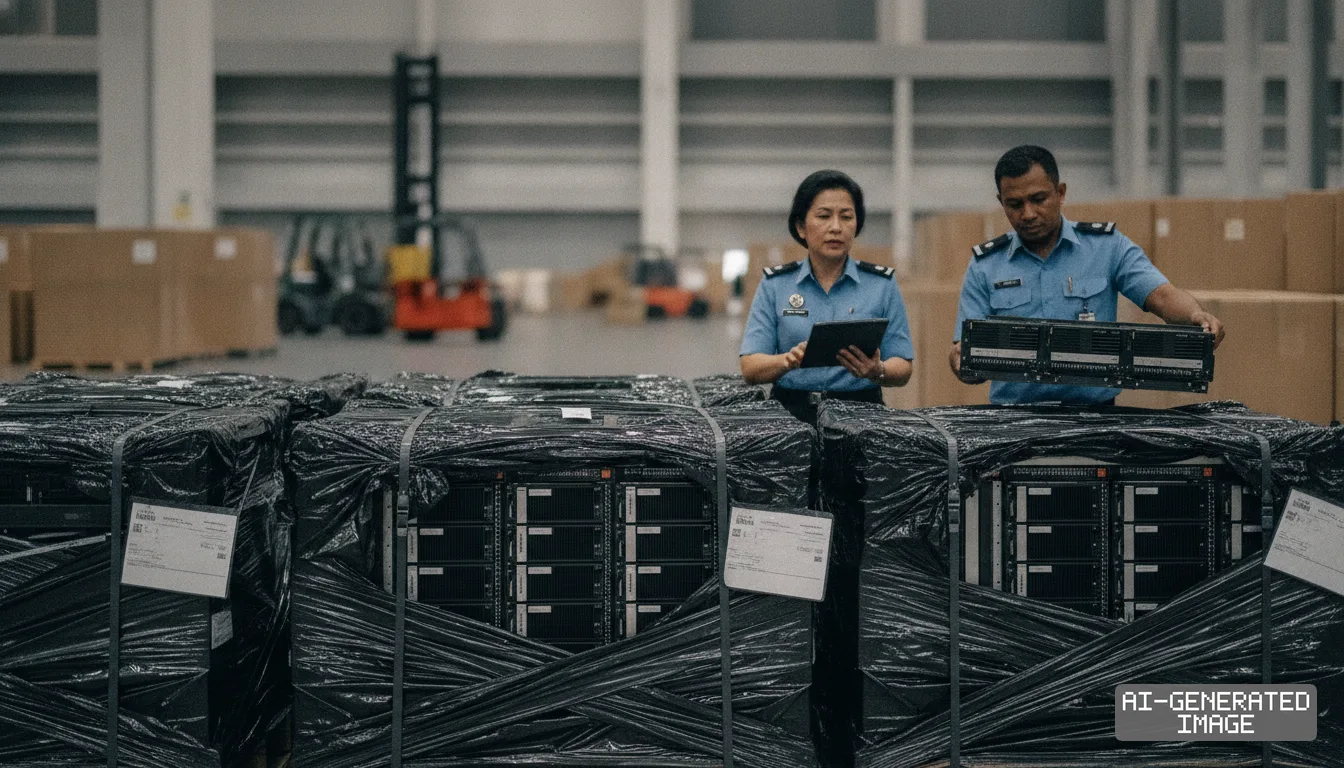
President Trump stopped short of imposing immediate border tariffs or quantitative import restrictions. The administration chose instead to pursue bilateral trade negotiations with major exporting nations to address import reliance, the proclamation said.
The order directs Commerce Secretary Howard Lutnick and United States Trade Representative Jamieson Greer to lead the talks. The two officials must seek trade agreements that reduce foreign import dependence and protect domestic manufacturing capacity.
Cabinet negotiators must report their progress to the president within 180 days of the proclamation's signing date. That provision sets an administrative review deadline of April 26, 2027, to determine whether foreign concessions suffice.
The White House reserved authority to take unilateral trade action if bilateral discussions fail to secure acceptable terms. Potential measures include targeted import tariffs, quantitative quotas or import licensing fees on foreign equipment shipments.
The action expands the administration's use of Section 232 authority across American industrial supply chains. Previous presidential orders have placed import restrictions on steel, aluminum, copper, automobiles, pharmaceuticals, semiconductors, polysilicon and commercial aircraft.
The proclamation also follows national security reviews targeting unmanned aircraft systems and power equipment like wind turbines. Trade policy planners have broadened their focus from raw materials to complex, automated manufacturing systems.
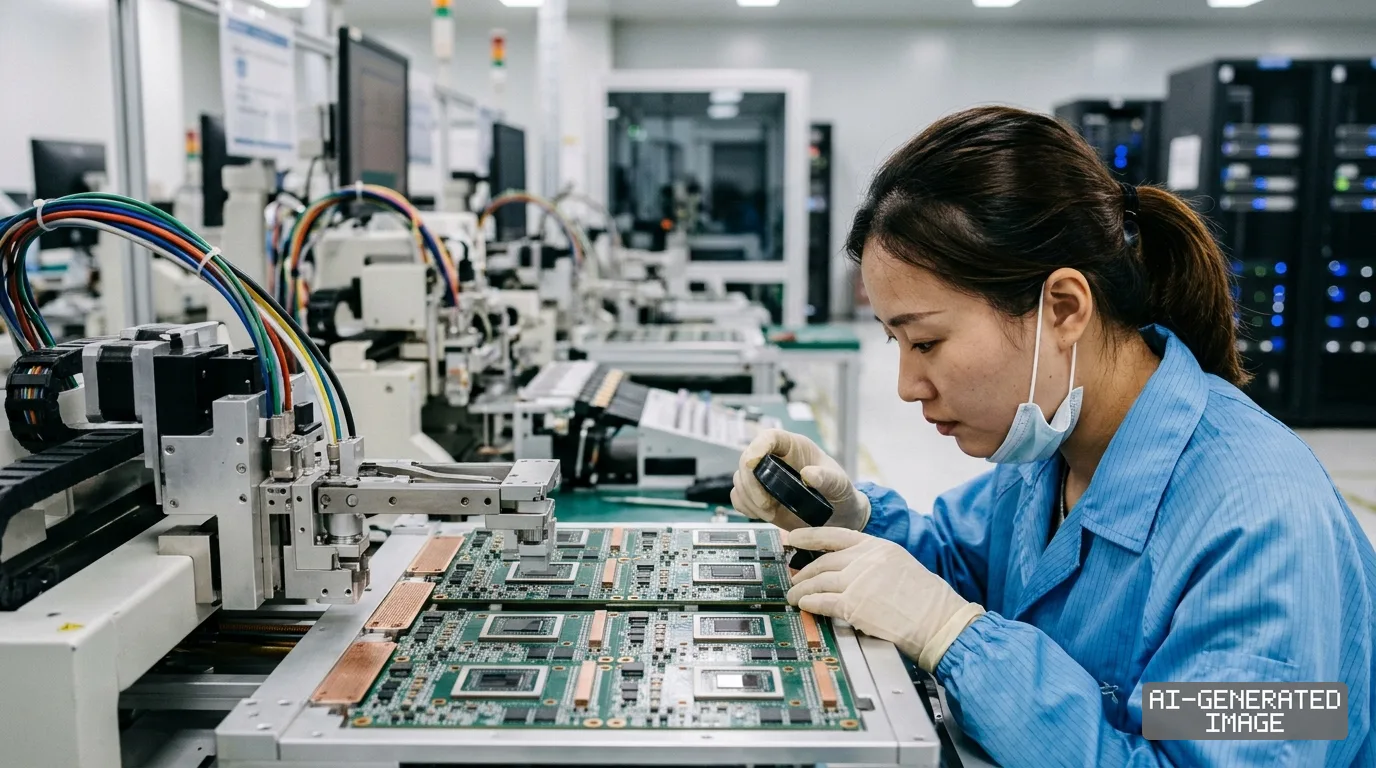
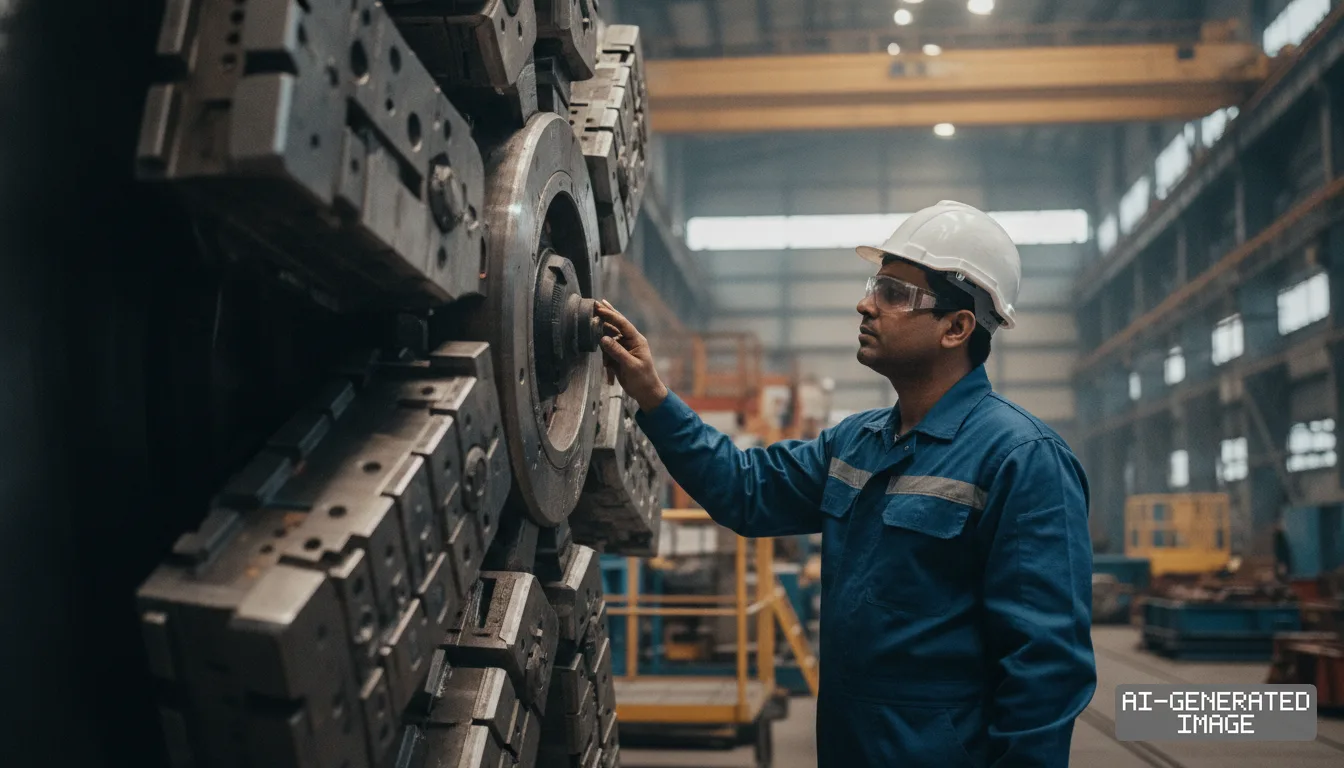
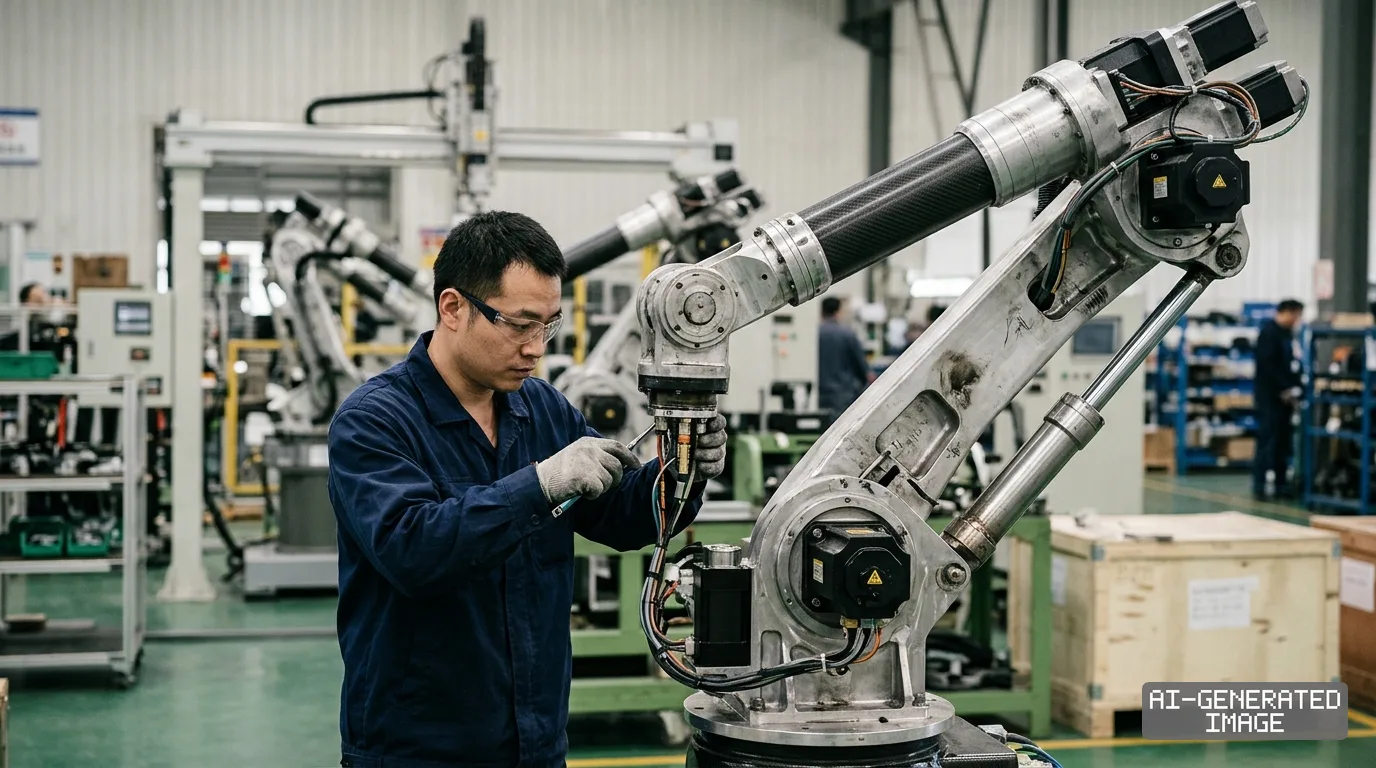
The product scope covers industrial robots, programmable computer-controlled systems and multi-axis machine tools. The investigation also encompasses autoclaves, industrial ovens, laser and water-jet cutting machines, stamping presses and mechanical handling systems.
Precision components are included alongside complete machines under the investigation's mandate. Parts covered by the order include automatic tool changers, precision fixtures, jigs, motion controllers and mechanical assemblies needed to operate automated production lines.
East Asian manufacturers lead global shipments in high-precision robotics and automated cutting tools. Japanese builders dominate global sales of articulated industrial robots and precision reduction gears, while South Korean manufacturers supply machine tooling and automated handling systems.
Industrial trade associations had urged the Department of Commerce during public consultations to avoid broad import duties. Manufacturing coalitions warned that import tariffs on advanced machinery would raise modernization costs for domestic factory operators.
Domestic retooling projects rely on precision machine tools that American equipment makers do not produce in sufficient volume. Corporate buyers cautioned that abrupt trade restrictions could slow capital projects across the automotive and aerospace industries.
The bilateral negotiations over the next six months will focus on whether key allied producing nations can negotiate terms to avoid punitive tariffs. Similar Section 232 proceedings resulted in country-specific quota deals and foreign commitments to build domestic factories.
The proclamation does not list specific foreign target countries or publish the exact tariff rates under consideration if negotiations collapse. The administration has not published an exemption schedule for allied trading partners.
The Office of the United States Trade Representative will begin preliminary trade discussions with partner delegations ahead of the April 2027 statutory reporting deadline.
Impact map
How this development propagates across the region and out to global buyers.
| Event | Korea | China | Japan | Global impact |
|---|---|---|---|---|
| Section 232 robotics import proclamation | Tool builders face 180-day window to negotiate quotas or localize assembly | Automation hardware faces heightened scrutiny over dual-use and cybersecurity risks | Robot and gear exporters face trade talks to protect US factory access | Machine tool procurement exposed to potential tariff increases after April 2027 |
In this story
- Policy
- TariffsInvestment Screening
- Impact
- Supply ChainCapexCompliance
Track every Tariffs development →
Related briefings
- US Treasury expands China investment curbs to six sectors Also on Investment Screening, Compliance
- Korean battery makers secure non-FEOC LFP supply contracts Also on Tariffs, Compliance
- EP Manufacturing, Hebei Shichang form RM100m auto parts JV Also on Tariffs, Compliance
- Malaysia overtakes China in US drone market as tariffs bite Also on Tariffs, Compliance
Sources
Primary documents
Reporting
Confidence: high — how we grade this
The documents behind this briefing are linked above. East Asia Brief produces its English text with AI assistance under human editorial review, and does not translate or republish other outlets' articles. See our methodology and AI policy. Spotted an error? Tell us.
The Morning Brief
What changed in Korean, Chinese and Japanese industry overnight — and what it means for your supply chain. One email, weekday mornings, US time. Free.
The Morning Brief is in preparation. Leave your address and we will write to you once — when the first issue is ready. Nothing before that.