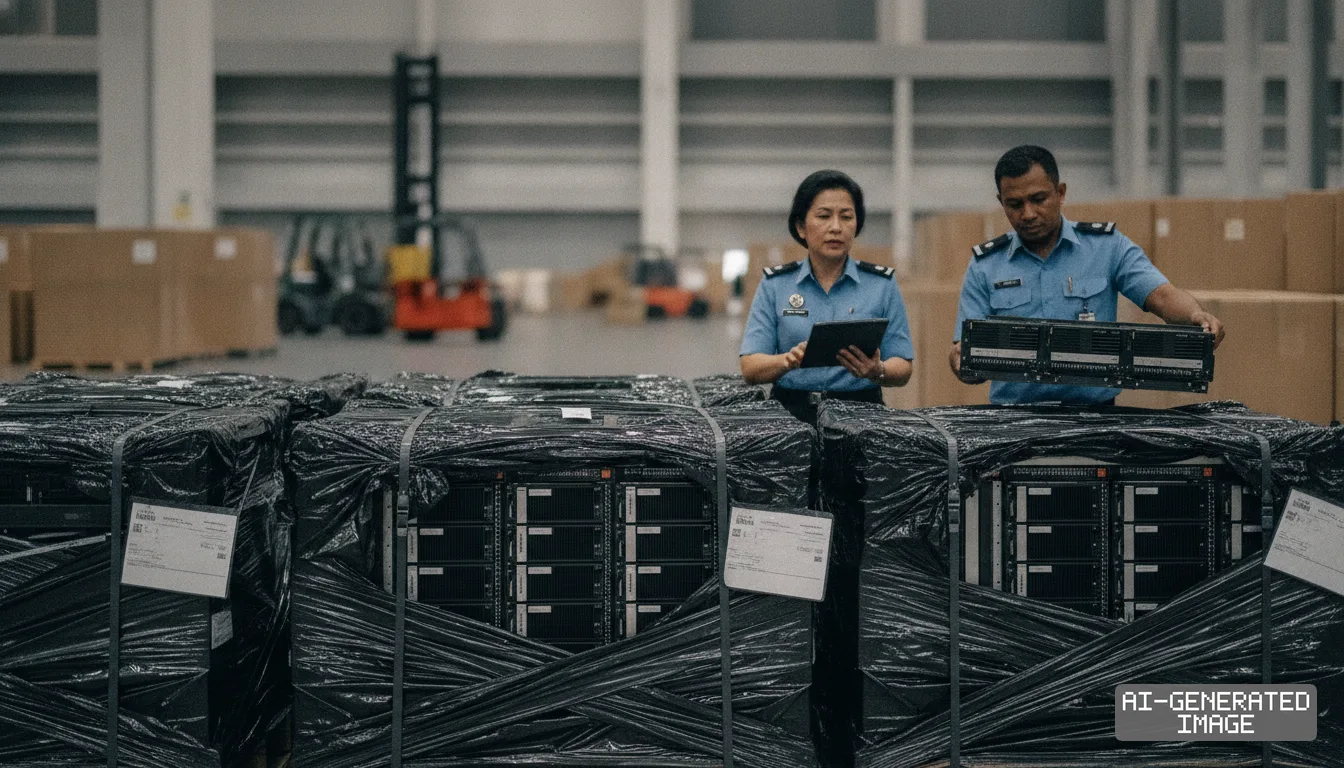
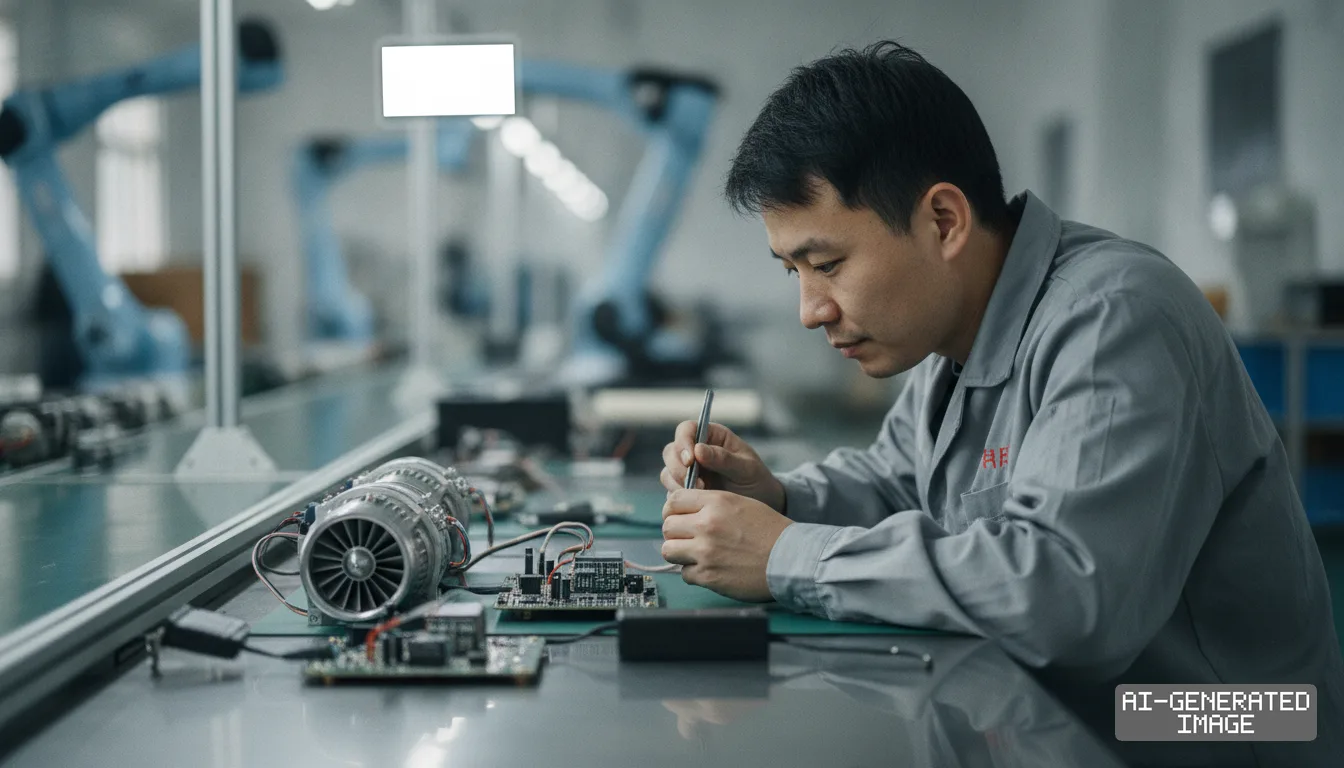
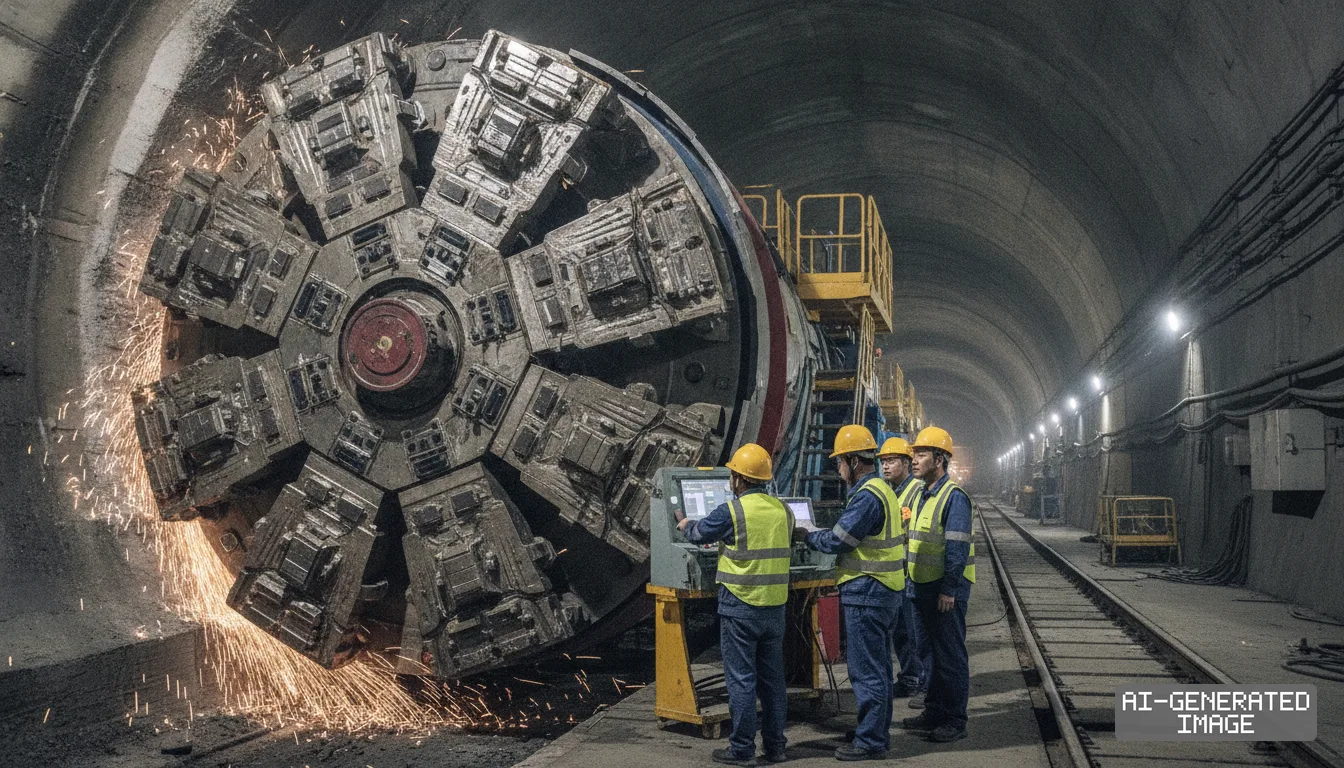
India pushes local tunnel boring machines under China curbs
Road transport minister Nitin Gadkari asked manufacturers to produce heavy excavation equipment domestically as a $95 billion pipeline faces Beijing's new export licensing regime.
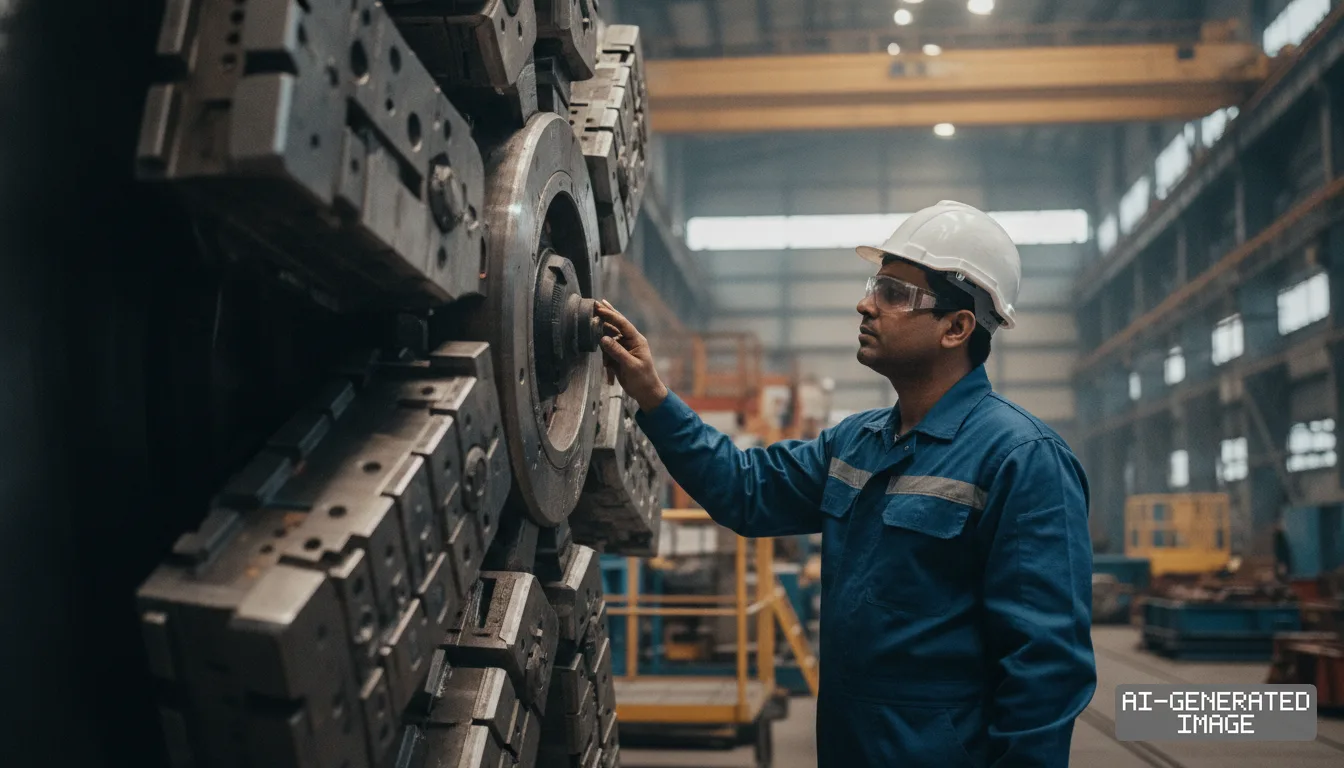
India asked domestic heavy industrial manufacturers on Oct. 28, 2026, to produce tunnel boring machines locally to counter new export restrictions imposed by China on strategic excavation equipment.
Road Transport and Highways Minister Nitin Gadkari outlined a public project pipeline of 7 trillion to 8 trillion rupees ($83 billion to $95 billion) over five years for highway, metro and hydroelectric tunnels.
Gadkari urged Indian engineering conglomerates to eliminate foreign component dependency while addressing a national highways conference organized by the Confederation of Indian Industry in New Delhi, the minister said.
The domestic manufacturing push follows export controls announced by China's Ministry of Commerce and the General Administration of Customs under Announcement No. 50 on Oct. 19, 2026.
The Chinese decree establishes strict dual-use licensing requirements for full-face tunnel boring machines and critical excavation subassemblies, with regulatory enforcement scheduled to begin Nov. 18, 2026.
Tunnel boring machines — circular excavation shields that grind subterranean rock while erecting precast concrete lining rings — are designated under Chinese export control code 2B906.
The restrictions cover earth pressure balance shields, slurry balance shields, open rock tunnel boring machines and dual-shield excavation systems registered under customs code 8430313010, the Chinese ministry notice said.
China also restricted exports of essential replacement mechanisms under control code 2A906. The list includes cutterhead assemblies, main drive systems, screw conveyors and hydraulic segment erectors, the notice stated.
The Chinese commerce ministry added remanufacturing technologies for tunnel boring systems to the restricted list, blocking foreign service centers from refurbishing used Chinese machinery without explicit government permits.
Beijing broadened the trade barriers to walking excavators and plateau-type wet shotcrete machines designed to operate at altitudes exceeding 3,000 meters, according to the regulatory filing.
Those specialized machines reinforce fragile tunnel walls and clear steep landslides in high-altitude mountain environments, making them central to military border infrastructure projects, engineering analysts said.
Under the new Chinese framework, exporters must submit technical end-user documentation, detailed engineering schematics and verified project contracts to trade authorities before securing shipment authorization.
Shipments destined for countries with active territorial or border disputes with China face mandatory individual cabinet-level reviews, creating a structural barrier for Indian infrastructure developers, trade records show.
India's direct imports of tunneling machinery from China dropped from $18 million in fiscal 2023 to approximately $800,000 in fiscal 2026, customs statistics show.
Indian civil contractors had begun shifting procurement orders toward German and Japanese manufacturers after previous border tensions caused port clearance delays and customs impoundments, industry officials said.
Western machine builders remain heavily reliant on manufacturing operations inside China. German equipment leader Herrenknecht maintains major production hubs in Guangzhou and Chengdu to supply international transit projects, company records show.
Commerce and Industry Minister Piyush Goyal previously told German officials that Chinese customs blocked Herrenknecht from exporting Chinese-made boring machines to Indian railway ventures, Goyal said.
State-owned Chinese suppliers China Railway Construction Heavy Industry and China Railway Engineering Equipment Group together control roughly 65% of the worldwide tunnel shield manufacturing market, industry data show.
Those two Chinese builders produce more than 200 large-diameter tunnel boring units annually, pricing equipment roughly 25% to 30% below European rivals, construction procurement reports show.
Indian engineering major Larsen & Toubro holds more than 40% of the country's active underground transit tunneling contracts across Mumbai, Delhi, Chennai and Bengaluru, procurement disclosures show.
Larsen & Toubro operates dozens of specialized excavation shields across highway and rapid-transit corridors, relying on global supply chains for consumable cutter discs and main bearing seals, engineers said.
A three-month disruption in spare parts deliveries can delay transit corridor openings by up to six months, adding tens of millions of dollars to financing costs, contractors said.
India possesses no domestic industrial facility that builds complete large-diameter tunnel boring shields. Domestic heavy fabricators produce external steel shells and concrete lining molds, but import drivetrains and control systems, engineers said.
The Ministry of Road Transport and Highways is coordinating with the Ministry of Heavy Industries to draft production-linked manufacturing incentives for indigenous heavy excavation systems, Gadkari said.
The proposed framework would provide capital subsidies to domestic engineering companies that establish fabrication plants for heavy planetary reduction gearboxes and variable-frequency main electric drives, officials said.
Indian engineering firms are simultaneously opening procurement talks with Japanese manufacturers such as Komatsu and Kawasaki Heavy Industries to secure alternative machinery pipelines, trade sources said.
Procuring equipment from Japanese and European facilities increases initial machinery capital expenditures by 20% to 35% compared to Chinese alternatives, Indian infrastructure contractors said.
China's export control measures under Announcement No. 50 will formally take effect on Nov. 18, 2026, requiring active export permit applications for all subsequent shipments.
The Indian Ministry of Road Transport and Highways has not published a formal notification specifying the total budgetary allocation or rollout schedule for the proposed construction machinery incentive package.
Impact map
How this development propagates across the region and out to global buyers.
| Event | Korea | China | Japan | Global impact |
|---|---|---|---|---|
| China TBM export controls | construction equipment makers see no immediate supply disruption | CRCHI and CREG face licensing hurdles for sensitive foreign markets | Komatsu and Kawasaki Heavy Industries see higher inquiry volumes from Indian builders | underground infrastructure lead times lengthen as tunnel boring costs rise 20% to 35% |
In this story
- Companies
- Larsen & ToubroHerrenknechtChina Railway Construction Heavy Industry
- Tickers
- 500510.BOM688425.SS
- Exposed
- KomatsuKawasaki Heavy Industries
- Policy
- Export ControlsSubsidies
- Impact
- Supply ChainCapexCost Structure
Track every Export Controls development → Track every Subsidies development →
Related briefings
- China curbs tunnel boring machine exports under dual-use law Also on Herrenknecht, China Railway Construction Heavy Industry, Komatsu
- China curbs tunnel boring machine exports under dual-use law Also on Herrenknecht, China Railway Construction Heavy Industry, Export Controls
- India pushes rare earth magnet output to counter China curbs Also on Larsen & Toubro, Export Controls, Cost Structure
- China curbs tunnel boring machine exports ahead of Nov. 18 Also on Larsen & Toubro, Export Controls, Cost Structure
Sources
Primary documents
Reporting
Confidence: high — how we grade this
The documents behind this briefing are linked above. East Asia Brief produces its English text with AI assistance under human editorial review, and does not translate or republish other outlets' articles. See our methodology and AI policy. Spotted an error? Tell us.
The Morning Brief
What changed in Korean, Chinese and Japanese industry overnight — and what it means for your supply chain. One email, weekday mornings, US time. Free.
The Morning Brief is in preparation. Leave your address and we will write to you once — when the first issue is ready. Nothing before that.