METI expands Western rare earth alliances as China chokes yttrium
Tokyo turns to Australia, the United States and Canada for critical mineral joint ventures and off-take agreements as heavy rare earth reserves near exhaustion.
Japan’s Ministry of Economy, Trade and Industry accelerated talks on Oct. 23, 2026, with Western partners to expand rare-earth off-take pacts as Chinese export curbs threaten critical mineral supplies.
The diplomatic push follows warnings that Japanese stockpiles of yttrium—a heavy rare earth vital for jet engines, automotive sensors and semiconductor equipment—could run dry within months.
China exported just 14.1 metric tons of yttrium oxide to Japan during the first five months of 2026, a 97.7% drop from 605.3 metric tons over the same period in 2025, Chinese customs data show.
That collapse in cargo volume drove the export price outside China to $1,150 per kilogram, according to pricing service Argus. Inside China, the same material trades at $9 per kilogram.
The 128-fold international price spread highlights a bifurcated global trade architecture created by Beijing’s export licensing controls, trade officials in Tokyo said.
China first put yttrium and six other heavy rare earths under selective export licensing in April 2025. It tightened restrictions further on Jan. 6, 2026, by barring dual-use shipments to Japanese military end users.
Trade Minister Ryosei Akazawa said on Oct. 23, 2026, that Japan would coordinate closely with the United States and Group of Seven allies to counter targeted mineral restrictions.
Tokyo is deploying capital from state-backed Japan Organization for Metals and Energy Security (JOGMEC) to build alternative processing corridors, ministry officials said.
The state agency works alongside Japanese general trading companies, or sogo shosha, to anchor Western critical mineral extraction with direct equity stakes and guaranteed long-term procurement.
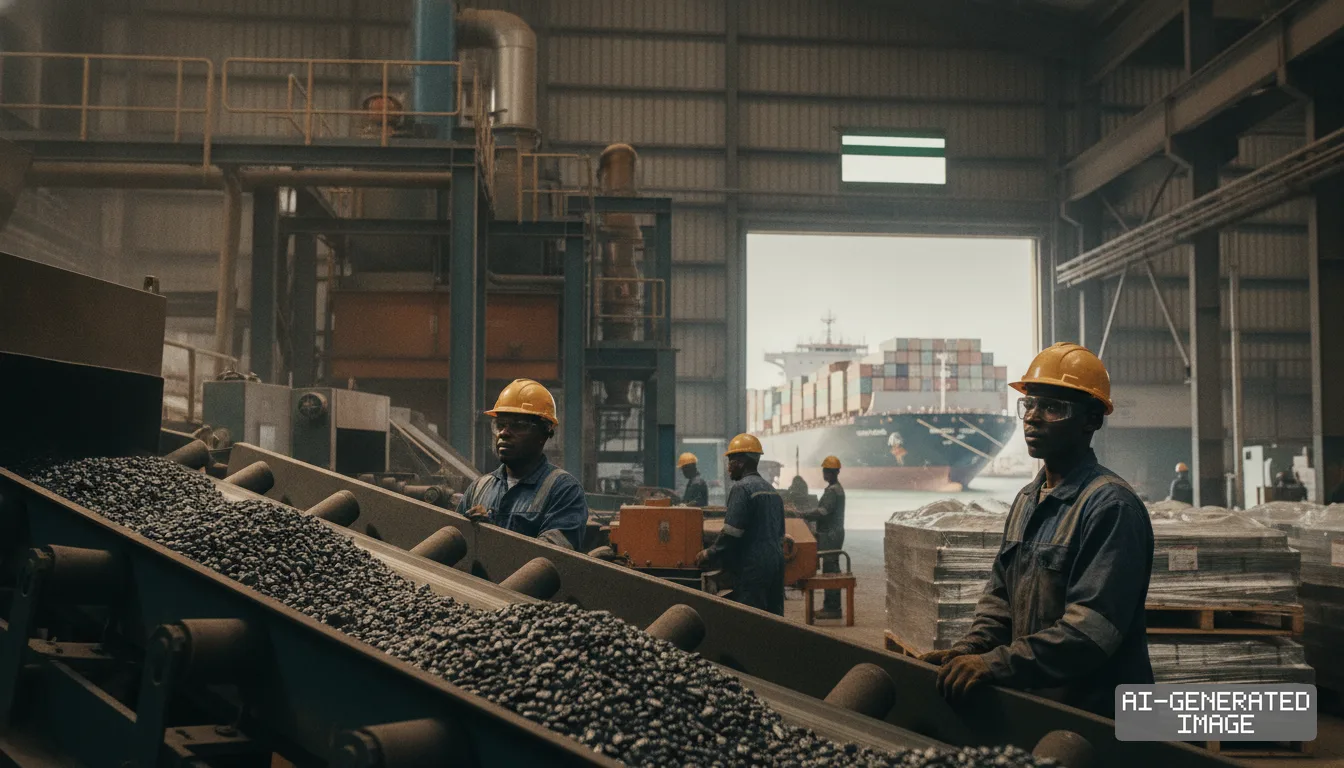
Sojitz Corporation and JOGMEC hold long-term off-take rights securing 7,200 metric tons of separated rare earths annually through 2038 from Australia's Lynas Rare Earths.
The material is mined at Mount Weld in Western Australia and processed at Lynas facilities in Malaysia and Australia, bypassing Chinese separation plants entirely.
Japanese trading houses are now attempting to replicate that procurement structure across other allied jurisdictions, including the United States and Canada.
Sumitomo Corporation is partnering with JOGMEC on commercial fluorite extraction at the Speewah project in Western Australia to feed Japanese specialty chemical producers.
Mitsubishi Corporation and Sumitomo Metal Mining have taken parallel co-development positions in nickel and cobalt projects across the Kalgoorlie mineral belt.
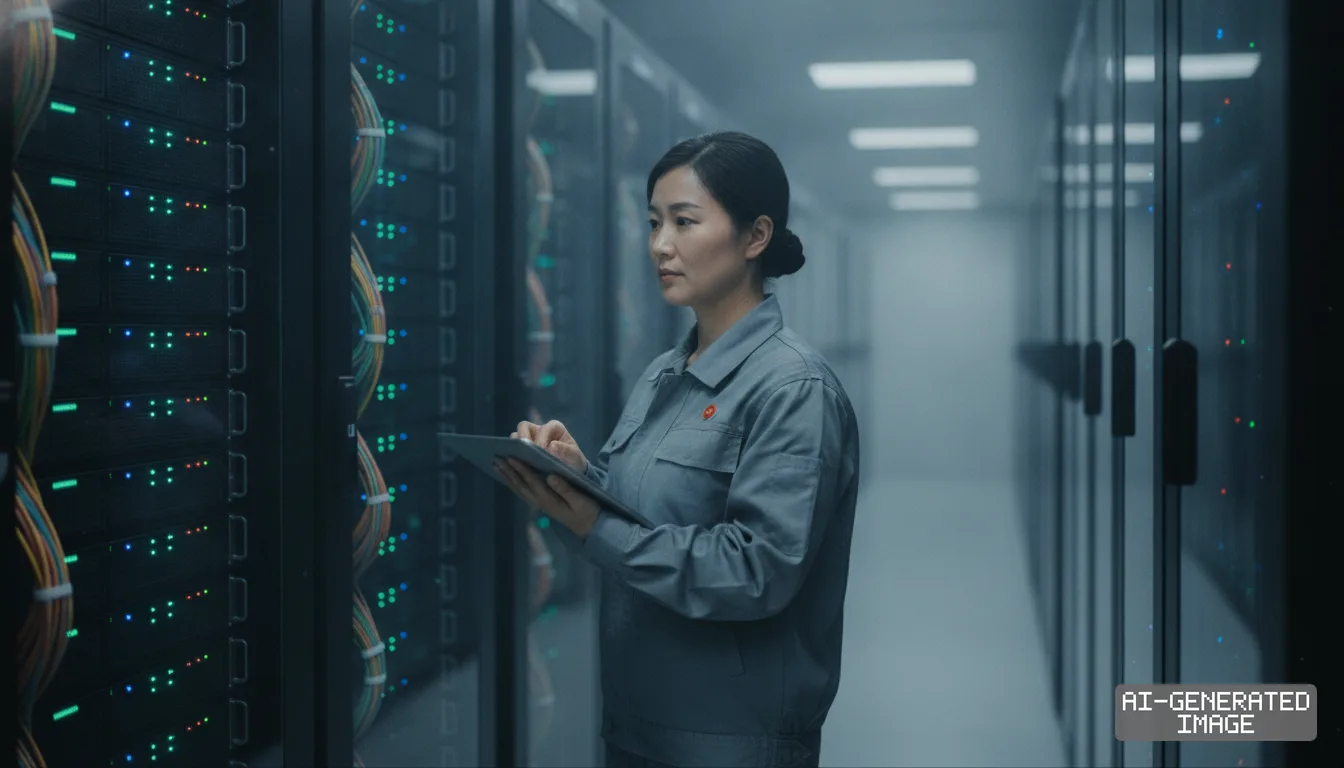
Downstream aerospace suppliers face immediate operational risks from the Chinese squeeze. Japanese components containing refined yttrium flow directly into Western commercial and defense programs.
Mitsubishi Heavy Industries Aero Engines and aerospace units of IHI Corporation have seen inventory buffers narrow toward critical thresholds over the summer, procurement executives said.
China’s Ministry of Commerce designated 20 Japanese industrial entities on Feb. 24, 2026, subjecting their component orders to exhaustive dual-use scrutiny.
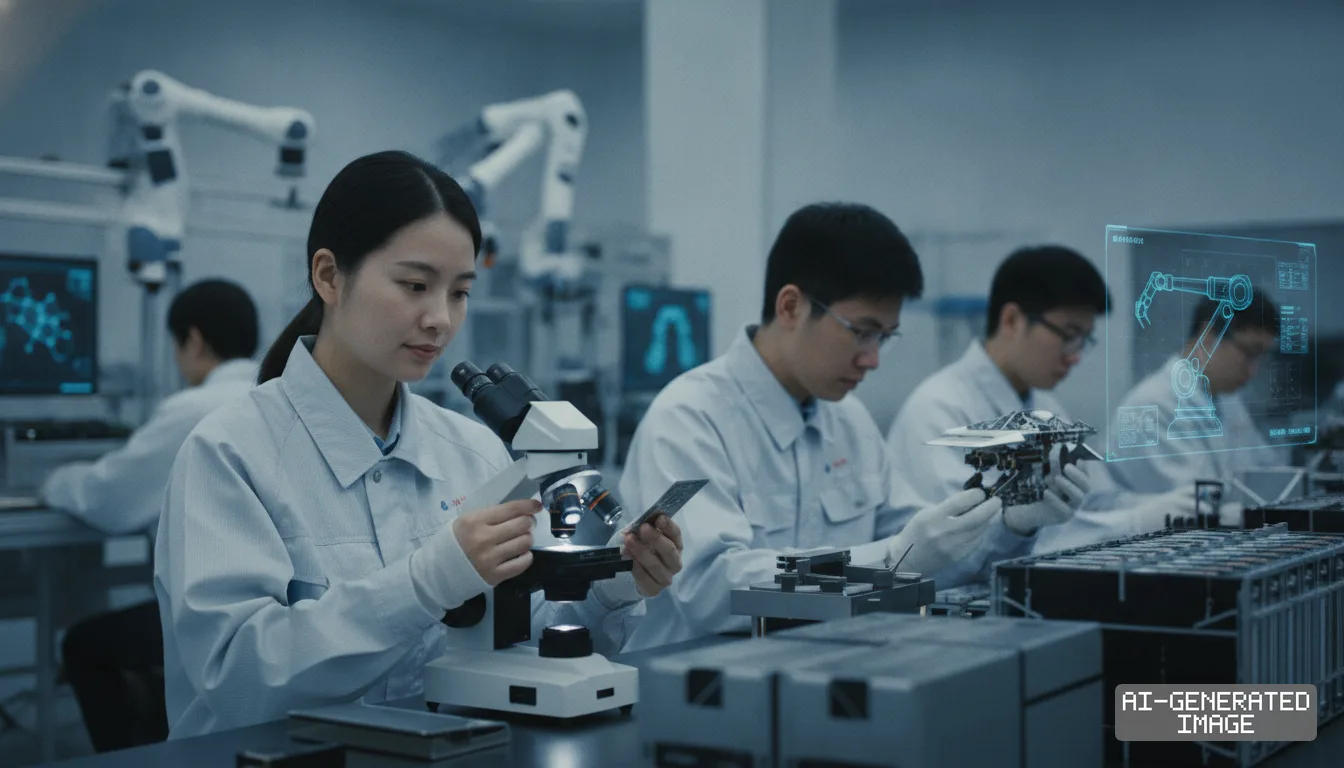
Automakers and semiconductor foundries are struggling to qualify alternative suppliers. Yttrium thermal-barrier coatings protect turbine blades from melting, leaving manufacturers with no drop-in chemical substitutes.
Tokyo has urged the United States Department of Commerce to coordinate allied stockpiles and pressure Chinese export authorities to restore regular industrial quotas.
Officials in Washington raised the yttrium bottleneck during bilateral supply-chain working groups, citing reciprocal exposure in American jet engine manufacturing, government sources said.
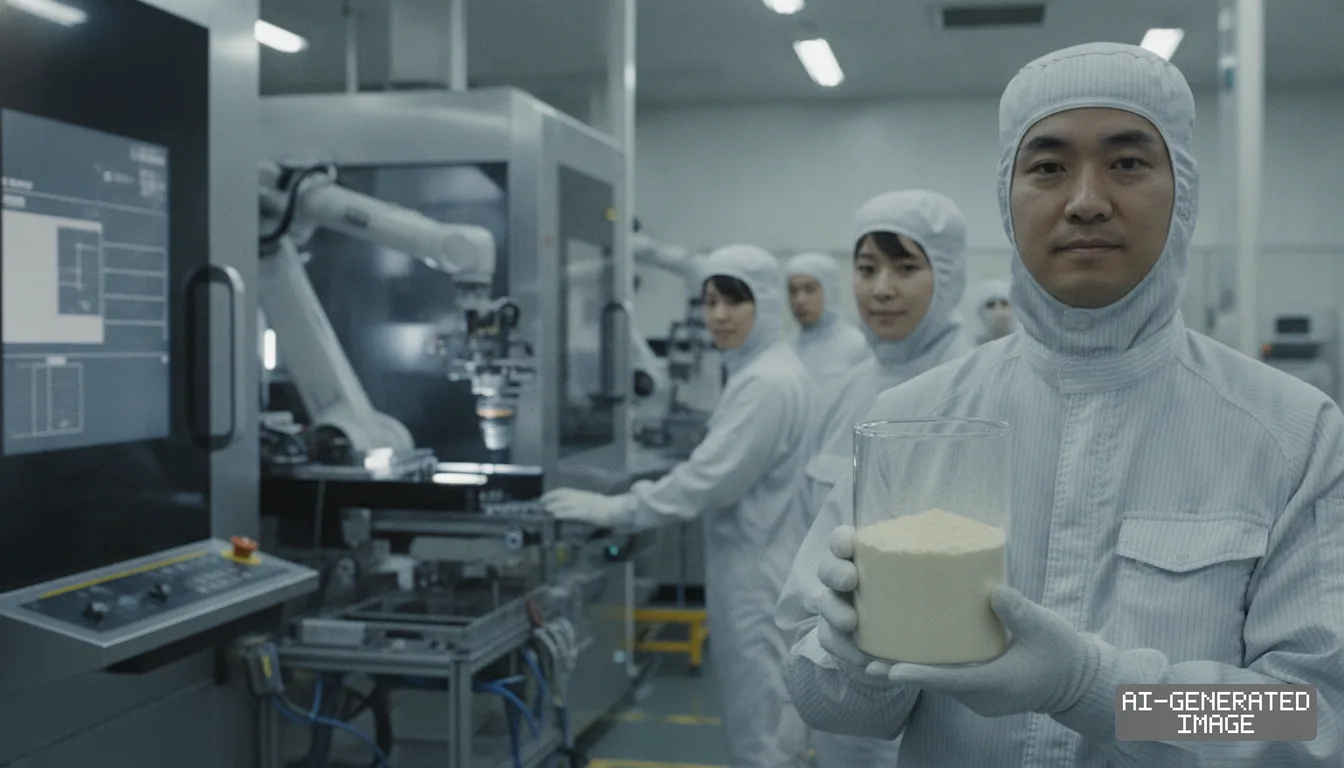
Commercial separation remains the primary obstacle to allied independence. Western mining companies can extract heavy rare-earth ores, but refined cracking and separation capacity remains overwhelmingly concentrated in China.
Building qualified separation facilities requires capital outlays exceeding $300 million per site and multi-year environmental permitting reviews, chemical engineering consultants said.
JOGMEC has allocated concessionary loan facilities and debt guarantees to absorb early-stage processing risks for Japanese firms investing in allied processing infrastructure.
The Ministry of Economy, Trade and Industry plans to deploy additional emergency budget reserves to underwrite Western refining ventures through the first quarter of 2027.
The ministry has not published the remaining volume of yttrium held in national stockpiles or the target commissioning date for allied commercial separation facilities.
China’s Ministry of Commerce convenes its dual-use export licensing review on Nov. 15, while Japanese manufacturers continue audits of existing mineral reserves.
Impact map
How this development propagates across the region and out to global buyers.
| Event | Korea | China | Japan | Global impact |
|---|---|---|---|---|
| China rare earth export curbs | Posco International accelerates heavy rare earth sourcing outside China | MOFCOM maintains 98% heavy rare earth processing dominance to counter allied curbs | Sojitz and JOGMEC expand Lynas off-take as aero engine makers face yttrium depletion | Aerospace and chip manufacturers absorb 128-fold price premiums on Western yttrium |
In this story
- Companies
- SojitzLynas Rare EarthsMitsubishi Heavy Industries
- Tickers
- 2768.TLYC.AX7011.T
- Exposed
- Sumitomo CorporationIHI Corporation
- Policy
- Export ControlsSubsidies
- Impact
- Supply ChainPricingCapex
Track every Export Controls development → Track every Subsidies development →
Related briefings
- Japan Seeks US Help on China Yttrium Curbs as Metal Runs Out Also on IHI Corporation, Mitsubishi Heavy Industries, Export Controls
- Japan and Australia advance critical minerals security pact Also on Sojitz, Lynas Rare Earths, Subsidies
- Mitsubishi Heavy Industries refines Mogami frigate design for Oceanian naval tenders Also on Mitsubishi Heavy Industries, Export Controls
- China curbs Japan dual-use exports citing military buildup Also on Mitsubishi Heavy Industries, Export Controls
Sources
Primary documents
Reporting
Confidence: high — how we grade this
The documents behind this briefing are linked above. East Asia Brief produces its English text with AI assistance under human editorial review, and does not translate or republish other outlets' articles. See our methodology and AI policy. Spotted an error? Tell us.
The Morning Brief
What changed in Korean, Chinese and Japanese industry overnight — and what it means for your supply chain. One email, weekday mornings, US time. Free.
The Morning Brief is in preparation. Leave your address and we will write to you once — when the first issue is ready. Nothing before that.