Malaysia defends China chip pacts to protect 13% global packaging share
Prime Minister Anwar Ibrahim confirmed back-end assembly will continue alongside US compliance after Chinese groups pledged 9.2 billion ringgit in manufacturing capital.
Malaysian Prime Minister Anwar Ibrahim said Nov. 24 that his government will maintain semiconductor manufacturing partnerships with Chinese companies despite expanded export licence requirements imposed by the United States.
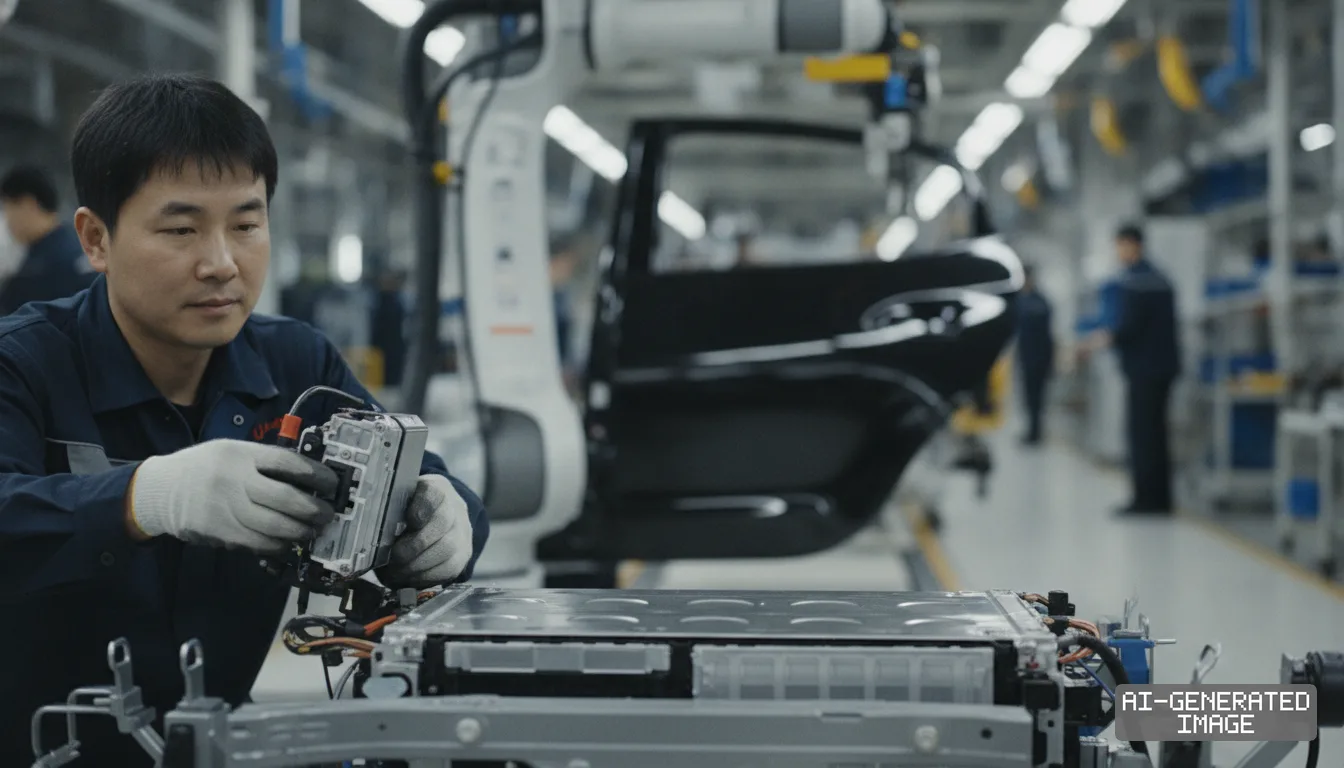
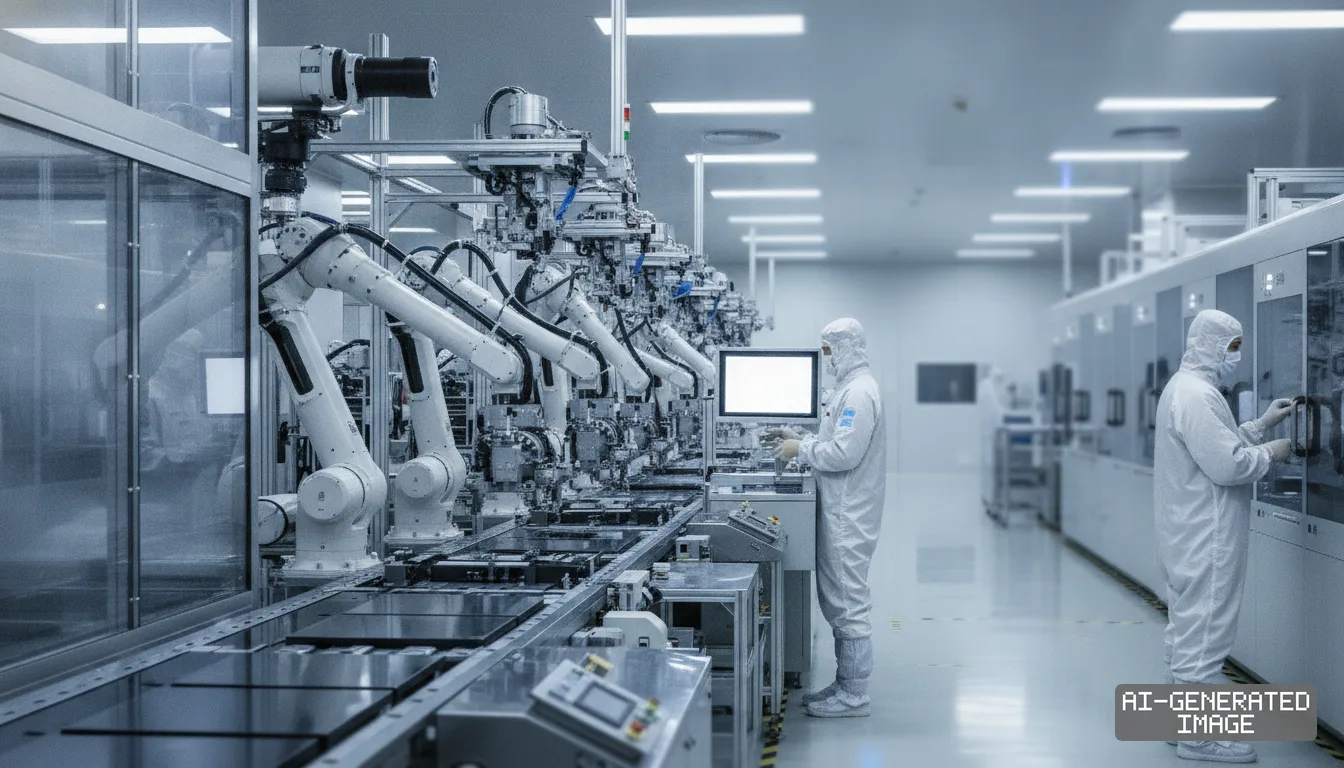
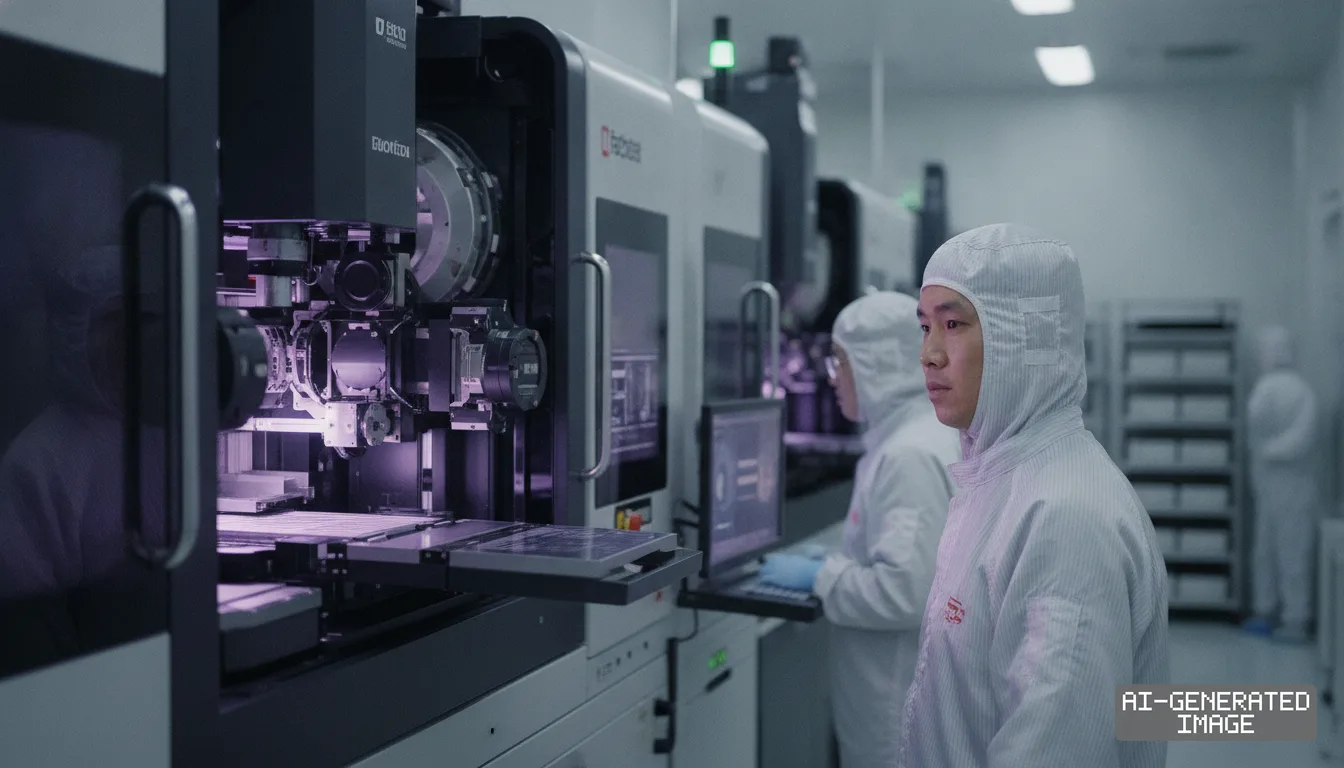
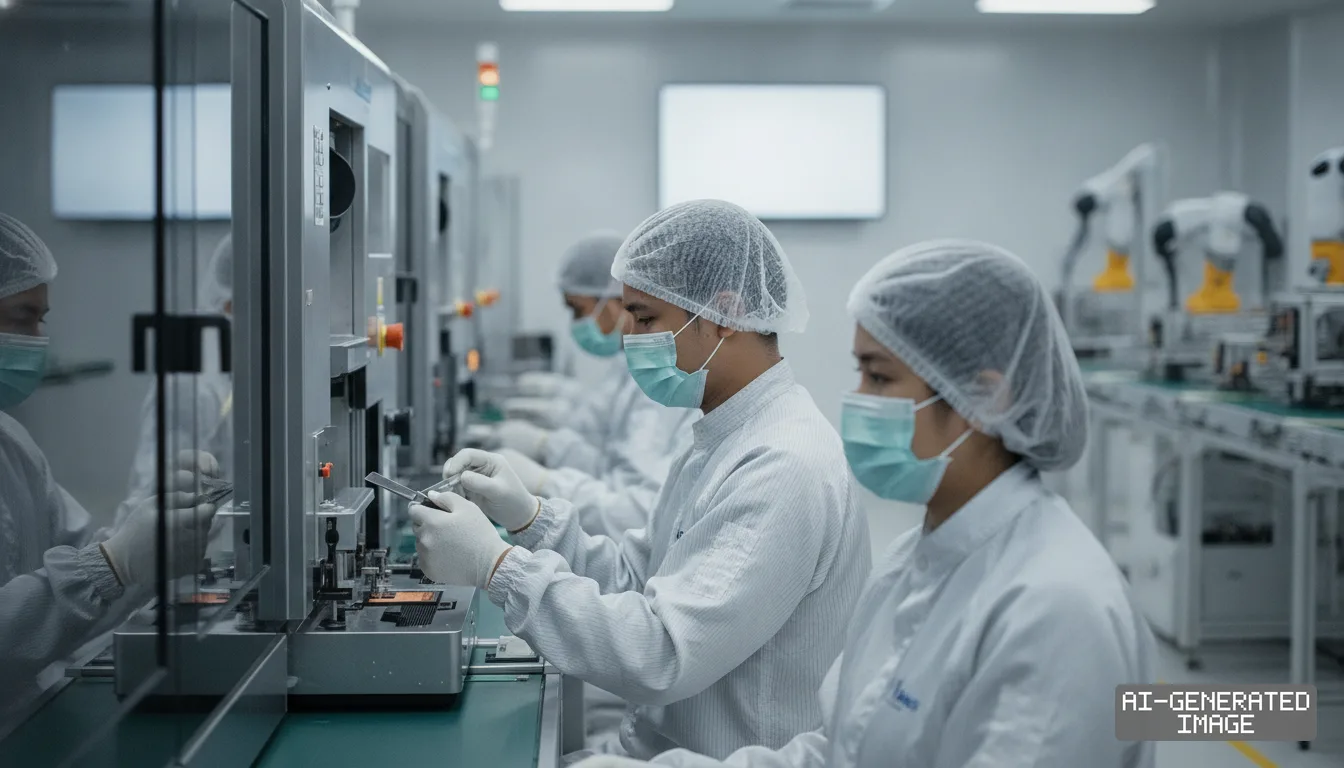
The policy protects Malaysia's 13% share of global semiconductor packaging, assembly and test capacity. The country provides back-end manufacturing services for major international integrated circuit designers.
Chinese industrial groups pledged RM9.2 billion ($2.1 billion) in indicative manufacturing investments on Nov. 19. The capital proposals cover seven enterprises operating in chip packaging, advanced electronics, optical equipment and energy storage.
The United States Department of Commerce added Malaysia to an expanded destination control list on Nov. 16. An interim final rule took effect Nov. 19, requiring prior licences for advanced computing chips shipped to Malaysian facilities.
The Bureau of Industry and Security restricted advanced integrated circuit deliveries to Malaysia, Singapore, Indonesia, Thailand and Brazil. Washington enacted the measure to prevent Chinese developers from accessing high-performance processors through third-country installations.
Federal regulators introduced worldwide end-use controls targeting overseas data centres that support Chinese artificial intelligence workloads. Licensing requirements apply when facilities provide remote access exceeding 12 million units of aggregate total processing performance.
Malaysia has experienced rapid data infrastructure expansion, securing roughly $100 billion in total digital commitments since 2021. Hyperscale developers established major campuses in Johor and Greater Kuala Lumpur to secure industrial land and grid access.
Google committed $15 billion across 2027 and 2028 to construct data centres and clean energy generation in Malaysia. Those server farms depend on high-performance accelerators that now face Commerce Department export reviews.
Nvidia graphic processing units equip several commercial computing clusters established with Malaysian partners. Facility operators must now screen customer accounts to verify that Chinese clients do not access pooled computing clusters.
Anwar said Malaysia will monitor whether United States contractors honor export conditions that prohibit equipment transfers to China. Putrajaya will enforce customer contracts without barring Chinese groups from establishing local packaging operations, Anwar said.
Foreign enterprises requesting dedicated state protection for their production corridors must pay for those services, Anwar said. He stated that Malaysia will charge commercial fees rather than absorb compliance overhead from external trade disputes.
Chinese integrated circuit designers have routed rising packaging volumes through Southeast Asia to mitigate direct export curbs on mainland facilities. Outsourced semiconductor assembly and test firms convert fabricated silicon wafers into finished plastic-encased modules.
The Penang semiconductor manufacturing hub was established in 1972 when multinational technology firms founded assembly facilities in the Bayan Lepas free trade zone. The northern state accounts for over half of Malaysia's total electrical and electronics export earnings.
Contract packaging lines in Penang handle wire bonding, flip-chip interconnection and automated testing. The domestic supply network supports chip suppliers based in the United States, Europe, Japan, South Korea and China.
Chinese packaging specialists like JCET Group and Tongfu Microelectronics maintain packaging linkages across Southeast Asian assembly hubs. Testing facilities in Malaysia provide these groups with quality certifications recognized by global automotive and industrial equipment builders.
Malaysia's Ministry of Investment, Trade and Industry conducts routine inspections to detect unauthorized transshipment of controlled electronics. Trade enforcement officers audit warehouse documentation and verify customs manifests in regional bonded zones.
Anwar met Chinese President Xi Jinping on Nov. 19 following the Asia-Pacific Economic Cooperation summit in Shenzhen. Bilateral discussions focused on connecting Southeast Asian industrial manufacturing clusters with Chinese supply chains.
Beijing has not challenged Malaysia's technology arrangements with American companies, Anwar said. He noted that active diplomatic communication enables Kuala Lumpur to preserve manufacturing agreements with both powers simultaneously.
Investment negotiations with Taiwanese semiconductor groups paused earlier in November following disagreements over cross-strait sovereignty statements. Taiwan suspended bilateral trade discussions after Malaysian officials reiterated diplomatic support for Beijing.
Regional assembly hubs in Vietnam and Thailand face equivalent United States export restrictions as Washington inspects Southeast Asian supply corridors. Neither alternative hub possesses Malaysia's installed capacity of automated packaging cleanrooms.
South Korean memory producers and Japanese materials suppliers ship components into Malaysian assembly plants for integration into server hardware. Any regulatory friction affecting Malaysian packaging throughput disrupts production schedules across global computer manufacturing.
The Commerce Department established a 60-day public comment window on the interim export rule that closes Jan. 18, 2027. Federal authorities will review export licensing parameters after gathering operational data from data centre operators and foundries.
The Malaysian Prime Minister's Office has not published a formal directive defining technical boundaries for joint packaging ventures with Chinese partners. Domestic packaging factories operate under existing trade licences while awaiting administrative rules on dual-use technology processing.
Customs officers continue inspecting air cargo consignments at Penang International Airport under Malaysian strategic trade legislation. Export clearance teams match shipping declarations against United States denial lists before releasing outbound electronic cargo.
Impact map
How this development propagates across the region and out to global buyers.
| Event | Korea | China | Japan | Global impact |
|---|---|---|---|---|
| US chip export restrictions on Malaysia | Memory chipmakers face compliance checks on modules routed through Penang assembly lines | Fabless designers retain access to Malaysian packaging but face data centre compute caps | Semiconductor materials vendors maintain Penang deliveries under existing export licences | Data centre operators manage licensing delays as Commerce Department comment window runs to Jan. 18, 2027 |
In this story
- Companies
- GoogleNvidia
- Tickers
- GOOGLNVDA
- Policy
- Export Controls
- Impact
- ComplianceSupply ChainCapex
Track every Export Controls development →
Related briefings
- Anthropic prices $81.3B IPO, binding AI compute to Korean memory Also on Google, Nvidia
- Intel pits EMIB-T packaging against TSMC to win AI chip orders Also on Google, Nvidia
- SK hynix unveils MARS rack architecture to break HBM limits Also on Google
- US chip controls threaten Nvidia's $5B compound power plan for AI centers Also on Nvidia, Export Controls, Compliance
Sources
Primary documents
Reporting
Confidence: high — how we grade this
The documents behind this briefing are linked above. East Asia Brief produces its English text with AI assistance under human editorial review, and does not translate or republish other outlets' articles. See our methodology and AI policy. Spotted an error? Tell us.
The Morning Brief
What changed in Korean, Chinese and Japanese industry overnight — and what it means for your supply chain. One email, weekday mornings, US time. Free.
The Morning Brief is in preparation. Leave your address and we will write to you once — when the first issue is ready. Nothing before that.