US House Democrats launch inquiry into $350B South Korea trade pact
Representative Richard Neal targets executive agreements that lowered automotive tariffs to 15% in exchange for manufacturing and shipyard capital.
Representative Richard Neal announced Nov. 23 that incoming House leaders will open inquiries into bilateral trade agreements that swapped executive tariff cuts for overseas investment commitments.
The planned investigation targets South Korea’s $350 billion bilateral framework, which lowered reciprocal import duties and automotive tariffs from 25% to 15%.
South Korea allocated $200 billion of that pledge toward strategic manufacturing and energy projects, alongside $150 billion dedicated to commercial and naval shipbuilding cooperation.
The first named initiative under the energy tranche is a $22.3 billion combined-cycle natural gas power plant in Encinal, Texas, announced in September.
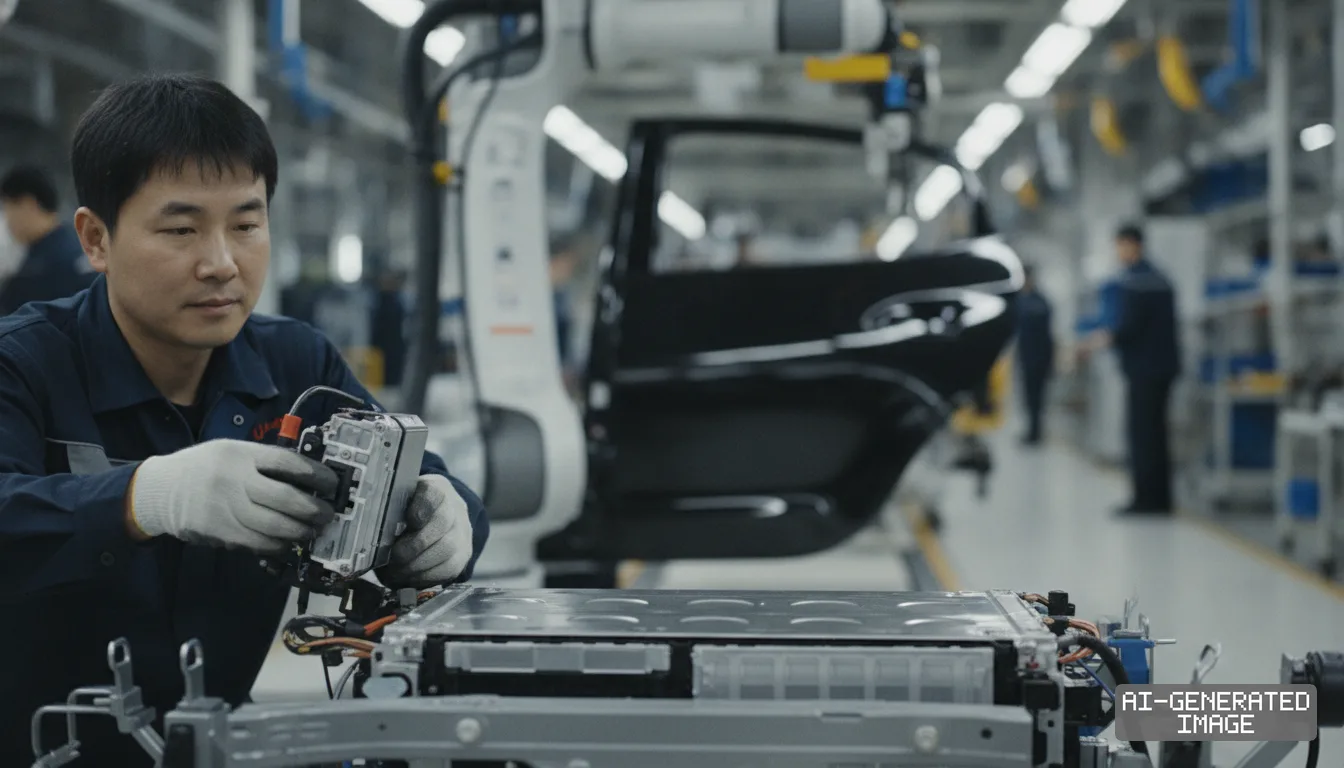
Hyundai Motor Group holds direct commercial exposure to the tariff provisions, having shipped 914,000 passenger vehicles from South Korea to the American market last year under the reduced 15% rate.
A legislative or judicial reversal of the duty reduction would add thousands of dollars in customs costs per vehicle, narrowing gross operating margins across its North American dealer network.
HD Hyundai Heavy Industries and Hanwha Ocean face operational exposure through the $150 billion maritime component, which directs South Korean engineering and capital into American shipyards.
Both shipbuilders established North American project offices to oversee auxiliary vessel maintenance, relying on bilateral assurances that commercial pacts would remain legally binding.
The congressional review also extends beyond Seoul to examine parallel executive pacts negotiated with other major manufacturing partners and sovereign funds.
Japan agreed to a $550 billion direct investment package under a comparable arrangement to protect its automotive exporters from unilateral punitive measures.
Gulf sovereign wealth funds pledged additional capital, including $600 billion from Saudi Arabia, $1.4 trillion from the United Arab Emirates and $1.2 trillion from Qatar.
Neal said upcoming committee hearings will examine the legal foundation of the 10% universal baseline import tariff imposed on foreign trading partners.
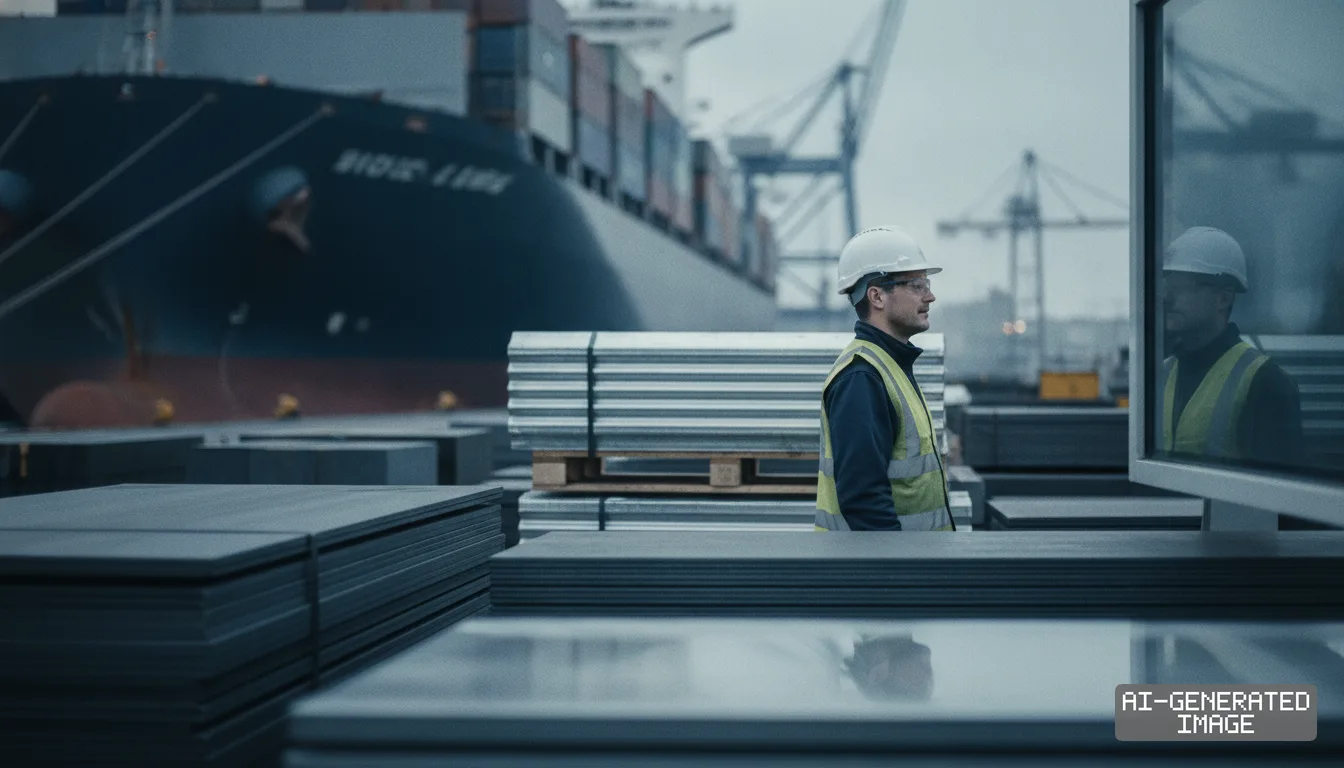
Committee staff will also evaluate Section 232 tariffs applied to foreign steel and aluminum, as well as specific customs duties levied against manufacturing suppliers in Canada and Brazil.
The House Ways and Means Committee exercises primary constitutional authority over federal revenue, customs administration and reciprocal trade treaties.
House Democrats secured 258 seats during the Nov. 3 midterm elections, establishing their largest legislative majority since 1992 and securing control of committee gavels.
Incoming committee leaders intend to use document requests, public hearings and subpoenas to review how executive officials selected bilateral investment projects.
The inquiry introduces regulatory uncertainty for East Asian battery and semiconductor manufacturers that committed billions of dollars to greenfield plants across the American Sun Belt.
Industrial conglomerates budgeted multi-year domestic manufacturing expansions under the assumption that federal clean vehicle credits and bilateral trade terms would remain durable.
Trade officials in Seoul began evaluating whether agreements enacted through executive authority require statutory codification to withstand challenges from incoming congressional committee chairs.
Legislative proposals to terminate executive tariff authorities face potential presidential vetoes, leaving oversight hearings and document demands as the primary mechanism for congressional pushback.
The 120th Congress convenes Jan. 3, 2027, at which point committee gavels transfer and formal investigative requests can officially issue from House leadership.
The House Ways and Means Committee has not published an official inquiry docket, committee resolution or document request on its portal, and Neal did not name specific corporate targets.
Impact map
How this development propagates across the region and out to global buyers.
| Event | Korea | China | Japan | Global impact |
|---|---|---|---|---|
| Congressional inquiry into bilateral investment pacts | Hyundai Motor and shipbuilders face scrutiny on $350 billion investment pledges and tariff relief | Excluded from bilateral tariff relief, remains under baseline and Section 301 tariffs | Scrutiny extends to $550 billion investment pledge and automotive tariff carveouts | Cross-border supply chains face pricing uncertainty on universal 10% baseline import tariff |
In this story
- Companies
- Hyundai Motor GroupHD Hyundai Heavy IndustriesHanwha Ocean
- Tickers
- 005380.KS329180.KS042660.KS
- Policy
- TariffsSubsidies
- Impact
- CompliancePricingCapex
Track every Tariffs development → Track every Subsidies development →
Related briefings
- SK On assumes $1.5 billion debt from US battery subsidiary Also on Hyundai Motor Group, Compliance, Subsidies
- East Asia accelerates 8-inch silicon carbide capacity race as power chip makers scale output Also on Hyundai Motor Group, Pricing, Subsidies
- LG Energy Solution beats profit views on grid battery orders Also on Hyundai Motor Group, Pricing, Subsidies
- POSCO Future M anchors $260M Vietnam anode site to bypass China Also on Hyundai Motor Group, Compliance
Sources
Primary documents
Confidence: high — how we grade this
The documents behind this briefing are linked above. East Asia Brief produces its English text with AI assistance under human editorial review, and does not translate or republish other outlets' articles. See our methodology and AI policy. Spotted an error? Tell us.
The Morning Brief
What changed in Korean, Chinese and Japanese industry overnight — and what it means for your supply chain. One email, weekday mornings, US time. Free.
The Morning Brief is in preparation. Leave your address and we will write to you once — when the first issue is ready. Nothing before that.