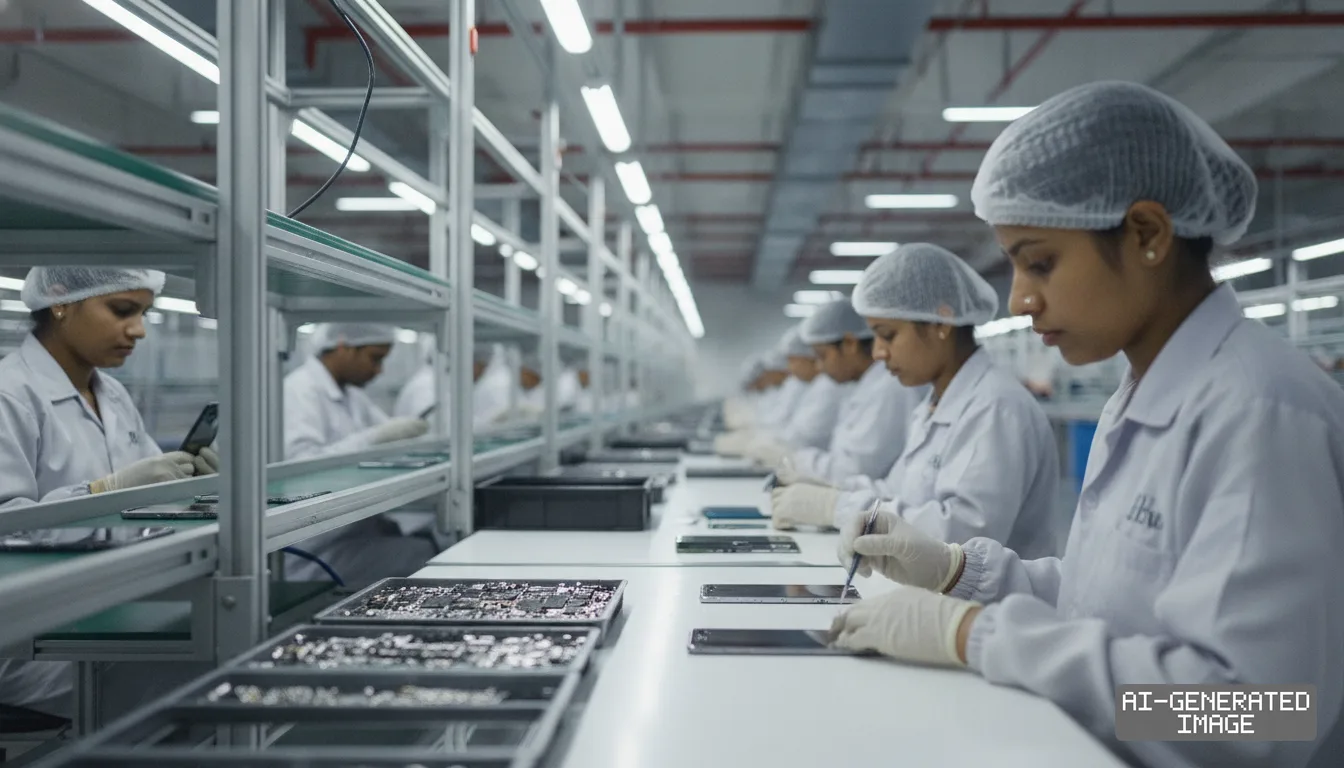
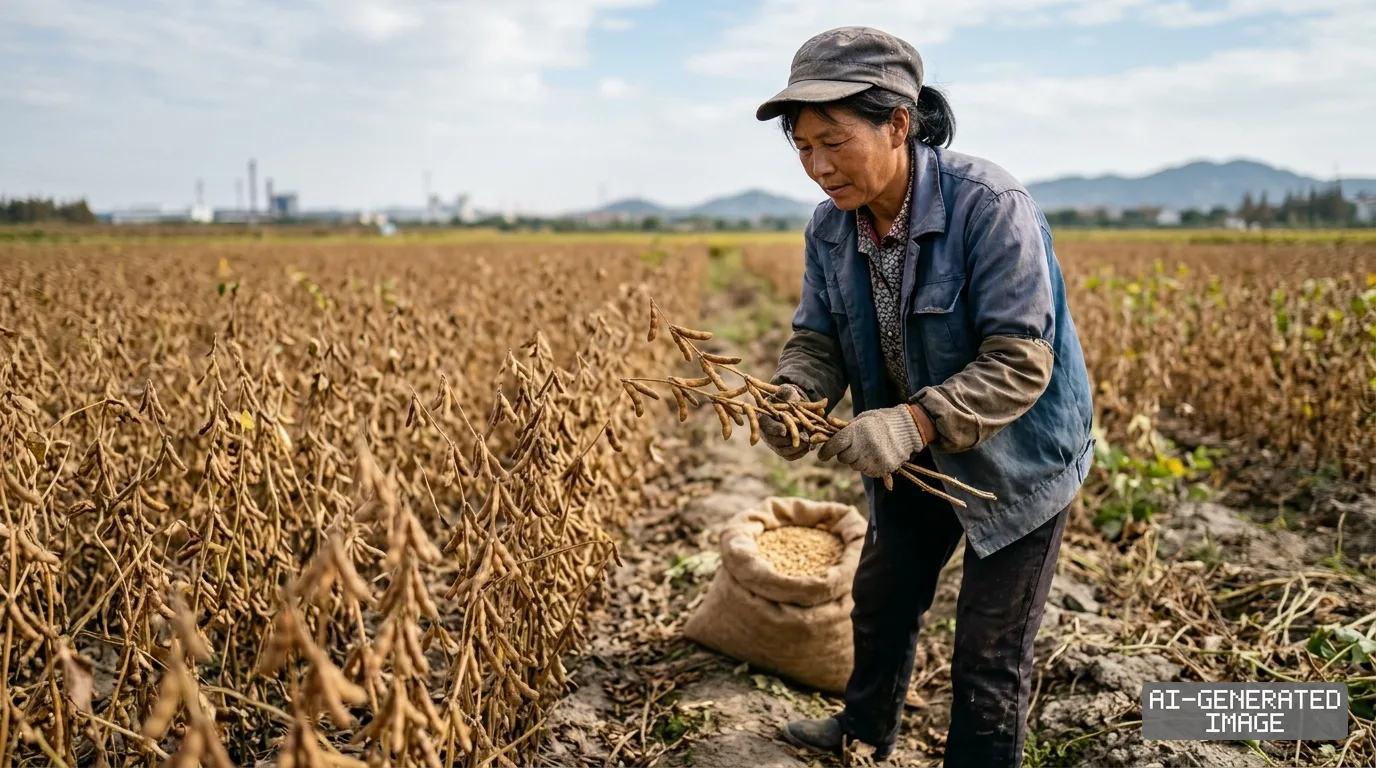
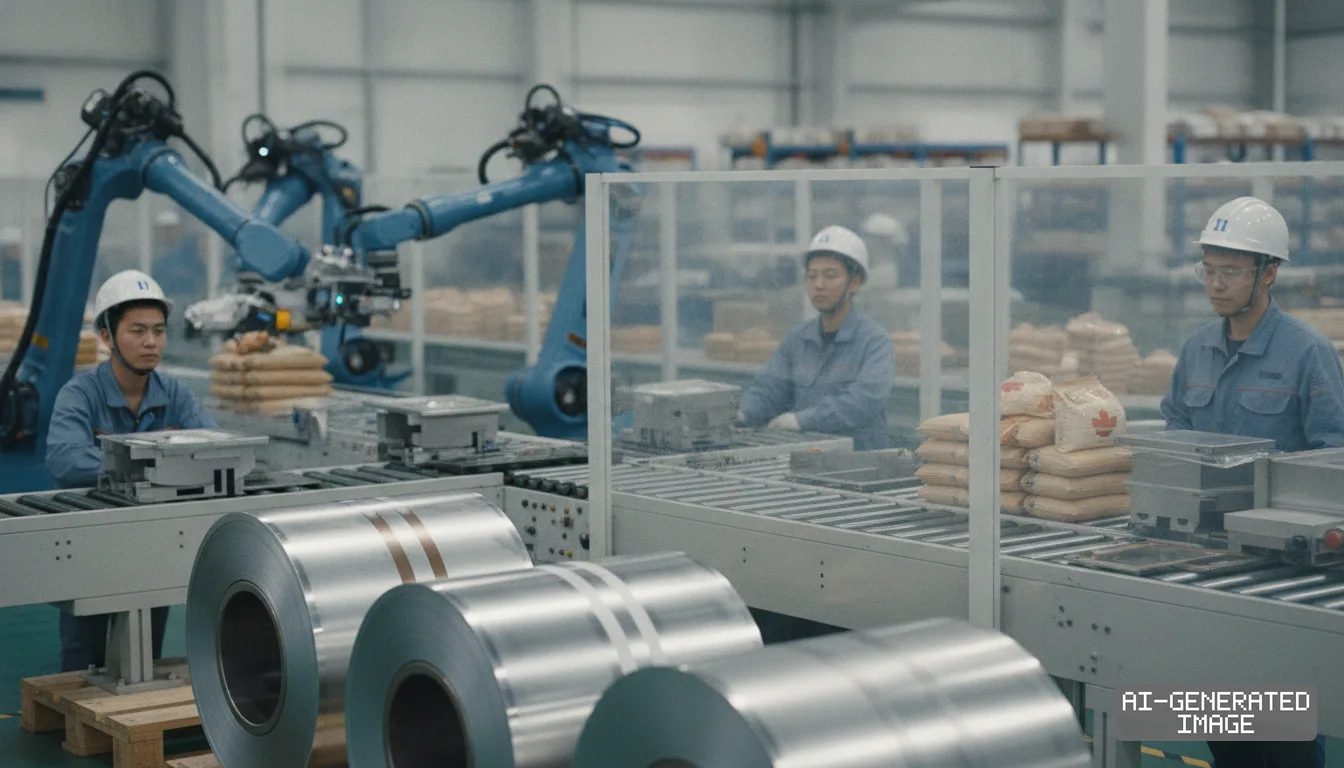
Japan and ASEAN launch $10B supply chain pact for critical minerals
Prime Minister Sanae Takaichi tied the 1.5 trillion yen facility to regional mineral processing during the 29th ASEAN-Japan Summit in Manila.
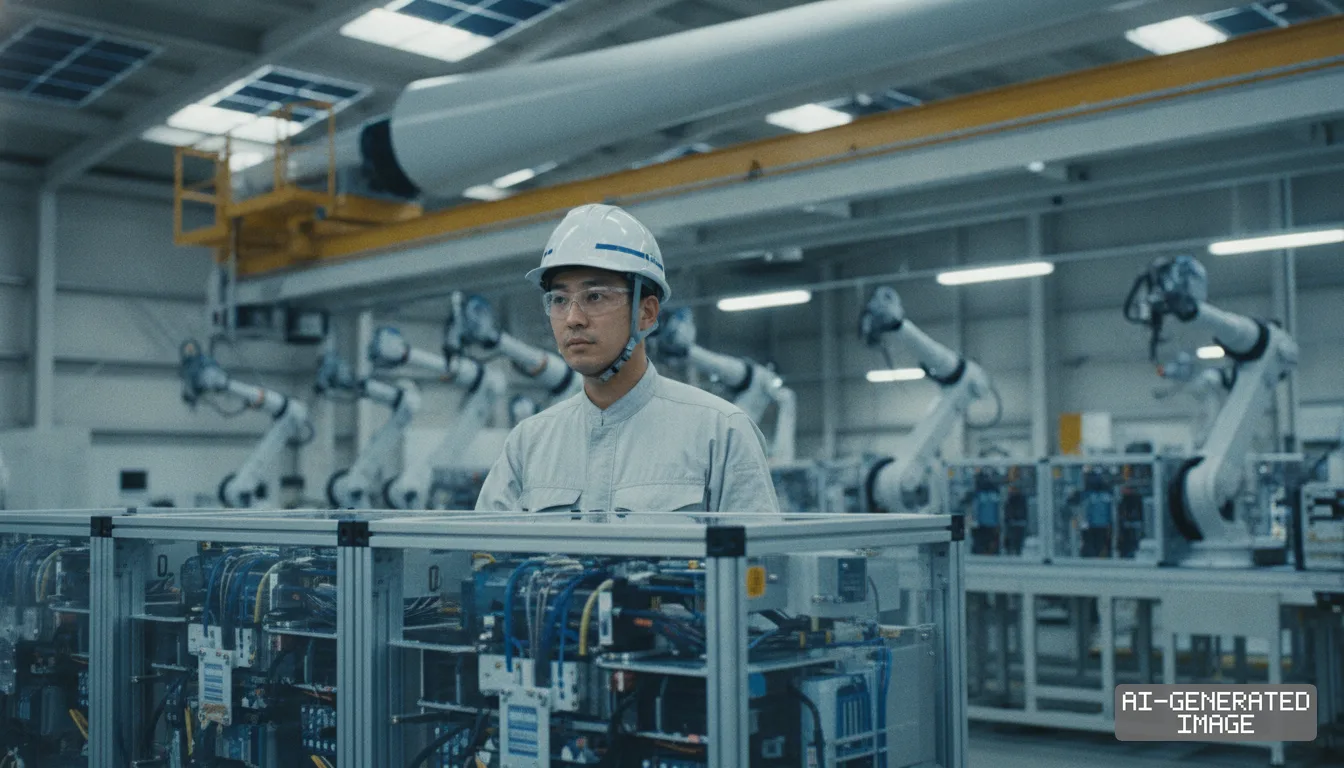
Japanese Prime Minister Sanae Takaichi agreed with Southeast Asian leaders on Nov. 17, 2026, to build resilient supply chains for critical minerals and clean energy to counter arbitrary export restrictions.
The agreement ties regional raw material development to the 1.5 trillion yen ($10 billion) Partnership on Wide Energy and Resources Resilience Asia framework. Prime Minister Takaichi announced the initiative during the 29th ASEAN-Japan Summit in Manila.
The 10 billion dollar financing facility represents Japan's largest targeted supply chain commitment to Southeast Asia. The program provides state-backed capital to diversify mineral processing away from single-country monopolies.
The accord follows the adoption of the ASEAN Critical Minerals Declaration on Nov. 15 in Manila. That declaration established a regional policy mandate to transition from raw ore extraction to domestic refining and battery manufacturing.
Southeast Asian governments are using the declaration to retain greater value from their mineral deposits. Indonesia and the Philippines hold major reserves of nickel and copper, but domestic processing capacity remains constrained by capital shortages.
Under the Manila agreement, Japan will merge the resource resilience facility into the Asia Zero Emission Community platform. Officials designated the combined initiative AZEC 2.0 to coordinate decarbonization investments alongside mineral security programs.
Japan's Ministry of Foreign Affairs and the Ministry of Economy, Trade and Industry developed the joint strategy. The ministries aim to secure industrial feedstocks while assisting regional economies with power grid decarbonization.
Japan Bank for International Cooperation and Nippon Export and Investment Insurance will administer the overseas financing. JBIC provides direct loan facilities under the 1.5 trillion yen package, while NEXI supplies underwriting for regional investments.
The financial package also mobilizes emergency loan programs managed by the Japan International Cooperation Agency. These concessional instruments fund infrastructure at processing hubs, including deepwater port berths and grid connections for clean power.
Tokyo originally introduced the POWERR Asia concept on April 15 following severe volatility in global commodity markets. Tuesday's summit formalizes the facility as an intergovernmental mechanism backed by all 10 ASEAN member states.
The summit declaration explicitly addresses trade risks stemming from unilateral supply curbs. Both sides pledged to establish early-warning systems to detect disruptions in critical mineral shipments and refined chemical supplies.
Japanese industrial consumers rely heavily on imported mineral compounds for electric vehicle batteries and power equipment. Securing diversified processing assets in Southeast Asia reduces vulnerability to policy shifts in third countries.
The agreement establishes technical standards for refining operations, ensuring that processing plants meet environmental benchmarks. Partner countries will also collaborate on recycling programs to recover nickel, lithium and rare earths from scrap equipment.
Clean energy deployment forms the second operational pillar of the Manila agreement. The framework finances utility-scale solar generation, hydrogen testing facilities, biofuels and liquefied natural gas infrastructure across Southeast Asia.
These power assets will supply industrial zones where mineral refining facilities operate. Heavy smelting and chemical separation require constant baseload electricity that many regional grids cannot currently supply without high emissions.
The pact builds on decisions reached at the fourth AZEC ministerial meeting held on Oct. 8 in Manila. At that meeting, Japanese trade officials presented plans to link strategic oil stockpiling with regional supply resilience.
Under the stockpiling provisions, partner countries will construct shared storage tanks for crude oil and refined petroleum. Participating governments can release reserves collaboratively during maritime transit disruptions or regional energy emergencies.
The earlier AZEC framework, established in late 2023, accumulated more than 350 individual cooperation projects across 11 nations. AZEC 2.0 shifts the emphasis from bilateral memorandums to binding commercial supply structures.
Philippine President Ferdinand Marcos Jr., who chaired the summit, welcomed Japanese financial support for downstream mineral industrialization. Marcos said regional manufacturing bases require reliable energy supplies and resilient raw material networks to maintain economic independence.
Prime Minister Takaichi said Japan intends to become more resilient and prosperous alongside Southeast Asian partners. Takaichi said the initiative supports the ASEAN Outlook on the Indo-Pacific by protecting the freedom of partner nations to determine economic policy.
Both sides also agreed to begin discussions on modernizing the ASEAN-Japan Comprehensive Economic Partnership Agreement. Negotiators will draft provisions restricting arbitrary export bans on critical raw materials and enhancing digital supply chain tracking.
The summit produced a parallel pact establishing the Japan-ASEAN AI Safety and Security Partnership. That initiative coordinates energy efficiency standards for computing infrastructure, which requires growing volumes of power and specialized cooling equipment.
Japanese automotive and electronics assemblers maintain extensive manufacturing clusters in Thailand, Malaysia and Indonesia. Locating certified mineral refining capacity within the region allows these factories to shorten logistics routes and satisfy emerging origin rules.
The joint statement does not state specific procurement quotas or contract values for individual critical minerals, and the ministry has not published project-level allocation terms.
Government representatives will audit project applications and funding disbursements when partner countries convene the fifth AZEC ministerial review in Tokyo in mid-2027.
Impact map
How this development propagates across the region and out to global buyers.
| Event | Korea | China | Japan | Global impact |
|---|---|---|---|---|
| Japan-ASEAN critical minerals and energy resilience pact | domestic battery cathode producers face regional competition for Indonesian nickel refining assets | Southeast Asian smelting investments diversify supply lines away from mainland refining capacity | JBIC and NEXI underwrite 1.5 trillion yen in overseas critical mineral and energy projects | battery supply chains gain alternative refined feedstock capacity outside traditional processing centers |
| Japan-ASEAN critical minerals and energy resilience pact | domestic battery cathode producers face regional competition for Indonesian nickel refining assets | Southeast Asian smelting investments diversify supply lines away from mainland refining capacity | JBIC and NEXI underwrite 1.5 trillion yen in overseas critical mineral and energy projects | battery supply chains gain alternative refined feedstock capacity outside traditional processing centers |
In this story
- Companies
- Japan Bank for International CooperationNippon Export and Investment Insurance
- Impact
- Supply ChainCapexCompliance
Related briefings
- Japan, Uzbekistan agree to refine critical minerals locally for export Also on Japan Bank for International Cooperation, Compliance
- Quad ministers advance mineral refining network to bypass China Also on Japan Bank for International Cooperation
- India and JBIC weigh critical mineral fund for supply chains Also on Japan Bank for International Cooperation
- Korea weighs $720M state loan for POSCO rare earth magnet supply Also on Compliance
Sources
Primary documents
Reporting
Confidence: high — how we grade this
The documents behind this briefing are linked above. East Asia Brief produces its English text with AI assistance under human editorial review, and does not translate or republish other outlets' articles. See our methodology and AI policy. Spotted an error? Tell us.
The Morning Brief
What changed in Korean, Chinese and Japanese industry overnight — and what it means for your supply chain. One email, weekday mornings, US time. Free.
The Morning Brief is in preparation. Leave your address and we will write to you once — when the first issue is ready. Nothing before that.