Quad ministers advance mineral refining network to bypass China
Foreign ministers from the US, Japan, Australia and India backed processing and e-waste recycling projects while setting export credit agency talks for Nov. 18.
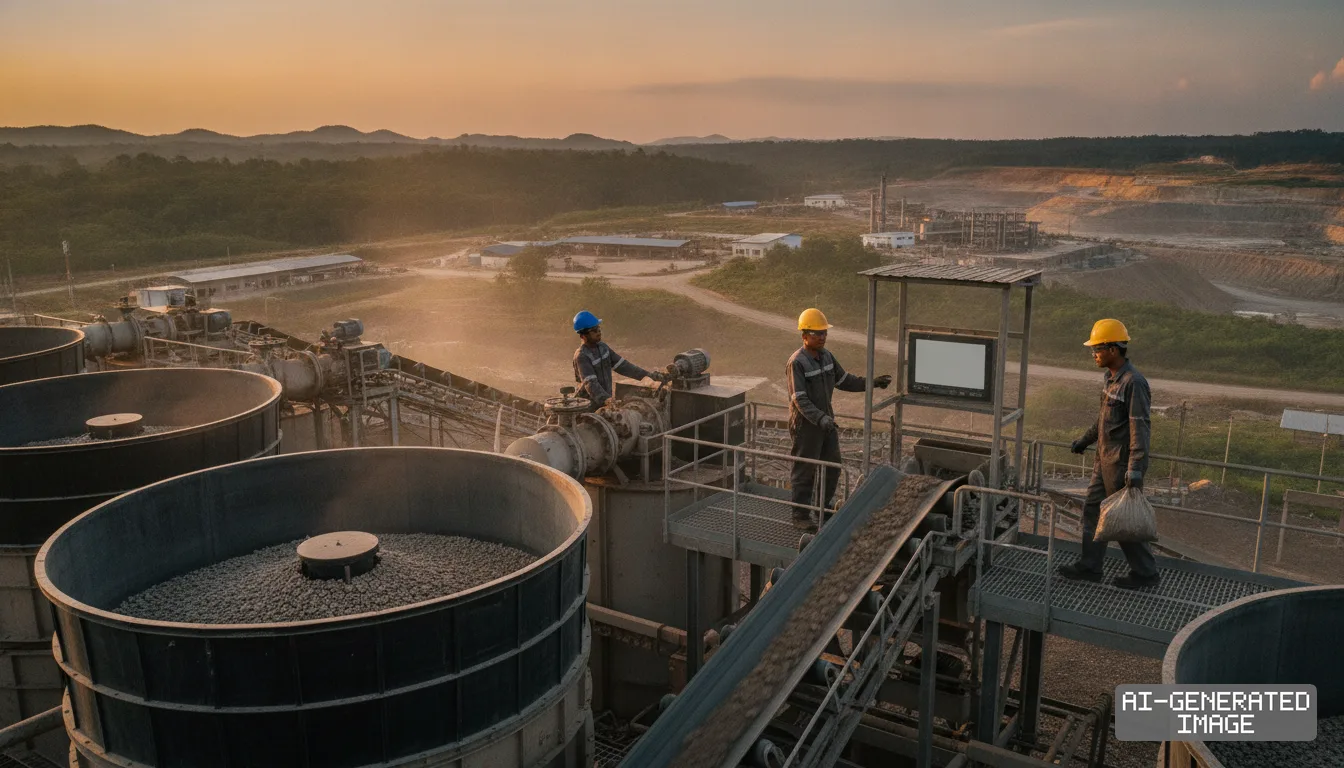
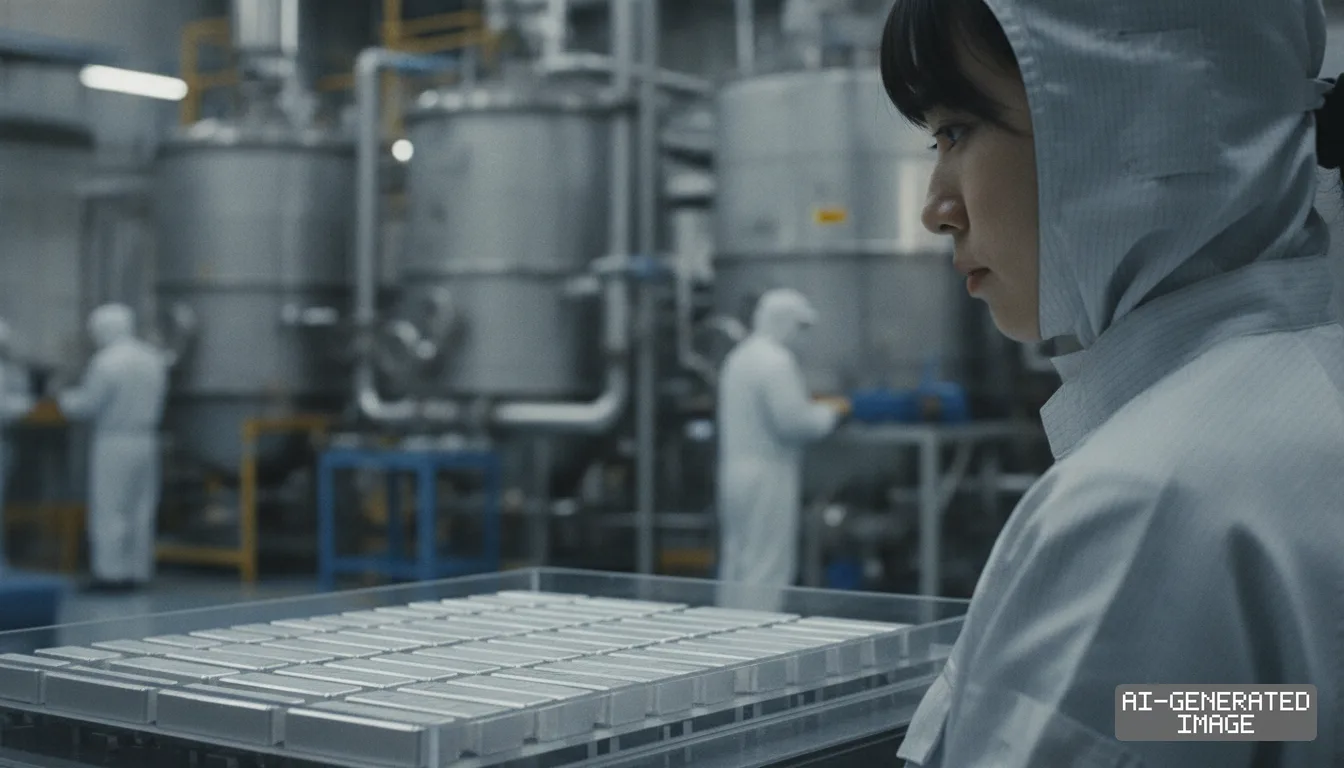
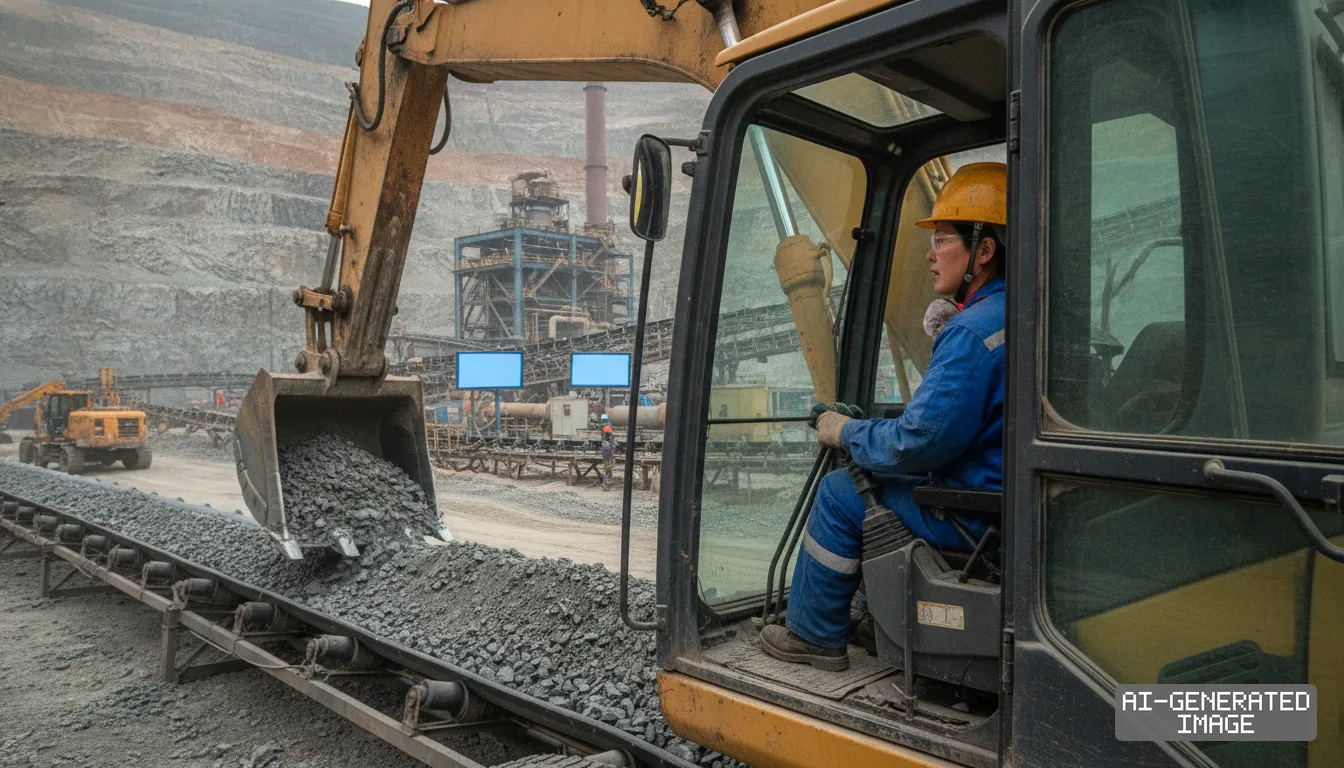
Foreign ministers from the United States, Japan, Australia and India pledged Oct. 31 to fund critical mineral refining and recycling networks, seeking to curb reliance on Chinese processing.
The agreement targets electronic waste recovery and processing facilities across South and Southeast Asia. China currently refines roughly 70% to 90% of the world's rare earths, lithium and cobalt.
US Secretary of State Marco Rubio, Japanese Foreign Minister Toshimitsu Motegi, Australian Foreign Minister Penny Wong and Indian External Affairs Minister Subrahmanyam Jaishankar met in Atlanta on the sidelines of the G20 ministerial gathering.
The four ministers formally reviewed progress under the Quad Critical Minerals Initiative Framework adopted on May 26. That pact established a mandate to mobilize up to $20 billion in public and private capital.
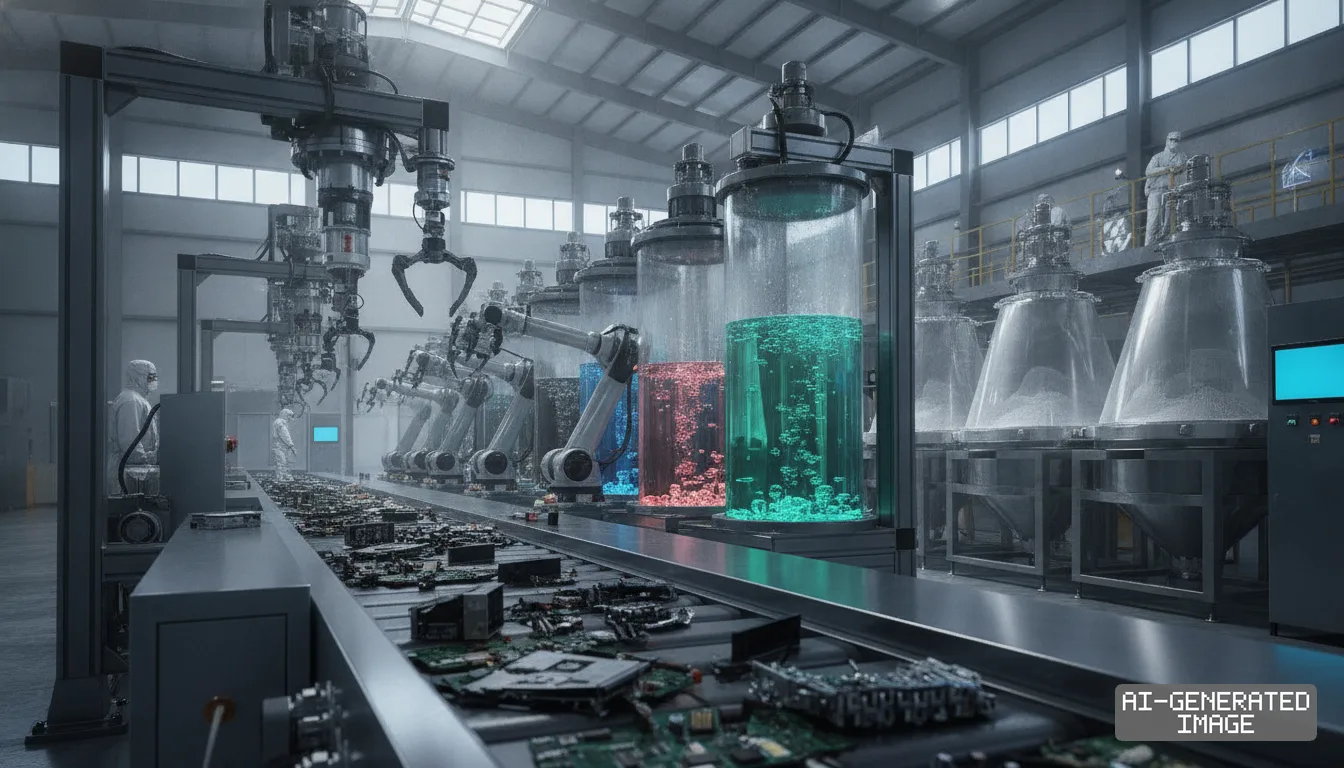
Washington committed an initial $10 million during the Atlanta talks to finance electronic waste collection hubs and mineral recovery infrastructure in India and ASEAN member countries.
The financing aims to pull secondary metals into industrial feedstocks. Recovered volumes will feed magnet and cell production lines across member economies, according to the joint statement released by the US State Department.
The group focused specifically on scrap recycling to establish alternate refining hubs outside China. Scrap processing requires lower capital expenditure and bypasses the lengthy permitting timelines that delay greenfield hard-rock mines.
Ministers welcomed private sector investments in regional processing plants and refineries. They called for commercial joint ventures that link raw material extraction in Australia with refining capacity in India and Japan.
The joint statement expressed grave concern over non-market policies and arbitrary export restrictions that disrupt industrial supply chains. The wording points directly to Beijing's widening export licensing regimes on antimony, gallium, germanium and graphite.
Chinese authorities have increasingly used mineral export quotas as diplomatic leverage. Quad members warned that centralized control over high-purity refining leaves battery makers and defense contractors vulnerable to sudden delivery halts.
State-backed financiers will shoulder execution risk for midstream processing facilities. The Quad export credit agencies will meet in Tokyo on Nov. 18 to align debt facilities, loan guarantees and equity backstops.
That meeting brings together Japan Bank for International Cooperation, Export Finance Australia, the Export-Import Bank of the United States and India Exim Bank. The lenders hold combined balance sheets capable of underwriting commercial refineries.
Securing bankable offtake contracts remains the central challenge for non-Chinese refiners. Western processing projects regularly face price collapse whenever Chinese state refiners release surplus volumes into spot markets.
The upcoming Tokyo agenda includes floor-price contracts and coordinated public procurement rules to protect new facilities against predatory dumping, according to government officials familiar with the preparations.
Export credit agencies also plan to establish streamlined qualification standards for critical mineral projects with a Quad nexus. Facilities operating in partner nations will gain expedited environmental reviews and priority concessional lending.
Downstream exposure across Quad manufacturing is acute. Japan relies on Chinese refiners for more than 60% of its heavy rare earth inputs, leaving automotive component suppliers exposed to bureaucratic delays.
India imports almost all of its processed lithium and cobalt compounds for electric two-wheelers, exposing its domestic manufacturing subsidies to external price spikes.
The $10 million American grant will seed pilot hydrometallurgical recycling units in industrial centers in Gujarat and Tamil Nadu. Those plants will extract battery-grade lithium and rare earth oxides from discarded electronics.
The joint release does not state whether the initiative will include a shared physical stockpile, and ministers omitted any mention of a collective reserve mechanism. Prior intergovernmental proposals had recommended setting up synchronized emergency warehouses for refined dysprosium and neodymium.
The four governments have also not published a definitive list of supported corporate projects or the criteria required to draw on the $20 billion framework. Those details now await the outcome of the export credit agency negotiations in Tokyo on Nov. 18.
Impact map
How this development propagates across the region and out to global buyers.
| Event | Korea | China | Japan | Global impact |
|---|---|---|---|---|
| Quad critical minerals recycling and refining push | Korean battery cathode makers gain secondary mineral sources outside China | Export curbs face margin pressure as Quad backs alternative regional refining capacity | JBIC coordinates public loans for processing hubs to cut 60% rare earth import reliance | Critical mineral recycling reduces primary mining dependency across defense and clean tech chains |
| Quad critical minerals recycling and refining push | Korean battery cathode makers gain secondary mineral sources outside China | Export curbs face margin pressure as Quad backs alternative regional refining capacity | JBIC coordinates public loans for processing hubs to cut 60% rare earth import reliance | Critical mineral recycling reduces primary mining dependency across defense and clean tech chains |
In this story
- Companies
- Japan Bank for International CooperationExport Finance AustraliaExport-Import Bank of the United StatesIndia Exim Bank
- Policy
- SubsidiesExport Controls
- Impact
- Supply ChainCapexCost Structure
Track every Subsidies development → Track every Export Controls development →
Related briefings
- India and JBIC weigh critical mineral fund for supply chains Also on Japan Bank for International Cooperation, Subsidies
- Japan, Uzbekistan agree to refine critical minerals locally for export Also on Japan Bank for International Cooperation, Subsidies
- India pushes local tunnel boring machines under China curbs Also on Export Controls, Cost Structure, Subsidies
- India pushes rare earth magnet output to counter China curbs Also on Export Controls, Cost Structure, Subsidies
Sources
Primary documents
Reporting
Confidence: high — how we grade this
The documents behind this briefing are linked above. East Asia Brief produces its English text with AI assistance under human editorial review, and does not translate or republish other outlets' articles. See our methodology and AI policy. Spotted an error? Tell us.
The Morning Brief
What changed in Korean, Chinese and Japanese industry overnight — and what it means for your supply chain. One email, weekday mornings, US time. Free.
The Morning Brief is in preparation. Leave your address and we will write to you once — when the first issue is ready. Nothing before that.