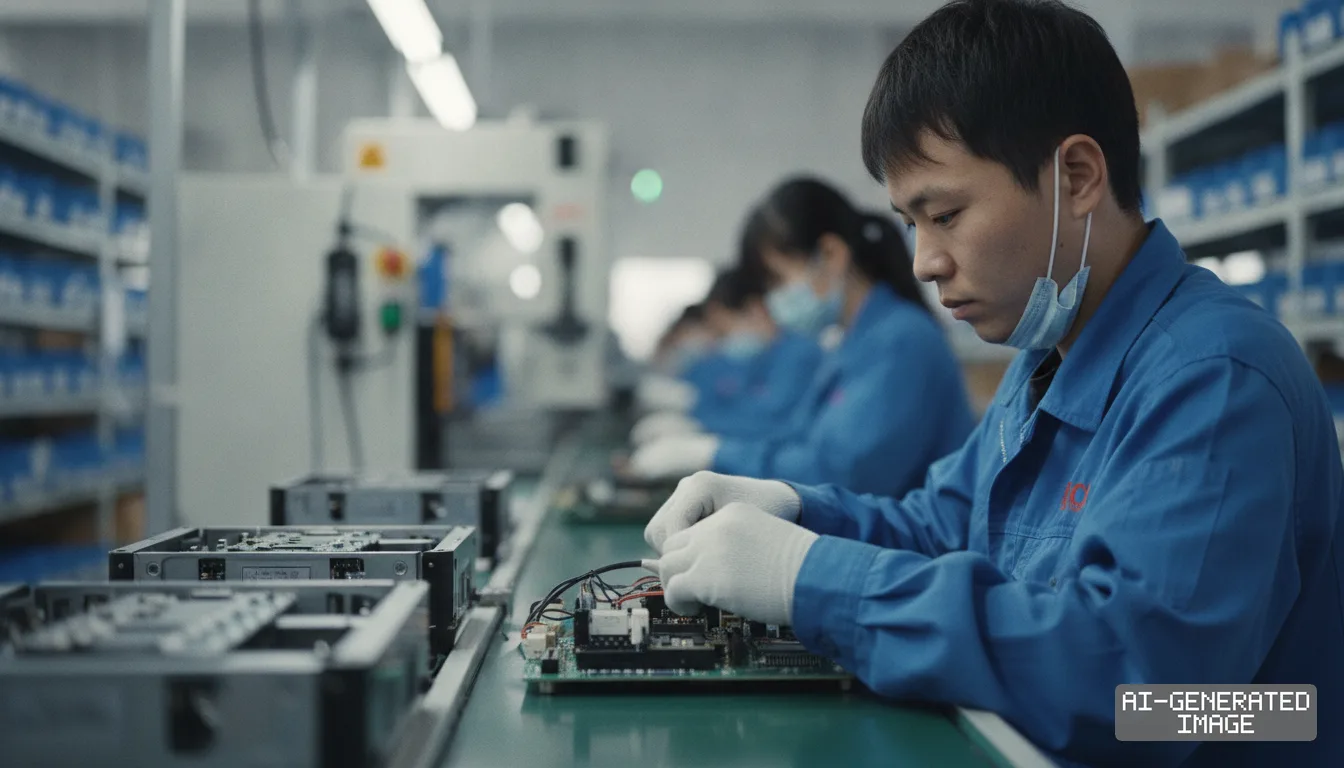
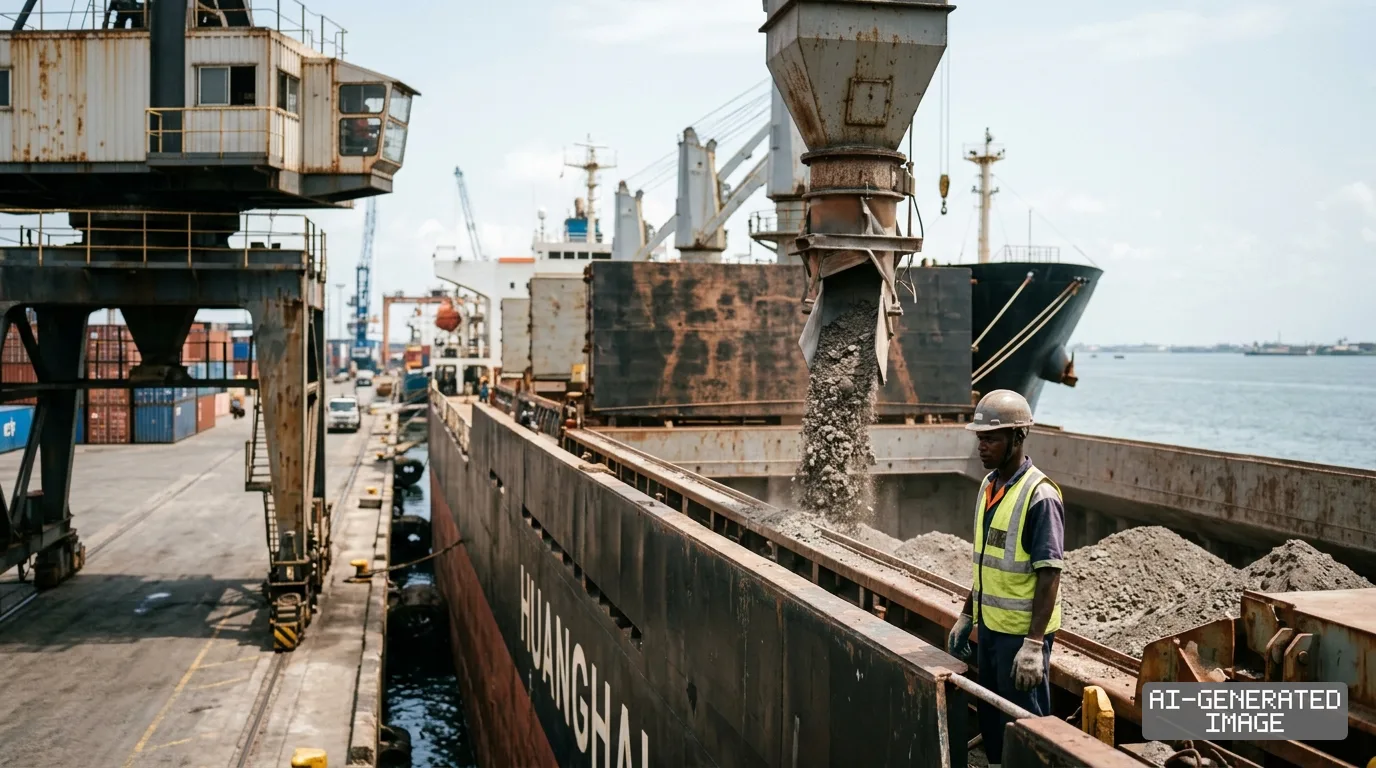
Canada and China waive tariffs on CA$400M in food and metal lines
Mark Carney and Xi Jinping widened their bilateral accord in Shenzhen on Nov. 17, adding 32 industrial metal categories and fishery relief.
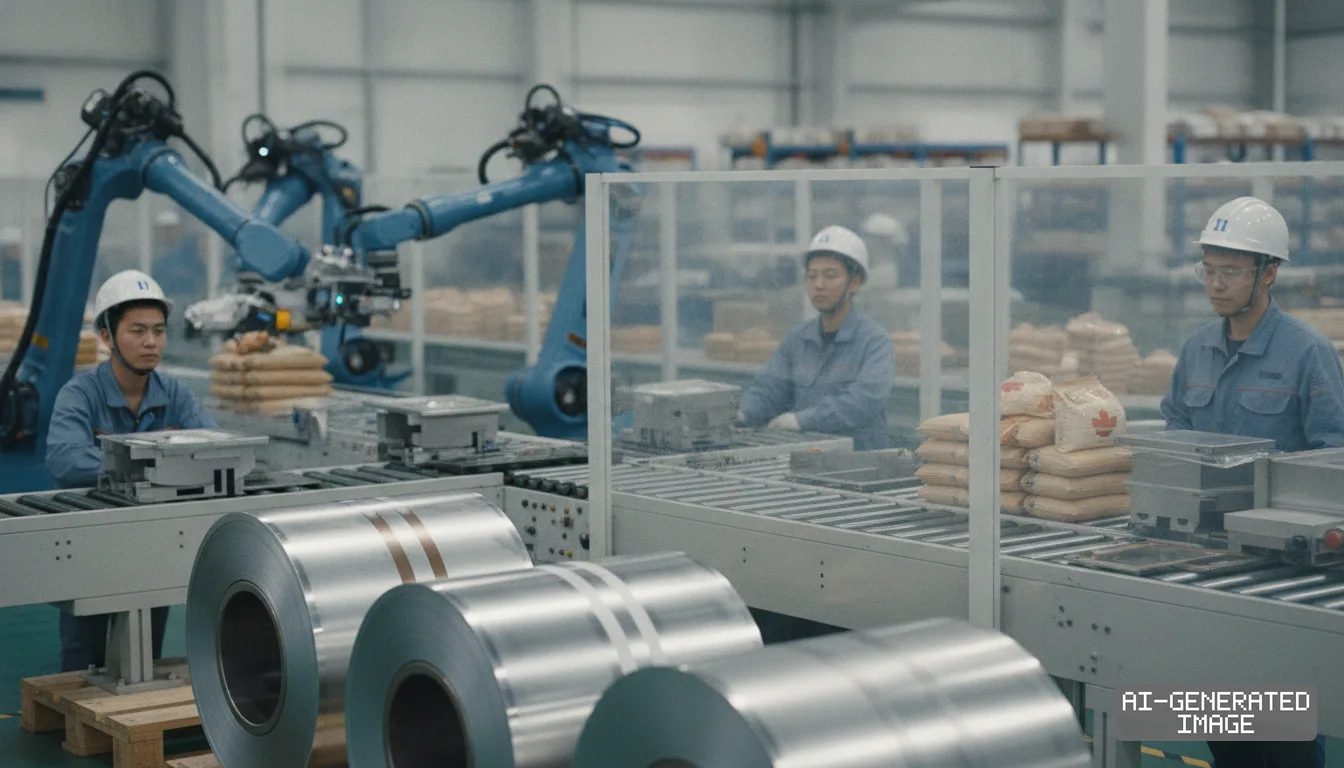
Canadian Prime Minister Mark Carney and Chinese President Xi Jinping agreed Nov. 17 to expand reciprocal tariff remissions across CA$400 million in Canadian food exports and 32 Chinese industrial metal product lines.
The agreement, reached during a bilateral summit in Shenzhen, broadens a provisional trade pact signed in January. It marks the second major adjustment to the bilateral commercial framework this month.
Under the accord, China will provide additional tariff relief on approximately CA$400 million ($294 million) of Canadian merchandise. The concession targets agricultural goods and commercial fisheries hit by earlier retaliatory duties.
The Chinese relief package includes CA$116 million ($85 million) of frozen pork cuts. An additional CA$285 million ($209 million) covers specialized fish and seafood shipments, the Canadian government said.
The seafood exemptions apply to frozen cold-water shrimp, Pacific spot prawns, Greenland halibut and sea cucumbers. They also include live and chilled molluscs, centering on British Columbia geoduck exports.
Ottawa said the latest concessions restore Chinese market access for more than 90% of Canadian trade previously penalized by retaliatory duties. That covers nearly CA$7.5 billion ($5.5 billion) in annual exports.
In return, Canada will extend existing tariff remission measures for certain Chinese steel and aluminum imports by two years. Those exemptions were scheduled to lapse on Dec. 31, 2026.
Ottawa will also expand its remission framework to 32 additional Chinese steel and aluminum products. The waivers eliminate import surtaxes on industrial inputs facing severe domestic supply shortfalls in Canada.
The Canada Border Services Agency administers the metal remissions under Section 115 of the Customs Tariff. Eligible goods cannot be re-exported to the United States in an unmodified state.
The previous metal remission program covered 66 product-specific tariff lines and 49 company-specific lines. The expanded schedule provides relief for structural goods, industrial fasteners and metal packaging materials.
The Shenzhen pact broadens terms negotiated Nov. 4 between Canadian International Trade Minister Maninder Sidhu and Chinese Commerce Minister Wang Wentao during ministerial talks in Beijing.
In those earlier talks, Beijing extended tariff waivers on Canadian canola meal, dried peas, lobster and crab through Dec. 31, 2028. Those goods faced Chinese tariffs as high as 100%.
The tariff easing directly affects Canadian livestock producers. Domestic pork processors direct roughly 10% of their total export volume to Asian markets, where punitive duties had constrained operating margins.
Shellfish harvesters on Canada's Pacific coast also gain substantial relief. Spot prawn and geoduck divers in British Columbia export more than 80% of their commercial landings to mainland Chinese buyers.
For Canadian manufacturers, the extended steel and aluminum remissions lower procurement costs for construction and equipment fabrication. Domestic metal users had warned that high border surcharges threatened industrial competitiveness.
The bilateral framework builds on a preliminary agreement signed in January during Carney's first official visit to China. That pact established managed market access for Chinese electric vehicles in Canada.
Under the January pact, Canada permitted imports of up to 49,000 Chinese-built electric vehicles under a 6.1% tariff, down from 100%. That annual import quota will rise to 70,000 units within five years.
The arrangement requires 50% of imported electric vehicles to carry retail prices below CA$35,000 by 2030. In exchange, Beijing restored Canadian beef import licences and trimmed oilseed penalties.
The tariff negotiations align with Canadian efforts to diversify trade away from the United States amid shifting American tariff policy. The United States absorbed 68% of Canadian exports this year, down from 75%.
Canadian merchandise shipments to China expanded 31.4% to CA$21.5 billion ($15.8 billion) during the first six months of 2026. Ottawa has established an official objective to increase exports to China by 50% by 2030.
Significant trade frictions persist despite the latest agreement. Canadian canola seed shipments still carry a combined 14.9% Chinese duty, while canola oil shipments remain subject to a 100% border duty.
The Canola Council of Canada and the Canadian Canola Growers Association represent roughly 40,000 growers. They continue to seek duty reductions in a Chinese seed market worth CA$4 billion annually.
The bilateral arrangement establishes Dec. 31, 2028, as the formal expiration date for both Canada's metal remissions and China's agricultural exemptions. Both governments plan to review trade data together in 2027.
The Prime Minister's Office did not publish the specific eight-digit Harmonized System codes for the 32 newly exempt steel and aluminum product lines in its official release.
Impact map
How this development propagates across the region and out to global buyers.
| Event | Korea | China | Japan | Global impact |
|---|---|---|---|---|
| China-Canada tariff remission expansion | Posco faces indirect pricing pressure in Canadian steel supply channels | exporters secure two-year tariff waiver extension on steel and aluminum | Nippon Steel and JFE absorb Chinese metal competition in western Canada | North American trade corridors adjust as Canadian export share to US falls to 68% |
In this story
- Policy
- Tariffs
- Impact
- PricingSupply ChainCost Structure
Track every Tariffs development →
Related briefings
- Global solar additions drop 14.8% as China curbs export rebates Also on Tariffs, Pricing, Cost Structure
- China-Nigeria trade hits $17.4B after zero-tariff policy launch Also on Tariffs, Pricing, Cost Structure
- US offers India tariff edge over Vietnam under Mission 500 pact Also on Tariffs, Pricing, Cost Structure
- USTR and MOFCOM target reciprocal tariff cuts on $60B of trade Also on Tariffs, Pricing, Cost Structure
Sources
Reporting
Confidence: medium — how we grade this
The documents behind this briefing are linked above. East Asia Brief produces its English text with AI assistance under human editorial review, and does not translate or republish other outlets' articles. See our methodology and AI policy. Spotted an error? Tell us.
The Morning Brief
What changed in Korean, Chinese and Japanese industry overnight — and what it means for your supply chain. One email, weekday mornings, US time. Free.
The Morning Brief is in preparation. Leave your address and we will write to you once — when the first issue is ready. Nothing before that.