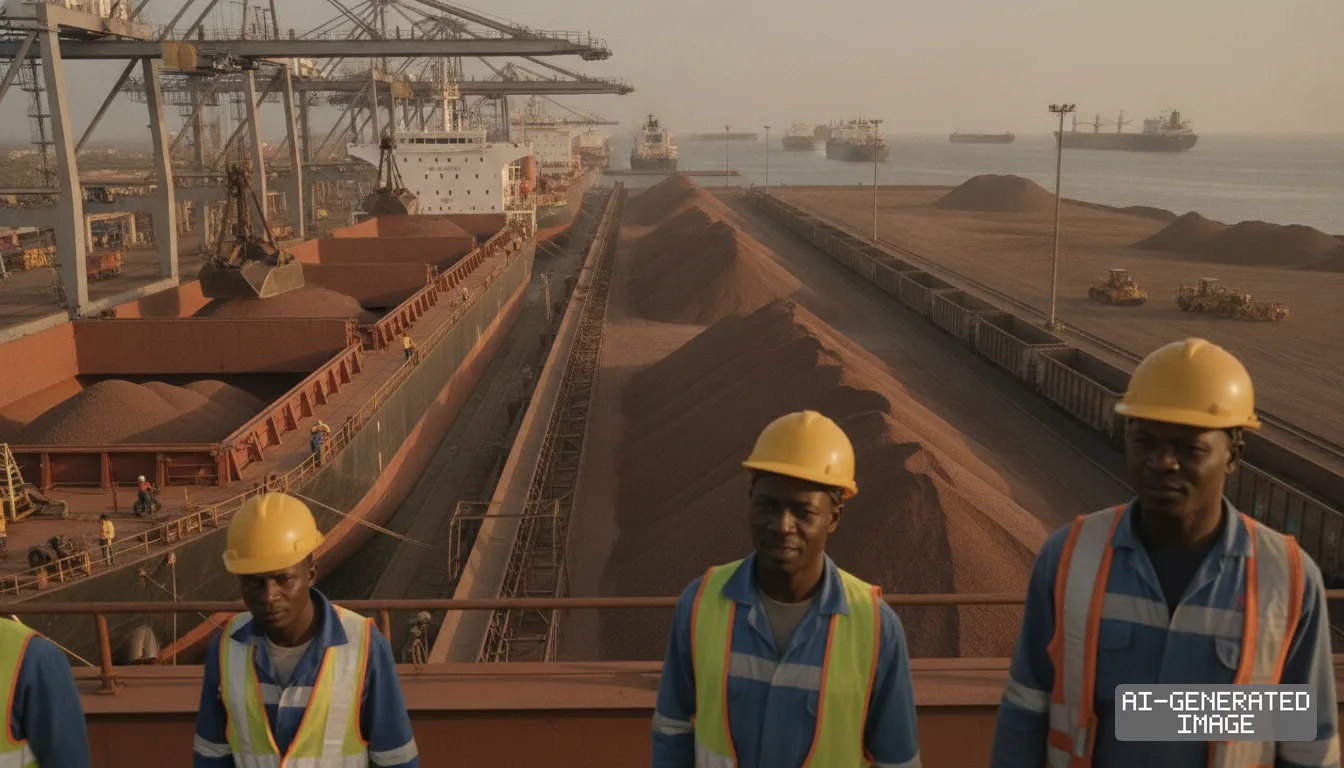
Canada and China lower duties across $280 million in shipments
Beijing suspends retaliatory levies on C$116 million in frozen pork cuts while Ottawa gives Canadian manufacturers duty relief on industrial metal inputs.
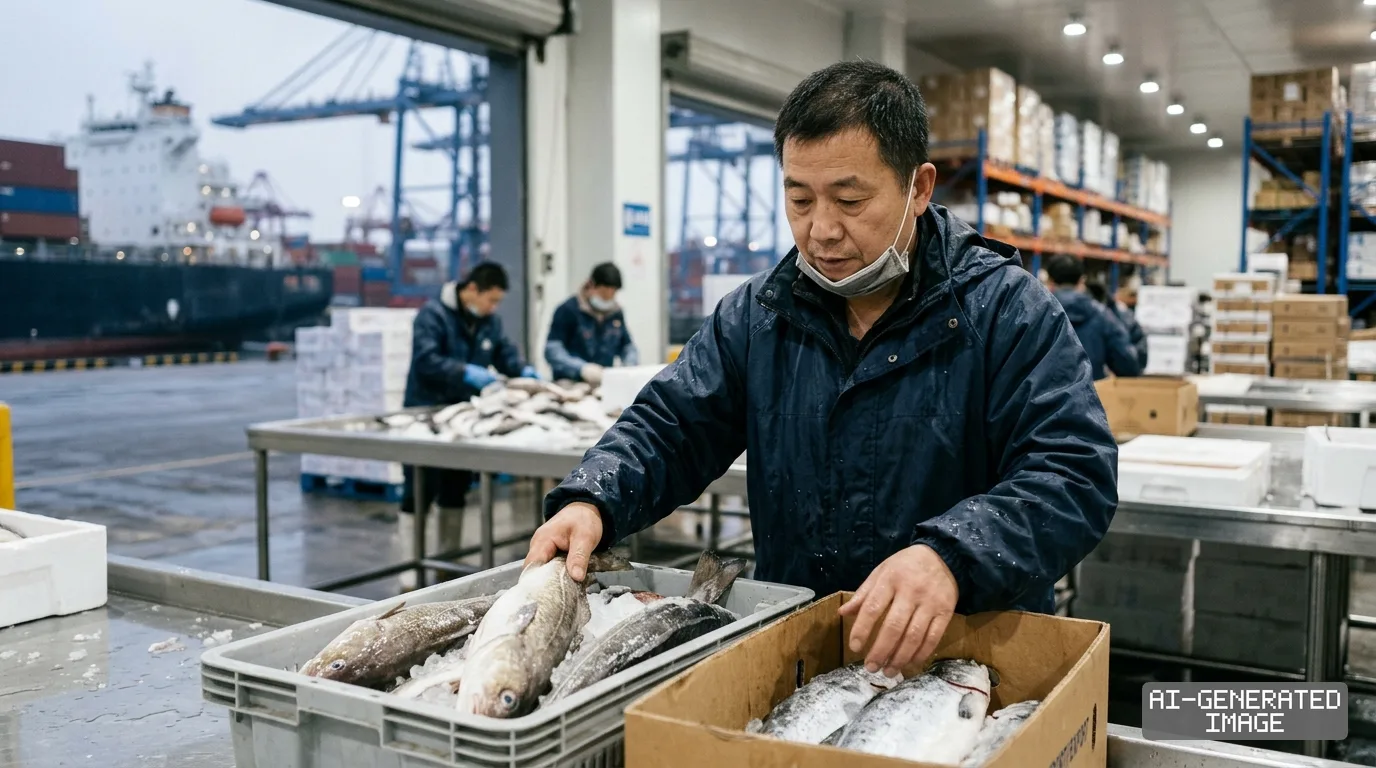
Canada and China finalized terms on Nov. 20 to reduce tariffs on 400 million Canadian dollars ($280 million) of annual agricultural and seafood shipments. The arrangement marks a deliberate shift toward selective bilateral trade easing.
The agreement shields Canadian farmers and seafood harvesters from Chinese retaliatory levies. In return, Ottawa agreed to grant domestic manufacturers duty relief on specialized Chinese industrial metal imports.
Under the terms, China will suspend anti-discrimination tariffs on C$116 million ($81 million) in frozen pork cuts. The measure restores tariff-free access for Canadian pork processors after months of commercial friction.
Chinese authorities will also suspend duties on C$285 million ($200 million) in Canadian seafood exports. The relief covers cold-water fisheries across Atlantic Canada and the Pacific coast.
The seafood exemptions include C$96 million in Greenland halibut and C$87.5 million in cold-water shrimp and Pacific spot prawns, the Prime Minister's Office said.
Mollusc shipments valued at C$61.4 million, including Pacific geoduck, will also receive duty exemptions. Sea cucumber exports worth C$39.4 million are included in the tariff suspension schedule.
The bilateral concessions build on an earlier extension agreed at the Joint Economic and Trade Commission meeting in Beijing. That meeting restored duty relief for Canadian canola meal, peas, lobster and crab.
The combined agreements have restored predictable market access for over 90% of trade previously facing Chinese retaliatory tariffs, Canadian trade officials said. That restored flow represents nearly C$7.5 billion ($5.2 billion) in annual exports.
In exchange, Canada agreed to extend existing tariff remission orders for Chinese steel and aluminum through Dec. 31, 2028. The remissions had been scheduled to expire on Dec. 31, 2026.
Ottawa will expand remission coverage to 32 additional tariff items where domestic Canadian supply is unavailable. The expansion covers 23 specialized steel lines and nine aluminum categories, the Department of Finance said.
The remission system waives import surtaxes for Canadian fabricators that rely on specific metal grades. Businesses must prove that equivalent materials cannot be sourced domestically or from non-Chinese suppliers.
Canadian budget documents projected that initial metal remissions would forgo C$183 million in federal revenue. The Department of Finance will publish updated fiscal estimates once the new Order in Council is enacted.
The agreement carves out a distinct position for Canada within North American supply chains. While the United States maintains broad 25% tariffs on Chinese metals, Ottawa is selectively exempting critical manufacturing inputs.
Canadian rules explicitly prohibit companies from re-exporting duty-exempt Chinese steel and aluminum into the United States in the same condition. The restriction ensures compliance with North American origin standards.
The tariff agreement follows ministerial negotiations co-led by Canadian International Trade Minister Maninder Sidhu and Chinese Commerce Minister Wang Wentao. Foreign Minister Anita Anand also reviewed commercial priorities with Chinese counterpart Wang Yi.
The agricultural pact complements an earlier agreement allowing up to 49,000 Chinese electric vehicles into Canada annually at a 6.1% tariff rate. That allocation represents less than 3% of the Canadian light-vehicle market.
Under that automotive arrangement, half of the imported Chinese electric vehicles must be priced under C$35,000. Ottawa designed the quota to encourage joint ventures while curbing consumer vehicle costs.
China previously lowered anti-dumping deposit rates on Canadian canola seed imports from 75.8% to 5.9%. That adjustment improved market conditions for roughly C$4 billion ($2.8 billion) in Canadian seed shipments.
Chinese customs authorities also reinstated export eligibility for 20 Canadian beef slaughtering and processing facilities earlier this year. The action permitted meatpackers to resume shipments that had faced lengthy regulatory suspensions.
Canadian policymakers are balancing domestic manufacturing costs against trade alignment with Washington. The Canadian government is attempting to protect export access in Asia while preserving cross-border manufacturing integration with American partners.
The mutual tariff suspensions and metal remissions take effect on Jan. 1, 2027, and remain active through Dec. 31, 2028. Both governments agreed to review the arrangement before that term concludes.
Canada and China also agreed to launch a major bilateral trade mission in 2027 to connect commercial suppliers directly with Chinese buyers across resource and agricultural industries.
The Chinese Ministry of Commerce has not published the specific commodity tariff codes or formal customs circulars detailing the duty suspension schedule.
Impact map
How this development propagates across the region and out to global buyers.
| Event | Korea | China | Japan | Global impact |
|---|---|---|---|---|
| Canada-China bilateral tariff relief | no direct exposure, monitors Canadian pork and seafood volumes in Chinese wholesale market | downstream food processors secure duty-free pork and seafood worth $280 million | no direct exposure, trading houses track price spreads in cold-water seafood | North American supply chain shows divergence as Canada eases tariffs on 32 Chinese metal lines |
In this story
- Policy
- Tariffs
- Impact
- Supply ChainPricingCost Structure
Track every Tariffs development →
Related briefings
- Traders book US copper cargoes as China spot premium hits $500 Also on Tariffs, Pricing, Cost Structure
- China extends 10% US tariff rate to Jan. 10 without separate waiver lists Also on Tariffs, Pricing, Cost Structure
- China zero-tariff policy drives 166% surge in imports from Ghana Also on Tariffs, Pricing, Cost Structure
- Global solar additions drop 14.8% as China curbs export rebates Also on Tariffs, Pricing, Cost Structure
Sources
Primary documents
Reporting
Confidence: high — how we grade this
The documents behind this briefing are linked above. East Asia Brief produces its English text with AI assistance under human editorial review, and does not translate or republish other outlets' articles. See our methodology and AI policy. Spotted an error? Tell us.
The Morning Brief
What changed in Korean, Chinese and Japanese industry overnight — and what it means for your supply chain. One email, weekday mornings, US time. Free.
The Morning Brief is in preparation. Leave your address and we will write to you once — when the first issue is ready. Nothing before that.