China activates export review on 40 restricted technologies
Ministry of Commerce directives require pre-export filing on 14 prohibited and 26 restricted commercial processes across solar, computing, and biomedicine.

China's Ministry of Commerce continued enforcement of an interim technology export registration system on Nov. 21, 2026, after closing public comments on 40 restricted commercial manufacturing and computing processes.
The measure stems from Announcement No. 48 of 2026, issued jointly with the Ministry of Science and Technology on Oct. 16. It covers 14 prohibited and 26 restricted technologies across photovoltaics, artificial intelligence and biomedicine.
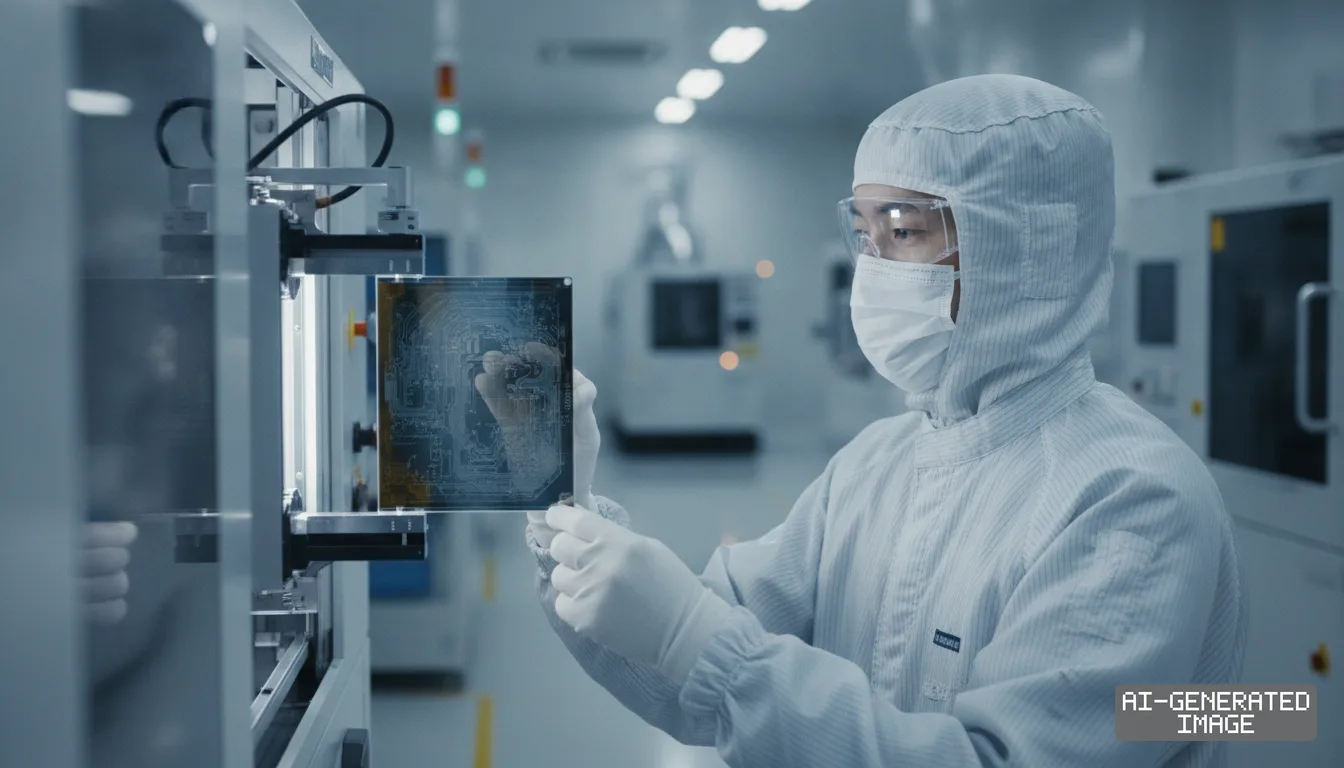
The photovoltaic list targets commercial manufacturing processes with high market concentration. It restricts the transfer of polysilicon production lines with annual single-line capacity of 30,000 metric tons or more, and bans the export of perovskite tandem cell technology exceeding 30% efficiency.
The registration rule applies to overseas transfers of intellectual property ownership, foreign licensing arrangements and changes in effective corporate control. Uncompleted export transactions initiated before the October announcement are also subject to the mandatory reporting procedure.
In artificial intelligence, the registry monitors 23 technical areas, focusing on model weights, core training datasets, source code and algorithmic architectures. Artificial intelligence firms DeepSeek and MiniMax completed required filings for open-source releases and overseas licensing under the mechanism.
Commercial software services remain exempt from the pre-export filing requirement. Providing overseas clients with application programming interface access, interactive web services, software-as-a-service applications and lightweight local edge deployment does not constitute a controlled technology transfer, according to ministry officials.
For overseas computing clusters, Chinese technology companies building proprietary data centers abroad can utilize expedited administrative channels. The ministry established automatic licensing pathways for outbound projects using wholly owned infrastructure, avoiding lengthy individualized reviews.
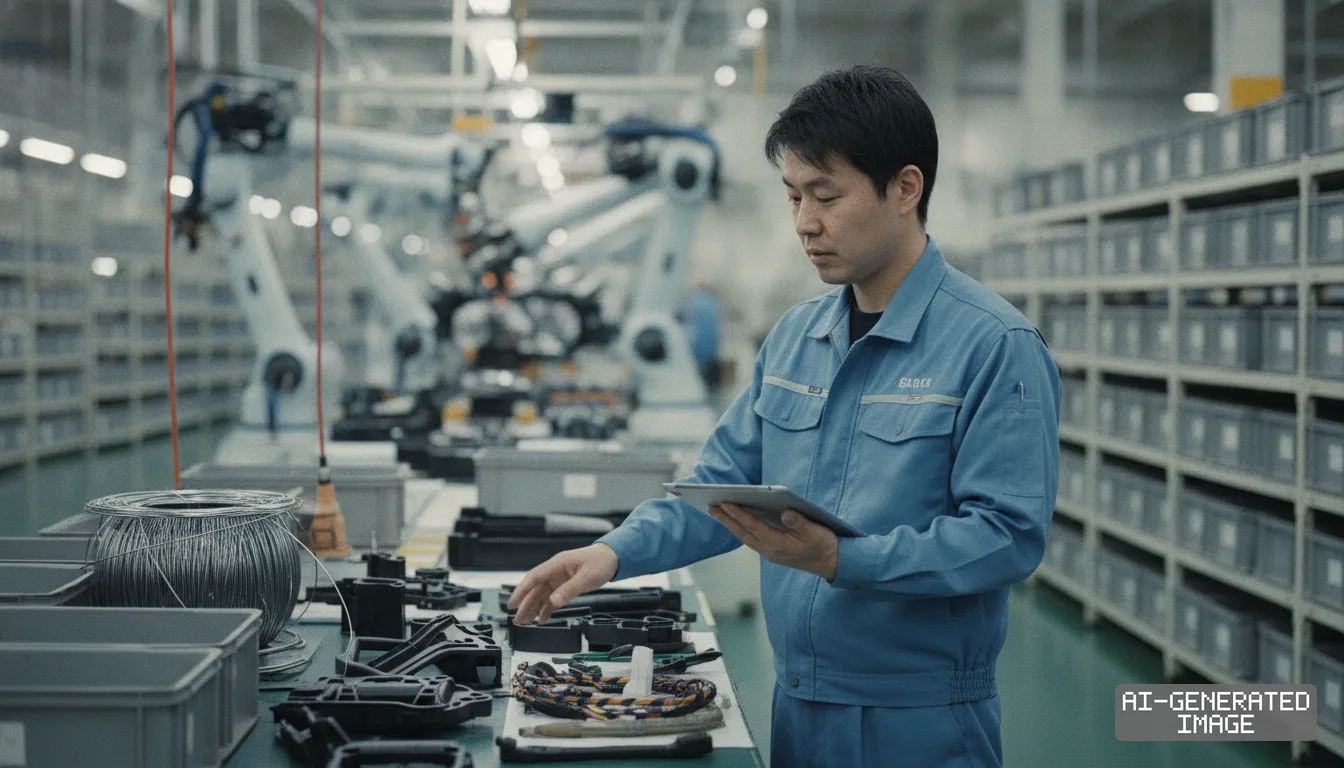
The restrictions extend beyond written engineering formulas to physical manufacturing machinery. MOFCOM specified that specialized production tools and automated hardware that carry restricted manufacturing processes cannot be exported without technical trade clearance.
In biomedicine, five technologies face strict monitoring, including proprietary cell and gene therapy platforms and small interfering RNA processes. Licensing arrangements that retain domestic ownership qualify for automated administrative clearance, while outright transfers of patent ownership face rigorous review.
Foreign manufacturing joint ventures operating inside China face procedural delays when sharing process modifications with overseas parent entities. Any transfer of operational process recipes or customized equipment upgrades across borders triggers an advance filing in MOFCOM's trade platform.
The interim framework explicitly captures corporate restructuring that shifts practical control of domestic technology assets to foreign entities. If a domestic software or engineering firm changes its beneficial ownership to an overseas holding vehicle, the transaction falls within the mandatory registration scope.
Exporters must file transaction details through the Technical Trade Management Information Application on the unified business platform of the commerce ministry. The system requires exporters to submit complete transfer agreements, corporate structural diagrams and technical documentation before execution.
Cross-border technology exporters must present their interim registration certificates to complete required foreign exchange, customs clearance and tax rebate procedures. Financial institutions inside China are instructed to verify regulatory filings before settling outbound licensing royalties or technology acquisition payments.
The commerce ministry grounded the interim registration measure in Articles 18 and 20 of China's Foreign Trade Law. The statutes authorize administrative authorities to enact emergency or temporary restrictions outside the permanent statutory catalog to safeguard national security.
Chinese solar manufacturers have increased production investments across Southeast Asia, the Middle East and North Africa to circumvent Western trade tariffs. The interim filing mechanism creates administrative friction for companies seeking to export turnkey production lines to these third-country facilities.
The technology registry complements previous export controls imposed on critical mineral processing. In October 2025, MOFCOM restricted exports of rare earth extraction, smelting and magnet fabrication technologies, requiring technical licenses for production line assembly and maintenance.
The regulation targets generational advantages in manufacturing techniques rather than mature legacy goods. By isolating proprietary perovskite tandem architectures and high-throughput wafering lines, the rules aim to retain key components of the clean technology manufacturing chain within the domestic economy.
Domestic engineering teams now conduct internal technical audits before signing overseas construction or technology licensing contracts. Companies must determine whether proprietary line efficiencies or equipment parameters breach the quantitative thresholds listed in the regulatory annexes.
Public feedback on the proposed revisions closed on Nov. 15, 2026. The interim registration framework remains legally binding on domestic and foreign-invested companies until the State Council and relevant ministries formally enact the revised permanent catalog.
The commerce ministry has not published whether industry submissions altered the 40 proposed entries, and the notice does not state the final date for statutory enactment of the revised catalog.
Impact map
How this development propagates across the region and out to global buyers.
| Event | Korea | China | Japan | Global impact |
|---|---|---|---|---|
| Interim technology export registration | Solar module and battery manufacturers monitor Chinese tandem cell tech transfer barriers | DeepSeek and MiniMax register model weights; solar equipment makers face export delays | Joint-venture semiconductor and solar equipment affiliates review IP transfer protocols | Turnkey clean-tech manufacturing exports face tighter administrative screening |
In this story
- Companies
- DeepSeekMiniMax
- Policy
- Export Controls
- Impact
- ComplianceSupply Chain
Track every Export Controls development →
Related briefings
- Four Chinese AI labs used restricted Nvidia Blackwell chips in 2026 Also on MiniMax, DeepSeek, Export Controls
- China exempts overseas AI model APIs from draft export rules Also on DeepSeek, Export Controls, Compliance
- China MOFCOM restricts AI model and chip IP export transfers Also on DeepSeek, Export Controls, Compliance
- DeepSeek cuts AI memory use 75%, rattling global chipmakers Also on DeepSeek
Sources
Primary documents
Reporting
Confidence: high — how we grade this
The documents behind this briefing are linked above. East Asia Brief produces its English text with AI assistance under human editorial review, and does not translate or republish other outlets' articles. See our methodology and AI policy. Spotted an error? Tell us.
The Morning Brief
What changed in Korean, Chinese and Japanese industry overnight — and what it means for your supply chain. One email, weekday mornings, US time. Free.
The Morning Brief is in preparation. Leave your address and we will write to you once — when the first issue is ready. Nothing before that.