China zero-tariff policy drives 166% surge in imports from Ghana
Bilateral intake reached $290 million in June after Beijing eliminated duties across 100% of tariff lines for 53 diplomatic partner nations.
Chinese Ambassador to Ghana Cong Song announced Nov. 16 that China's monthly imports from Ghana rose 166% to $290 million following the implementation of Beijing's unilateral zero-tariff policy on African goods.
The June intake represented a 6.1% increase compared to the same month in 2025. The monthly figure accounted for 27% of China's $1.07 billion in total imports from Ghana during the first half of 2026.
Beijing eliminated import tariffs on May 1 across 100% of tariff lines for 53 African nations with which it maintains diplomatic ties. The policy followed Chinese President Xi Jinping's commitment delivered to the African Union summit in February.
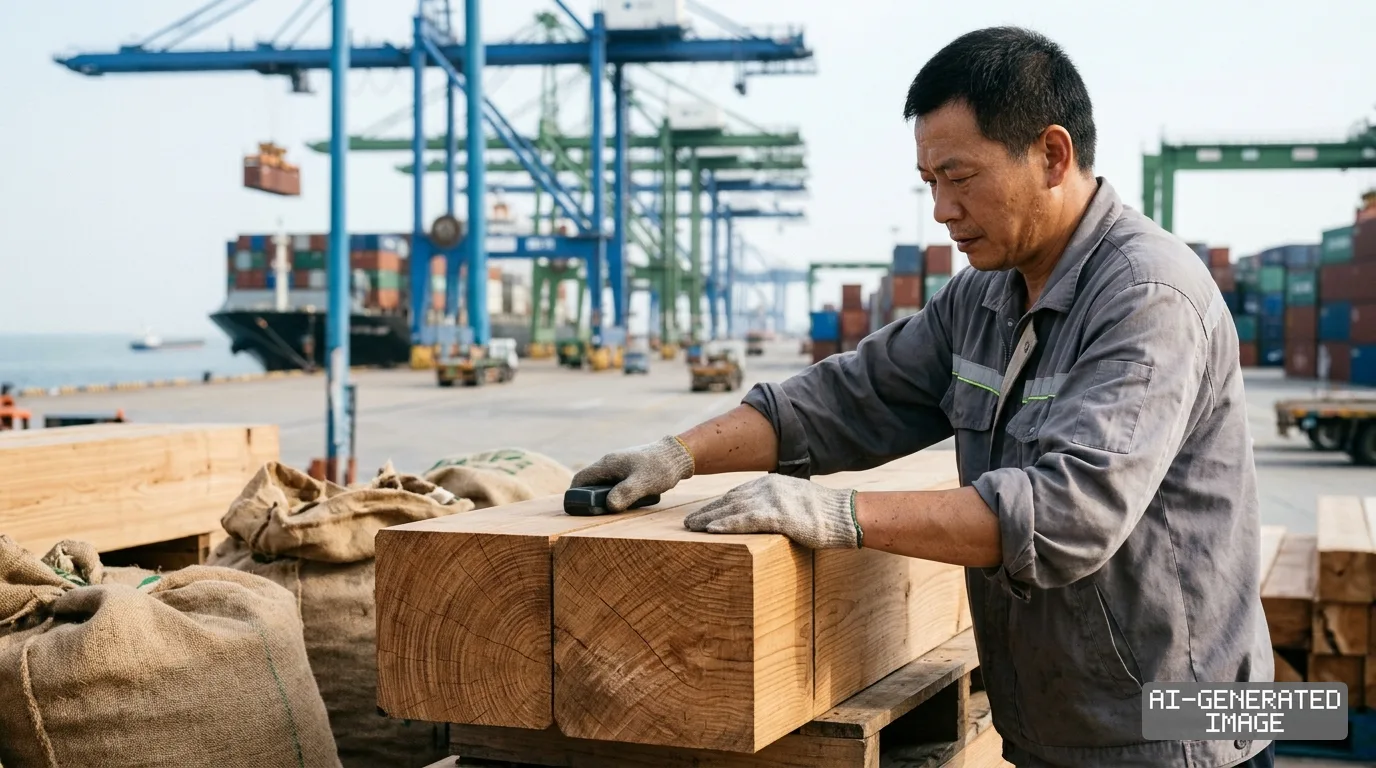
Under the tariff regime, Ghanaian cocoa beans entering Chinese ports shed previous border duties ranging between 8% and 22%. The duty waiver also covers shipments of cashew nuts, shea butter, timber, textiles and artisanal goods.
Bilateral trade between China and Ghana expanded to a record $14.12 billion in 2025, according to Chinese customs records. Ghanaian outbound shipments to China reached $2.67 billion that year, rising 33.9% over the previous annual total.
The elimination of tariff barriers accelerates raw material deliveries to Chinese processors. Ghana possesses 69 million tonnes of manganese ore reserves, representing the fifth-largest deposit of the critical alloy mineral on the planet.
China dominates global refining of electrolytic manganese metal, operating 98% of world production capacity. Chinese domestic mines contain low-grade deposits averaging 13% manganese content, leaving smelters dependent on imported high-grade ore.
Ghana is the sole commercial producer of high-grade manganese carbonate ore, which features low phosphorus levels and high manganese-to-iron ratios. The material is essential for manufacturing specialized steel alloys and lithium-ion battery cathodes.
Ningxia Tianyuan Manganese Industry Group controls 90% of Ghana Manganese Company Limited through its British holding unit Consolidated Minerals. The government of Ghana retains the remaining 10% equity stake in the operating company.
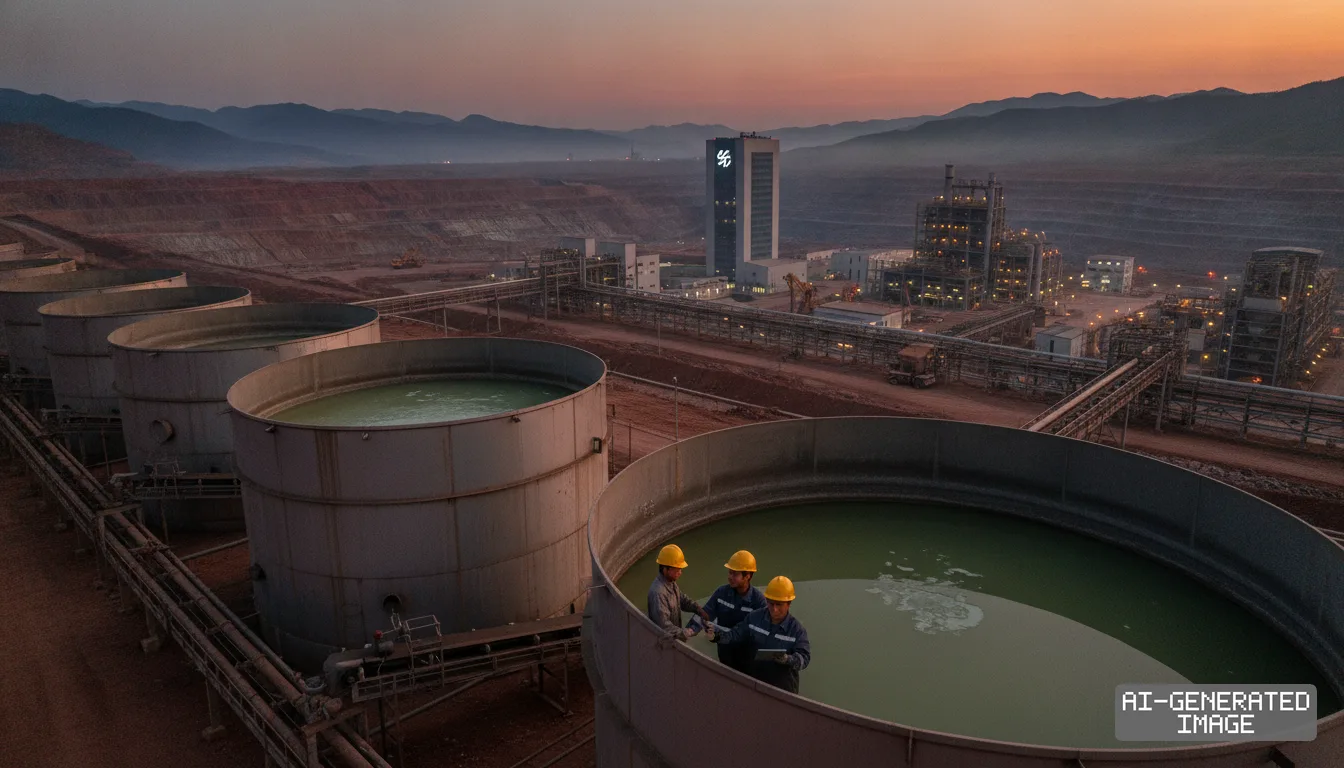
Ghana Manganese Company operates the Nsuta open-pit mine in western Ghana, extracting 5.19 million tonnes of carbonate ore in 2025. Chinese industrial facilities absorbed more than 95% of those mineral shipments last year.
Tianyuan consumes roughly 19% of China's annual manganese ore import intake across its smelting complexes. The private group operates about one-third of global electrolytic manganese metal capacity, providing feedstocks to Chinese steel mills.
Heavy equipment investments have expanded extraction throughput across the 170-square-kilometer concession. Xuzhou Construction Machinery Group supplied seven mining excavators to the Nsuta site in 2025, adding a 400-tonne unit in July.
Tianyuan is also developing a $450 million domestic manganese refinery near the Nsuta mine pits. The planned processing unit will produce high-purity manganese sulphate directly in Ghana to supply regional and overseas accumulator manufacturers.
The tariff exemption lowers delivered costs for Chinese smelters purchasing raw mineral inputs. That cost reduction widens the operating margin advantage held by Chinese chemical refiners over European and American competitors.
Western industrial policies have sought to develop alternative supply chains for critical energy transition minerals. However, direct Chinese control of Ghanaian extraction infrastructure limits the volume of uncommitted ore available to Western buyers.
The zero-tariff framework gives African exporters an economic incentive to prioritize commercial ties with Beijing over Western destinations, Song said during the forum in Accra.
The bilateral tariff treatment enters its next regulatory phase on Dec. 31, 2026, when trade officials review initial eight-month clearing volumes. Bilateral trade coordinators plan to review export figures in Beijing during the first quarter of 2027.
China's General Administration of Customs has not released monthly commodity breakdowns isolating June mineral volumes from agricultural goods, leaving the specific dollar value of duty-free manganese unconfirmed.
The agency has also not published data showing whether critical raw material shipments across all 53 eligible African countries matched the 166% monthly rate recorded for Ghana.
Impact map
How this development propagates across the region and out to global buyers.
| Event | Korea | China | Japan | Global impact |
|---|---|---|---|---|
| Africa zero-tariff trade expansion | Battery cathode makers face tighter merchant manganese markets as direct Ghana flows bypass East Asian spot hubs | Ningxia Tianyuan secures feedstock advantage for 98% share of world electrolytic manganese refining capacity | Specialized steelmakers face increased procurement premiums for non-Chinese refined manganese alloys | Western critical mineral diversification targets strained as West African ore routes anchor to Chinese processing |
In this story
- Companies
- Ningxia Tianyuan Manganese Industry GroupGhana Manganese Company
- Tickers
- 000425.SZ
- Policy
- Tariffs
- Impact
- Supply ChainCost StructurePricing
Track every Tariffs development →
Related briefings
- Global solar additions drop 14.8% as China curbs export rebates Also on Tariffs, Pricing, Cost Structure
- Canada and China waive tariffs on CA$400M in food and metal lines Also on Tariffs, Pricing, Cost Structure
- China-Nigeria trade hits $17.4B after zero-tariff policy launch Also on Tariffs, Pricing, Cost Structure
- US offers India tariff edge over Vietnam under Mission 500 pact Also on Tariffs, Pricing, Cost Structure
Sources
Primary documents
Reporting
Confidence: high — how we grade this
The documents behind this briefing are linked above. East Asia Brief produces its English text with AI assistance under human editorial review, and does not translate or republish other outlets' articles. See our methodology and AI policy. Spotted an error? Tell us.
The Morning Brief
What changed in Korean, Chinese and Japanese industry overnight — and what it means for your supply chain. One email, weekday mornings, US time. Free.
The Morning Brief is in preparation. Leave your address and we will write to you once — when the first issue is ready. Nothing before that.