Samsung Heavy Industries wins $226 million gas carrier order
The 307.4 billion won deal for two very large gas carriers lifts the yard's 2026 merchant vessel order intake to $7.5 billion, surpassing its annual commercial target by 32%.
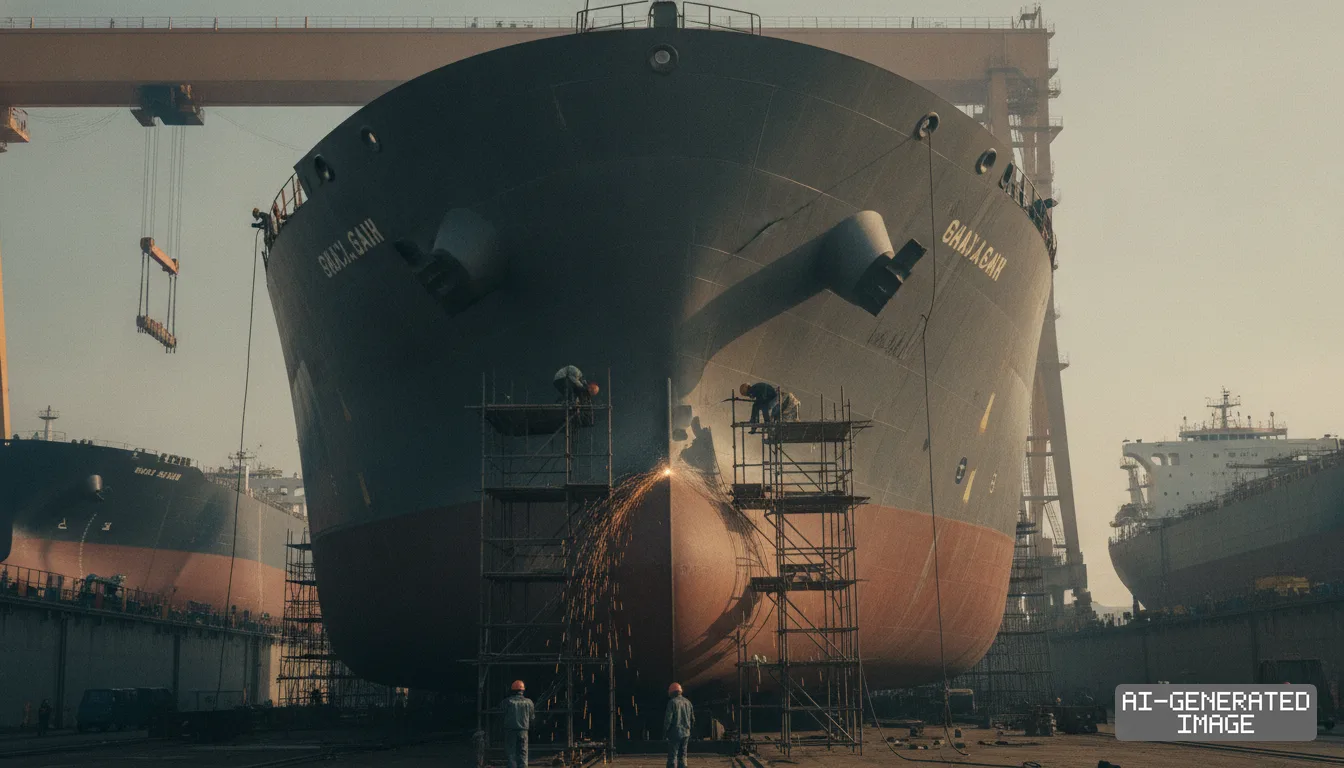
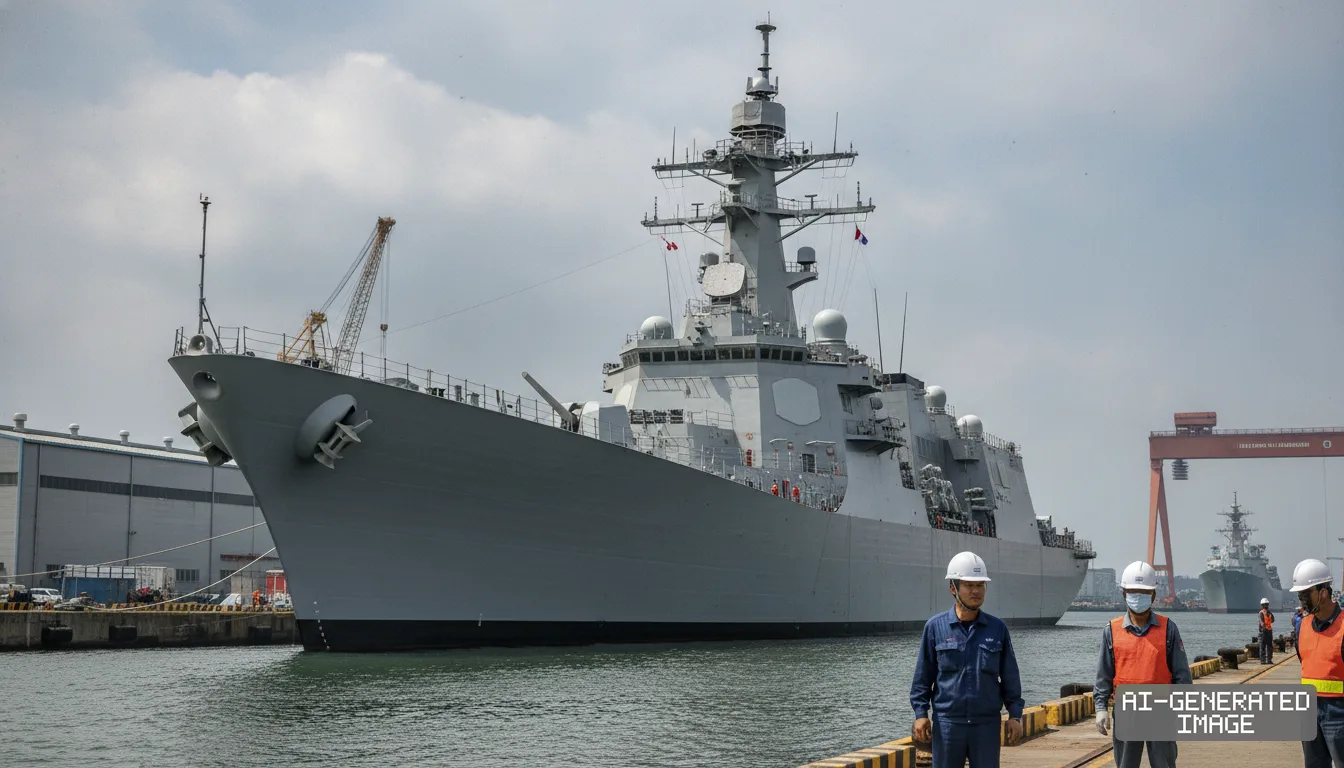
Samsung Heavy Industries secured a 307.4 billion won ($226 million) contract on Sept. 30, 2026, to build two very large gas carriers for a Bermuda-based shipowner.
The order represents 2.9% of the shipbuilder's 2025 consolidated revenue of 10.65 trillion won ($7.83 billion). Each vessel carries a construction price of approximately 153.7 billion won ($113 million).
The contract, executed on Sept. 29, 2026, sets sequential vessel deliveries running through Feb. 28, 2030. Cash payments will follow standard shipbuilding milestones based on progressive construction stages.
The regulatory filing does not disclose the corporate identity of the Bermuda-based buyer. Domiciling vessel assets in Bermuda remains standard administrative practice for international commercial shipping pools and asset-financing vehicles.
The new contract lifted Samsung Heavy Industries' cumulative commercial ship orders to $7.5 billion across 44 vessels in 2026. That volume reaches 132% of its $5.7 billion merchant shipbuilding target for the year.
Order intake expanded steadily across the year, adding 16 merchant vessels in the second half following 28 contracts secured during the first six months. Premium gas carriers accounted for the largest share of new commitments.
Liquefied natural gas carriers dominate the company's commercial orderbook, totaling 18 vessels booked this year. That volume includes 17 conventional high-capacity LNG carriers and one floating storage and regasification unit.
Crude oil tankers formed the second-largest commercial category with 14 contracted hulls. Samsung Heavy Industries has also booked six very large gas carriers, four container vessels and two ethane carriers this year.
In its offshore division, the shipbuilder has booked two floating liquefied natural gas production facilities valued at $4.4 billion. That intake achieves 54% of its $8.2 billion annual offshore contracting target.
Combined merchant and offshore orders stand at 46 units valued at $11.9 billion. The combined performance represents 86% of the company's consolidated 2026 target of $13.9 billion.
The contract values reflect a benchmark foreign exchange conversion of 1,360 won per dollar, the shipbuilder said in its disclosure. South Korean yards sign export contracts in dollars while translating progress payments into won for financial reporting.
At $113 million per hull, the contract confirms firm pricing power for large-capacity liquefied gas tonnage. South Korean shipbuilders have maintained pricing discipline rather than discounting delivery slots to win volume.
The 2030 delivery timeline highlights tight berth availability across Samsung Heavy Industries' primary production docks in Geoje. Top-tier Korean yards have largely filled their drydock schedules through late 2028 and 2029.
Global maritime shipping demand has increased for gas carriers capable of moving liquefied petroleum gas and ammonia. Cargo fleet operators require dual-fuel machinery to comply with stricter international greenhouse gas emission standards.
Korean shipyards have prioritized high-value gas tonnage to insulate operating profit from raw material volatility. The strategy yields higher shipyard margins compared with standard dry bulk carriers built primarily in China.
Progressive stage billing shields Samsung Heavy Industries from negative working capital cycles during construction. Milestone cash collections match capital outlays for steel plates, mechanical systems and drydock assembly.
Thick steel plate procurement and cryogenic cargo handling systems represent the primary direct cost inputs for the two hulls. Domestic mills provide hull steel, while specialized cryogenic fuel system components rely on global marine engineering suppliers.
Korean shipbuilders continue to benefit from long forward order backlogs that extend beyond three years of production. High backlog visibility enables yard management to enforce strict pricing floors on any remaining forward drydock slots.
Fabrication engineering will proceed under the four-year schedule concluding with final handover on Feb. 28, 2030. The shipbuilder will book construction revenues proportionally under percentage-of-completion accounting rules as hull erection advances.
Impact map
How this development propagates across the region and out to global buyers.
| Event | Korea | China | Japan | Global impact |
|---|---|---|---|---|
| VLGC construction contract | Samsung Heavy Industries secures 307.4 billion won ($226 million) to build two gas carriers, lifting 2026 commercial intake to 132% of goal | Competing yards see Korean shipbuilders tighten grip on high-margin gas slots through 2030 | Importers face stable fleet availability for long-term liquefied gas transport | Maritime gas carrier supply expands with two large vessels delivering by February 2030 |
In this story
- Companies
- Samsung Heavy Industries
- Tickers
- 010140.KS
- Policy
- Economic Security
- Impact
- Order BookPricingCapex
Track every Economic Security development →
Related briefings
- HD Hyundai and Hanwha Ocean Lock In LNG Carrier Berth Slots Through 2029 Also on Samsung Heavy Industries, Pricing, Order Book
- Hormuz Tanker Transits Plunge as Freight Costs Spike Also on Samsung Heavy Industries, Pricing, Order Book
- Korean shipbuilders localize Arctic ice design software Also on Samsung Heavy Industries, Order Book
- Hanwha Ocean wins ABS approval for ammonia-ready LNG tanks Also on Samsung Heavy Industries, Order Book
Sources
Primary documents
Reporting
Confidence: high — how we grade this
The documents behind this briefing are linked above. East Asia Brief produces its English text with AI assistance under human editorial review, and does not translate or republish other outlets' articles. See our methodology and AI policy. Spotted an error? Tell us.
The Morning Brief
What changed in Korean, Chinese and Japanese industry overnight — and what it means for your supply chain. One email, weekday mornings, US time. Free.
The Morning Brief is in preparation. Leave your address and we will write to you once — when the first issue is ready. Nothing before that.