Korean shipbuilders localize Arctic ice design software
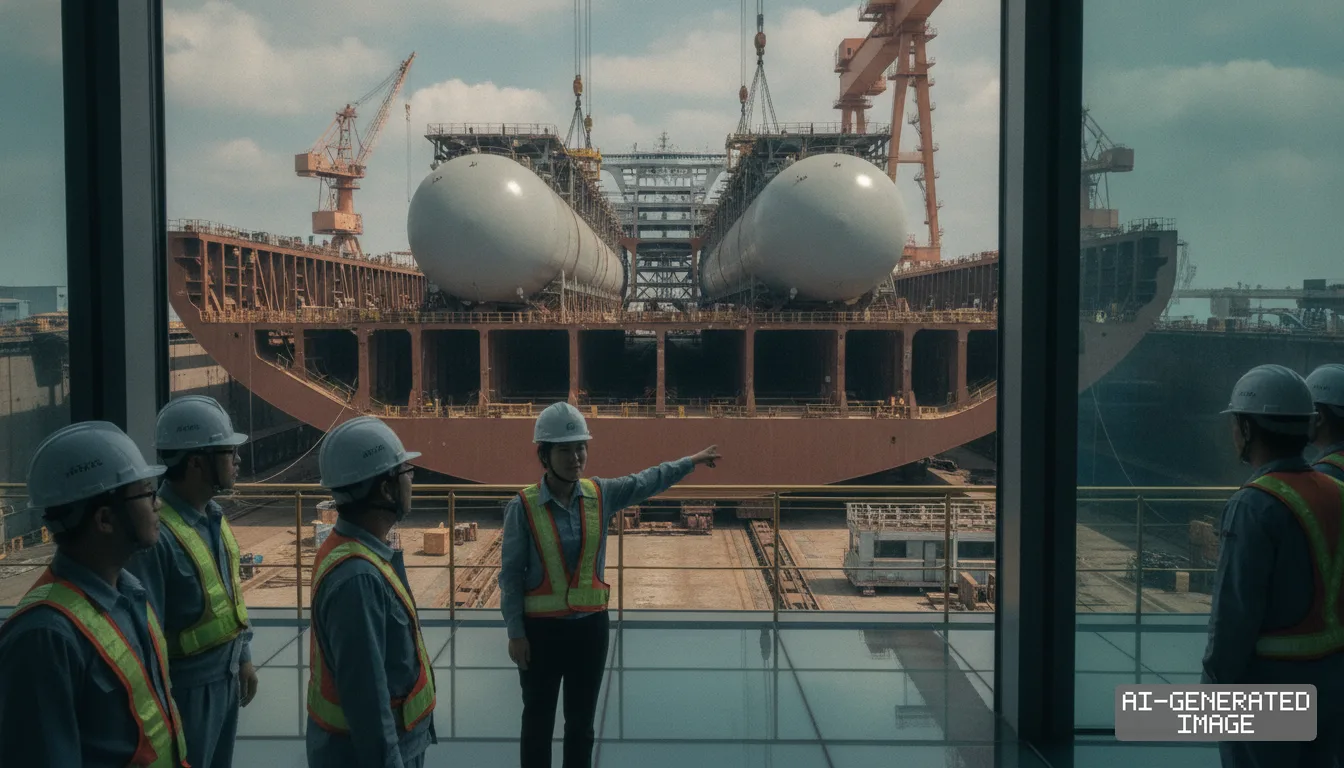
The Big Three shipyards join state-backed software and 3D printing projects to cut reliance on overseas polar engineering as Arctic trade route competition builds.
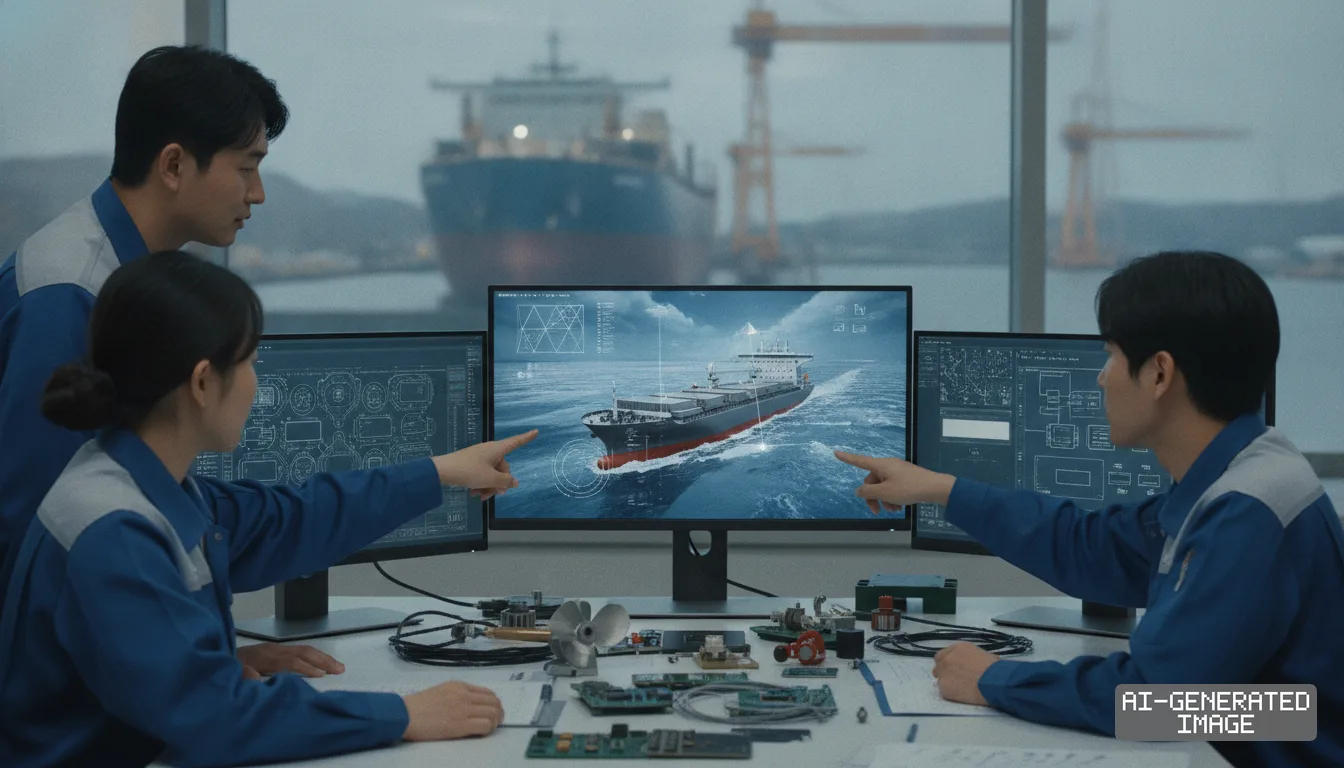
South Korea's three major shipbuilders expanded joint programs on Sept. 27, 2026, to domesticate polar ice-load design software and automated navigation controls for Arctic maritime trade routes.
The collective engineering push focuses on replacing foreign calculation formulas with indigenous modeling tools. Rising commercial interest in northern transit corridors has intensified demand for specialized ice-class cargo vessels.
The Ministry of Trade, Industry and Energy allocated 1.6458 trillion won ($1.23 billion) for its 2026 advanced industrial budget. That allocation designates polar icebreakers and autonomous maritime navigation as priority technology segments.
Western sanctions against Russian energy projects reshuffled the polar shipbuilding pipeline. South Korean shipbuilders previously secured high-margin contracts for Arc7-class liquefied natural gas carriers capable of breaking through ice two meters thick.
Hanwha Ocean delivered 15 Arc7 vessels for the Yamal LNG project under contracts initially valued at $4.8 billion. Samsung Heavy Industries won contracts for 15 ice-breaking shuttle vessels before geopolitical restrictions halted execution.
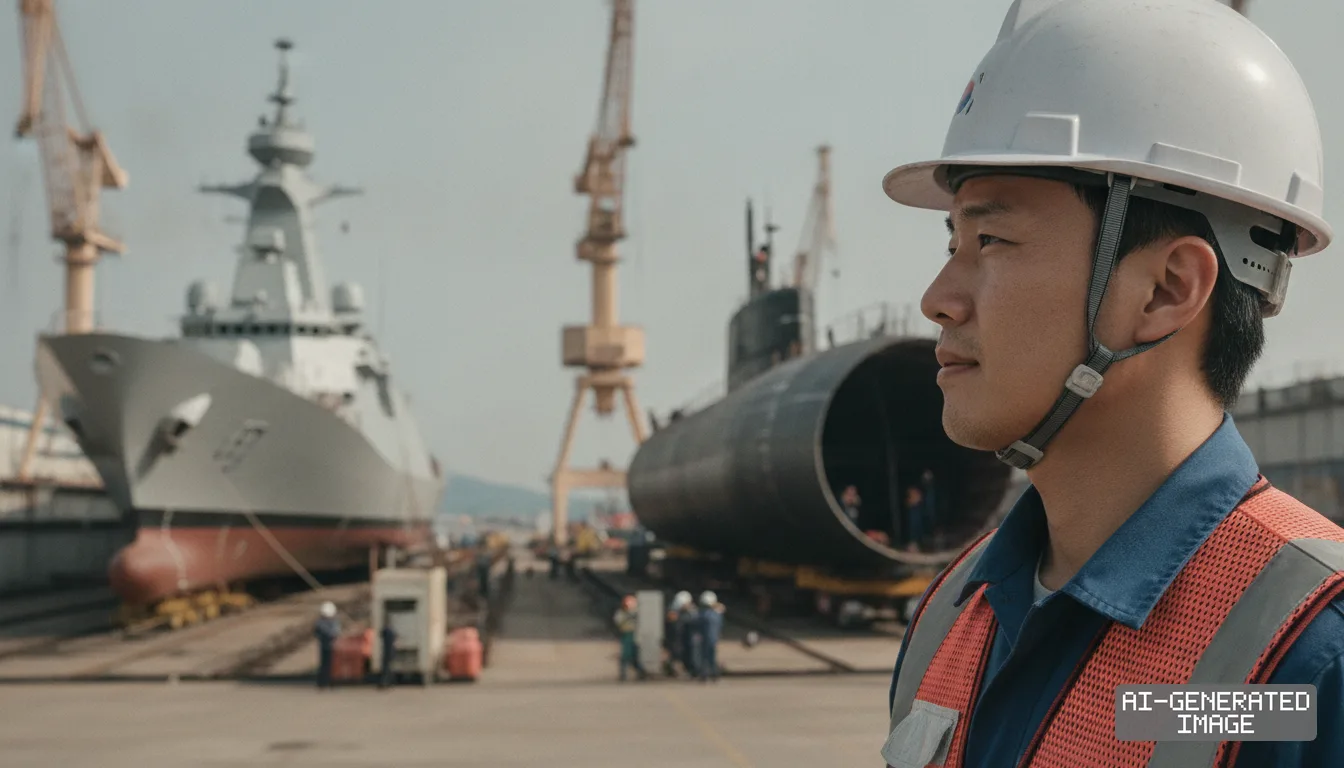
HD Hyundai Heavy Industries books significant specialized merchant ship tonnage across its Ulsan slipways. The three shipbuilders are now coordinating engineering assets to prevent foreign software vendors from capturing engineering design margins.
Central to this effort is the Ice Force Assessment Simulation Tool, known as iFAST. Inha University's Multidisciplinary Structural Mechanics Laboratory leads the software development project.
The academic research lab coordinates directly with HD Hyundai Heavy Industries, Samsung Heavy Industries and Hanwha Ocean. The Korean Register of Shipping also participates as a core technical verification partner.
The platform integrates ice-structure interaction mechanics into a unified digital twin simulator. Naval architects currently depend on European empirical tables and overseas licensing to assess hull stress from drifting sea ice.
External impact calculations dictate hull steel plate thickness, frame spacing and engine output ratings. Inaccurate estimates risk catastrophic hull cracking or saddle commercial ships with unnecessary deadweight.
The software models how solid ice floes crush, bend and split along reinforced vessel bows. Dynamic structural feedback algorithms allow shipbuilders to test hull stress digitally before cutting expensive cryogenic steel plates.
In tandem with hull mechanics, Korean yards are revamping hardware fabrication methods. The state-backed Korea Evaluation Institute of Industrial Technology initiated a large-scale manufacturing consortium on Sept. 3, 2026.
Advanced manufacturing firm 3D Factory leads that manufacturing development initiative from Ulsan. Silla Metal and the three major shipyards joined to validate automated metal 3D printing.
The industrial project uses wire arc additive manufacturing to fabricate five-meter marine propellers. Wire arc manufacturing melts metal wire with electric arcs to build solid components layer by layer.
Polar vessels require rugged propulsion units that resist cold embrittlement and churning ice debris. Traditional sand casting for ice-class bronze or stainless steel propellers requires long cooling windows and heavy post-machining.
Automated wire deposition cuts manufacturing lead times while minimizing raw alloy waste. Artificial intelligence monitors melt pool temperature and weld path distortion during additive runs to prevent internal voids.
The resulting propeller blades must withstand extreme impact loads during continuous ice milling operations. Domestic testing validation gives Korean shipbuilders proprietary rights over heavy polar hardware standards.
The hardware consortium aligns directly with bilateral naval maintenance initiatives alongside commercial Arctic goals. Rapid component deposition creates logistical support capability for foreign naval fleets requiring expeditionary repair work.
Shipbuilders are also pairing mechanical hull resilience with automated navigational guidance. Navigating polar passages requires sensing ice ridging patterns miles ahead to identify navigable fracture leads.
Shipboard computer systems combine satellite ice imagery, marine radar and optical sensors to map navigable lanes. Automated control algorithms throttle propulsion systems to balance hull safety against fuel consumption.
Operating costs on Arctic routes depend entirely on fuel efficiency and transit speed reliability. Reliable routing algorithms reduce high insurance premiums currently levied on commercial vessels navigating frozen waters.
The engineering consortium scheduled baseline code validation for the iFAST simulation suite for late 2027. Full-scale five-meter propeller printing trials will proceed across regional manufacturing facilities during the same operating year.
The ministry has not published individual corporate subsidy allocations for the specialized software program. Participating shipyards have not released commercial delivery timelines for customer-facing digital twin packages.
Technological independence in structural simulation allows Korean yards to retain high-margin polar vessel contracts without licensing offshore engineering software.
Impact map
How this development propagates across the region and out to global buyers.
| Event | Korea | China | Japan | Global impact |
|---|---|---|---|---|
| Polar ice ship software and additive hardware push | Big Three shipyards cut offshore licensing fees and localize 5-meter ice propeller manufacturing | Hudong-Zhonghua faces wider engineering gap in high-latitude Arc7 membrane containment carriers | Imabari and JMU remain sidelined from heavy polar ice-breaking commercial vessel contracts | Arctic route operators gain alternative source for ice-class tonnage outside sanction-constrained yards |
In this story
- Companies
- HD Hyundai Heavy IndustriesSamsung Heavy IndustriesHanwha Ocean
- Tickers
- 329180.KS010140.KS042660.KS
- Exposed
- 3D FactorySilla MetalKorean Register
- Policy
- SubsidiesEconomic Security
- Impact
- Order BookCost StructureCapex
Track every Subsidies development → Track every Economic Security development →
Related briefings
- HD Hyundai and KR launch 3D ship design approval system in Ulsan Also on Korean Register, HD Hyundai Heavy Industries, Cost Structure
- HD Hyundai agrees to develop wind-assisted 174K LNG carrier Also on Korean Register, HD Hyundai Heavy Industries
- HD Hyundai and Hanwha Ocean Lock In LNG Carrier Berth Slots Through 2029 Also on Samsung Heavy Industries, Hanwha Ocean, HD Hyundai Heavy Industries
- HD Hyundai Heavy union launches partial strike as shipyard wage talks break down Also on Samsung Heavy Industries, Hanwha Ocean, HD Hyundai Heavy Industries
Sources
Primary documents
Reporting
Confidence: high — how we grade this
The documents behind this briefing are linked above. East Asia Brief produces its English text with AI assistance under human editorial review, and does not translate or republish other outlets' articles. See our methodology and AI policy. Spotted an error? Tell us.
The Morning Brief
What changed in Korean, Chinese and Japanese industry overnight — and what it means for your supply chain. One email, weekday mornings, US time. Free.
The Morning Brief is in preparation. Leave your address and we will write to you once — when the first issue is ready. Nothing before that.