Jotun secures hull coating order for nine Knutsen LNG ships
Hanwha Ocean will apply HPS 2.0 to the $2.3 billion Geoje newbuilding series to reduce friction under tightened maritime emissions rules.
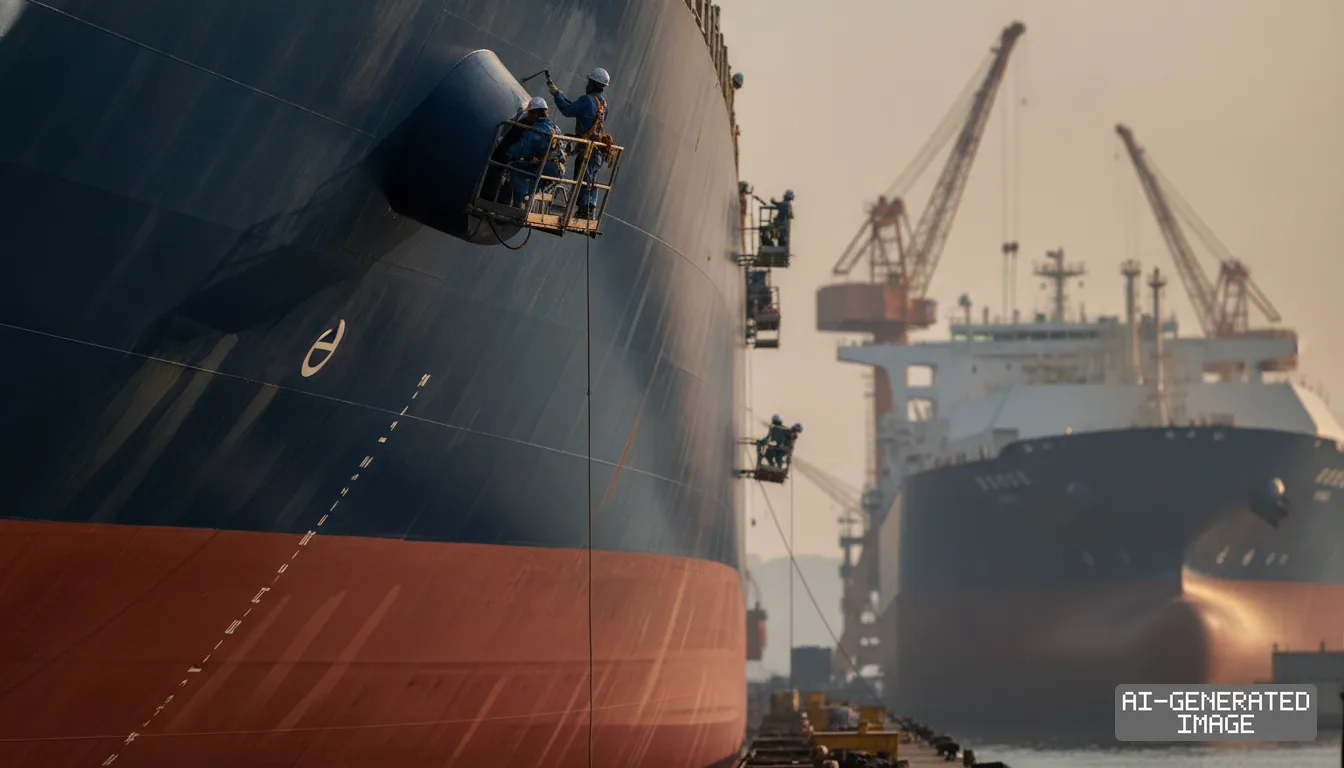
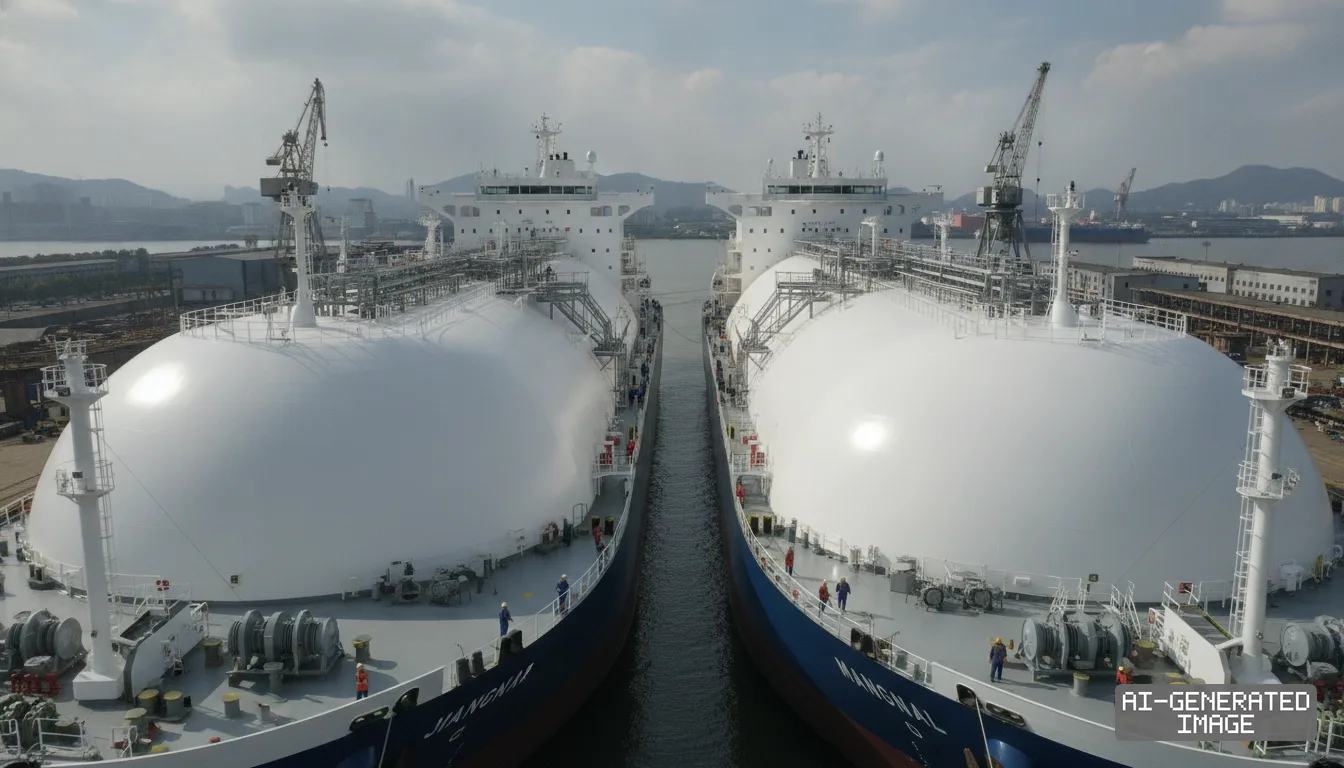
Jotun said Nov. 18 it had secured a contract to supply advanced antifouling hull coatings for nine 174,000-cubic-meter liquefied natural gas carriers ordered by Knutsen OAS Shipping.
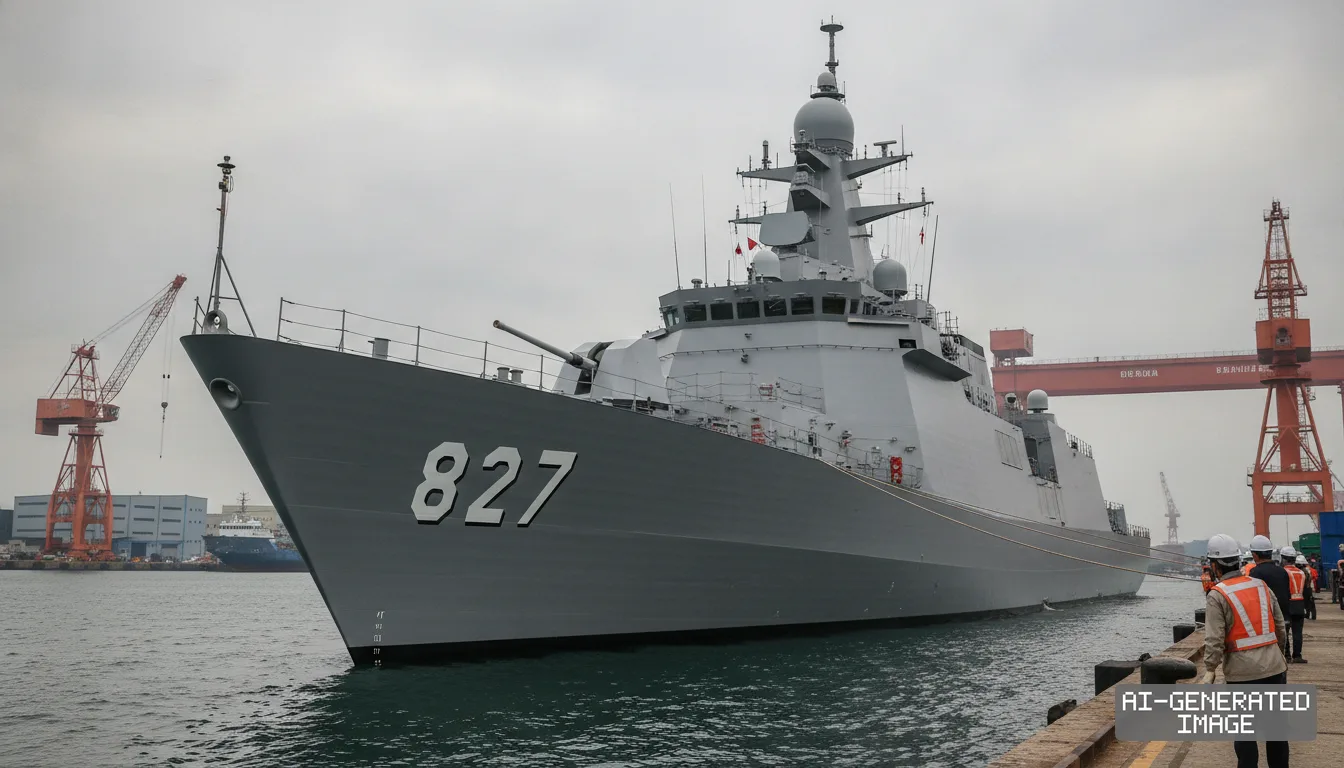
South Korean shipbuilder Hanwha Ocean will construct all nine vessels at its Geoje shipyard. The newbuilding project represents Knutsen's entire nine-vessel expansion tranche ordered between December 2025 and May 2026, valued at roughly $2.3 billion.
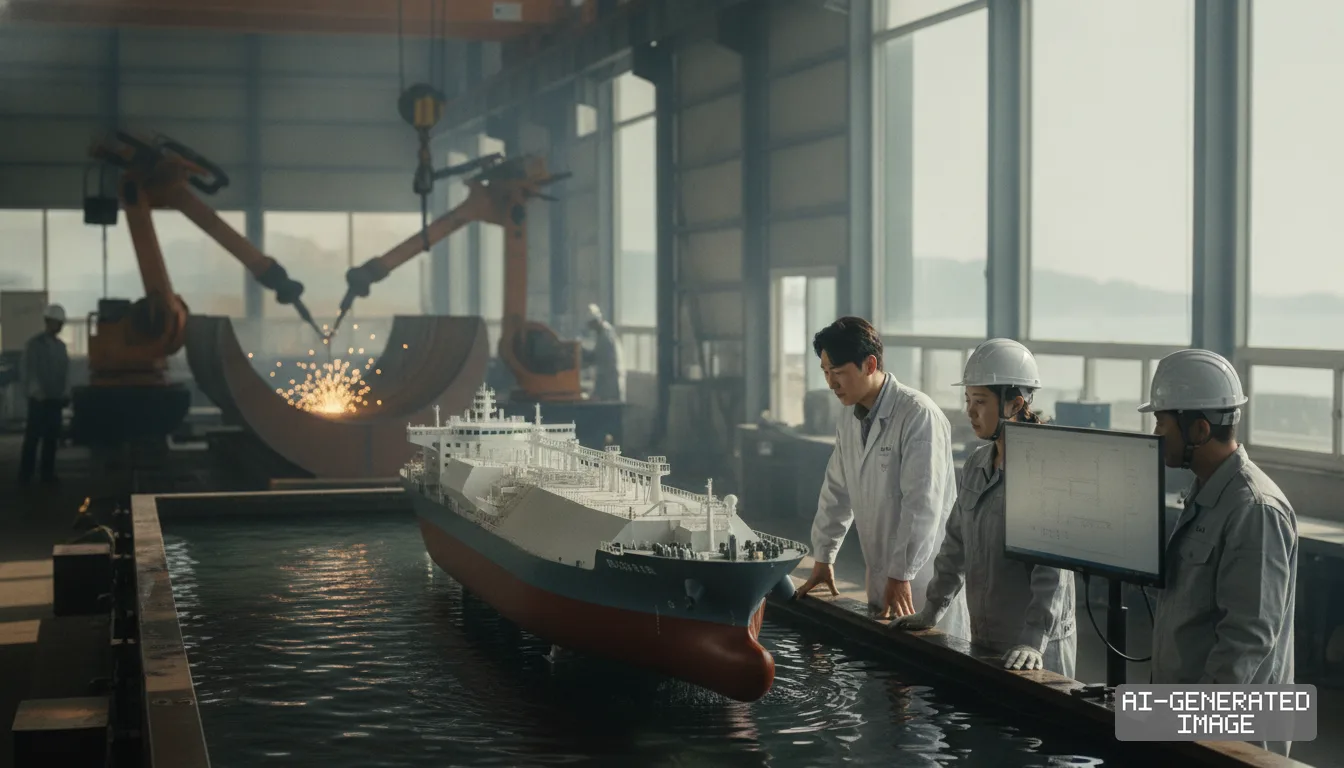
The contract equips each 174,000-cubic-meter vessel with Jotun's Hull Performance Solutions 2.0, known as HPS 2.0. The system combines specialized antifouling paint with performance tracking to limit hull friction across multi-year drydocking intervals.
Marine biofouling occurs when algae, barnacles and slime accumulate on a ship's underwater plating. That build-up increases hydrodynamic drag, forcing propulsion engines to burn additional fuel to maintain service speed.
Research compiled by GloFouling indicates that unmitigated marine fouling can increase vessel fuel consumption by as much as 17.7%. The associated drag can raise ship greenhouse gas emissions by up to 19% over normal cruising baselines.
Fuel consumption accounts for roughly 50% to 60% of total commercial ship operating expenses. Shipowners face mounting pressure to curb fuel burn as environmental compliance requirements expand across international trade lanes.
The International Maritime Organization enforces carbon intensity standards through its Carbon Intensity Indicator and Energy Efficiency Existing Ship Index frameworks. European rules including FuelEU Maritime and the EU Emissions Trading System impose added penalties on carbon-heavy voyages.
Ship operators transporting liquefied gas operate at elevated cruising speeds of approximately 19.5 knots to minimize cargo boil-off. Even marginal increases in hull drag create substantial spikes in daily bunker expenditure and carbon compliance levies.
Knutsen operates an active fleet of 40 liquefied natural gas carriers, with 12 additional vessels under construction worldwide. Nine of those 12 newbuildings are booked at Hanwha Ocean.
The shipowner has expanded its fleet to service long-term charter agreements with European utilities, including Edison, and global portfolio traders. Charter contracts increasingly mandate strict efficiency thresholds throughout a vessel's operating life.
Knutsen selected the coating package to protect vessel speed ratings while avoiding unanticipated drydock cleaning interruptions, Jotun sales executive Tor Arne Medhaug said. Close alignment among shipowner, shipyard and paint formulator was required to tailor specifications.
Hanwha Ocean builds commercial gas carriers and naval vessels at its Geoje yard, having delivered 1,351 merchant vessels through May 2026. Each Knutsen hull is valued at roughly 375.9 billion won ($250 million).
The Korean shipyard relies on rigid production schedules to clear congested building docks. Applying high-specification polyurethanes and antifouling resins demands precise humidity, temperature and surface preparation controls during block assembly.
Coating integration requires coordinating owner specifications directly with yard drydock cycles, Jotun Korea deputy director Soon-cheol Park said. The supplier must ensure application standards match performance guarantees promised to the shipowner.
Global yards face a shortage of open LNG construction slots through 2028, according to industry orderbooks. High shipyard occupancy has shifted procurement scrutiny toward marine equipment, where coating durability prevents premature off-hire days.
Antifouling coatings form a critical supply chain component for Asian shipbuilders constructing premium gas tonnage. Paint manufacturers compete intensely to secure fleet-wide framework contracts with European and Asian shipping lines.
Jotun manufactures marine coatings and industrial protective solutions across global production sites. The company provides speed-loss warranties under ISO 19030 standards, guaranteeing average propulsion loss below 1.5% across a five-year service cycle.
The agreement broadens Jotun's presence across South Korea's high-value shipbuilding sector, where Hanwha Ocean, HD Hyundai and Samsung Heavy Industries dominate gas carrier deliveries.
Fabrication work for the Knutsen LNG series begins with initial steel cutting in January 2027 at Hanwha Ocean's Geoje shipyard.
The company notice does not disclose the total dollar value of the coating contract or per-liter paint pricing. Neither Jotun nor Hanwha Ocean has published final delivery dates for each individual carrier in the nine-ship series.
Impact map
How this development propagates across the region and out to global buyers.
| Event | Korea | China | Japan | Global impact |
|---|---|---|---|---|
| Knutsen LNG coating supply contract | Hanwha Ocean locks high-spec antifouling for 9-vessel LNG series starting January 2027 | Chinese coating applicators face heightened specification benchmarks for export LNG tonnage | Japanese paint suppliers face stiffer competition for European gas carrier newbuilds | Vessel operators cut lifetime fuel consumption up to 17.7% to meet IMO carbon standards |
In this story
- Companies
- JotunKnutsen OAS ShippingHanwha Ocean
- Tickers
- 042660.KS
- Policy
- Standards
- Impact
- Supply ChainComplianceCost Structure
Track every Standards development →
Related briefings
- Pentagon presses shipyards to purge Chinese rare earths before 2027 Also on Hanwha Ocean, Standards, Compliance
- Greece's JHI Steamship orders two tankers from K Shipbuilding Also on Hanwha Ocean, Standards
- HD Hyundai pairs with Kiewit to build US naval yard by 2029 Also on Hanwha Ocean, Standards
- HD Hyundai forms US shipyard venture with Kiewit Maritime Also on Hanwha Ocean, Standards
Sources
Reporting
Confidence: medium — how we grade this
The documents behind this briefing are linked above. East Asia Brief produces its English text with AI assistance under human editorial review, and does not translate or republish other outlets' articles. See our methodology and AI policy. Spotted an error? Tell us.
The Morning Brief
What changed in Korean, Chinese and Japanese industry overnight — and what it means for your supply chain. One email, weekday mornings, US time. Free.
The Morning Brief is in preparation. Leave your address and we will write to you once — when the first issue is ready. Nothing before that.