Pentagon presses shipyards to purge Chinese rare earths before 2027
Audits target critical subassemblies where China supplies up to 95% of specialized materials, including 9,200 pounds used in each Virginia-class submarine.
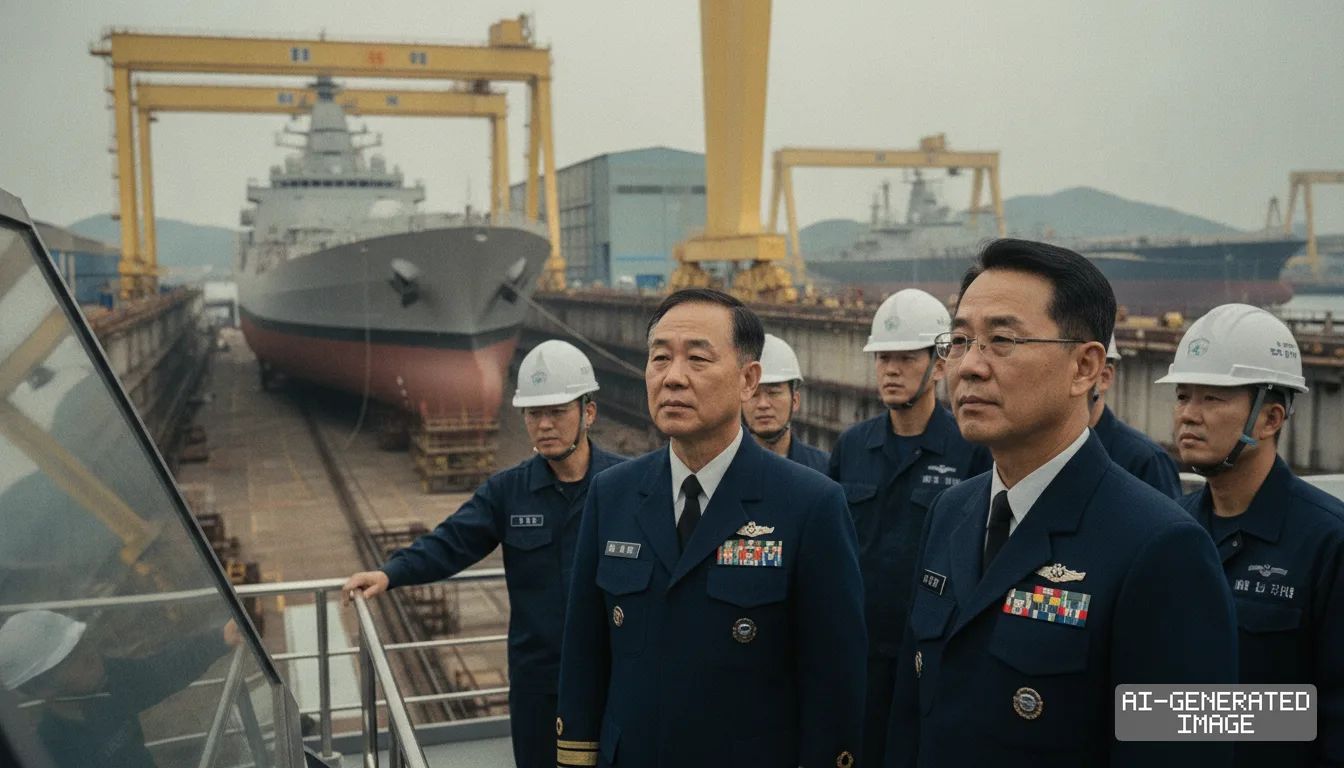
Defense officials and security analysts urged emergency audits on Nov. 6 of Chinese rare earths embedded across US Navy vessels, citing systemic exposure in missile guidance systems and nuclear submarine hulls.
The push targets weapon subassemblies that rely on China for 70% to 95% of defense-grade critical materials, according to Government Accountability Office findings. That reliance leaves frontline vessels exposed to supply halts.
Each Virginia-class attack submarine absorbs 9,200 pounds of rare earth materials during construction, the watchdog reported. That volume represents a critical share of specialized alloy demand across the undersea fleet.
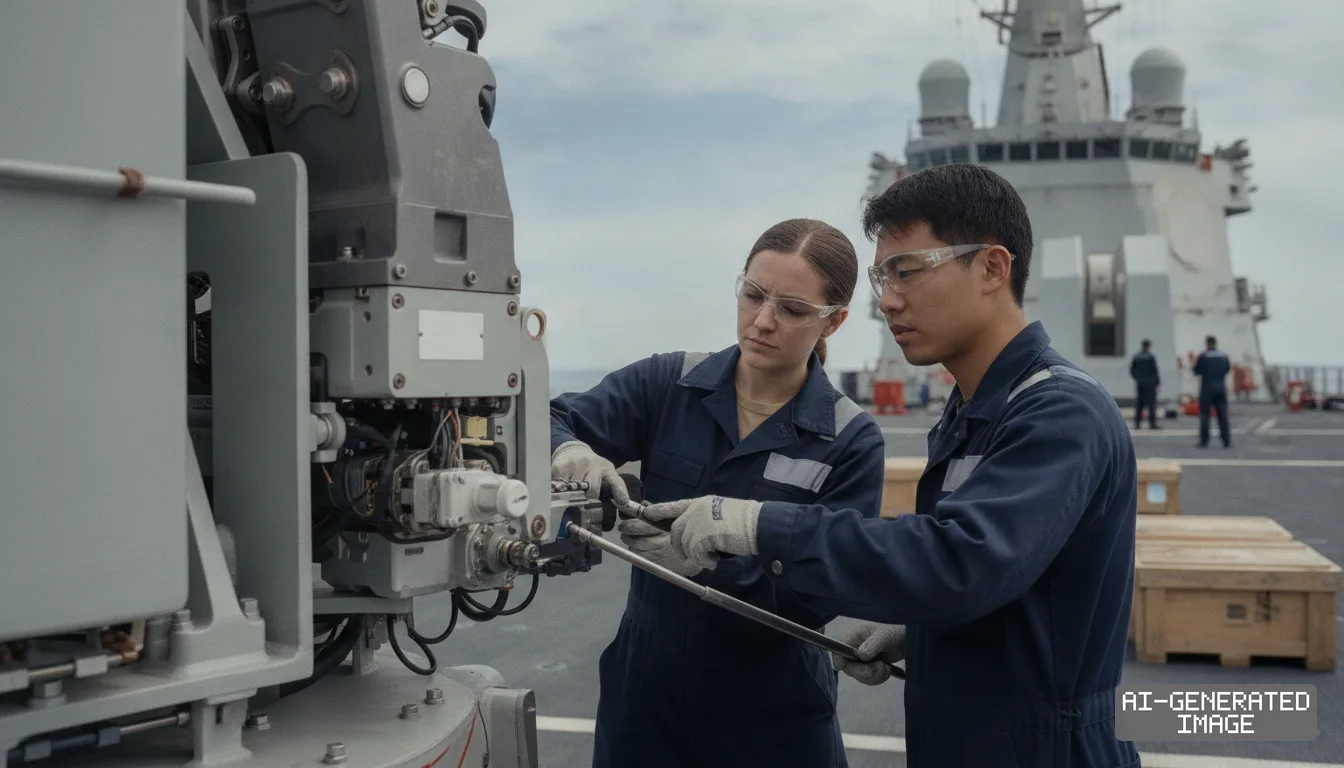
The audit calls center on actuators in Tomahawk cruise missiles and transmit-receive modules in SPY-6 radar arrays, Pentagon officials said. Neodymium magnets steer the missile fins, while refined gallium powers the shipboard radar emitters.
The Pentagon has not published an official charter or inspection timeline for the Nov. 6 audit demands, leaving the immediate operational schedule for naval shipyards unconfirmed.
The audit pressure follows a directive that orders defense contractors to trace raw materials down to the mine of origin, defense officials said. The policy phases out longstanding procurement waivers across all maritime contracts.
Under Defense Federal Acquisition Regulation Supplement rule 252.225-7052, defense contractors must halt purchases of Chinese neodymium, samarium-cobalt, tungsten and tantalum. The statutory deadline takes effect Jan. 1, 2027.
Prime contractors face contract delays if their tier-four component vendors fail origin verifications, procurement officers said. The mandate leaves shipbuilders scrambling to replace cast parts and magnet subassemblies.
Naval sea systems managers have warned that unverified supply chains present operational sabotage risks. Microscopic contamination or tracking tags inside specialized metallurgy can degrade acoustic stealth on submarine hulls, naval engineers said.
The supply crunch is accelerating naval procurement shifts toward shipyards and smelters in South Korea and Japan. Allied contractors are building parallel supply chains free of Chinese processing inputs.
Evolution Metals & Technologies reported Oct. 15 that it delivered 13 specialized production machines to its plant in Pohang, South Korea. The facility forms part of a planned 57-unit magnet processing layout.
The Pohang facility aims to produce 10,000 metric tons of non-Chinese permanent magnets annually, the company said in regulatory filings. The output is earmarked for allied naval and aerospace actuators.
South Korea's nonferrous smelter Korea Zinc is expanding separation capacity for gallium, germanium and antimony, company officials said. The materials supply allied missile guidance and sensor assembly plants.
The mineral program supports a bilateral agreement to build certified refining capacity outside Beijing's export licensing perimeter, South Korean trade officials said. The pact aims to bypass Chinese quotas.
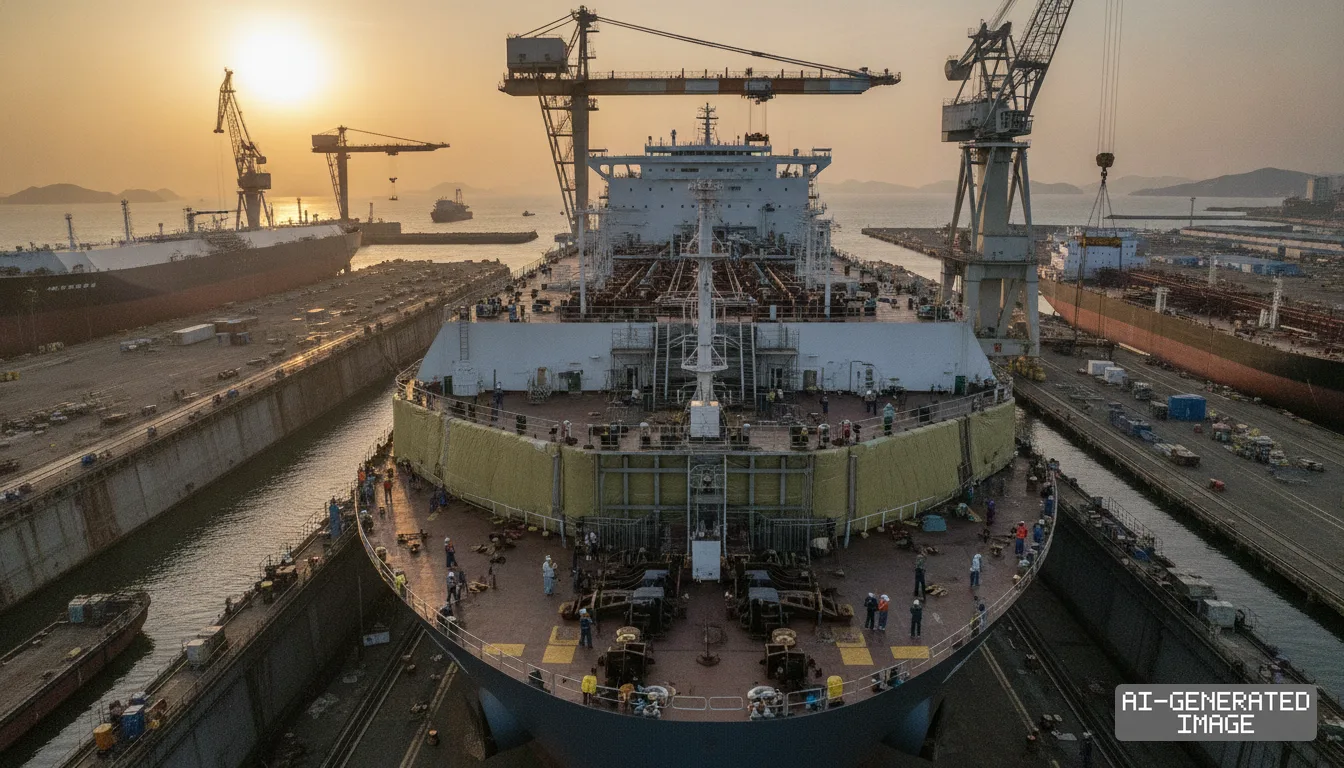
South Korean shipbuilders are expanding their role in allied fleet maintenance, repair and overhaul programs to alleviate US yard congestion. The work brings allied defense components directly onto active vessels.
Hanwha Ocean operates overhaul lines for American naval logistics vessels at its Geoje shipyard, the company said. The yard completed its first US fleet maintenance contract under certified supply rules this year.
HD Hyundai Heavy Industries is certifying its naval equipment supply base for export to American shipbuilders, yard executives said. The program replaces legacy Chinese cast valves and electrical housings.
Japan's naval contractors are aligning their titanium and alloy casting standards with American fleet specifications, Japanese defense officials said. Mitsubishi Heavy Industries supplies hull subassemblies under the shared standards.
The transition carries immediate capital costs for allied maritime suppliers, industry analysts said. Sourcing non-Chinese magnet feedstock currently commands a 20% to 30% price premium over Chinese domestic spot material.
Defense procurement officers said the Pentagon will absorb part of that margin through adjusted contract cost ceilings. The subsidies aim to keep allied suppliers solvent during the buildout phase.
Defense contractors have begun filing full bills of materials for missile servos, naval procurement records show. Prime contractors must verify every processing link before delivering ordnance to naval magazines.
Statutory waivers under procurement regulation DFARS 252.225-7052 expire on Jan. 1, 2027, cutting off all non-compliant magnet imports.
Impact map
How this development propagates across the region and out to global buyers.
| Event | Korea | China | Japan | Global impact |
|---|---|---|---|---|
| Chinese magnet procurement ban | Evolution Metals installs 13 of 57 machines in Pohang for 10,000-ton capacity, Korea Zinc refines 13 critical metals | Loses defense magnet export channel under 10 U.S.C. 4872 | Mitsubishi Heavy aligns titanium castings with US Navy standards | Allied missile guidance and naval actuator BOM costs rise 20% to 30% |
In this story
- Companies
- Evolution Metals & TechnologiesKorea ZincHanwha OceanHD Hyundai Heavy Industries
- Tickers
- 010130.KS042660.KS329180.KS
- Policy
- Procurement RulesStandards
- Impact
- Supply ChainComplianceCost Structure
Track every Procurement Rules development → Track every Standards development →
Related briefings
- Evolution Metals expands Korea magnet plant to 10,000 tons Also on Evolution Metals & Technologies, Compliance
- Benchmark says ex-China heavy rare earth prices jumped 150% in Q3 Also on Evolution Metals & Technologies, Cost Structure
- US redirects mineral funds to back Korea Zinc's $7.4B smelter Also on Korea Zinc, Procurement Rules
- Korea Zinc wins US political backing for Tennessee smelter Also on Korea Zinc, Compliance
Sources
Primary documents
Reporting
Confidence: high — how we grade this
The documents behind this briefing are linked above. East Asia Brief produces its English text with AI assistance under human editorial review, and does not translate or republish other outlets' articles. See our methodology and AI policy. Spotted an error? Tell us.
The Morning Brief
What changed in Korean, Chinese and Japanese industry overnight — and what it means for your supply chain. One email, weekday mornings, US time. Free.
The Morning Brief is in preparation. Leave your address and we will write to you once — when the first issue is ready. Nothing before that.