Korean yards lift Q3 R&D spending 78% to $327M for naval robotics
Combined spending reached 437.6 billion won as Hanwha Ocean boosted research outlays 168% amid full commercial delivery backlogs through 2028.
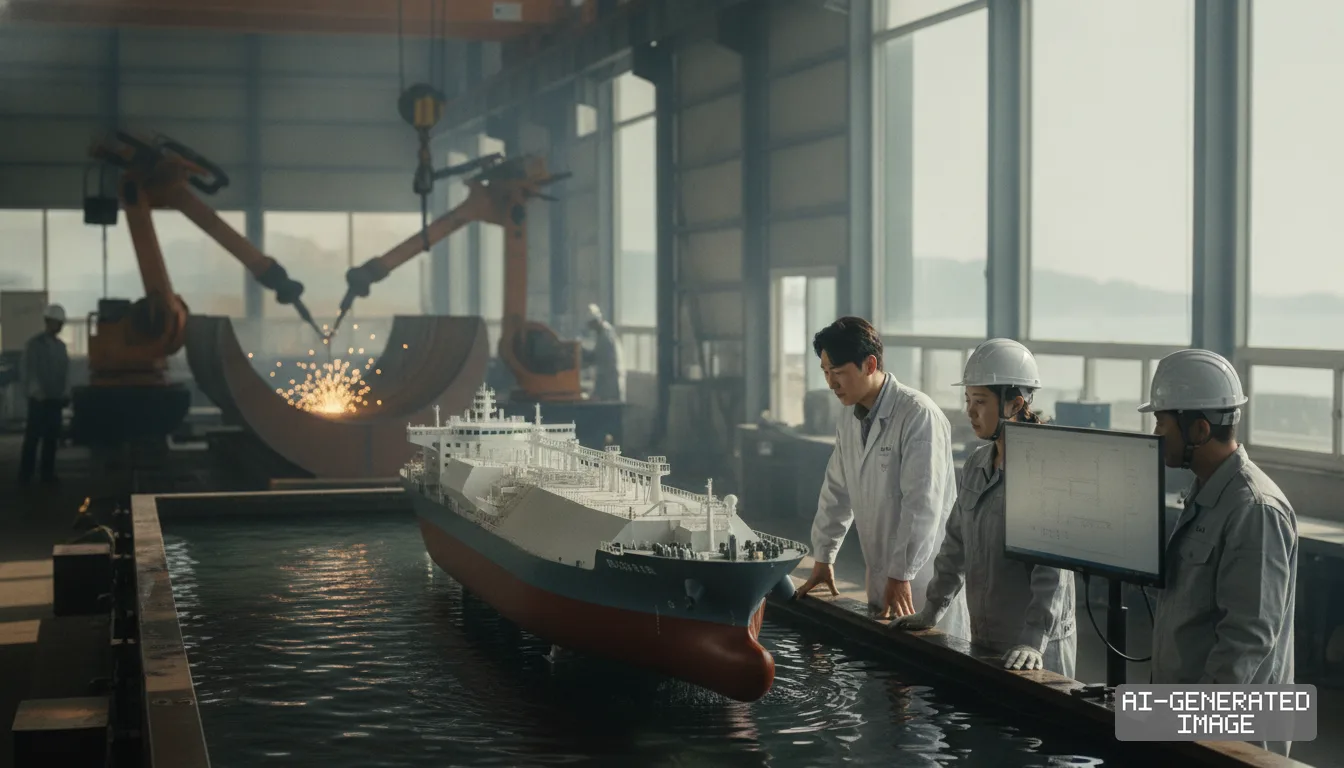
South Korea’s three largest shipbuilders lifted combined research spending 77.7% to 437.6 billion won ($326.9 million) through the third quarter, regulatory filings disclosed Nov. 17.
Outlays rose from 246.3 billion won during the same period in 2025. The expansion comes as commercial order backlogs remain full through 2028 across major domestic drydocks.
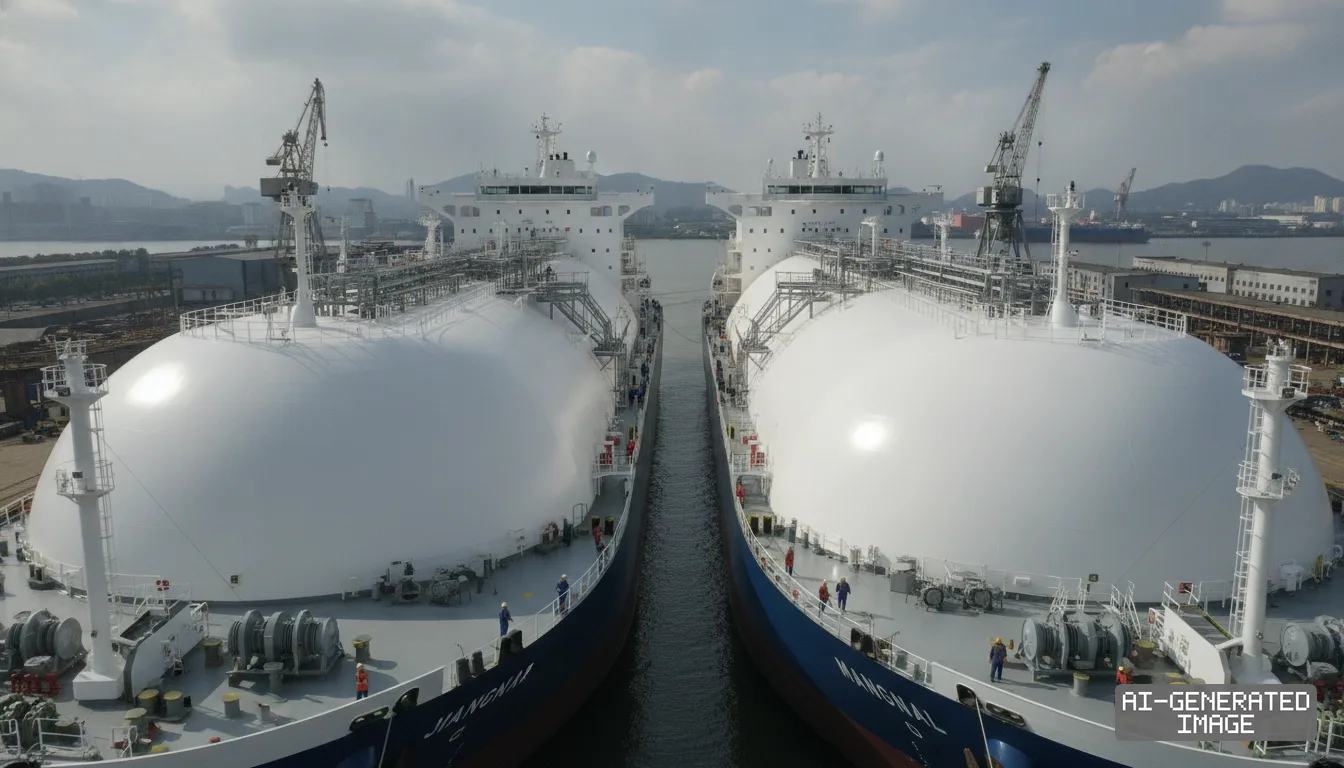
High-margin contracts for liquefied natural gas carriers and container vessels generated record operating liquidity this year. Shipbuilders are now deploying that capital to secure military robotics and proprietary gas-handling technologies.
Hanwha Ocean posted the sharpest increase among the cohort, boosting research outlays 168.0% to 110.8 billion won from 41.4 billion won a year earlier.
The surge lifted Hanwha Ocean’s research spending to 0.9% of total revenue. That compares with a 0.4% ratio during the first nine months of 2025.
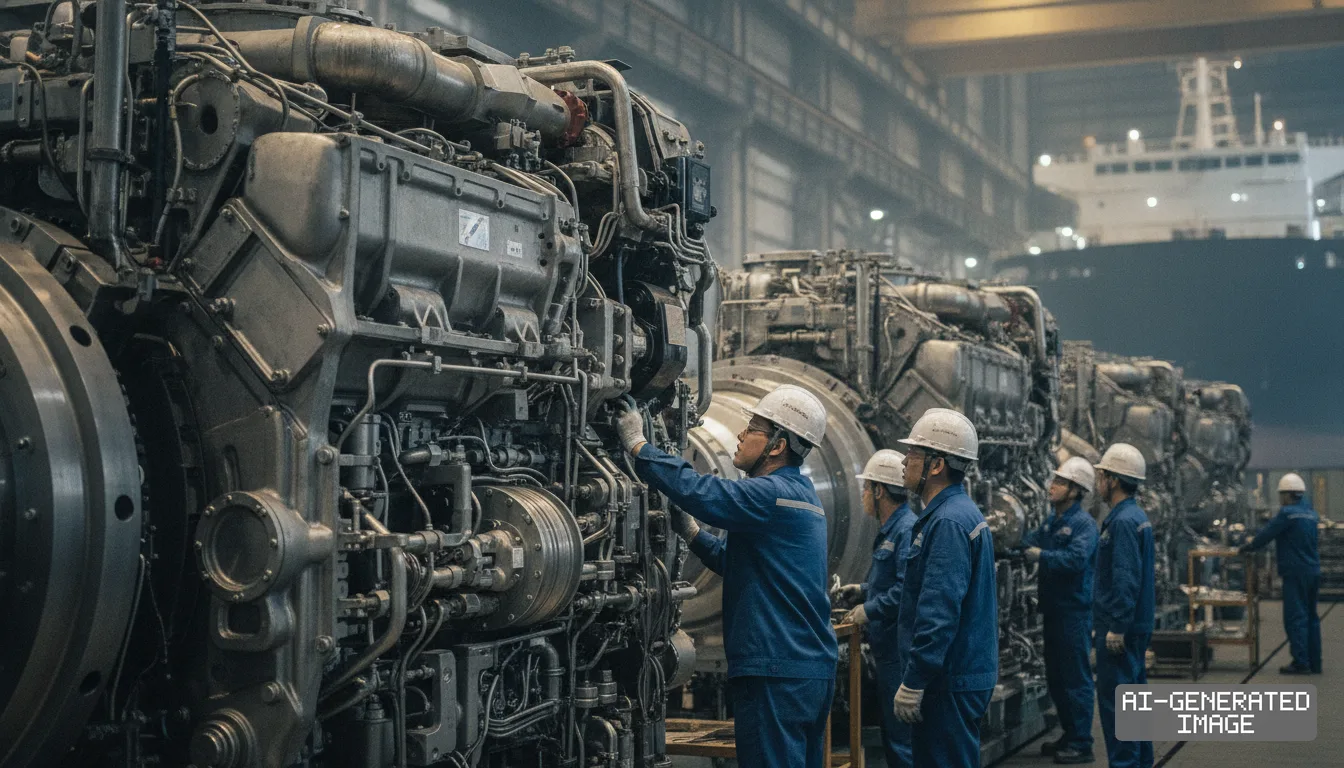
Hanwha Ocean directed its research outlays toward domestic naval hardware. The yard completed indigenous mechanical designs for a water-ram horizontal launcher, replacing foreign equipment on submarine torpedo tubes.
Water-ram systems use hydraulic impulses to discharge weapons without acoustic bubbles. Developing the technology internally removes reliance on European defense suppliers for future export submarine programs, company engineers said.
HD Korea Shipbuilding & Offshore Engineering spent 243.6 billion won on research through September, up 77.9% from 137.0 billion won in 2025.
The intermediate holding company raised its research intensity to 1.0% of revenue. The group spent 0.6% of sales on research during the prior-year period.
Intermediate unit HD Hyundai Heavy Industries launched ASV Alpha on Nov. 12 at its Ulsan yard. The 600-ton vessel is an uncrewed surface combatant developed for naval patrol operations.
HD Hyundai co-developed the vessel with United States defense technology contractor Anduril Industries. The partners financed and fabricated the prototype within 12 months without waiting for a formal naval procurement order.
ASV Alpha integrates HD Hyundai’s VAone machinery automation system with Anduril’s Lattice combat software. The configuration monitors engine health and autonomous navigation while swapping containerized payload modules.
Samsung Heavy Industries expanded its research spending 22.4% to 83.2 billion won through the third quarter, up from 68.0 billion won a year earlier.
The shipbuilder focused research capital on offshore natural gas processing equipment. The firm aims to reduce engineering fees paid to foreign engineering contractors on high-value floating structures.
Samsung Heavy secured design approval from an international classification society in September 2026 for its proprietary natural gas liquefaction process system, designated SENSE.
Engineers configured SENSE specifically for floating liquefied natural gas units. Samsung Heavy holds the largest share of the global order backlog for those floating production platforms.
Procuring foreign liquefaction engineering packages often costs shipbuilders tens of millions of dollars per offshore hull. Developing domestic process systems allows the yard to retain engineering margins internally.
South Korean yards have long sought to cut royalty payments across gas technologies. Foreign engineering licensors capture up to 5% of total vessel delivery value on standard membrane cargo containment tanks.
Robust commercial earnings provide shipbuilders a financial buffer to underwrite deep-tech investments. Full order books protect balance sheets from immediate commercial risks during multi-year testing cycles.
Executives aim to build technical moats as Chinese yards expand construction berths for standard merchant hulls. Investing in autonomous vessels and chemical process plants shifts domestic dock space toward specialized dual-use assets.
ASV Alpha will conduct naval sea trials off Ulsan before transferring to the United States in February 2027 for military operational testing.
Samsung Heavy’s regulatory filings do not state whether commercial shipowners booked orders using proprietary cargo containment systems during the quarter, reporting milestones solely for the SENSE liquefaction unit.
Impact map
How this development propagates across the region and out to global buyers.
| Event | Korea | China | Japan | Global impact |
|---|---|---|---|---|
| Naval and gas R&D surge | Hanwha Ocean and HD Hyundai internalize submarine launchers and drone ship software | CSSC faces widening tech gap in uncrewed combatants while taking merchant volume | Imabari and JMU remain excluded from advanced autonomous surface combatant development | US Navy gains Asian production partner for medium autonomous surface ships |
In this story
- Companies
- HD Korea Shipbuilding & Offshore EngineeringHanwha OceanSamsung Heavy Industries
- Tickers
- 009540.KS042660.KS010140.KS
- Exposed
- Anduril Industries
- Impact
- CapexSupply ChainOrder Book
Related briefings
- HD Hyundai launches 600-ton autonomous warship with Anduril Also on Anduril Industries, HD Korea Shipbuilding & Offshore Engineering, Order Book
- HD Hyundai Tests Autonomous Drone Ship With Anduril in U.S. Also on Anduril Industries, HD Korea Shipbuilding & Offshore Engineering, Order Book
- HD Hyundai Draws U.S. Navy Focus on Anduril $6.6B Project Also on Anduril Industries, Order Book
- China curbs drone tech exports to US defense contractors in 2026 Also on Anduril Industries
Sources
Primary documents
Reporting
Confidence: high — how we grade this
The documents behind this briefing are linked above. East Asia Brief produces its English text with AI assistance under human editorial review, and does not translate or republish other outlets' articles. See our methodology and AI policy. Spotted an error? Tell us.
The Morning Brief
What changed in Korean, Chinese and Japanese industry overnight — and what it means for your supply chain. One email, weekday mornings, US time. Free.
The Morning Brief is in preparation. Leave your address and we will write to you once — when the first issue is ready. Nothing before that.