Imabari Shipbuilding wins two Aframax tankers from Carlova by 2030
The Greek shipowner reserved delivery slots in late 2029 and 2030, turning to Japanese yard capacity as South Korean builders prioritize lucrative gas carriers and container vessels.
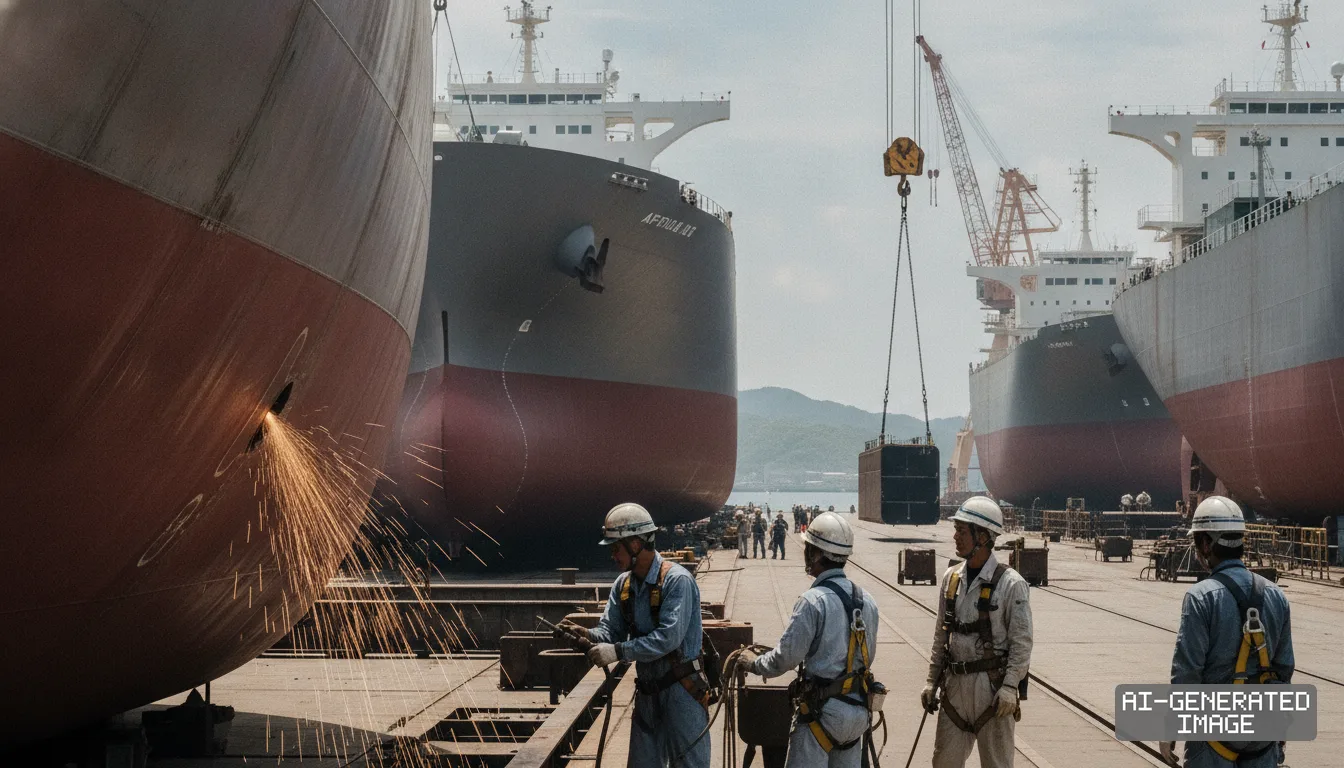
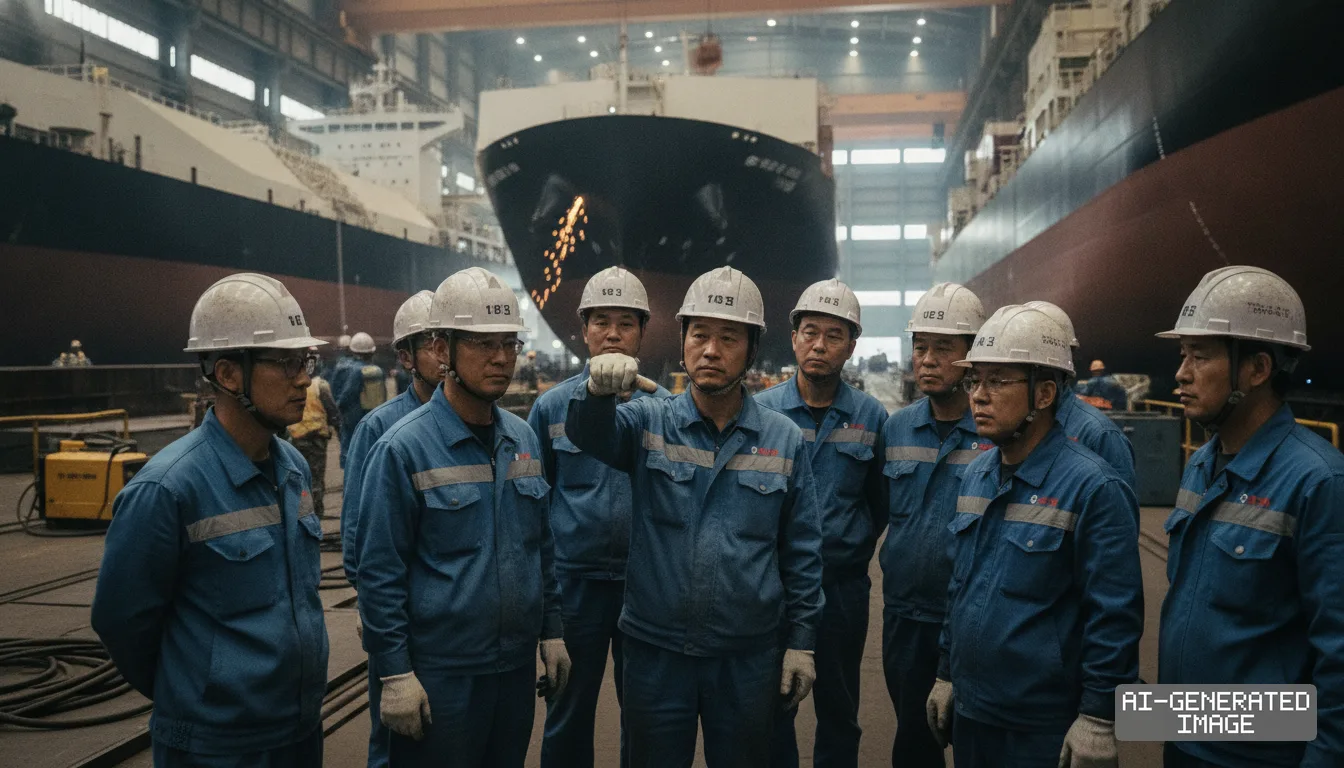
Carlova Maritime ordered two 114,000-deadweight-ton Aframax crude tankers from Japan's Imabari Shipbuilding on Oct. 2, 2026, marking the Greek owner's first Japanese newbuilding contract since splitting from Samos Steamship.
The Athens-based shipping operator updated its corporate fleet register on Friday to include the two hulls. The order secures late-decade yard space as global berths for conventional oil tankers grow increasingly scarce.
The vessels will deliver in the fourth quarter of 2029 and the first quarter of 2030, according to the Carlova fleet register. Both crude carriers will measure 114,000 metric deadweight tons.
The parties did not disclose contract pricing. Standard 114,000-dwt Aframax newbuilding orders averaged roughly $76 million per hull in September, according to brokerage pricing benchmarks. That puts the pair's value near $152 million.
The agreement expands Carlova's publicly confirmed orderbook to six commercial vessels totaling 1.03 million deadweight tons. The company had previously distributed its newbuilding program across shipyards in South Korea and China.
Carlova holds orders for two 300,000-dwt very large crude carriers at South Korea's Hanwha Ocean. The owner also contracted one Aframax tanker and one 82,000-dwt Kamsarmax bulker at China's Hengli Heavy Industries.
Commercial consortium Nihon Shipyard brokered the transaction on behalf of Imabari, Japanese shipbuilding sources said. Nihon Shipyard oversees marketing and design integration for Imabari and partner builder Japan Marine United.
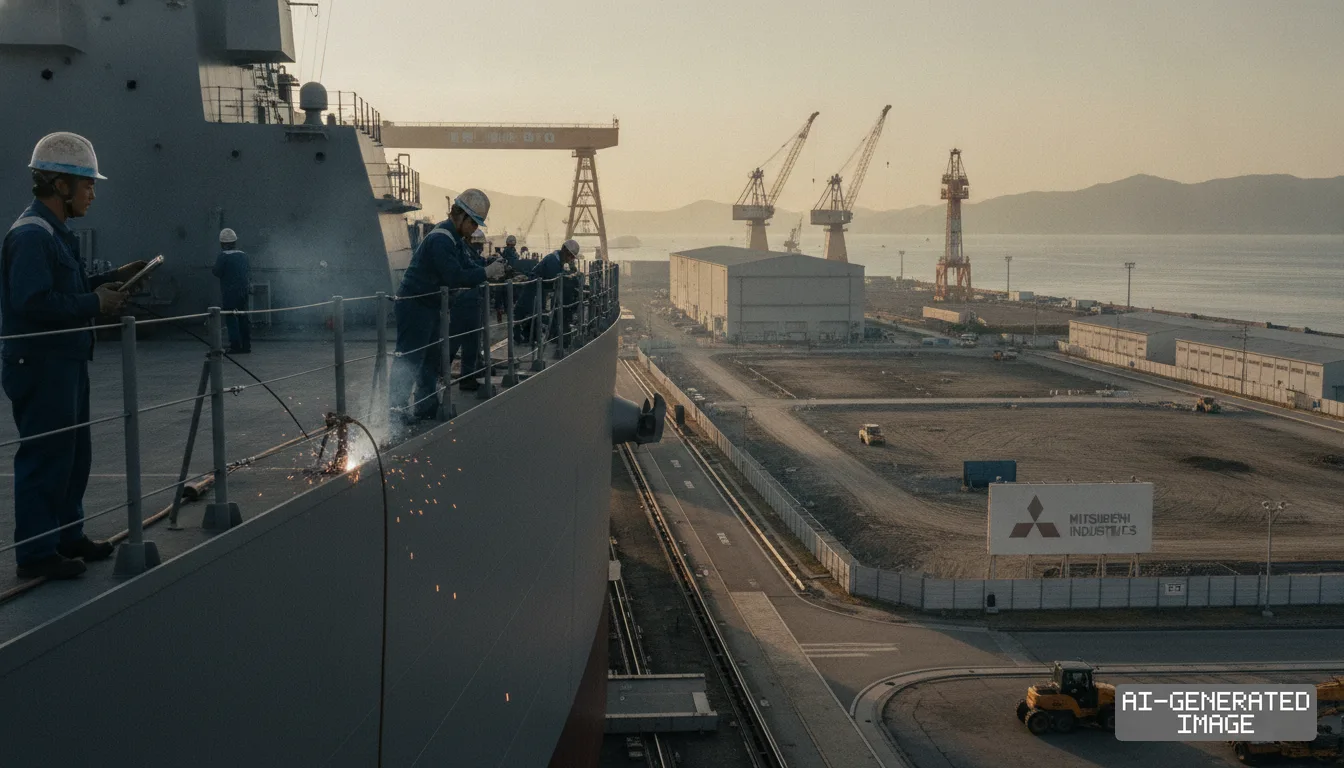
Imabari plans to subcontract hull fabrication for exceptionally large mega-blocks to Sumitomo Heavy Industries at its Yokosuka shipyard, industry sources said. The arrangement frees up local dry docks at Imabari's main yards.
The contract shows European tanker owners returning to Japanese shipbuilders as South Korean yards dedicate dry docks to high-margin gas vessels. Korean builders have favored liquefied natural gas carriers and large container ships.
South Korea's major shipyards, including HD Hyundai Heavy Industries and Hanwha Ocean, hold order backlogs stretching past 2028. High prices for complex gas vessels have left few dry docks open for conventional oil carriers.
That dynamic pushed crude tanker operators into extended negotiations over delivery windows. Tanker owners requiring deliveries before 2030 have faced rising quotations in South Korea, steering inquiries toward Japanese and Chinese builders.
For Imabari, the order deepens a commercial backlog dominated by dry bulk carriers and container tonnage. Imabari booked 81 vessels totaling 4.06 million gross tons during fiscal 2025, securing roughly four years of operating work.
Partner shipbuilder Japan Marine United booked 21 vessels totaling 1.83 million gross tons over the same fiscal period. The joint venture has sought to expand beyond bulkers into Suezmax and Aframax tankers.
Japanese shipyards face tighter labor constraints than rivals in China and South Korea. To maintain assembly speeds, Japanese shipbuilders have increased automation and relied on cross-yard structural block subcontracting.
Sumitomo's Yokosuka yard provides heavy fabrication space without disrupting Imabari's standard dry dock rotations. Sumitomo previously built Aframax tankers directly before refocusing its maritime operations toward selective commercial block supply.
For Carlova, the contract marks a resumption of ties with Japanese yards where the Inglessis family previously built much of its fleet. Carlova emerged from the restructuring of 151-year-old Samos Steamship.
Carlova currently operates two Japanese-built Aframax crude carriers, the Phaedra and the Penelope. Sumitomo delivered the 114,807-dwt Phaedra in 2025 and handed over the sister vessel Penelope in 2023.
The owner's operating fleet also includes Japanese-built Suezmax and Capesize bulk tonnage. Chief executive Anthony Inglessis has maintained commercial relationships with Japanese shipbuilders while testing lower-cost yards in China.
Independent tanker operators face a rapidly aging global crude fleet. Environmental rules from the International Maritime Organization and the European Union have accelerated fleet renewal schedules across the maritime industry.
Disruptions along Middle Eastern energy corridors have kept crude tanker earnings elevated throughout September. The surge in freight income has provided independent operators with cash reserves to fund multi-year capital expenditure programs.
Secondhand tanker asset prices climbed sharply in late 2026 as operators competed for promptly available capacity. The dynamic narrowed the cost gap between buying existing hulls and ordering new tonnage from Asian yards.
Imabari and Carlova have nearly three years before keel-laying begins on the first Aframax hull in early 2029. That window allows engineers to finalize auxiliary fuel configurations and energy-saving hull attachments.
Imabari has not issued a formal press release regarding the contract, and the companies have not published the agreed price per hull. The builder's corporate news register contained no standalone disclosure on Oct. 3.
Impact map
How this development propagates across the region and out to global buyers.
| Event | Korea | China | Japan | Global impact |
|---|---|---|---|---|
| Aframax tanker contract | Hanwha Ocean preserves dry docks for high-margin LNG and gas carrier construction programs | Hengli Heavy Industries holds two Carlova hulls, sharing Greek fleet renewal with Japan | Imabari and Sumitomo secure 228,000 dwt of tanker backlog through early 2030 | Tanker operators face delivery queues extending to 2030 as gas carriers occupy Asian shipyard berths |
In this story
- Companies
- Imabari ShipbuildingCarlova Maritime
- Exposed
- Hanwha OceanSumitomo Heavy IndustriesNihon Shipyard
- Policy
- Industrial Policy
- Impact
- Order BookSupply ChainCapex
Track every Industrial Policy development →
Related briefings
- Imabari and JMU consolidate dry bulk engineering to standardize ammonia dual-fuel vessels Also on Nihon Shipyard, Imabari Shipbuilding, Order Book
- Nabtesco adapts cycloidal gearboxes for heavy logistics robots Also on Sumitomo Heavy Industries, Order Book
- China RV reducer makers expand heavy-duty robot market share as national testing standards take hold Also on Sumitomo Heavy Industries
- Japan Clears $635 Million in Subsidies to Modernize Shipyards by 2035 Also on Imabari Shipbuilding, Hanwha Ocean, Order Book
Sources
Primary documents
Reporting
Confidence: high — how we grade this
The documents behind this briefing are linked above. East Asia Brief produces its English text with AI assistance under human editorial review, and does not translate or republish other outlets' articles. See our methodology and AI policy. Spotted an error? Tell us.
The Morning Brief
What changed in Korean, Chinese and Japanese industry overnight — and what it means for your supply chain. One email, weekday mornings, US time. Free.
The Morning Brief is in preparation. Leave your address and we will write to you once — when the first issue is ready. Nothing before that.