Japan Clears $635 Million in Subsidies to Modernize Shipyards by 2035
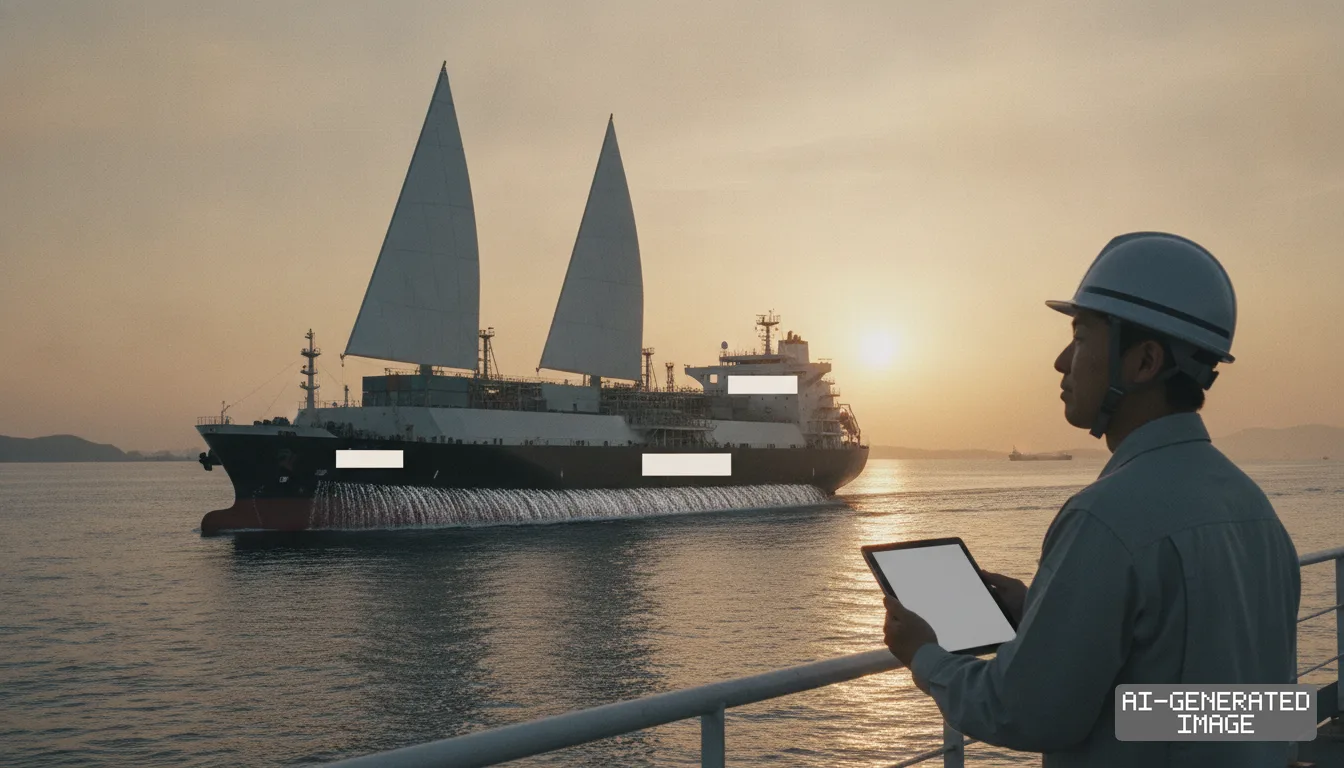
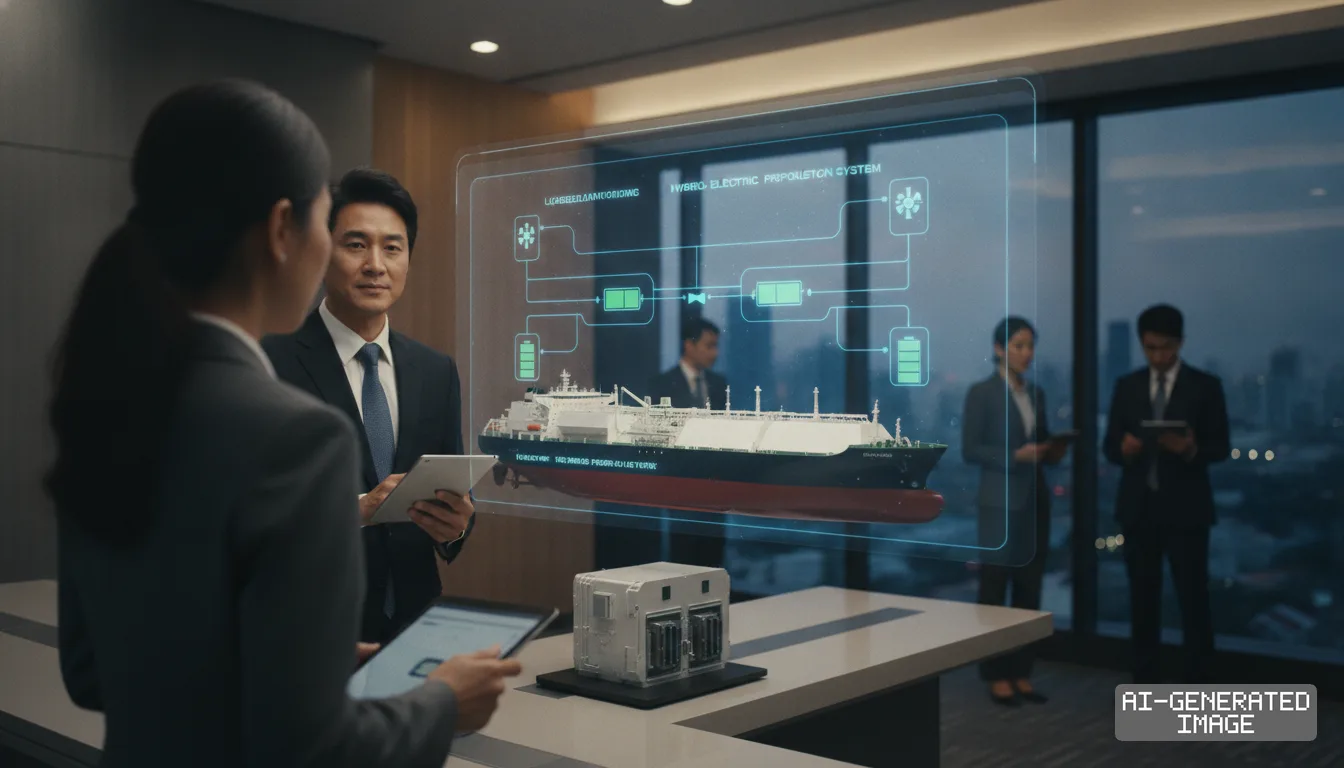
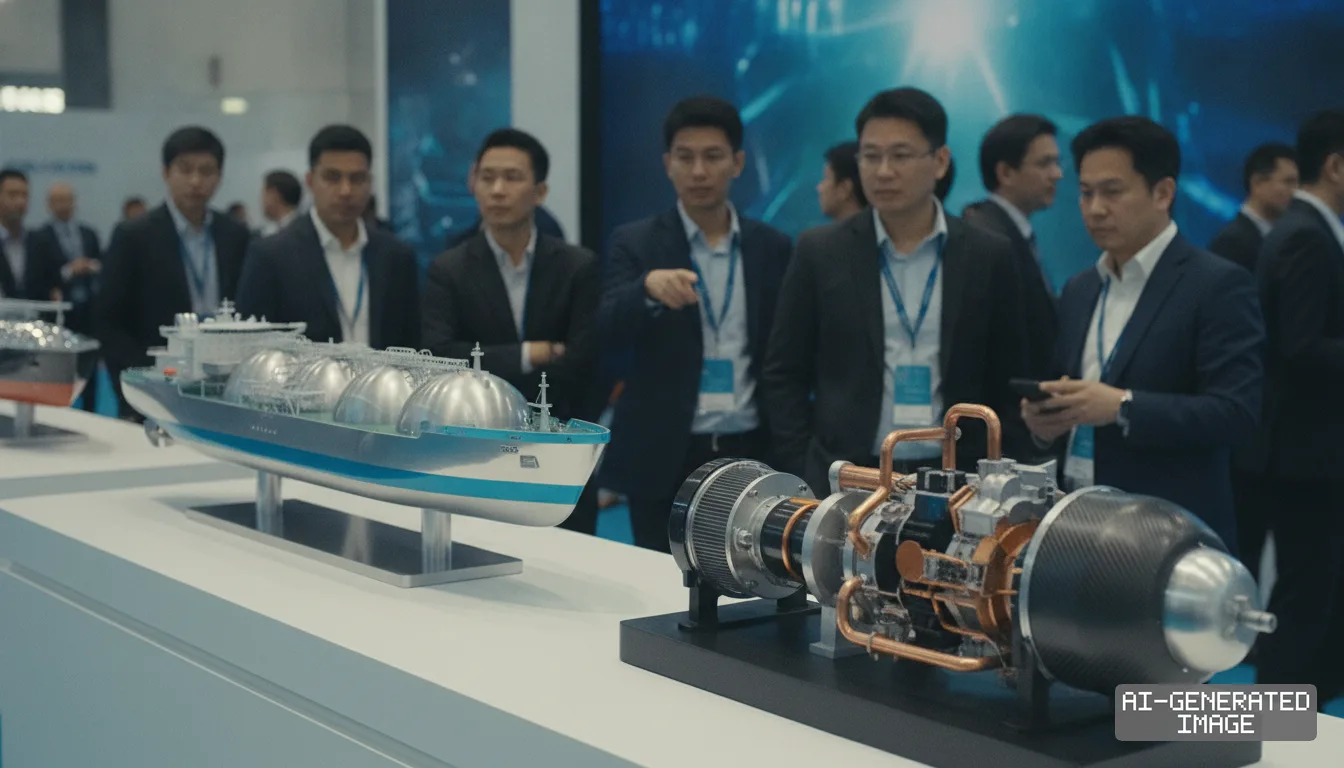
The transport ministry approved five shipyard expansion plans covering dry dock extensions and robotic welding lines to double annual domestic construction capacity to 18 million gross tons.
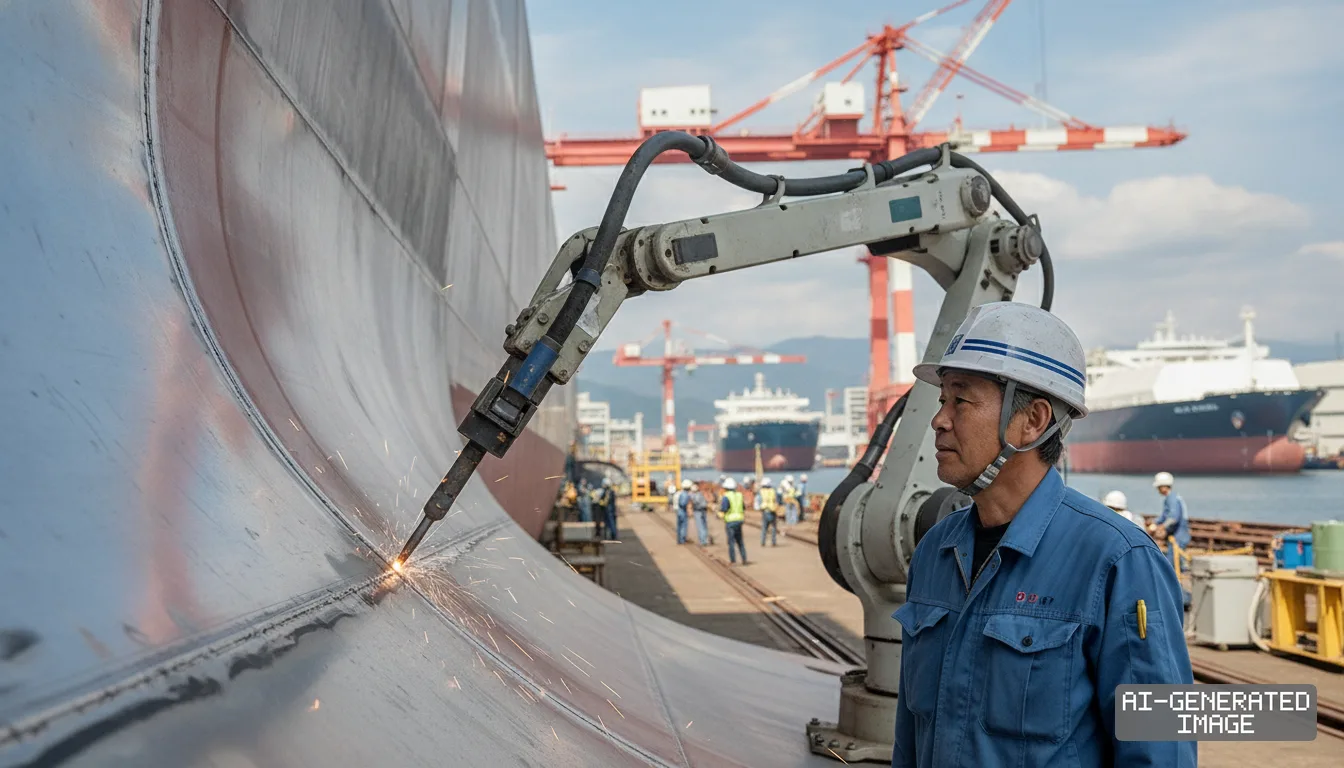
Japan's Ministry of Land, Infrastructure, Transport and Tourism authorized up to 98 billion yen ($635 million) in shipyard modernization subsidies on Sept. 14, 2026, funding five commercial dock operators.
The award covers private capital projects valued at 280 billion yen ($1.81 billion). It forms the second tranche of Tokyo's Shipbuilding Industry Revitalization Fund, established under the Economic Security Promotion Act.
The program addresses a persistent supply deficit in Japan's maritime transport chain. The ministry aims to double annual domestic shipbuilding output from nine million gross tons in 2024 to 18 million gross tons by 2035.
Tokyo designates ship hulls as specified critical materials under the economic security framework. Island geography leaves Japan dependent on ocean transport for 99.6% of trade volume, including almost all energy feedstocks and raw grains.
The new approvals follow an initial round released on Sept. 4, which awarded 213.1 billion yen ($1.38 billion) across three builder consortiums. Together, the eight plans represent roughly 900 billion yen ($5.83 billion) in public and private capital commitments.
State grants cover up to 311 billion yen ($2.01 billion) of that aggregate expenditure. The fund provides direct capital expenditure subsidies of one-half to one-third of qualified equipment costs.
Mitsubishi Shipbuilding took the largest single allocation in the second group, securing up to 40 billion yen ($259 million). The shipbuilder will deploy the capital toward automated hull assembly lines and dry dock reconfigurations.
Four companies in the Shin Kurushima Dockyard group received combined subsidy caps of 32 billion yen ($207 million). The allocation covers Shin Kurushima Dock, Shin Kurushima Toyohashi Shipbuilding, Shin Kurushima Kochi Heavy Industries and Shin Kurushima Sanoyas Shipbuilding.
Kawasaki Heavy Industries secured up to 15.6 billion yen ($101 million) in government aid for its Sakaide Works in Kagawa Prefecture. The company plans a 45 billion yen ($292 million) equipment overhaul at the facility.
Kawasaki Heavy said the project will install high-capacity yard cranes and robotic sub-assembly machinery. The investment expands construction volume for liquefied gas carriers, focusing on liquefied petroleum gas, ammonia and liquefied hydrogen vessels.
Oshima Shipbuilding received an approval ceiling of 6.1 billion yen ($39 million). The builder focuses primarily on large dry-bulk carriers at its main facilities in Nagasaki Prefecture.
Naikai Zosen was granted up to 4.3 billion yen ($28 million). The Hiroshima-based shipbuilder specializes in roll-on/roll-off cargo vessels, passenger ferries and mid-sized commercial container ships.
Japanese yards saw their global market share slide from roughly 50% in the early 1990s to approximately 10% in recent years. Annual domestic production dropped from 16 million gross tons in 2019 to roughly nine million gross tons in 2024.
Domestic merchant fleet operators generate annual replacement demand of roughly 18 million gross tons. Japanese shipowners currently award roughly half their replacement tonnage to overseas yards because domestic building berths remain filled.
Shipyard executives cite acute labor shortages as the structural limit on physical output. An aging specialist workforce and a declining youth population have left yards unable to staff additional manual shifts.
The revitalization initiative channels state aid directly into labor-saving machinery rather than speculative capacity expansion. Subsidized items include automated block-welding gantries, numerical cutting machinery, dry dock extensions and digitized assembly fixtures.
The investments test whether automated production lines can offset the scale advantages held by shipbuilders in China and South Korea. Shipbuilders in those two countries currently secure more than 85% of worldwide merchant tonnage orders.
South Korean yards, led by HD Korea Shipbuilding & Offshore Engineering, Hanwha Ocean and Samsung Heavy Industries, dominate high-margin liquefied natural gas carriers. Chinese state shipbuilders under China State Shipbuilding Corporation lead in standard bulkers and container tonnage.
Japan delivered its last domestic liquefied natural gas carrier in 2019, losing commercial ground as construction transitioned to membrane containment designs. Kawasaki Heavy, Imabari Shipbuilding and Namura Shipbuilding formed an operating group this year aiming to resume domestic gas carrier deliveries by 2035.
The transport ministry notice does not state specific groundbreaking dates or machinery installation schedules for the five individual shipyard sites.
The authorized subsidies remain valid from fiscal 2026 through fiscal 2034, which concludes on March 31, 2035. The transport ministry said it will evaluate milestone completion reports and continue accepting additional corporate applications on a rolling quarterly schedule.
Impact map
How this development propagates across the region and out to global buyers.
| Event | Korea | China | Japan | Global impact |
|---|---|---|---|---|
| Japan shipyard capital subsidy | Korean yards retain dominant lead in high-value LNG carriers, facing limited immediate displacement | Chinese dry bulk yards face Japanese automated berths competing for domestic Japanese owner orders | Yard groups secure up to 311 billion yen in state co-funding across eight plans to modernize dock infrastructure | Ocean freight market gains expanded building berths by 2035 as alternative to Chinese yard delivery slots |
In this story
- Companies
- Mitsubishi ShipbuildingKawasaki Heavy IndustriesOshima ShipbuildingNaikai ZosenShin Kurushima Dockyard
- Tickers
- 7011.T7012.T
- Exposed
- HD Korea Shipbuilding & Offshore EngineeringHanwha OceanSamsung Heavy IndustriesImabari ShipbuildingNamura Shipbuilding
- Policy
- SubsidiesEconomic Security
- Impact
- CapexSupply ChainOrder Book
Track every Subsidies development → Track every Economic Security development →
Related briefings
- Japan awards $1.4bn shipbuilding subsidies to Imabari and seven domestic yards Also on Namura Shipbuilding, Imabari Shipbuilding, Order Book
- Mitsubishi Heavy Industries refines Mogami frigate design for Oceanian naval tenders Also on Kawasaki Heavy Industries, Hanwha Ocean, Order Book
- Shipyard labor policies diverge as Korea, Japan, and China tackle yard manning gaps Also on Imabari Shipbuilding, Samsung Heavy Industries, HD Korea Shipbuilding & Offshore Engineering
- Japanese shipbuilders standardize electric coastal feeder designs to cut renewal costs Also on Mitsubishi Shipbuilding, Order Book
Sources
Primary documents
Reporting
Confidence: high — how we grade this
The documents behind this briefing are linked above. East Asia Brief produces its English text with AI assistance under human editorial review, and does not translate or republish other outlets' articles. See our methodology and AI policy. Spotted an error? Tell us.
The Morning Brief
What changed in Korean, Chinese and Japanese industry overnight — and what it means for your supply chain. One email, weekday mornings, US time. Free.
The first issue goes out shortly. Sign up now and you will not miss it.