Imabari and JMU consolidate dry bulk engineering to standardize ammonia dual-fuel vessels
Nihon Shipyard unites yard drafting teams across Western Japan to deliver standardized 200,000-dwt zero-emission bulk carrier designs before 2028 delivery slots open.
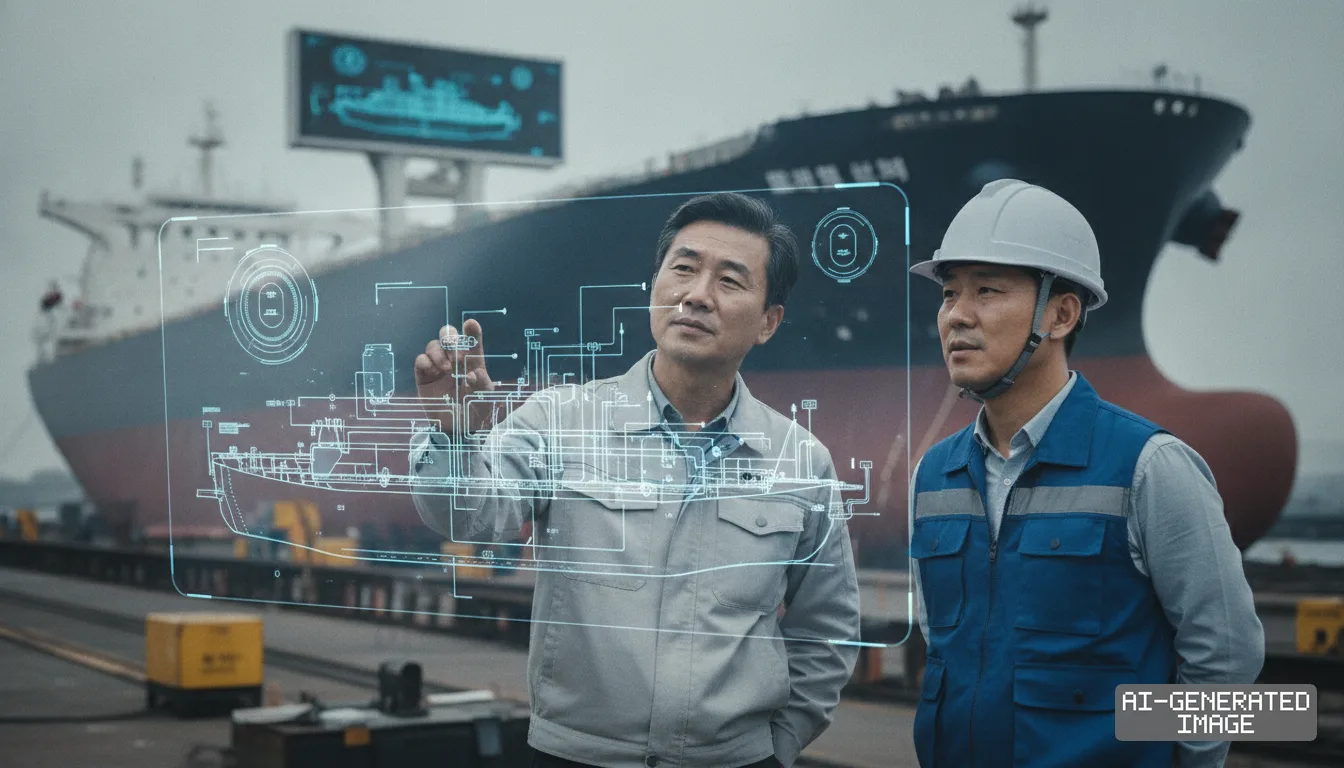
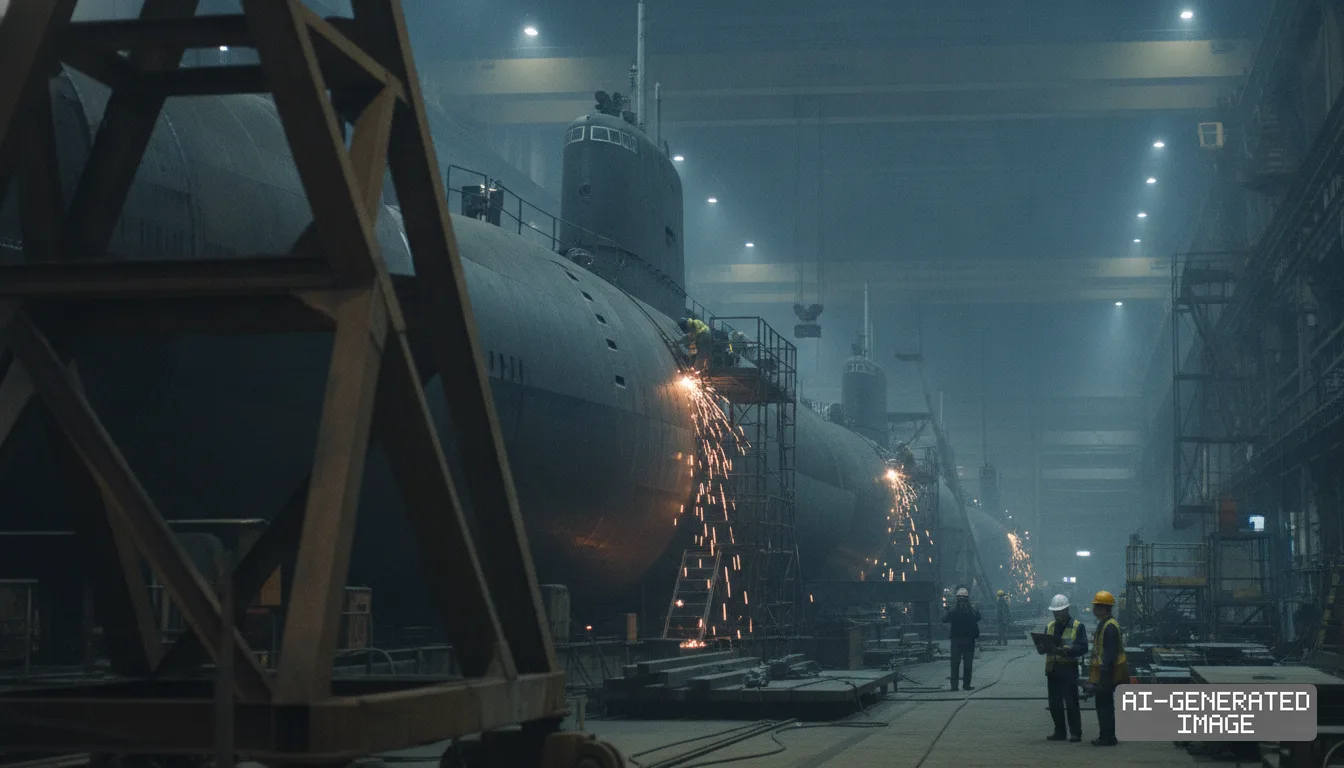
Imabari Shipbuilding and Japan Marine United have integrated their core engineering workforces under joint venture Nihon Shipyard to standardize dual-fuel ammonia propulsion designs for dry bulk carriers.
The operational consolidation pools hull modeling, piping schematics, and fuel supply safety engineering across the two shipbuilders, targeting standardized 200,000 deadweight ton Newcastlemax and 210,000 deadweight ton Capesize bulkers. Nihon Shipyard, established in January 2021 as a 51-49 commercial vessel joint venture between Imabari and JMU, previously handled commercial sales, contract negotiations, and preliminary design, while detailed construction blueprints remained distributed across individual yard engineering bureaus. Under the integrated arrangement, detailed design offices in Ehime, Kanagawa, and Hiroshima will operate on a single digital drafting architecture to eliminate yard-specific design variations for alternative fuel systems.
The decision addresses tightening International Maritime Organization emissions benchmarks, which target net-zero greenhouse gas emissions from international shipping by or around 2050, with indicative checkpoints for 2030 requiring at least a 20 percent reduction in absolute emissions compared to 2008 levels. Dry bulk charterers and major mining houses, including BHP, Rio Tinto, and Fortescue, have signaled procurement preferences for zero-emission and zero-carbon-ready vessels for long-term iron ore haulage contracts between Western Australia, Brazil, and East Asian blast furnaces. By standardizing basic structural arrangements and fuel gas supply systems across both parents' building docks, the group aims to compress design lead times, lower procurement costs for specialized machinery, and offer interchangeable delivery slots.
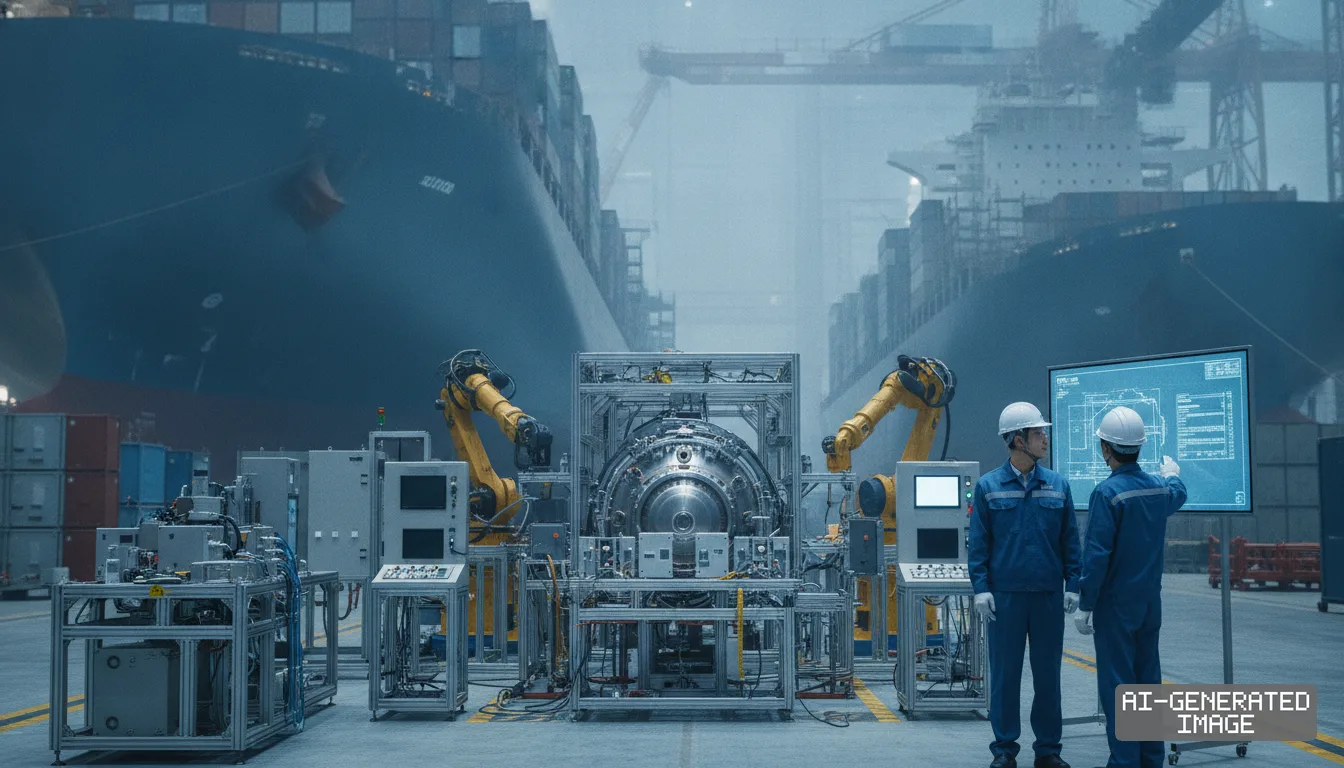
Ammonia fuel integration presents engineering constraints distinct from conventional liquefied natural gas or methanol dual-fuel systems. Ammonia produces zero carbon dioxide emissions during combustion but carries high toxicity, requiring dedicated mitigation systems, double-walled fuel piping, vapor detection arrays, and controlled vent masts. The Nihon Shipyard unified design incorporates localized fuel preparation spaces equipped with independent ventilation, specialized bilge drainage to catch accidental releases, and nitrogen purging systems to clear fuel lines before maintenance cycles. The joint team is configuring hull structural reinforcements to accommodate twin type-C fuel storage tanks mounted on the open aft deck without reducing dry cargo hold volume or interfering with shore-based cargo loading gantry clearances.
The alliance relies on domestic marine equipment manufacturers for key machinery components. Two-stroke ammonia-fueled main engines are being developed under technical licensing agreements involving engine builders Mitsui E&S and IHI Power Systems, alongside international licensors MAN Energy Solutions and WinGD. Fuel storage tanks require specialized high-tensile carbon steel or low-temperature nickel alloy formulations capable of resisting ammonia stress corrosion cracking, an input stream sourced through long-term supply ties with Nippon Steel and JFE Steel. Standardizing the machinery layout enables Nihon Shipyard to place consolidated volume orders for cryogenic pumps, valves, and gas compressors, reducing unit procurement costs across series production runs.
The operational merger of engineering resources marks a defensive realignment against competing shipbuilders in China and South Korea. Chinese state-owned yards under China State Shipbuilding Corporation, including Shanghai Waigaoqiao Shipbuilding and Beihai Shipbuilding, have expanded their commercial order books for dual-fuel bulk carriers by leveraging lower domestic steel prices and substantial dock capacity. South Korean yards, led by HD Hyundai Heavy Industries, Hanwha Ocean, and Samsung Heavy Industries, have concentrated their high-value engineering resources primarily on liquefied natural gas carriers, ultra-large containerships, and ammonia carriers, opening operational space in standard Capesize bulkers. By centralizing engineering, Nihon Shipyard seeks to preserve Japanese yard dominance in the capesize and post-panamax segments, which historically formed the baseline volume of Japanese commercial yard output.
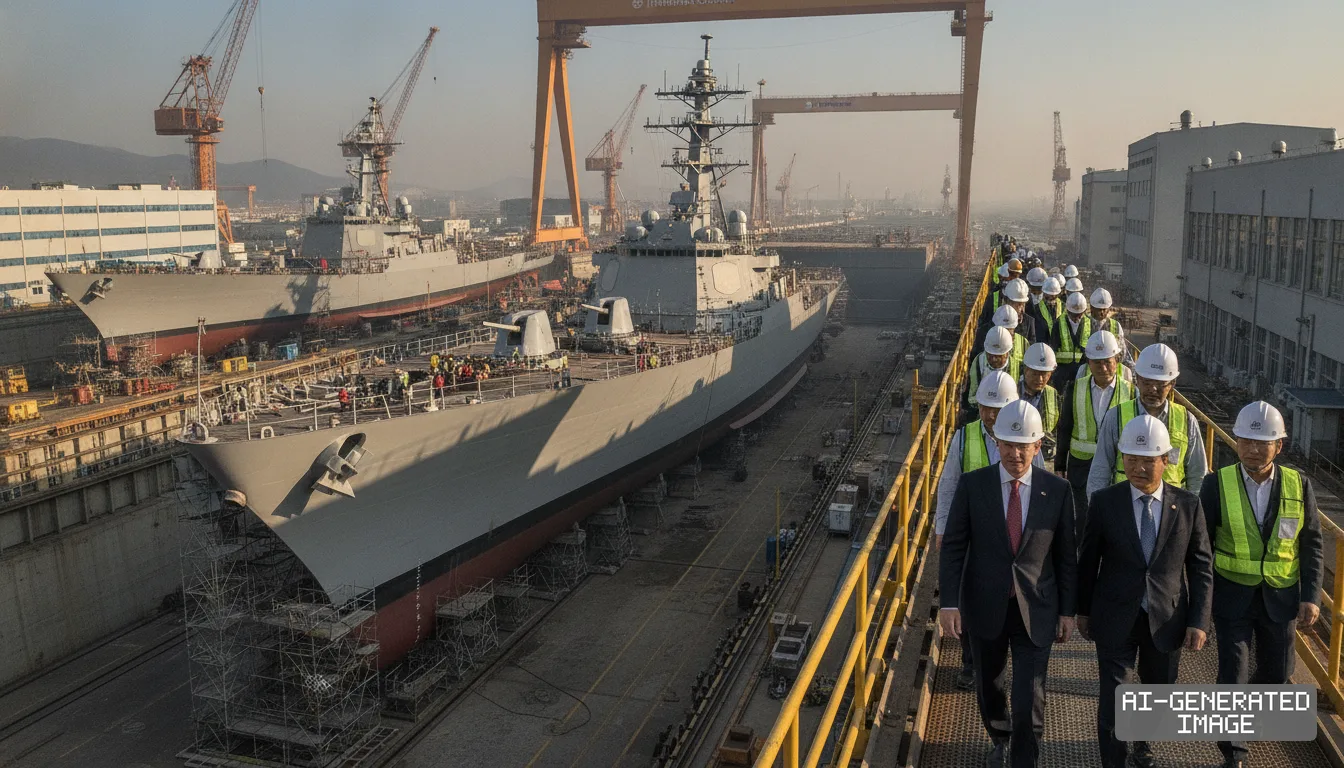
Yard allocation under the unified design framework distributes steel cutting and block fabrication across Imabari's Saijo and Marugame yards, alongside JMU's Tsu and Ariake facilities. Standardized block divisions permit identical sub-assemblies to be manufactured at disparate yards and transported between facilities by barge if dry dock scheduling shifts. ClassNK, Japan's classification society, has issued approval in principle for the baseline ammonia-fueled Newcastlemax design, following hazard identification and operability studies covering fuel leakage, bunkering operations, and emergency venting procedures.
Nihon Shipyard's commercial marketing team is currently presenting the finalized standard specifications to domestic shipping lines, including Nippon Yusen Kabushiki Kaisha, Mitsui O.S.K. Lines, and Kawasaki Kisen Kaisha, as well as global dry bulk operators. Initial commercial building slots for the standardized ammonia-fueled bulkers are scheduled for delivery windows starting in the second half of 2027.
Impact map
How this development propagates across the region and out to global buyers.
| Event | Korea | China | Japan | Global impact |
|---|---|---|---|---|
| Ammonia bulker design standard | gas carrier focus | price competition on bulkers | yard design unification | iron ore green corridors |
In this story
- Companies
- Imabari ShipbuildingJapan Marine UnitedNihon Shipyard
- Exposed
- Mitsui E&SNippon SteelJFE HoldingsClassNKMitsui O.S.K. Lines
- Policy
- Economic SecuritySubsidies
- Impact
- Supply ChainOrder BookCost StructureCompliance
Track every Economic Security development → Track every Subsidies development →
Related briefings
- Asian Shipyard Heavy Plate Costs Diverge as Mills and Builders Clash Over Contract Pricing Also on JFE Holdings, Nippon Steel, Japan Marine United
- Japan shipyards agree long-term thick plate supply terms with Nippon Steel Also on Nippon Steel, Japan Marine United, Mitsui O.S.K. Lines
- Imabari Shipbuilding wins two Aframax tankers from Carlova by 2030 Also on Nihon Shipyard, Imabari Shipbuilding, Order Book
- China bars dual-use exports to Japan citing military end-use Also on Mitsui E&S, Compliance, Cost Structure
Sources
This briefing carries no sources block. It was written from our desks’ working knowledge of the sector rather than from documents retrieved for this piece. Read it as orientation and check any figure you intend to act on — how we source briefings.
This briefing carries no linked sources: it was written from our desks' working knowledge of the sector rather than from documents retrieved for this piece. East Asia Brief publishes no citation it cannot link. Our English text is produced with AI assistance under human editorial review. See our methodology and AI policy. Spotted an error? Tell us.
The Morning Brief
What changed in Korean, Chinese and Japanese industry overnight — and what it means for your supply chain. One email, weekday mornings, US time. Free.
The Morning Brief is in preparation. Leave your address and we will write to you once — when the first issue is ready. Nothing before that.