Vanguard and NXP open Singapore fab, weigh second chip plant
The $6.7 billion joint facility begins risk production at 40nm to 130nm nodes, offering Western automotive and AI hardware clients a manufacturing hedge outside Taiwan.
VisionPower Semiconductor Manufacturing Company opened its first 300-millimeter wafer fabrication facility in Singapore on Sept. 28, 2026, marking the TSMC affiliate's initial manufacturing expansion outside Taiwan.
The Tampines facility represents an adjusted $6.7 billion capital investment, reduced from an earlier $7.8 billion budget through tool contributions. Vanguard International Semiconductor Corporation holds 60% equity in the venture, while NXP Semiconductors N.V. holds 40%.
The plant will reach full commercial capacity of roughly 44,000 12-inch wafers monthly by 2029. That planned volume expands Singapore's share of global mature-node wafer manufacturing, adding approximately 1,600 local technical and engineering jobs.
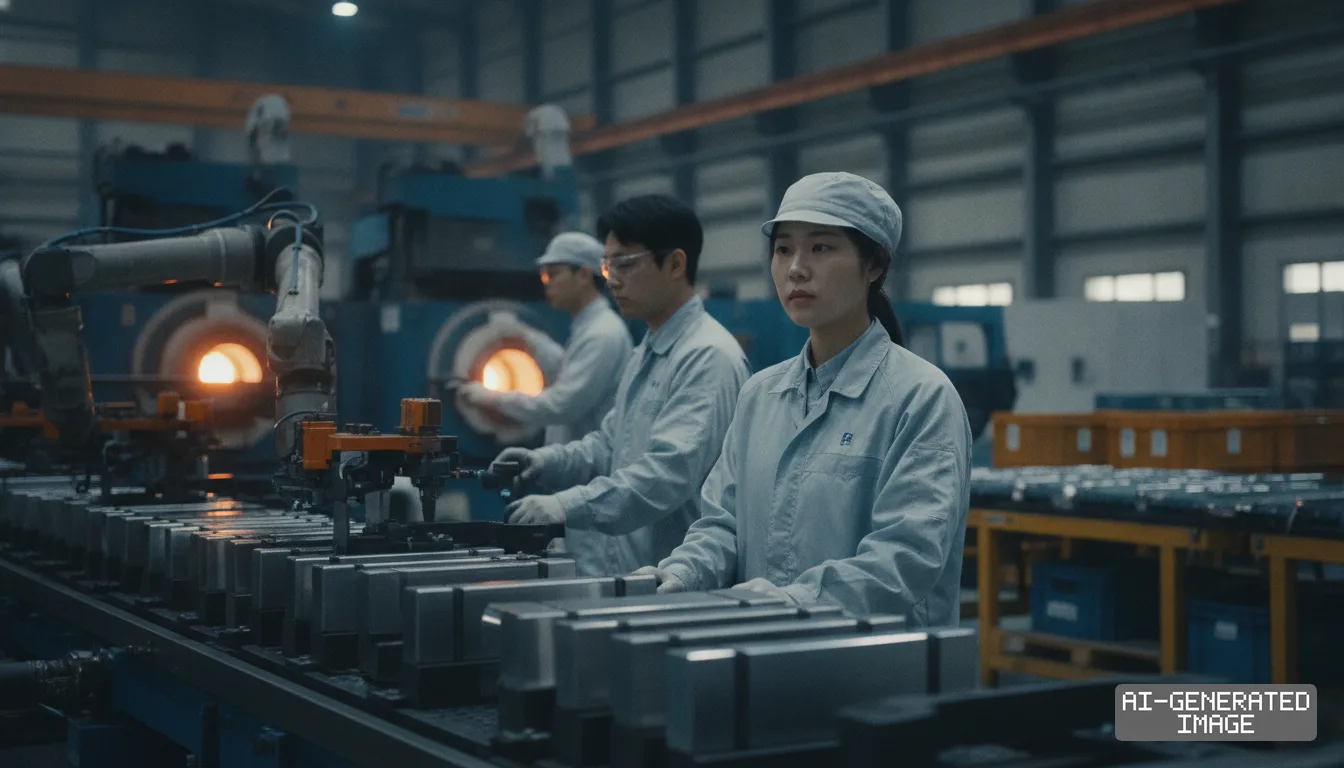
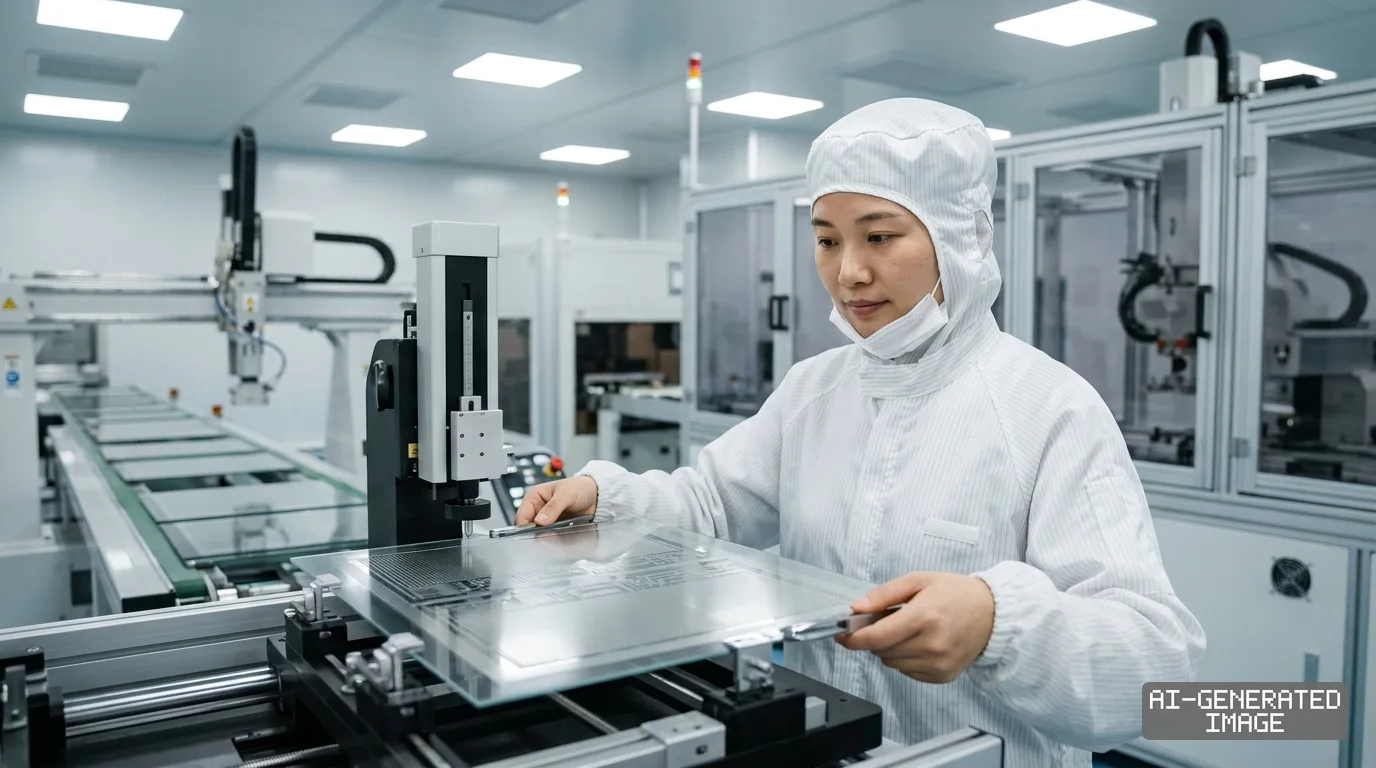
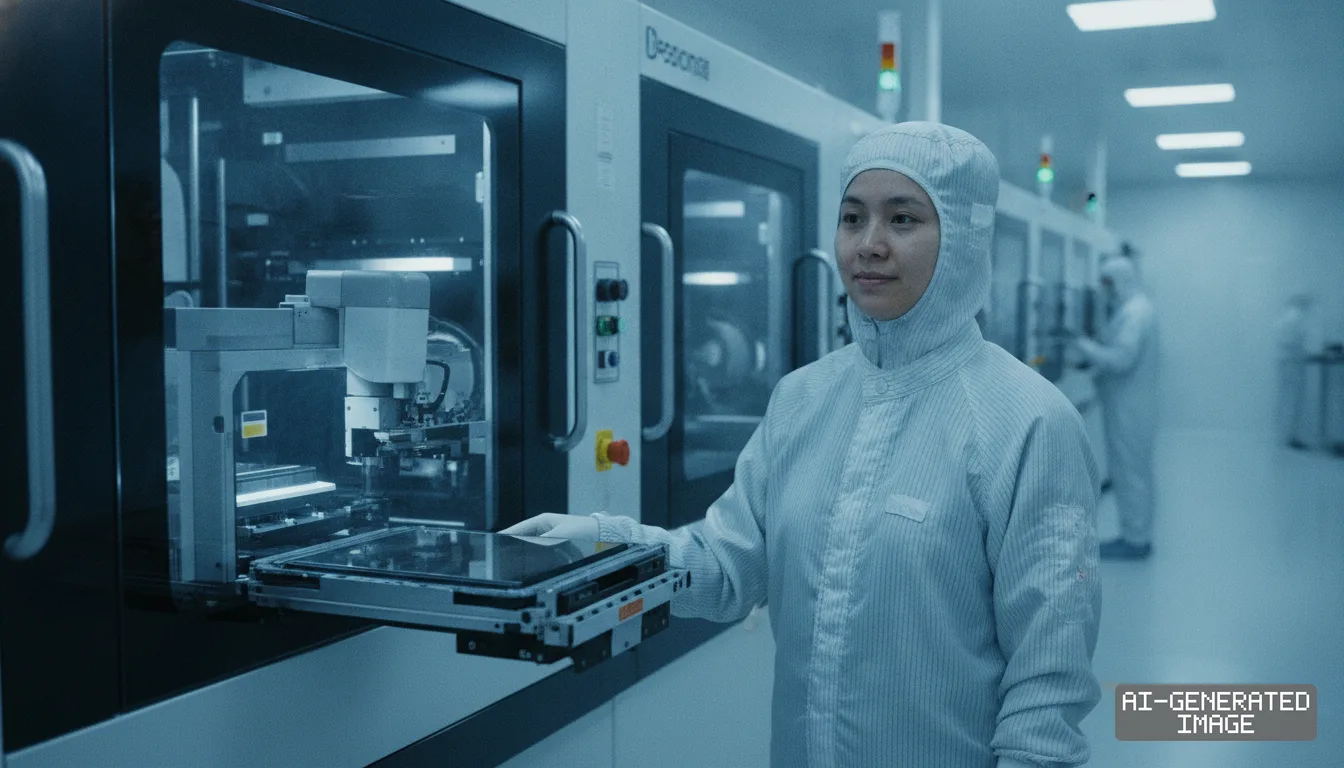
Construction finished after 22 months at Tampines Wafer Park, following groundbreaking in late 2024. The cleanroom has entered risk production, running pilot test batches through automated lithography and etching tools.
Initial sample wafers processed across the line achieved production yields above 99%, the venture said. Pilot runs validated baseline operational performance across early test vehicles, paving the way for customer qualification lots.
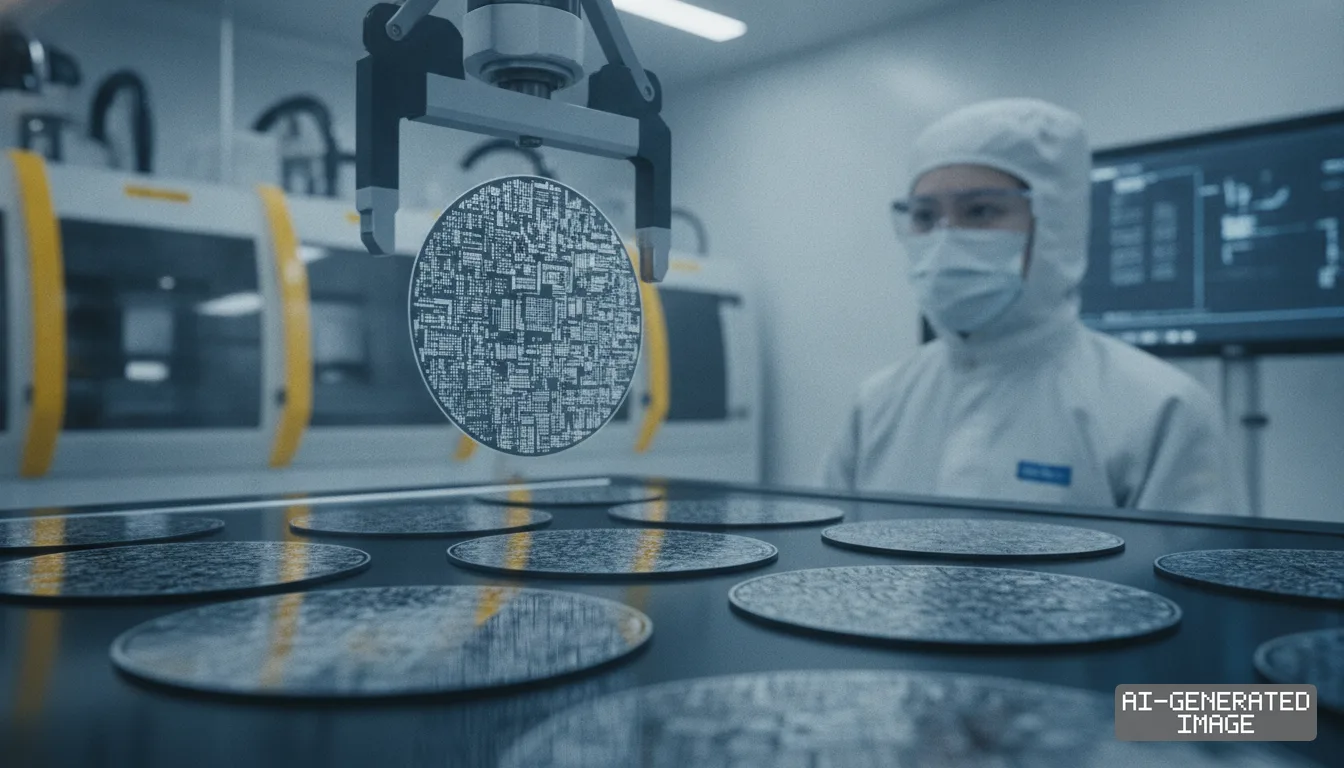
The fab manufactures integrated circuits using process technologies ranging from 130-nanometer down to 40-nanometer nodes. These fabrication lines produce mixed-signal circuits, analog chips and specialized power management semiconductors.
The lines will also produce silicon interposers, which act as high-density physical routing layers connecting central computing dies to high-bandwidth memory stacks. Those interposer layers serve high-performance computing systems running artificial intelligence training workloads.
NXP will draw microcontrollers and power management units from the plant for automotive and industrial customers. NXP chief executive Rafael Sotomayor said the factory supports edge devices that process artificial intelligence tasks directly inside vehicles and robotics.
Taiwan Semiconductor Manufacturing Co., which holds a 27% equity stake in VIS, licensed the underlying manufacturing process technologies to the Singapore plant. The technology transfer covers production recipes for specialty analog and embedded memory nodes.
The licensing structure allows TSMC to outsource legacy wafer fabrication while focusing domestic Taiwanese capital expenditure on advanced two-nanometer and three-nanometer logic fabs. VIS operates as TSMC's primary partner for mature 200-millimeter and 300-millimeter nodes.
Western fabless chip designers and automotive suppliers face heightened geopolitical exposure in the Taiwan Strait. Establishing dedicated 300-millimeter capacity in Singapore provides North American and European procurement teams with a geographically diversified manufacturing hedge outside Northeast Asia.
Automotive chip shortages during recent supply-chain disruptions forced European carmakers to idle assembly lines. The Singapore plant provides NXP with captive, predictable foundry capacity under a hybrid manufacturing strategy that balances internal and outsourced fabs.
Singapore's government supported the project through infrastructure allocations at the Tampines industrial cluster. Trade and Industry Minister Tan See Leng said specialty chips remain critical to global supply chains even as logic spending concentrates on advanced processors.
Customer reservations have already absorbed the facility's initial planned output before commercial operations begin. VIS Chairman Leuh Fang said in May 2026 that phase-one production capacity was entirely sold out under multiyear customer supply agreements.
Long-term contracts signed with global automotive and industrial chip buyers locked up wafer allocations across both 40-nanometer and legacy lines. Those binding supply commitments protect the venture from cyclic utilization drops during broader semiconductor downturns.
Strong advance demand has prompted the joint venture to evaluate adding a second manufacturing facility on adjacent land. Fang said on the sidelines of the opening ceremony that persistent industry shortages mean the partners should have built two fabs together.
The original joint venture agreement signed in September 2024 formally established that the partners would consider a second phase after ramping the initial plant. Continued order backlogs across mature nodes have accelerated internal discussions regarding phase-two expansion.
The companies have not published a capital expenditure budget, site selection or formal board approval for a second Singapore plant. Fang said decisions regarding specific process node allocations and plant financing terms remain undecided.
Commercial volume production at the Tampines fab will begin in the first quarter of 2027. The joint venture will complete installation of remaining cleanroom equipment to reach the full 44,000 monthly wafer run-rate by December 2029.
Impact map
How this development propagates across the region and out to global buyers.
| Event | Korea | China | Japan | Global impact |
|---|---|---|---|---|
| VSMC Singapore fab opening | Samsung and DB HiTek face 300mm mature specialty competition in analog nodes | SMIC legacy pricing challenged as Western buyers mandate non-China origin | Renesas gains alternative automotive foundry capacity outside Taiwan | Western automotive and AI hardware firms reduce single-region Taiwan Strait risk |
In this story
- Companies
- Vanguard International SemiconductorNXP Semiconductors
- Tickers
- 5347.TWONXPI
- Exposed
- Taiwan Semiconductor Manufacturing Co.
- Policy
- Economic SecuritySubsidies
- Impact
- Supply ChainCapexOrder Book
Track every Economic Security development → Track every Subsidies development →
Related briefings
- JCET expands automotive radar SiP packaging lines to capture ADAS sensor demand Also on NXP Semiconductors, Order Book
- Korea FTC Targets NXP and Analog Devices Over Chip Distribution Pricing Controls Also on NXP Semiconductors
- Taiwan breaks ground on TSMC packaging base to relieve CoWoS limits Also on Taiwan Semiconductor Manufacturing Co, Order Book
- TSMC warns AI cannot solve physical barriers for 1.4nm chips Also on Taiwan Semiconductor Manufacturing Co, Order Book
Sources
Primary documents
Reporting
Confidence: high — how we grade this
The documents behind this briefing are linked above. East Asia Brief produces its English text with AI assistance under human editorial review, and does not translate or republish other outlets' articles. See our methodology and AI policy. Spotted an error? Tell us.
The Morning Brief
What changed in Korean, Chinese and Japanese industry overnight — and what it means for your supply chain. One email, weekday mornings, US time. Free.
The Morning Brief is in preparation. Leave your address and we will write to you once — when the first issue is ready. Nothing before that.