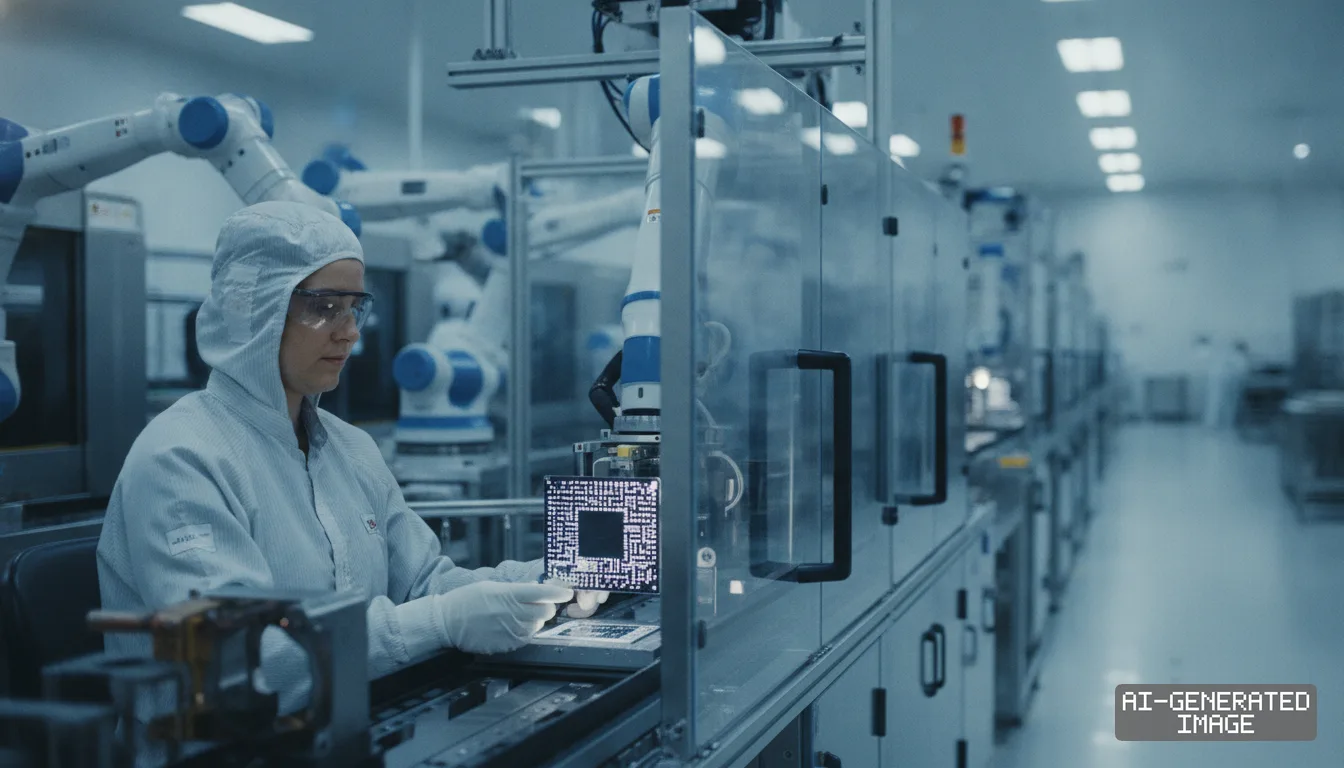
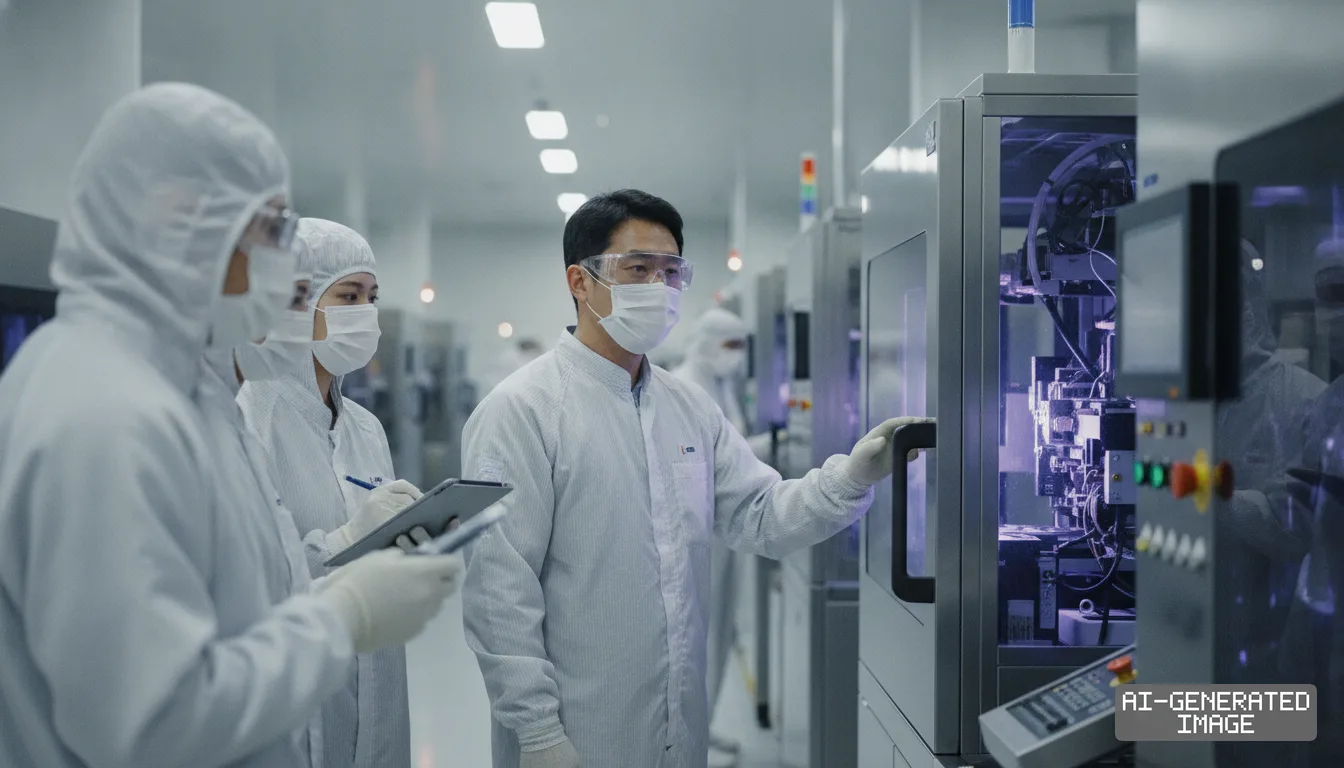
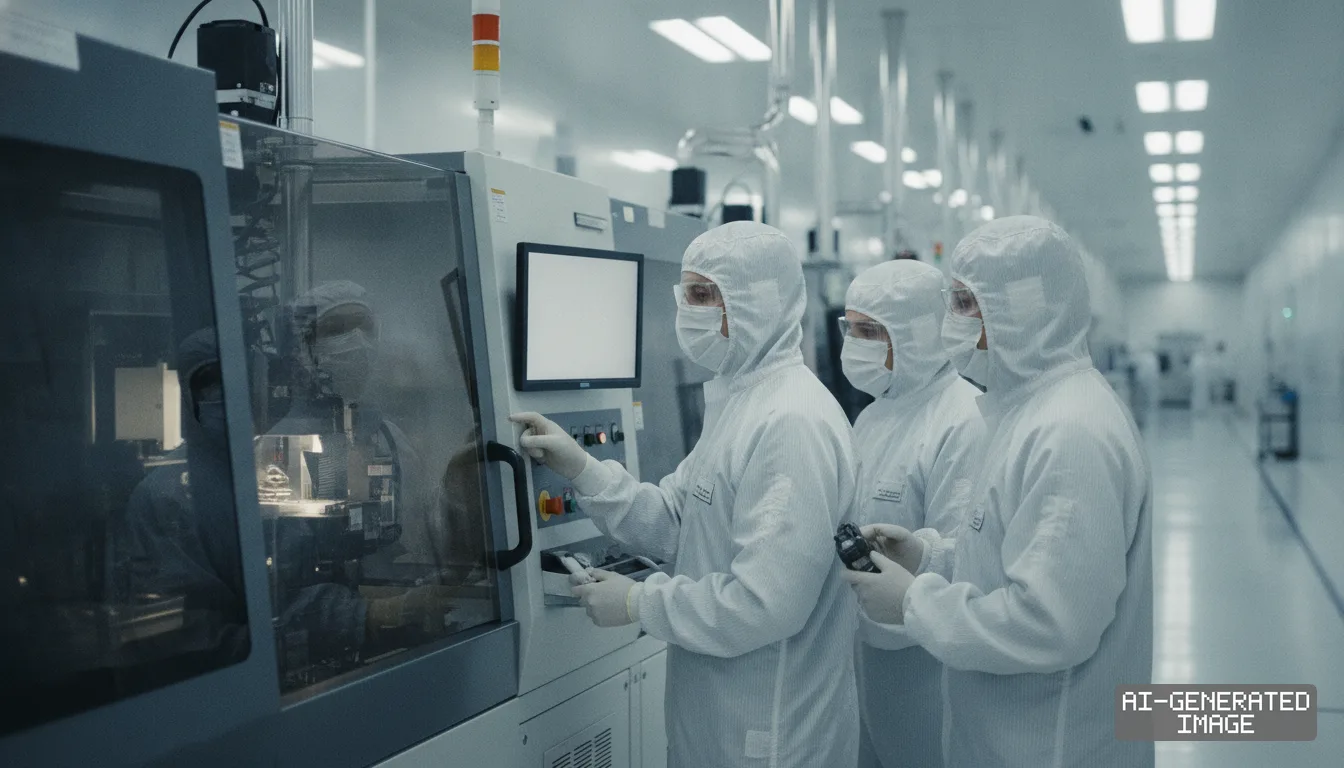
TSMC plans new 3nm Tainan fab as AI accelerator demand surges
Taiwan Semiconductor Manufacturing Co. expands its leading-edge manufacturing network to four sites, keeping core production in Tainan.
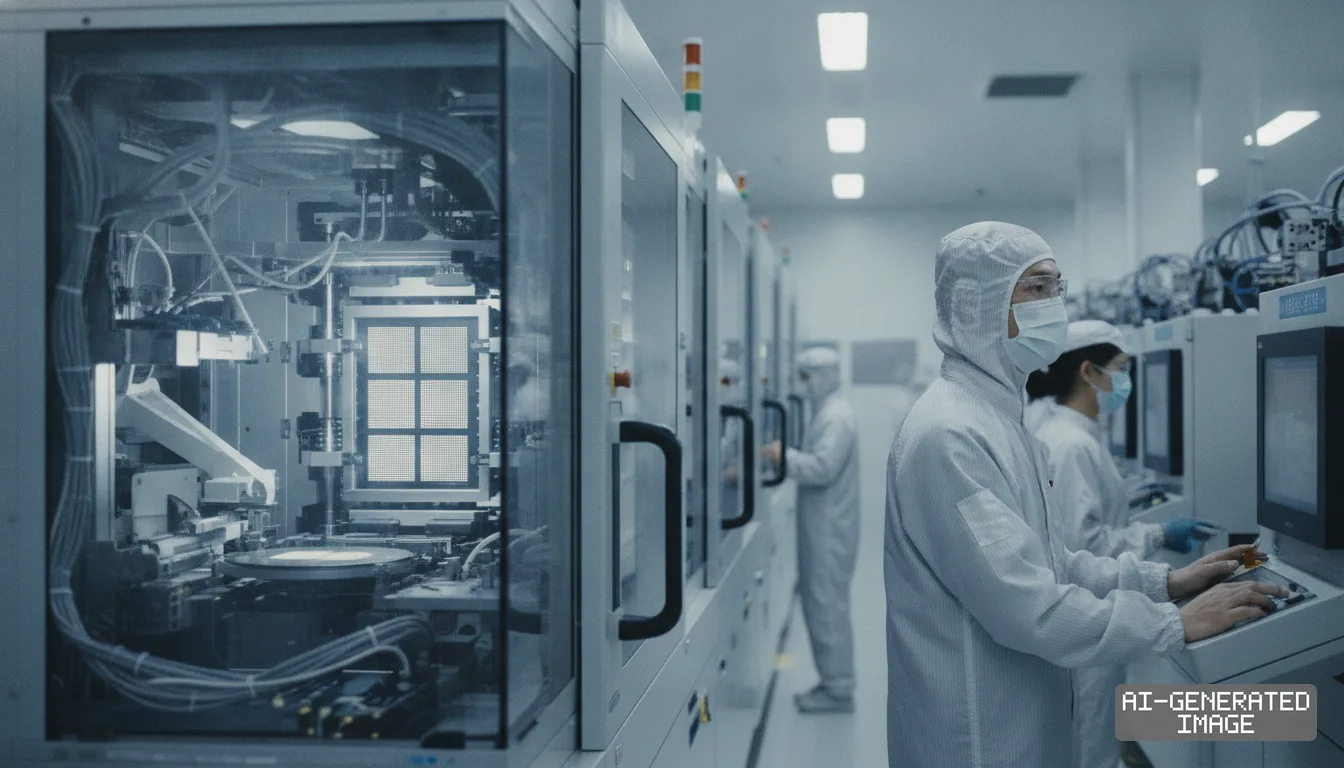
Taiwan Semiconductor Manufacturing Co. confirmed plans on Oct. 19, 2026, to construct an additional dedicated 3-nanometer fab in Tainan, solidifying its domestic production hub as artificial intelligence chip orders surge.
The decision breaks a longstanding company practice of halting line expansion once a node hits target output, Chairman C.C. Wei said. Sustained customer commitments for artificial intelligence processors prompted the exception.
Cumulative capital expenditure by TSMC in the Southern Taiwan Science Park exceeds NT$1.86 trillion ($57 billion), supporting 20 fabrication and packaging facilities. The site directly employs over 11,300 workers.
The newly authorized cleanroom expands the company's 3-nanometer manufacturing network into a four-facility framework. Planners inside the company refer to the operational strategy as a "3+1" production structure.
Under the baseline plan, a separate 3-nanometer fab under construction at the Tainan science complex begins volume production in the first half of 2027. That project anchors the initial domestic ramp.
Overseas lines form the remainder of the original schedule. TSMC advanced its Phoenix, Arizona Fab 2 volume production schedule to the third quarter of 2027, while Kumamoto Fab 2 in Japan targets 2028.
The newly commissioned Tainan fab aims for mass production in the first half of 2028. The decision ensures that primary leading-edge capacity remains heavily concentrated in southern Taiwan despite cross-border investments.
To address pressing allocation deficits before new facilities open, TSMC is converting portions of its existing 5-nanometer equipment to 3-nanometer processing. The retooling extracts marginal supply from mature cleanroom space.
The Tainan City Government Bureau of Economic Development pledged infrastructure support on Oct. 17. The agency said it will guarantee dedicated water pipelines, high-voltage electrical grid interconnects and expedited site permits.
Science park revenue in Tainan reached NT$2.34 trillion ($72 billion) across the first eight months of the year, National Science and Technology Council data showed. That represents an annual gain of 33.5%.
Nvidia and Apple dominate the foundry's 3-nanometer wafer allocations, together accounting for an estimated 65% of advanced production runs this year. Both buyers face tightened delivery windows across their computing hardware lines.
Nvidia sources 100% of its high-performance accelerator logic from TSMC, locking delivery slots through multi-year commitments. The accelerator builder depends on continuous Taiwan wafer supply to fulfill data-center buildout contracts.
Primary foundry competitor Samsung Electronics continues to report yields below 50% on its gate-all-around 3-nanometer node. Those yield limitations keep major AI accelerator developers from shifting commercial purchase orders to South Korea.
Toolmakers take direct commercial benefit from the construction mandate. Netherlands-based ASML Holding and Japan's Tokyo Electron supply critical extreme ultraviolet lithography and track systems, with orders scheduled across 2027 equipment delivery slots.
The company has not disclosed the capital expenditure allocated to the new facility or its planned monthly wafer starts, and municipal filings do not specify a formal groundbreaking date.
Volume production runs at the adjacent Tainan project begin in the first half of 2027, followed by commercial wafer processing at the new facility in the first half of 2028.
Impact map
How this development propagates across the region and out to global buyers.
| Event | Korea | China | Japan | Global impact |
|---|---|---|---|---|
| TSMC Tainan 3nm fab addition | Samsung Foundry remains shut out of Tier-1 AI accelerator orders amid sub-50% 3nm yields | Domestic AI designers face tighter supply barriers without access to TSMC advanced sub-5nm allocation | Tokyo Electron books extended coater-developer and etch delivery slots running through 2027 | Nvidia and Apple secure long-term 3nm supply through 2028 as TSMC deepens home-island manufacturing base |
| TSMC Tainan 3nm fab addition | Samsung Foundry remains shut out of Tier-1 AI accelerator orders amid sub-50% 3nm yields | Domestic AI designers face tighter supply barriers without access to TSMC advanced sub-5nm allocation | Tokyo Electron books extended coater-developer and etch delivery slots running through 2027 | Nvidia and Apple secure long-term 3nm supply through 2028 as TSMC deepens home-island manufacturing base |
In this story
- Companies
- Taiwan Semiconductor Manufacturing Co.NvidiaSamsung ElectronicsTokyo ElectronASML Holding
- Tickers
- 2330.TWNVDA005930.KS8035.TASML
- Exposed
- Apple
- Impact
- CapexSupply ChainOrder Book
Related briefings
- TSMC warns AI cannot solve physical barriers for 1.4nm chips Also on ASML Holding, Apple, Taiwan Semiconductor Manufacturing Co
- TSMC begins 1.4nm pilot wafer runs ahead of 2028 volume ramp Also on ASML Holding, Apple, Taiwan Semiconductor Manufacturing Co.
- TSMC revenue rises 53% on AI demand to record NT$514 billion Also on ASML Holding, Tokyo Electron, Taiwan Semiconductor Manufacturing Co.
- Naura and SMEE Accelerate Domestic Tool Shipments to Chinese Fabs Also on ASML Holding, Tokyo Electron, Order Book
Sources
Primary documents
Reporting
Confidence: high — how we grade this
The documents behind this briefing are linked above. East Asia Brief produces its English text with AI assistance under human editorial review, and does not translate or republish other outlets' articles. See our methodology and AI policy. Spotted an error? Tell us.
The Morning Brief
What changed in Korean, Chinese and Japanese industry overnight — and what it means for your supply chain. One email, weekday mornings, US time. Free.
The Morning Brief is in preparation. Leave your address and we will write to you once — when the first issue is ready. Nothing before that.