Kioxia operating profit hits ¥1.99 trillion on AI SSD demand
The Japanese chipmaker reported second-quarter operating profit of ¥1.99 trillion, declared its first dividend and booked full capacity through 2027.
Kioxia Holdings reported a second-quarter operating profit of ¥1.99 trillion ($13.1 billion) on Oct. 30, 2026, driven by surging orders for enterprise solid-state drives from artificial intelligence data centers.
The operating profit for the July-September period jumped from ¥85.9 billion a year earlier, representing a 23-fold increase. The result exceeded the chipmaker's own guidance of ¥1.89 trillion.
Quarterly revenue reached ¥2.48 trillion, up from ¥448.3 billion in the prior-year quarter. Net profit attributable to owners of the parent climbed to ¥1.31 trillion.
Tokyo-based Kioxia is the world's third-largest producer of NAND flash memory, the non-volatile storage silicon used in servers, PCs and smartphones. The company listed on the Tokyo Stock Exchange under ticker 285A.
Demand for data storage expanded rapidly as hyperscale cloud operators built facilities for generative AI models. System builders exhausted graphics processing units and high-bandwidth memory, shifting procurement attention to high-capacity enterprise solid-state drives (eSSDs).
Those server-grade solid-state drives store the multi-terabyte datasets required to train foundational models and log real-time checkpoint data. The shift redirected server capital budgets directly toward flash arrays.
For the six months ended Sept. 30, Kioxia recorded revenue of ¥4.2472 trillion and an operating profit of ¥3.2647 trillion. Six-month net profit totaled ¥2.1978 trillion, compared with ¥58.9 billion in the corresponding period of 2025.
The surge in high-margin enterprise drives allowed Kioxia to restore its balance sheet after two years of memory-market contraction. The company held ¥1.4 trillion in cash and equivalents at the end of September.
Kioxia declared an interim dividend of ¥90 per share, the first dividend distribution in the company's operating history. The board approved the payout following the completion of an ¥800 billion share repurchase program in August.
Management stated during the investor conference that production capacity for calendar year 2027 is completely sold out. Hyperscale operators sought multi-year delivery commitments to guarantee factory allocation.
More than 50% of expected NAND flash shipments for calendar year 2028 are now committed under long-term supply agreements, the company said. Long-term agreements protect factory volume from sudden cancellations.
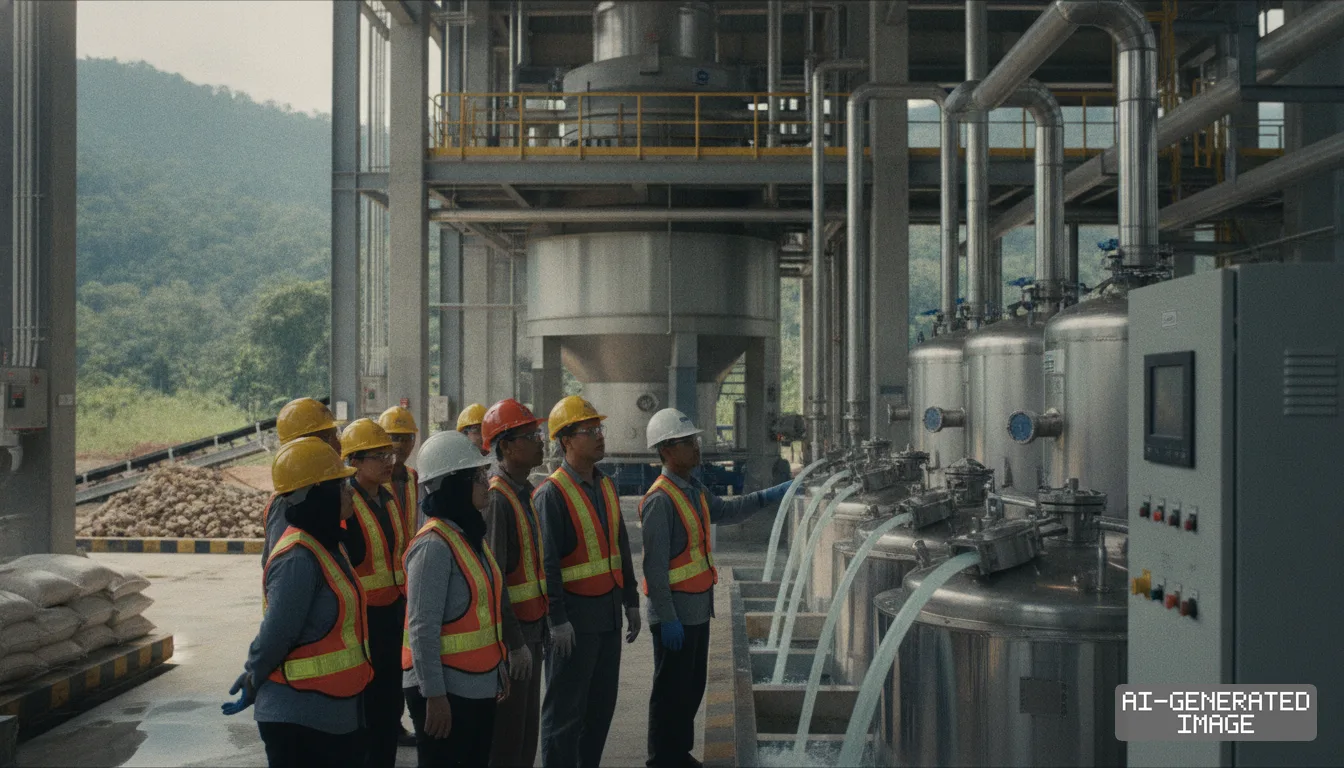
The procurement rush altered factory economics across Kioxia's fabrication sites in Yokkaichi and Kitakami. Fabrication lines reached maximum operational capacity during the summer, ending previous production curbs.
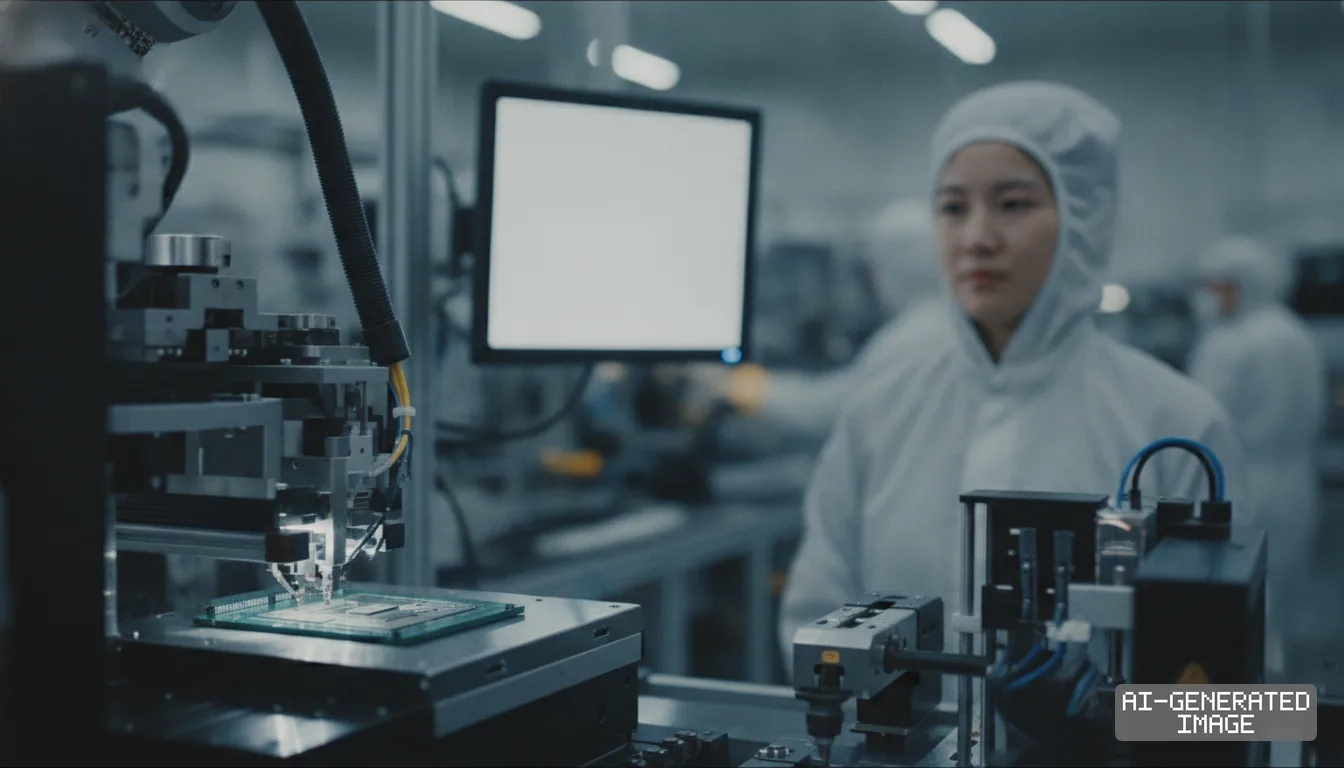
Kioxia produces flash memory jointly with Western Digital's SanDisk division. The joint venture partners approved capital investments exceeding $31 billion in August to build the new Fab 3 cleanroom at Kitakami.
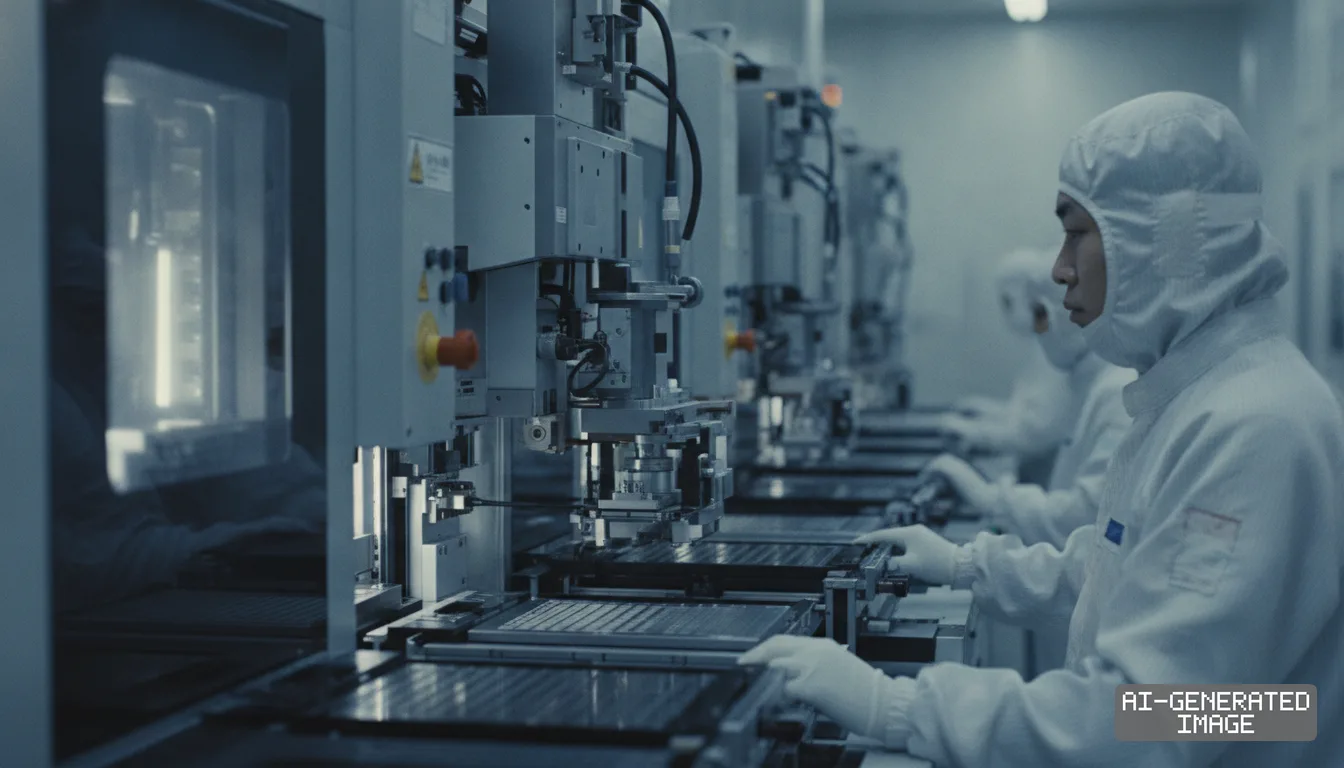
Production of eighth-generation BiCS flash chips accounted for more than 50% of total wafer output by September. The 218-layer architecture lowers bit manufacturing costs while increasing read speeds for inference workloads.
Blended average selling prices for NAND flash gained in the mid-20% range during the second quarter compared with the previous three months, the company said. That followed a 70% price surge during the April-June period.
Price momentum began moderating as seasonal smartphone manufacturing slowed and server procurement leveled off. The stabilization prompted management to adopt a cautious posture for the final calendar quarter.
For the October-December quarter, Kioxia forecast operating profit of roughly ¥2.0 trillion on revenue of ¥2.5 trillion. That guidance came in below the market consensus estimate of ¥2.35 trillion.
Quarter-over-quarter bit shipments will remain roughly flat during the third quarter, Chief Financial Officer Akira Menju said. Sequential average selling prices will also stay flat as negative currency movements offset data center volume, Menju said.
The earnings disclosure does not state the exact revenue split between mobile flash memory and enterprise solid-state drives for the quarter. Kioxia did not publish detailed segment percentages in its initial release.
Kioxia's profit recovery alters competitive dynamics across East Asia's memory supply chain. South Korean rivals Samsung Electronics and SK hynix previously captured early hardware gains through dominance in high-bandwidth memory stacks.
Samsung Electronics and SK hynix also reported tightening enterprise solid-state drive order books through late 2026. The storage bottleneck forced server makers to accept price hikes across all three major Asian producers.
In China, domestic flash maker Yangtze Memory Technologies faces American export restrictions that limit cleanroom tool procurement. Those curbs prevented Chinese producers from filling the enterprise server shortage outside their home market.
Kioxia plans to distribute the interim dividend of ¥90 per share to registered shareholders on Dec. 8, 2026. The company will report third-quarter financial results in early 2027.
Impact map
How this development propagates across the region and out to global buyers.
| Event | Korea | China | Japan | Global impact |
|---|---|---|---|---|
| AI data center storage shift | Samsung and SK hynix see enterprise SSD order books tighten through 2027 | YMTC tool restrictions keep enterprise server share confined largely to domestic customers | Kioxia books full fab run rate and commits over 50% of 2028 flash output | Hyperscalers absorb mid-20% NAND price gains as AI bottlenecks move from HBM to storage |
In this story
- Companies
- Kioxia Holdings Corporation
- Tickers
- 285A.T
- Exposed
- Samsung ElectronicsSK hynixSanDisk
- Impact
- PricingCapexOrder Book
Related briefings
- Kioxia Rejects SK hynix Flash Alliance to Guard SanDisk Ties Also on SanDisk, SK hynix, Pricing
- Samsung and SK hynix see KOSPI weighting fall to 50 percent Also on SK hynix, Samsung Electronics, Pricing
- Kioxia sheds two-thirds of market value as Chinese NAND rivals surge Also on SK hynix, Samsung Electronics, Pricing
- Tokyo Electron nears 1 trillion yen profit on memory capex Also on SK hynix, Samsung Electronics, Pricing
Sources
Reporting
Confidence: medium — how we grade this
The documents behind this briefing are linked above. East Asia Brief produces its English text with AI assistance under human editorial review, and does not translate or republish other outlets' articles. See our methodology and AI policy. Spotted an error? Tell us.
The Morning Brief
What changed in Korean, Chinese and Japanese industry overnight — and what it means for your supply chain. One email, weekday mornings, US time. Free.
The Morning Brief is in preparation. Leave your address and we will write to you once — when the first issue is ready. Nothing before that.