Kioxia Rejects SK hynix Flash Alliance to Guard SanDisk Ties
Chief Executive Hiroo Ota ruled out three-way manufacturing talks, citing antitrust barriers and an existing $31 billion expansion program with SanDisk through 2032.
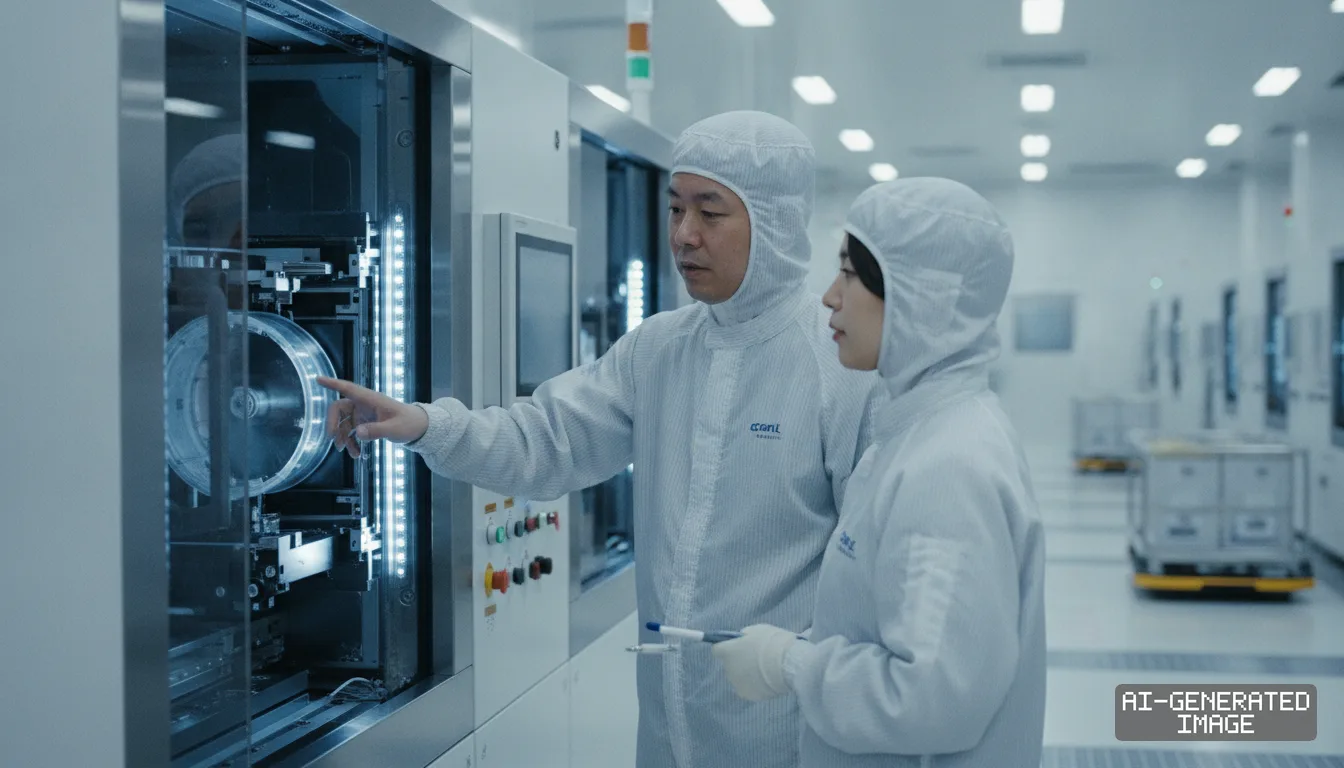
Kioxia Holdings Chief Executive Hiroo Ota rejected a joint NAND flash production proposal from SK hynix on Sept. 9, 2026, opting to preserve manufacturing independence alongside existing partner SanDisk.
The decision follows an Aug. 27 announcement by Kioxia and SanDisk to invest 5 trillion yen ($31 billion) through 2032. That outlay funds cleanrooms accounting for roughly 30% of global NAND wafer capacity.
Ota said in a Sept. 9 interview that no manufacturing discussions were underway with SK hynix. Joint factory production with a direct competitor would face insurmountable antitrust barriers across major jurisdictions, he said.
The executive also pointed to legal agreements governing the Flash Ventures partnership with SanDisk. Adding a third manufacturer to shared cleanrooms would violate existing exclusivity commitments, Ota said.
The remarks responded to a proposal made by SK Group Chairman Chey Tae-won in early September. Chey had suggested co-manufacturing in Japan as an option to address soaring artificial intelligence storage requirements.
Chey had argued that pooling capital expenditures could accelerate wafer output without duplicating heavy equipment orders. Kioxia dismissed that premise, choosing to rely strictly on internal lines and Japanese state subsidies.
Global cloud service providers have sharply increased orders for enterprise solid-state drives. Data centers require ultra-dense NAND flash storage to feed large datasets into AI clusters alongside high-bandwidth memory chips.
SK hynix holds substantial indirect financial exposure to Kioxia through private equity structures. The South Korean memory maker contributed 395 billion yen ($2.6 billion) to a Bain Capital consortium in 2018.
That investment included convertible bonds representing a 14.19% equity interest via BCPE Pangea Cayman2. Under the 2018 buyout terms, SK hynix agreed not to hold more than 15% of voting rights through 2028.
The 2018 agreement also imposed strict information barriers between the two companies. SK hynix cannot access Kioxia proprietary process architectures or view production yields, according to regulatory disclosures.
The Bain Capital vehicle became Kioxia’s largest single shareholder in August after Toshiba reduced its holding. Toshiba trimmed its ownership to 14.12%, leaving the Bain entity with 77.4 million shares.
SK hynix cannot convert its debt notes into direct voting equity without clearing antitrust reviews. Competition authorities in Beijing, Seoul and Washington would scrutinize any move linking the second and third largest NAND producers.
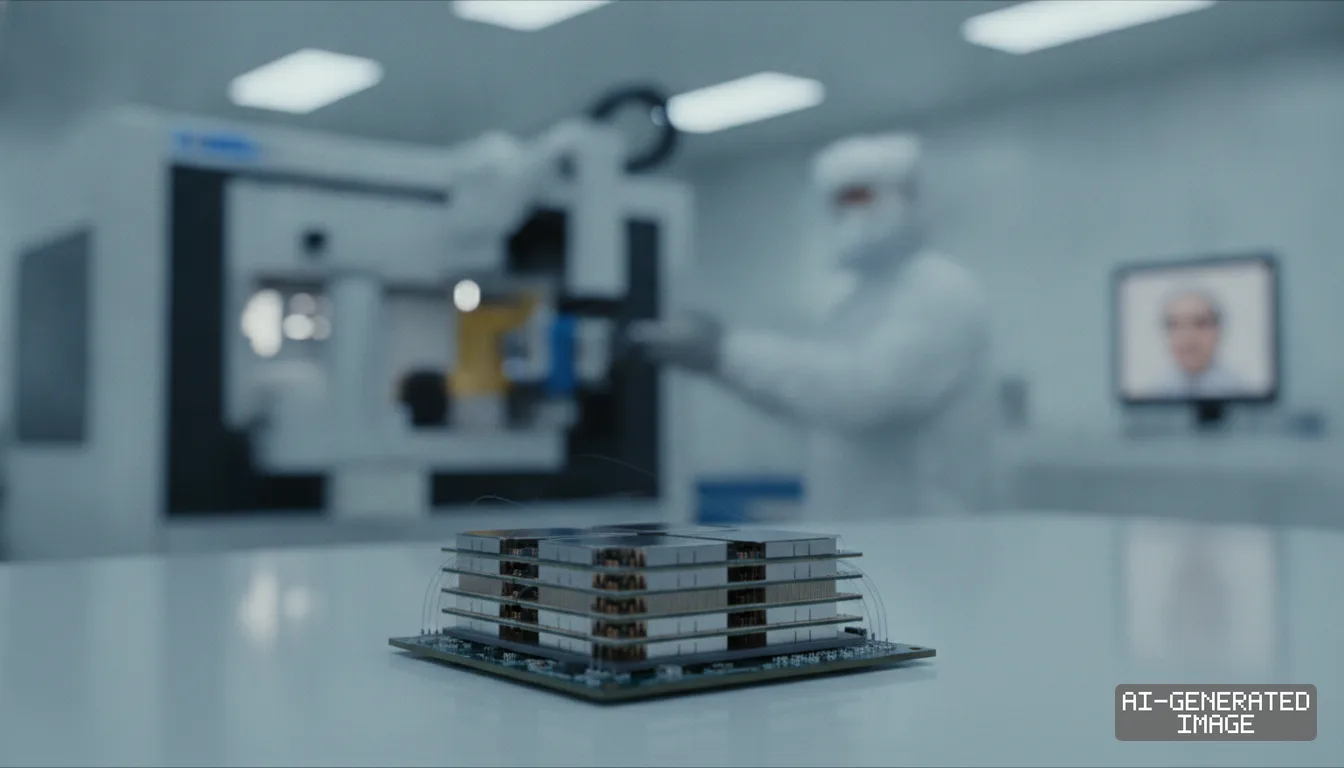
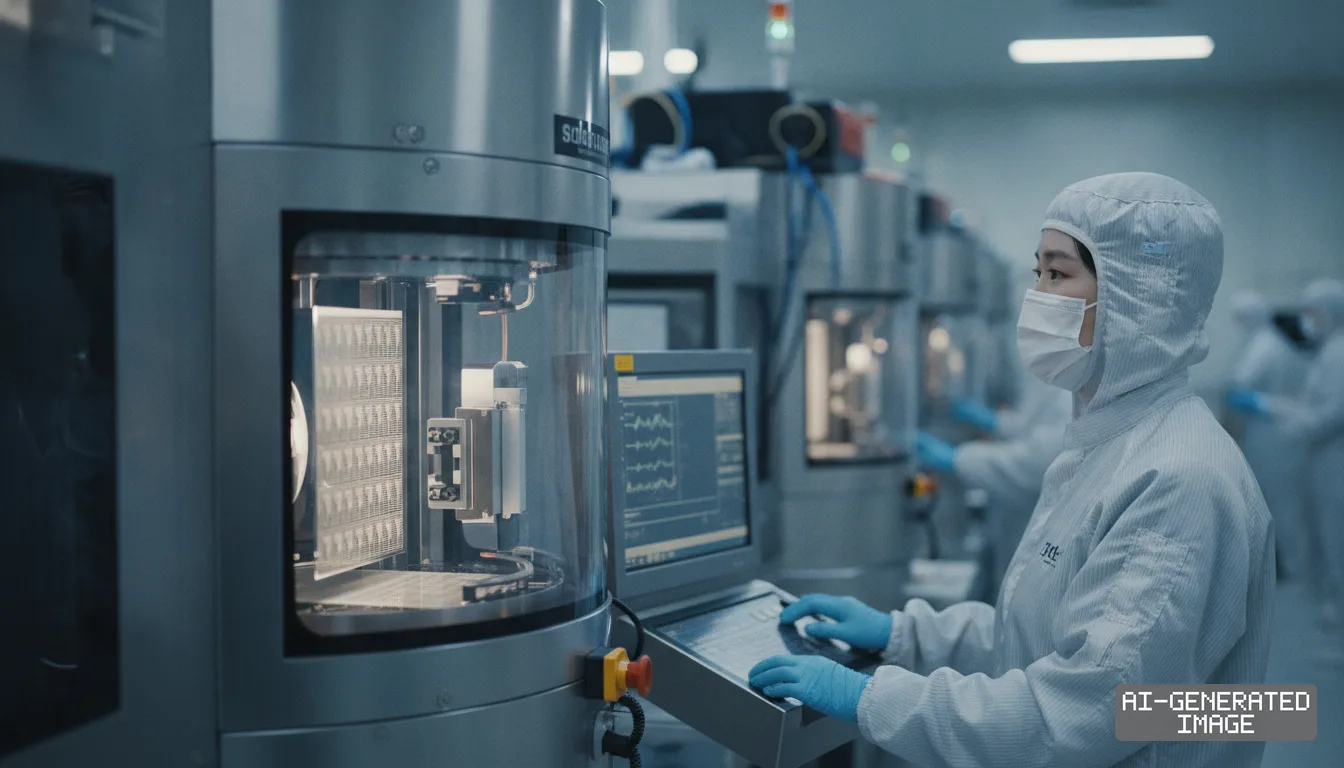
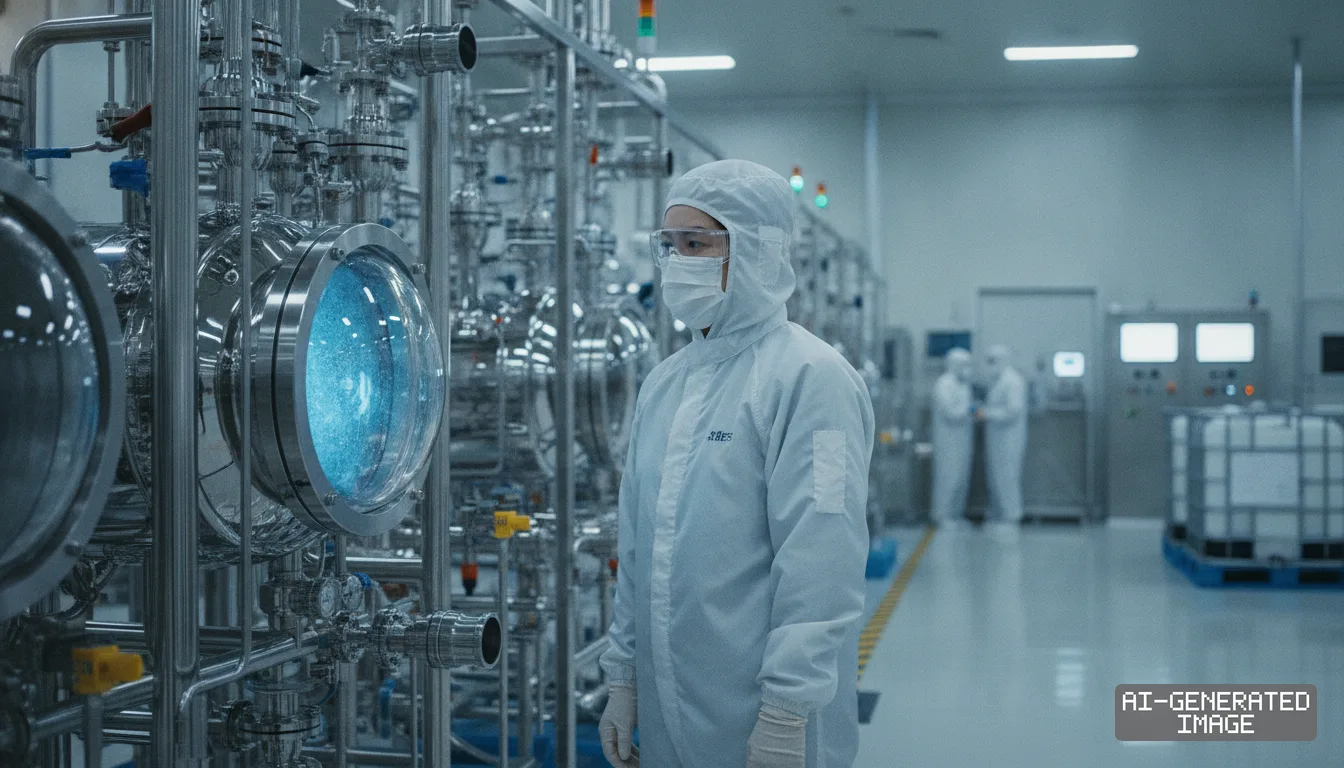
Kioxia has focused its capital deployment on expanding domestic manufacturing in northern Japan. The Tokyo-based company began site preparation for Fab3 at its Kitakami complex in Iwate Prefecture on Aug. 27.
Fab3 will require an estimated 1.8 trillion yen ($11.3 billion) in construction and cleanroom machinery. The new facility is being built immediately south of Fab2, which commenced operations in September 2025.
The Kitakami facility will manufacture eighth-generation and 10th-generation BiCS flash memory. The proprietary stacked architecture provides high bit density for enterprise storage units used in AI inference workloads.
Japan’s Ministry of Economy, Trade and Industry has supported the joint operations with state subsidies. Japanese policymakers view domestic advanced memory production as essential to economic security and supply-chain resilience.
Kioxia and SanDisk share factory space and capital expenses under a roughly 60-to-40 ratio. In January 2026, the two companies extended their joint venture agreements through December 2034.
Ota also warned against aggressive price increases despite current memory shortages. Kioxia intends to expand long-term procurement contracts with server clients rather than chase volatile spot pricing, he said.
The rebuff forces SK hynix to expand enterprise solid-state drive capacity independently. The Icheon-based firm must rely on its domestic lines in Cheongju and its US subsidiary Solidigm.
Solidigm leads the industry in 60-terabyte high-capacity QLC drives used in AI storage arrays. Operating separately prevents Kioxia from leveraging Solidigm architecture, while shielding SK hynix from Japanese cost structures.
Kioxia has not published a firm procurement schedule for Fab3 lithography tools, and regulators have not disclosed whether SK hynix filed an informal alliance inquiry.
The 10-year voting limitation capping SK hynix at 15% expires in 2028, while Kioxia and SanDisk plan commercial wafer production at Kitakami Fab3 in fiscal 2029.
Impact map
How this development propagates across the region and out to global buyers.
| Event | Korea | China | Japan | Global impact |
|---|---|---|---|---|
| Kioxia rejects SK hynix joint production | SK hynix relies on domestic fabs and Solidigm for enterprise SSDs | Regulators remain shielded from potential combined NAND market share expansion | Kioxia advances 5 trillion yen domestic fab buildout with SanDisk | AI data center NAND supply bifurcates between Japanese and Korean lines |
In this story
- Companies
- Kioxia HoldingsSK hynixSanDisk
- Tickers
- 285A.T000660.KSSNDK
- Exposed
- ToshibaBain Capital
- Policy
- AntitrustSubsidiesEconomic Security
- Impact
- Supply ChainCapexPricing
Track every Antitrust development → Track every Subsidies development → Track every Economic Security development →
Related briefings
- Japan offers U.S. chip investment to win semiconductor tariff relief Also on Toshiba, Pricing, Subsidies
- China semiconductor exports surge 136% to $45 billion on AI pricing Also on Kioxia Holdings, SK hynix, Pricing
- Kioxia sheds two-thirds of market value as Chinese NAND rivals surge Also on Kioxia Holdings, SK hynix, Pricing
- SK hynix reviews $12B payout report after Kioxia stake sale Also on Kioxia Holdings, SK hynix, Pricing
Sources
Reporting
Confidence: medium — how we grade this
The documents behind this briefing are linked above. East Asia Brief produces its English text with AI assistance under human editorial review, and does not translate or republish other outlets' articles. See our methodology and AI policy. Spotted an error? Tell us.
The Morning Brief
What changed in Korean, Chinese and Japanese industry overnight — and what it means for your supply chain. One email, weekday mornings, US time. Free.
The Morning Brief is in preparation. Leave your address and we will write to you once — when the first issue is ready. Nothing before that.