Samsung starts Exynos 2700 production, lifting run size 10%
The 2nm processor targets Galaxy S27 handsets in Korea and Europe, trimming reliance on Qualcomm as Samsung Foundry works to prove commercial yields on its SF2P manufacturing process.
Samsung Electronics began mass production of its flagship Exynos 2700 mobile processor with a 10% volume increase on Oct. 2, 2026, according to South Korean industry reports.
The expanded production run targets the Galaxy S27 smartphone family. The company aims to lift in-house processor adoption to 50% across the lineup, doubling its share from the 25% recorded on the Galaxy S26.
Mobile processor purchases create a persistent cost burden for the company. Samsung paid roughly 11.2 trillion won ($8.4 billion) to third-party chipmakers Qualcomm and MediaTek in 2025 to procure application processors for its mobile device portfolio.
Replacing imported silicon with proprietary components protects consumer electronics margins. Shifting 25% of flagship handset demand back to internal silicon redirects roughly $1.6 billion in component outlays into Samsung's own component divisions.
Samsung Foundry fabricates the Exynos 2700 on its second-generation 2nm node, designated SF2P. The node uses gate-all-around — a transistor design that wraps silicon channels on all four sides to curb electrical leakage.
The manufacturing process delivers measurable efficiency gains over prior fabrication runs. The SF2P node provides a 12% performance boost, a 25% reduction in power consumption and an 8% decrease in die area compared to first-generation 2nm wafers.
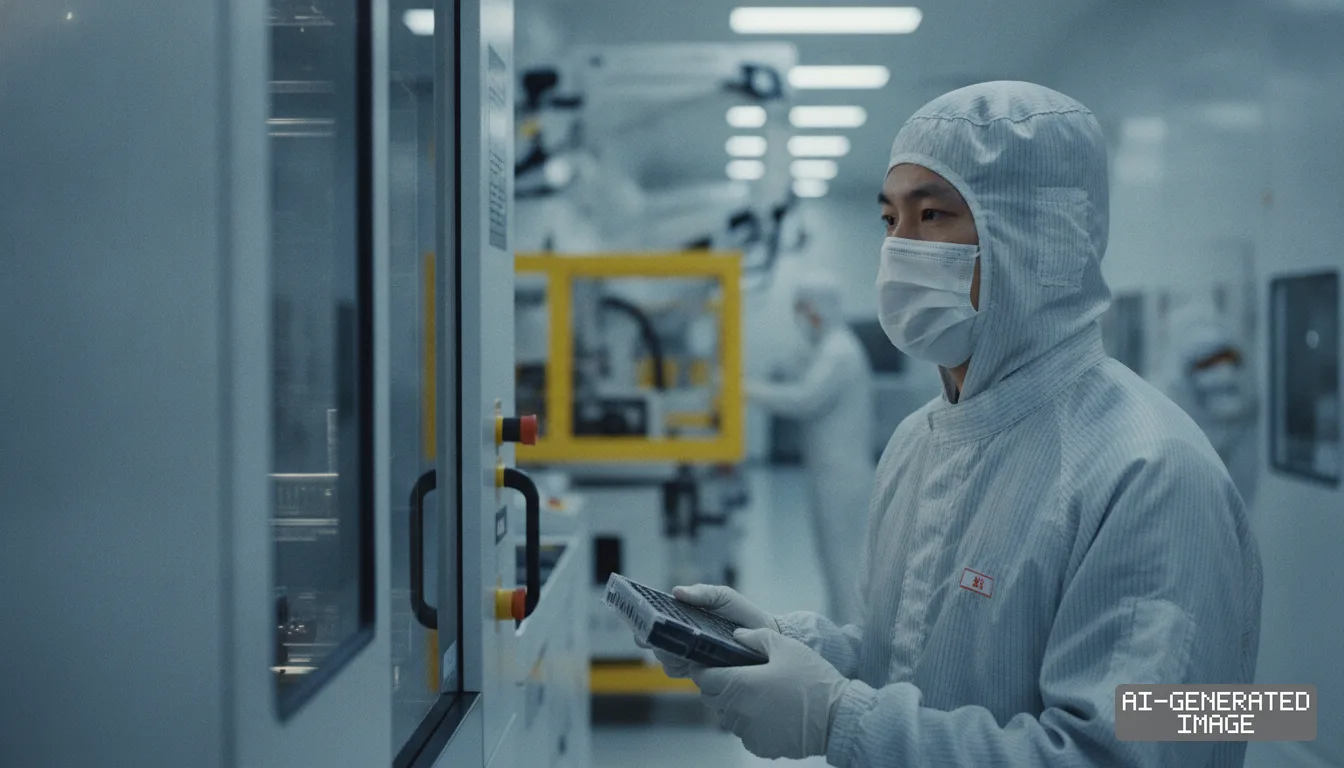
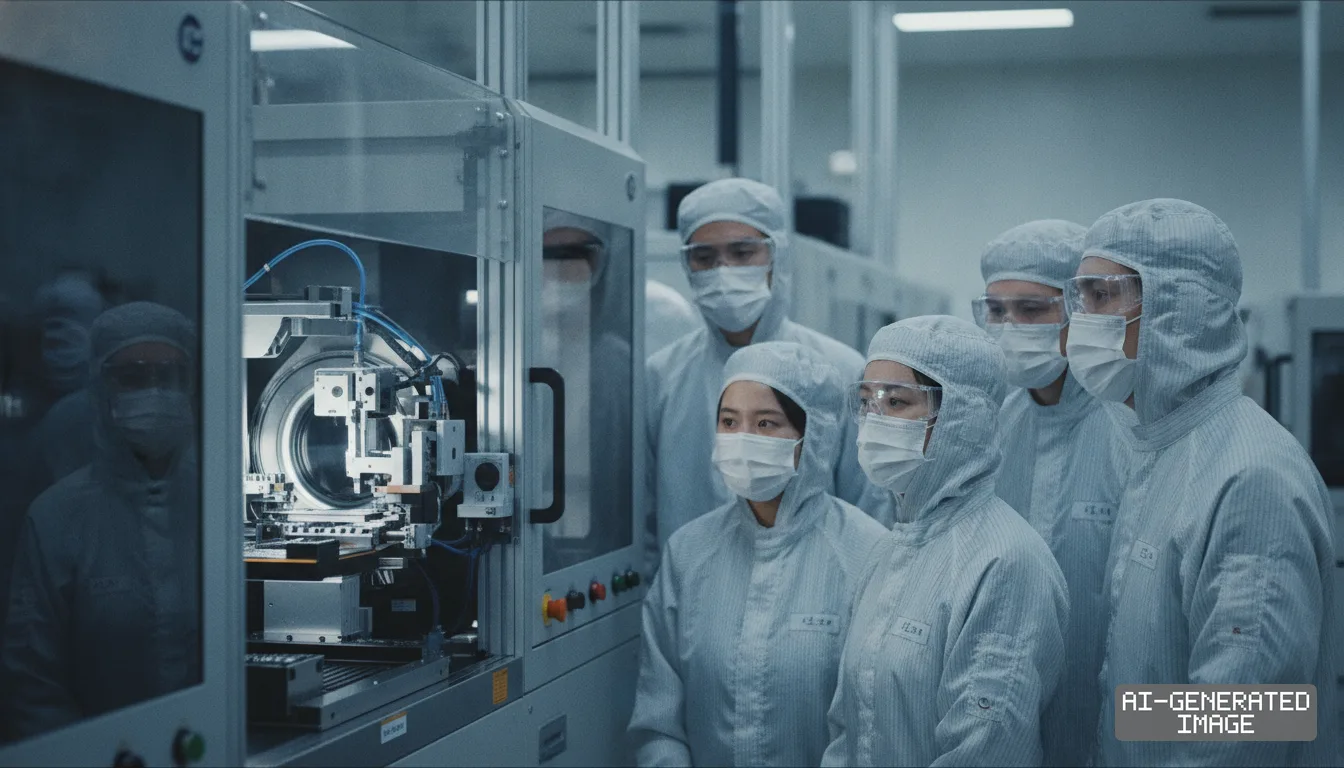
Front-end wafer processing has started at domestic manufacturing facilities in Hwaseong and Pyeongtaek. Commercial wafer starts follow multi-quarter design testing conducted by System LSI, the integrated circuit design unit of Samsung.
Early synthetic benchmarks show competitive compute capability. Multi-core testing on Geekbench 6 indicates the Exynos 2700 outpaces Qualcomm's upcoming Snapdragon 8 Elite Extreme Gen 6 processor by 9.5%, according to preliminary testing data.
The chip design incorporates redesigned central processing unit cores. Prime computational cores reach peak frequencies of up to 4.0 GHz to process generative artificial intelligence routines without exceeding thermal limits.
Samsung intends to install the processor in Galaxy S27, S27 Plus and S27 Pro units sold in South Korea and Europe. Regional variants in North America and China will retain Qualcomm Snapdragon processors to match carrier networking bands.
Qualcomm faces direct commercial exposure from the production increase. Supplying 75% of Galaxy S26 units, the San Diego vendor risks losing up to 25 percentage points of socket share across Samsung's base flagship tier to the domestic alternative.
Allocation for the highest-margin model remains unsettled within Samsung management. The Mobile eXperience division continues to deliberate whether the Galaxy S27 Ultra will adopt the Exynos 2700 or rely entirely on Qualcomm hardware.
System LSI executives are pushing mobile division leadership to deploy the 2nm chip inside the Ultra model. Securing placement in the top device would demonstrate technical parity with global merchant silicon vendors.
Mobile division managers remain cautious about yield stability and sustained thermal loads. Engineering heads require proof that wafer fabrication can sustain millions of devices without causing throttling under sustained usage.
Samsung Foundry requires high-volume internal orders to counter contract manufacturing rivals. Taiwan Semiconductor Manufacturing Co. commands roughly 62% of global foundry revenue, while Samsung holds an 11% share in advanced logic manufacturing.
Commercial validation on 2nm silicon gives Samsung an operational baseline to attract external fabless customers. Proving steady output for internal flagships demonstrates that second-generation gate-all-around lines can support complex, high-power processor packages.
Trial production yields for the SF2P node hovered near 50% during summer pilot runs. Foundry engineers must raise functional die ratios toward 70% to prevent margin erosion across full-scale assembly lines.
Past operational missteps reinforce internal caution. Samsung withdrew in-house processors from the Galaxy S23 series following thermal throttling and poor yields on its 4nm manufacturing line, forcing complete reliance on imported Qualcomm silicon.
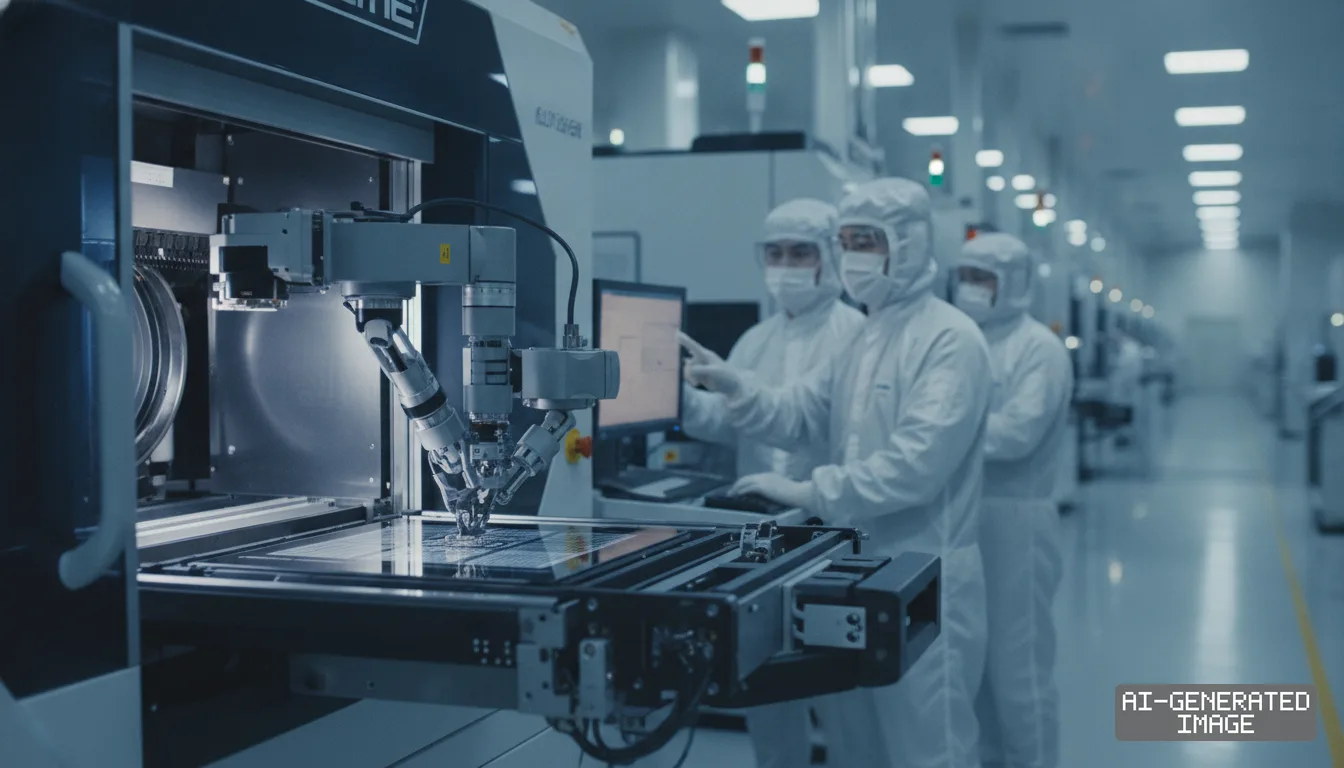
Advanced packaging lines enclose the Exynos 2700 using fan-out wafer-level packaging techniques. The structural design eliminates internal substrates to lower package thickness and dissipate heat away from the silicon die.
Samsung Electronics has not published a regulatory filing or press release confirming the mass production schedule, leaving wafer yields and contract volumes unverified.
Details of the production ramp stem from South Korean supply-chain reports published Oct. 2 by The Elec and corroborating component tracking.
Samsung Electronics reviews mobile division procurement plans and foundry utilization figures during its scheduled third-quarter earnings conference call on Oct. 31, 2026.
Impact map
How this development propagates across the region and out to global buyers.
| Event | Korea | China | Japan | Global impact |
|---|---|---|---|---|
| Exynos 2700 2nm mass production | Samsung cuts AP procurement costs and fills SF2P fab lines | Domestic smartphone makers monitor 2nm GAA thermal benchmark data | Tokyo Electron and Canon supply advanced lithography and etch tooling | Qualcomm faces 25% flagship socket loss in European Galaxy S27 shipments |
In this story
- Companies
- Samsung Electronics
- Tickers
- 005930.KS
- Exposed
- Qualcomm
- Policy
- Economic Security
- Impact
- Cost StructureSupply ChainCapex
Track every Economic Security development →
Related briefings
- TSMC plans to lift wafer foundry prices by 3% to 6% from 2027 Also on Qualcomm, Samsung Electronics, Cost Structure
- Qualcomm keeps TSMC for 2nm processors, shutting out Samsung Foundry Also on Qualcomm, Samsung Electronics
- TSMC sees 3nm revenue overtake 5nm node on surge in AI accelerators Also on Qualcomm, Samsung Electronics
- TSMC raises 2nm wafer target to 120,000 units as orders surge Also on Qualcomm, Samsung Electronics
Sources
Reporting
Confidence: medium — how we grade this
The documents behind this briefing are linked above. East Asia Brief produces its English text with AI assistance under human editorial review, and does not translate or republish other outlets' articles. See our methodology and AI policy. Spotted an error? Tell us.
The Morning Brief
What changed in Korean, Chinese and Japanese industry overnight — and what it means for your supply chain. One email, weekday mornings, US time. Free.
The Morning Brief is in preparation. Leave your address and we will write to you once — when the first issue is ready. Nothing before that.