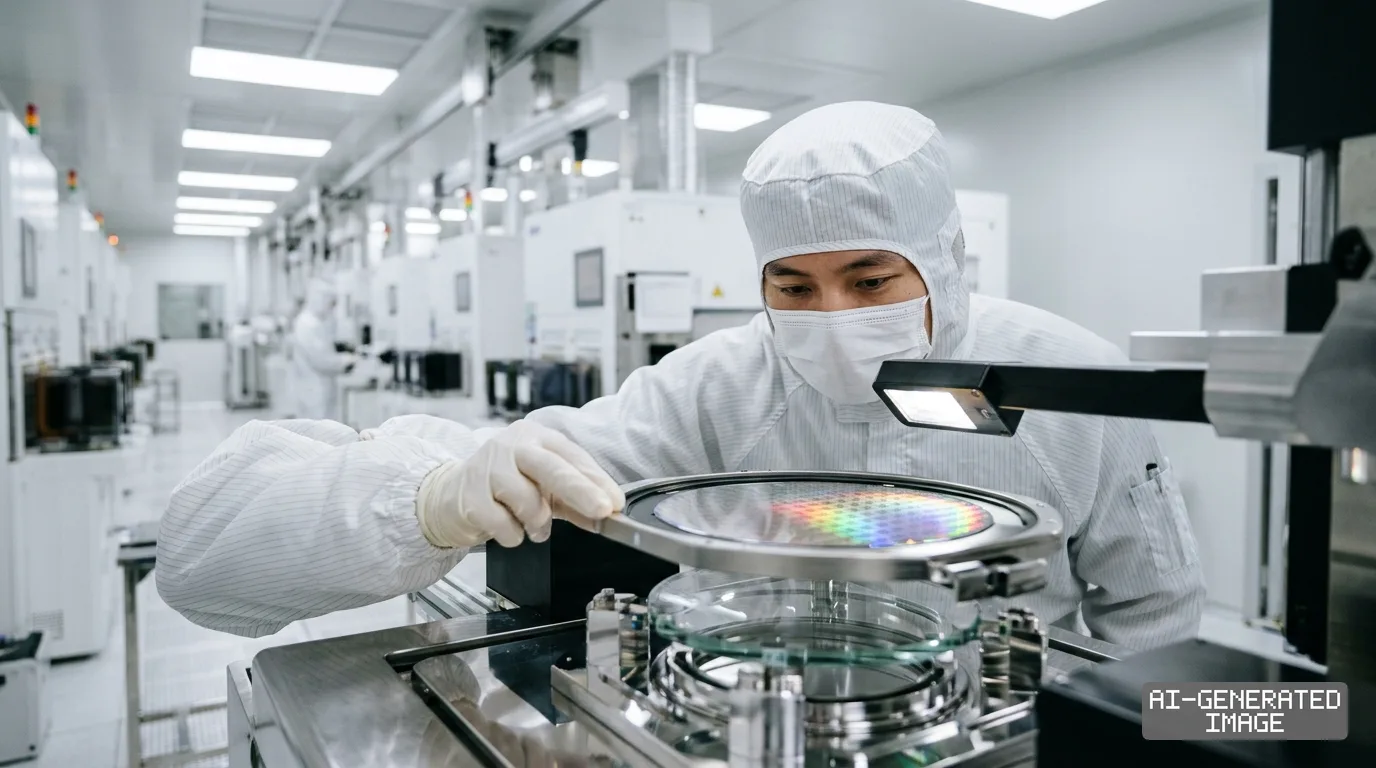
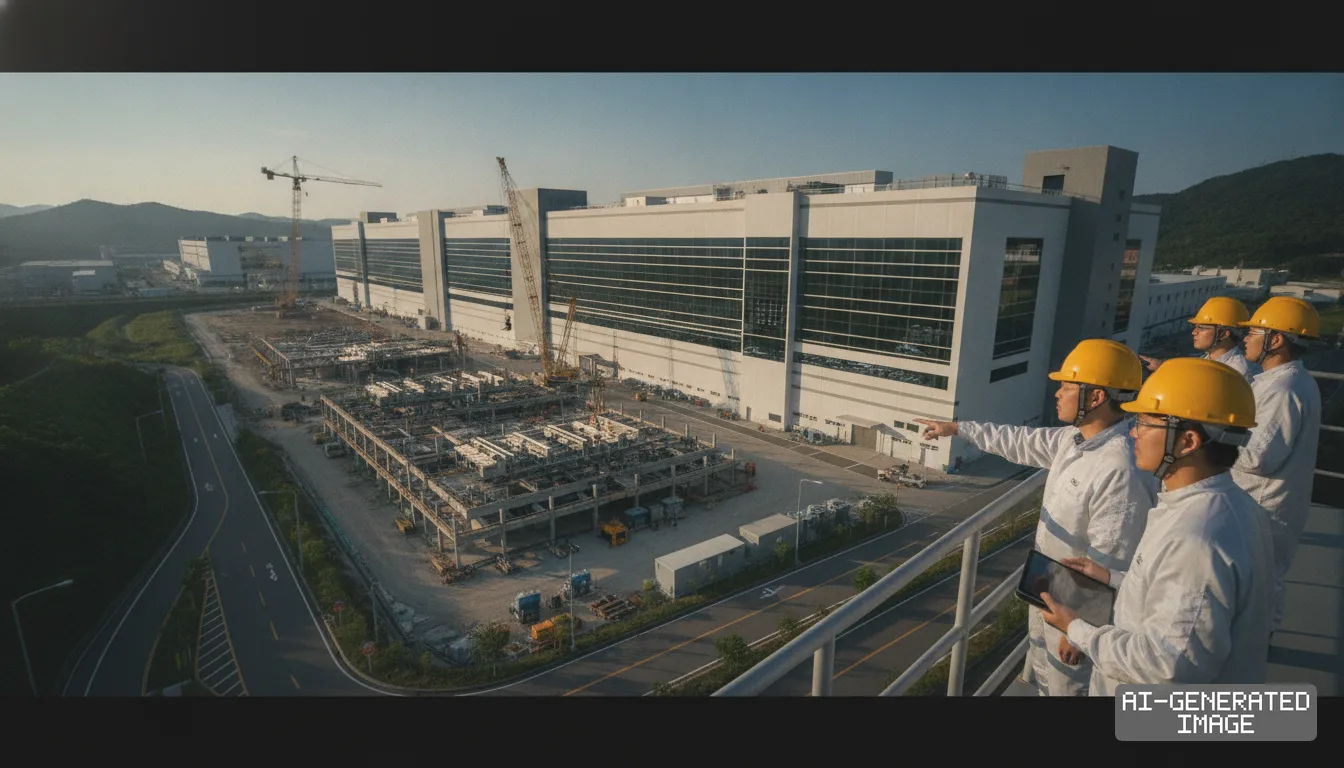
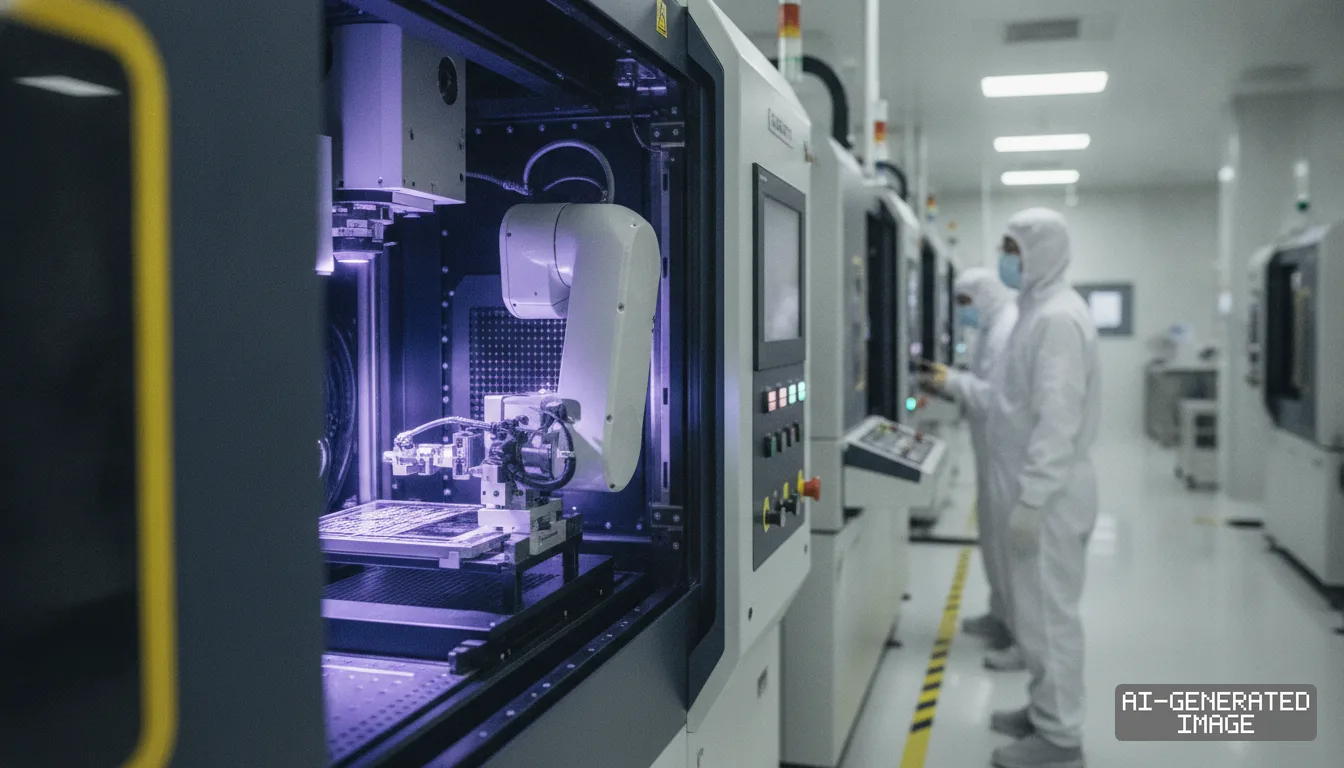
S-Oil commissions $7.0 billion Shaheen chemical complex in Ulsan
Saudi Aramco-backed project adds 1.8 million tons of ethylene capacity, lifting petrochemicals to 25% of the refiner's output slate ahead of 2027 commercial runs.
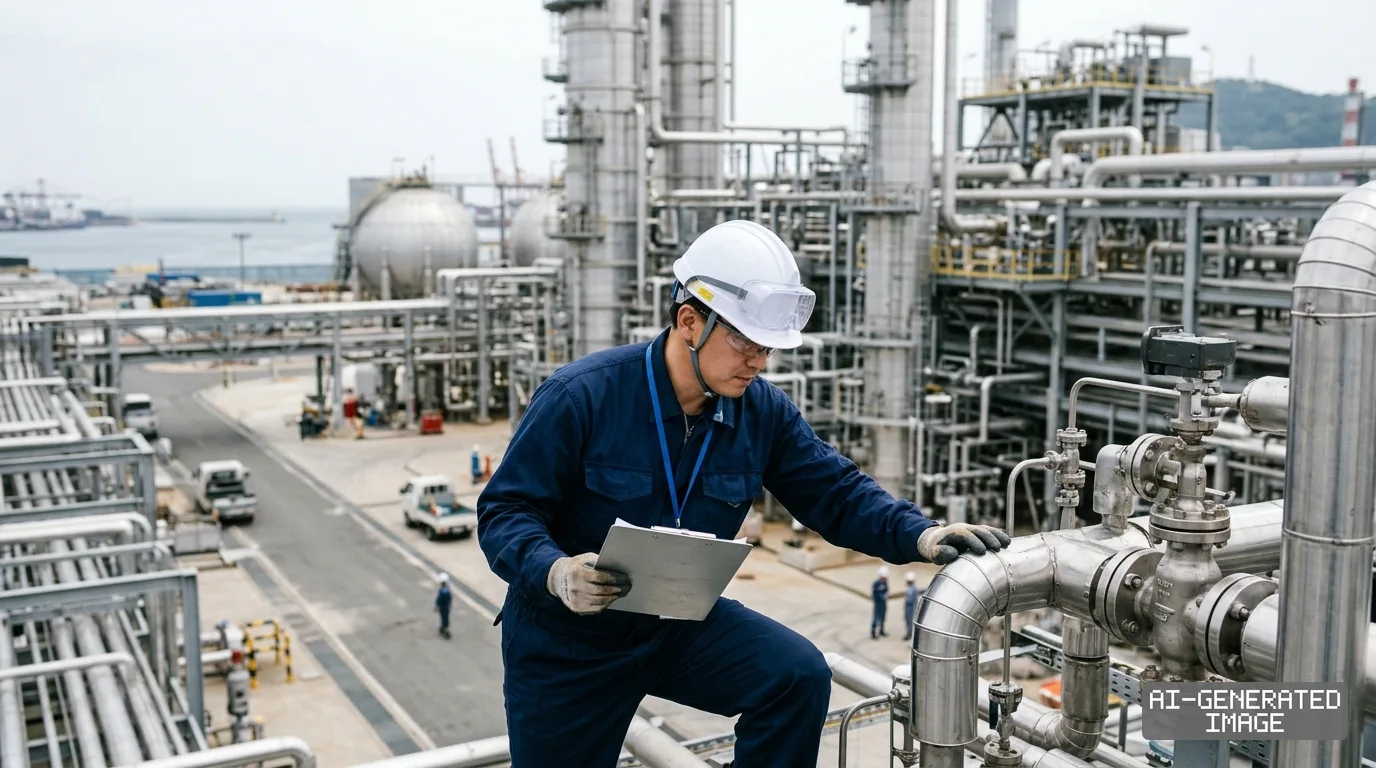
S-Oil began integrated plant commissioning on Nov. 27, 2026, at its 9.26 trillion won ($7.0 billion) Shaheen petrochemical complex in Ulsan, South Korea, preparing for commercial production in 2027.
The project represents the largest single foreign direct investment in South Korea's refining history. Saudi Aramco controls 63% of S-Oil through its investment arm, Aramco Downstream Asia Pte Ltd.
The expansion adds 3.2 million metric tons of petrochemical capacity annually to the Onsan refinery complex. That volume lifts petrochemicals from 12% to 25% of S-Oil's overall product output slate.
The site houses a steam cracker rated at 1.8 million metric tons of ethylene per year. It marks the first commercial deployment of thermal crude-to-chemicals technology, developed by Aramco and Lummus Technology.
The thermal process converts crude oil and heavy refining residues directly into high-purity chemical feedstocks. Conventional naphtha crackers rely on intermediate petroleum distillates purchased from external merchant refiners, incurring transport tariffs and secondary processing costs.
The processing plant consumes 46,000 barrels per day of imported Arab Light crude. That direct pathway enables S-Oil to convert up to 93% of input hydrocarbons directly into marketable primary chemical compounds.
Beyond ethylene, the cracker yields 770,000 tons of propylene, 200,000 tons of butadiene and 280,000 tons of benzene each year. Two downstream polymer units convert olefins into 1.32 million tons of polyethylene annually.
Aramco built the project to guarantee long-term crude off-take across East Asian manufacturing hubs. Transport fuel demand continues to plateau globally as vehicle electrification displaces conventional gasoline and diesel consumption in key industrial economies.
S-Oil signed a long-term polymer sales agreement with Aramco basic chemicals unit SABIC to clear export volumes. That contract covers 5.51 trillion won ($4.1 billion) in linear low-density and high-density polyethylene shipments through 2030.
The remaining monomer volumes travel through a newly built underground pipeline grid to domestic buyers in Ulsan. S-Oil said those transfers will displace approximately $770 million worth of imported olefin feedstocks annually.
The new output arrives while South Korean petrochemical producers struggle with negative cash margins. Regional ethylene-to-naphtha price spreads have spent three consecutive years below the industry breakeven benchmark of $300 per metric ton.
South Korea's Ministry of Trade, Industry and Energy organized a voluntary rationalization pact with private refiners in August 2025. That initiative targeted structural capacity reductions between 2.70 million and 3.70 million tons of older naphtha crackers.
Under that schedule, petrochemical manufacturers in Daesan and Yeosu finalized binding closures totaling 2.49 million tons. Merchant chemical producers argued that Shaheen's 1.8 million tons of new ethylene capacity cancels out nearly 72% of those collective cuts.
The industry ministry issued a formal clarification on Nov. 27, 2026, rejecting claims that Shaheen undercuts domestic restructuring. Government reduction targets factored in Shaheen's additions before establishing the national capacity cut baseline, the ministry said.
Negotiations remain stalled among competing petrochemical manufacturers operating inside the Ulsan complex, including SK Geo Centric and Korea Petrochemical Industry Co. Those regional producers have not settled which operating units to mothball to accommodate Shaheen's entry.
Direct crude-to-chemicals cracking gives S-Oil a cost buffer against standalone Asian merchant crackers. Upstream crude integration delivers an estimated cash-cost saving of $120 to $150 per ton of ethylene over standalone facilities, according to industry estimates.
Chinese mega-refiners, including Hengli Petrochemical and Zhejiang Petrochemical, run similar crude-to-chemicals platforms. China added more than 6.2 million tons of annual polyethylene production over the past 24 months, closing domestic arbitrage windows for East Asian exporters.
Petrochemical operators face a government deadline of Dec. 31, 2026, to finalize regional consolidation blueprints. Full commercial production across all Shaheen cracking units is scheduled to begin during the first half of 2027.
The ministry notice does not state whether S-Oil will be required to idle older units, and neither company disclosed the exact chemical conversion yield achieved during initial test runs.
Impact map
How this development propagates across the region and out to global buyers.
| Event | Korea | China | Japan | Global impact |
|---|---|---|---|---|
| TC2C petrochemical start-up | S-Oil lifts petrochemical slate to 25%, offsetting 1.8 million tons of national cracker cuts | Private refiners face competition as South Korea boosts direct crude cracking capacity | High-cost naphtha crackers face wider cost disparity against direct crude conversion | Polyethylene supply tightens margin recovery across Asian olefin value chains |
In this story
- Companies
- S-OilAramco
- Tickers
- 010950.KS2222.SR
- Exposed
- SABICSK Geo CentricKorea Petrochemical Industry Co.
- Impact
- Supply ChainCapexCost Structure
Related briefings
- Trump waives 100% secondary tariffs on Indian energy imports Also on S-Oil
- DMG MORI cuts series machining costs 47% using hybrid 3D printing Also on Cost Structure
- Suzuki and ELIIY win ¥18.7B state grant for Shizuoka battery plant Also on Cost Structure
- Kioxia tests 1.1-petabyte SSD architecture in Nvidia AI racks Also on Cost Structure
Sources
Primary documents
Reporting
Confidence: high — how we grade this
The documents behind this briefing are linked above. East Asia Brief produces its English text with AI assistance under human editorial review, and does not translate or republish other outlets' articles. See our methodology and AI policy. Spotted an error? Tell us.
The Morning Brief
What changed in Korean, Chinese and Japanese industry overnight — and what it means for your supply chain. One email, weekday mornings, US time. Free.
The Morning Brief is in preparation. Leave your address and we will write to you once — when the first issue is ready. Nothing before that.