Taiwan outbound investment logs record $70B behind TSMC fab spend
The world's dominant foundry manufacturer accounted for $50.00 billion or 71.5% of all cross-border capital cleared by the Ministry of Economic Affairs through October.
Taiwan's Ministry of Economic Affairs logged a record $69.92 billion in outbound direct investment approvals on Nov. 27, 2026, driven by capital injections from Taiwan Semiconductor Manufacturing Company into overseas fabs.
The total represents the highest ten-month outflow in Taiwan's history. Approvals doubled the pace recorded in 2025 as the world's dominant foundry manufacturer built wafer fabrication clusters across the United States.
Taiwan Semiconductor Manufacturing Company accounted for $50.00 billion of the approved outbound volume, representing 71.5% of all cross-border capital cleared by the government through October.
The chipmaker directed $20.00 billion into its operating subsidiary in Arizona and $30.00 billion into its international financing vehicle. The ministry approved the Arizona injection on July 2, 2026.
That single clearance lifted cumulative government-approved funding for TSMC Arizona Corp. to $44.00 billion across seven capital tranches. The equity covers 16.6% of TSMC's planned $265.00 billion Arizona commitment.
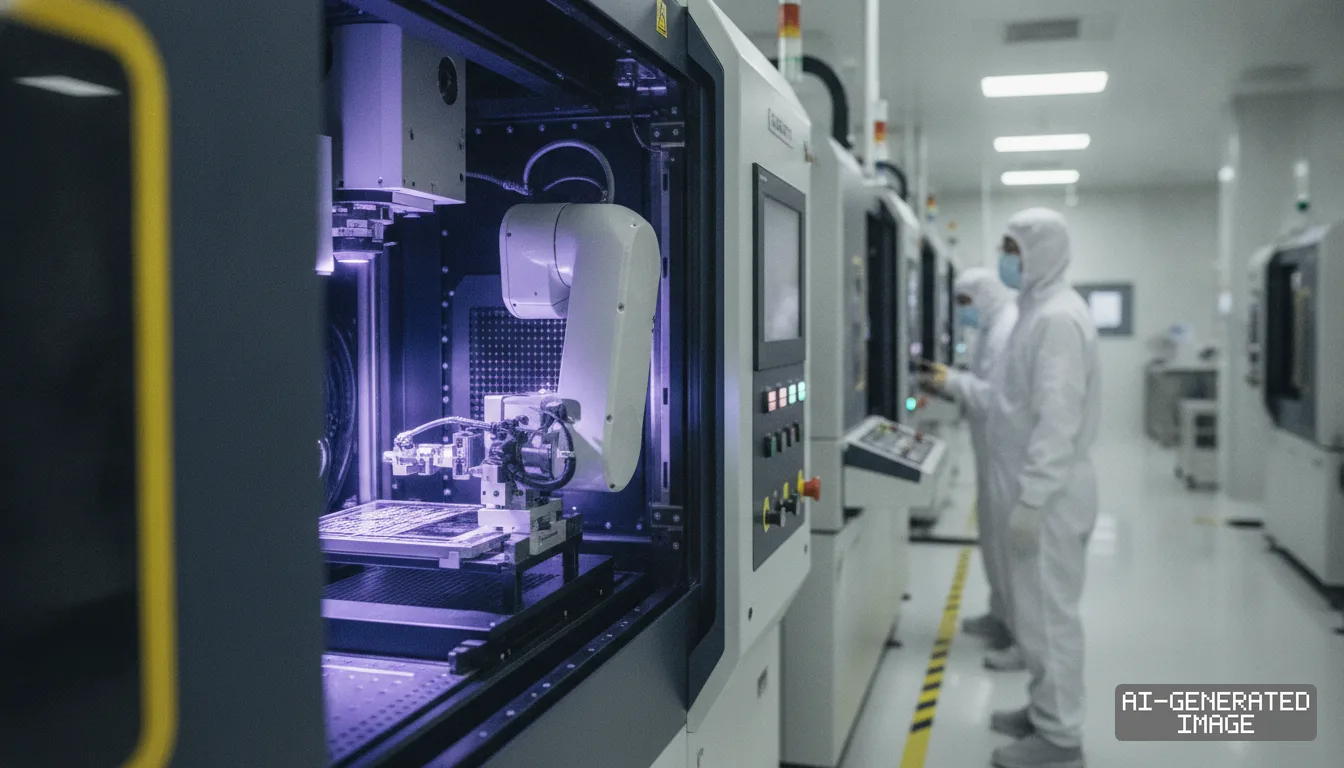
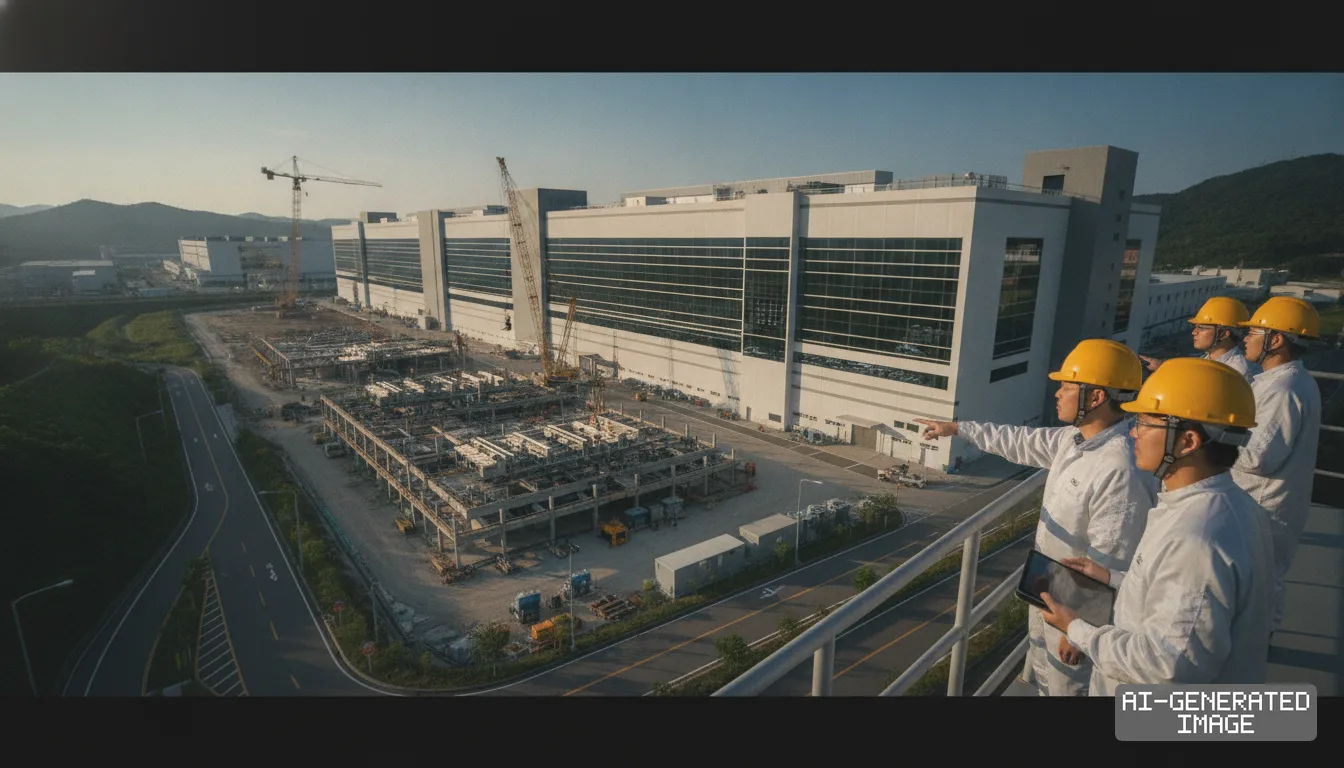
The company expanded its Phoenix complex earlier this year by breaking ground on Fab 4 and a specialized packaging facility. The site fabricates 2-nanometer wafers and multi-die assemblies for artificial intelligence accelerators.
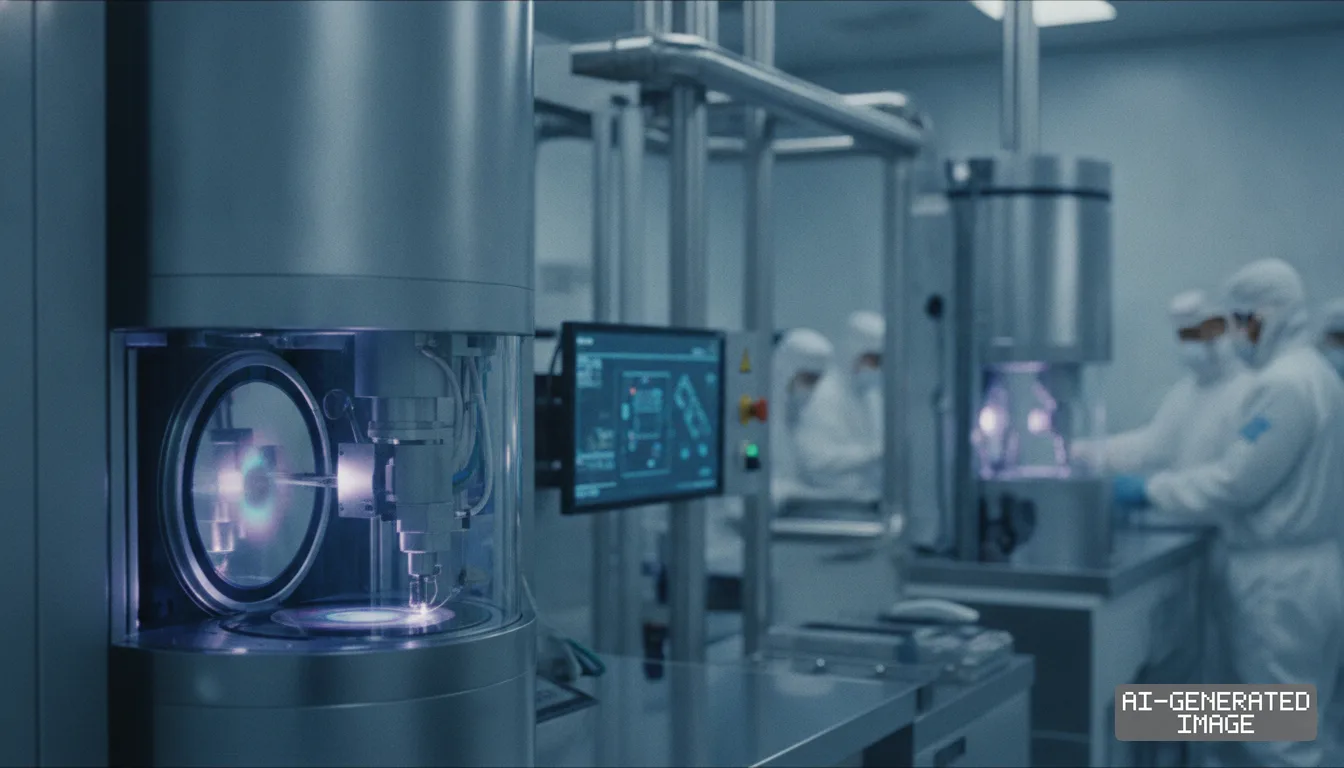
TSMC's board of directors approved capital appropriations of $40.93 billion on Nov. 10, 2026. The budget covers cleanroom construction, advanced lithography installations and specialized packaging capacity across foreign and domestic sites.
Outbound capital growth coincided with a contraction in capital transfers across the Taiwan Strait. Approved direct investment into mainland China fell 20.04% to $786 million across 210 applications over the same period.
The divergence dismantles the manufacturing concentration that kept advanced logic production inside Taiwan for four decades. Customer risk mandates and federal industrial grants have forced foundries to replicate fabrication infrastructure across friendly jurisdictions.
Japan has absorbed a parallel tranche of foundry expansion. TSMC completed its first Kumamoto fab in early 2024 and began earthworks on a second fab to manufacture 6-nanometer microcontrollers by late 2027.
Domestic memory and wafer peers followed TSMC into overseas jurisdictions. Memory producer Nanya Technology Corp. obtained clearance to inject $3.50 billion into its British Virgin Islands investment affiliate to finance global supply operations.
GlobalWafers Co., the world's third-largest producer of silicon wafers, secured regulatory approval for a $1.00 billion injection into its Netherlands subsidiary. The capital finances substrate fabrication lines serving European and American device makers.
The outward capital flow pulled specialized equipment and chemical vendors abroad. Taiwanese wet-chemical refiners, ultra-pure gas distributors and cleanroom engineering contractors established service entities in Phoenix and Kumamoto to provide daily operational maintenance.
Cross-border inflows mirrored the advanced manufacturing buildout. Taiwan approved $20.90 billion in inbound foreign direct investment through October, led by Micron Technology's $9.45 billion capital injection into its local memory packaging operations.
Operating advanced fabs outside Taiwan has altered cost structures for foundries and clients. TSMC executives previously said that constructing and operating advanced cleanrooms in the United States costs at least four times more than in Taiwan.
Skilled technician shortages remain a drag on tool activation abroad. Technical labor shortages in the Phoenix construction market reached 58% in early 2026, forcing contractors to adjust piping and electrical installation schedules.
Ministry of Economic Affairs forecasts indicate Taiwan will retain roughly 85% of TSMC's leading-edge manufacturing capacity through 2030. The domestic share will shift toward 80% by 2036 as US fabs reach full volume.
The ministry's Department of Investment Review will convene its next monthly project review meeting on Dec. 24, 2026. The commission audits outbound technology transfers against economic security guidelines before releasing foreign exchange limits.
The ministry has not published preliminary outbound investment totals for November, and public filings do not disclose delivery timetables for extreme ultraviolet lithography systems assigned to TSMC's fourth Arizona facility.
Impact map
How this development propagates across the region and out to global buyers.
| Event | Korea | China | Japan | Global impact |
|---|---|---|---|---|
| TSMC global fab expansion | Samsung Foundry faces intensified customer competition in North America as TSMC adds US advanced packaging capacity | Approved capital inflows from Taiwan dropped 20.04% to $786 million as foundries pivot capital to US and Japan | Kumamoto Fab 2 adds 6-nanometer capacity, securing domestic logic supply for automotive Tier-1 suppliers | Advanced logic supply chain diversifies geographically as cumulative approved US fab equity reaches $44.00 billion |
In this story
- Companies
- Taiwan Semiconductor Manufacturing Company
- Tickers
- 2330.TW
- Exposed
- Micron TechnologyNanya TechnologyGlobalWafers
- Policy
- Investment Screening
- Impact
- CapexSupply Chain
Track every Investment Screening development →
Related briefings
- Formosa Sumco slides 9.8% on extended 300mm wafer destocking Also on Nanya Technology
- China expands 300mm silicon wafer capacity to cut reliance on Japanese suppliers Also on GlobalWafers
- Taiwan clears $50 billion TSMC transfer to US fab and offshore unit Also on Investment Screening, Micron Technology
- MBK and Young Poong spend $2.04M lobbying Washington on Korea Zinc Also on Investment Screening
Sources
Reporting
Confidence: high — how we grade this
The documents behind this briefing are linked above. East Asia Brief produces its English text with AI assistance under human editorial review, and does not translate or republish other outlets' articles. See our methodology and AI policy. Spotted an error? Tell us.
The Morning Brief
What changed in Korean, Chinese and Japanese industry overnight — and what it means for your supply chain. One email, weekday mornings, US time. Free.
The Morning Brief is in preparation. Leave your address and we will write to you once — when the first issue is ready. Nothing before that.