Suzuki and ELIIY win ¥18.7B state grant for Shizuoka battery plant
A ¥44.7 billion plant in Kosai will supply 0.48 gigawatt-hours of nickel-free cells annually for 18,000 electric minivehicles starting in 2029.
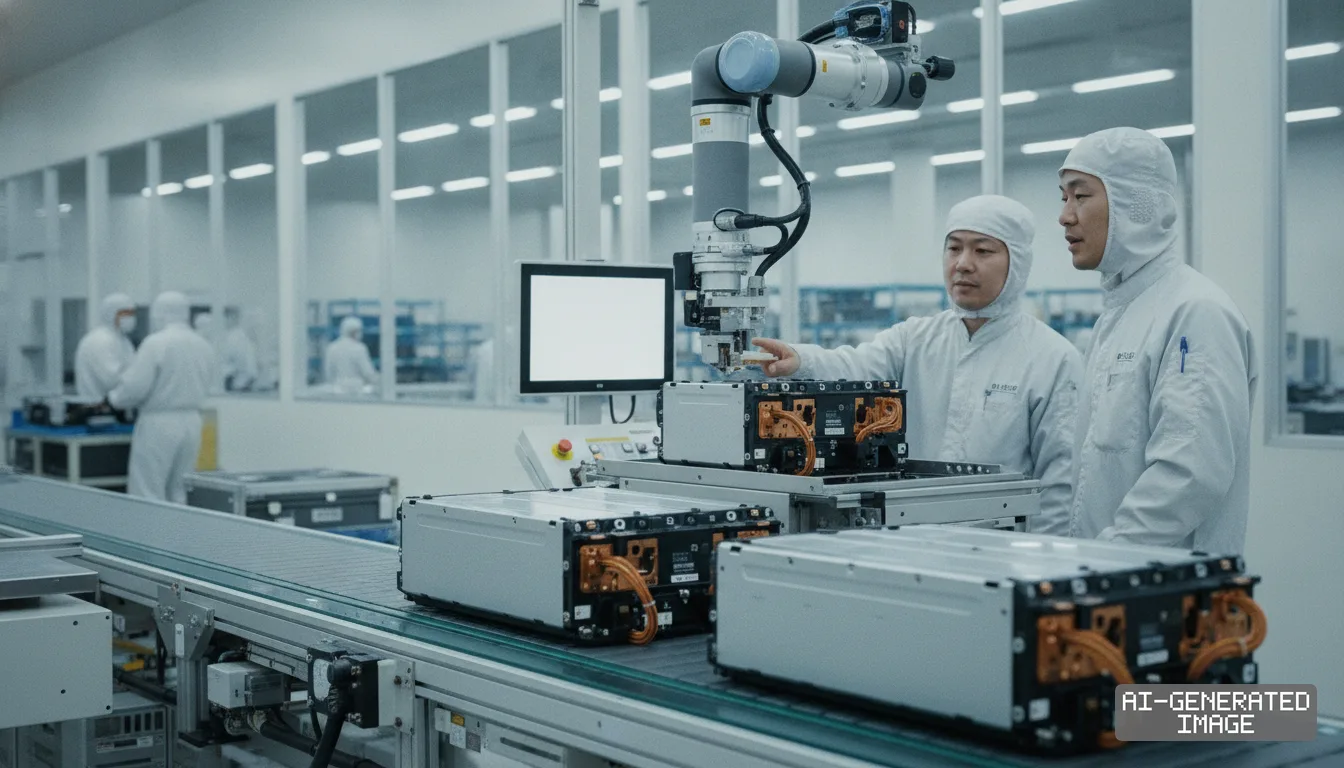
Japan's Ministry of Economy, Trade and Industry approved a subsidy of up to 18.7 billion yen ($121 million) on Nov. 26 for Suzuki Motor and ELIIY Power to produce batteries domestically.
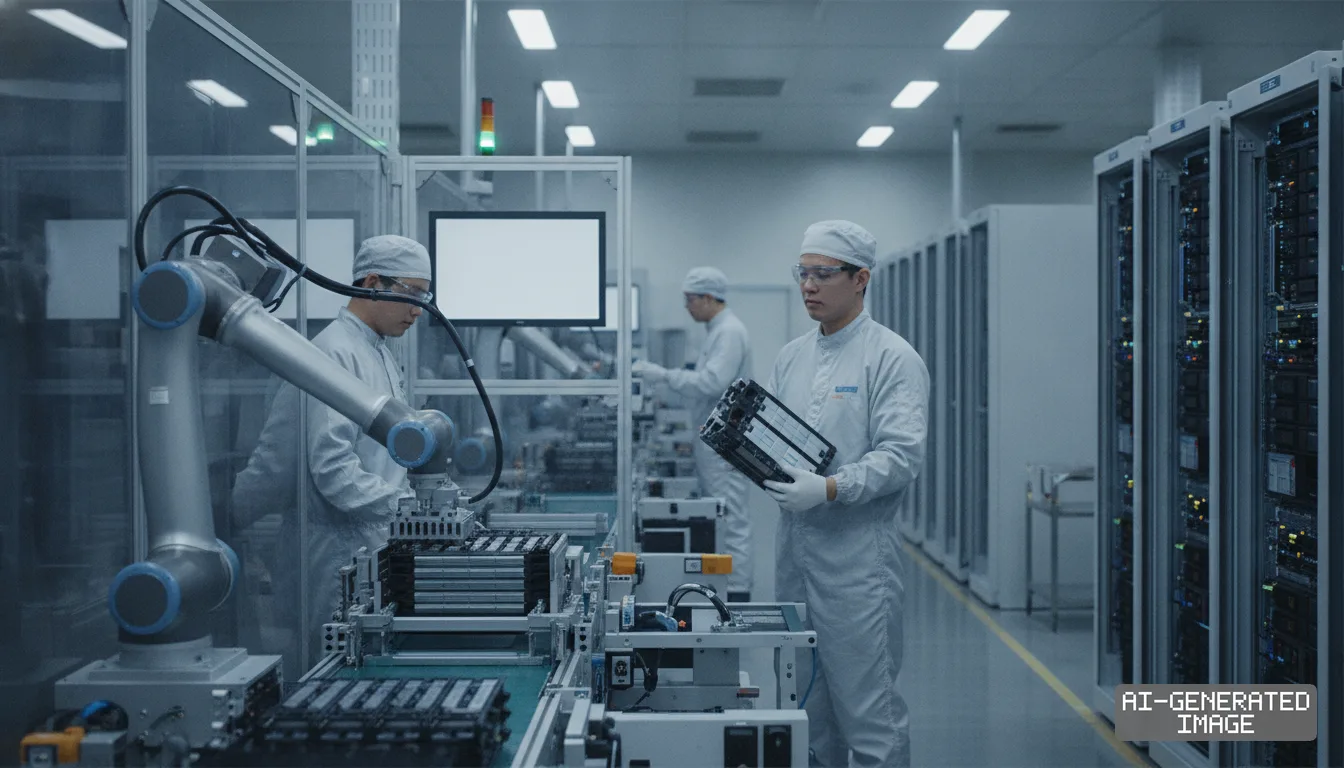
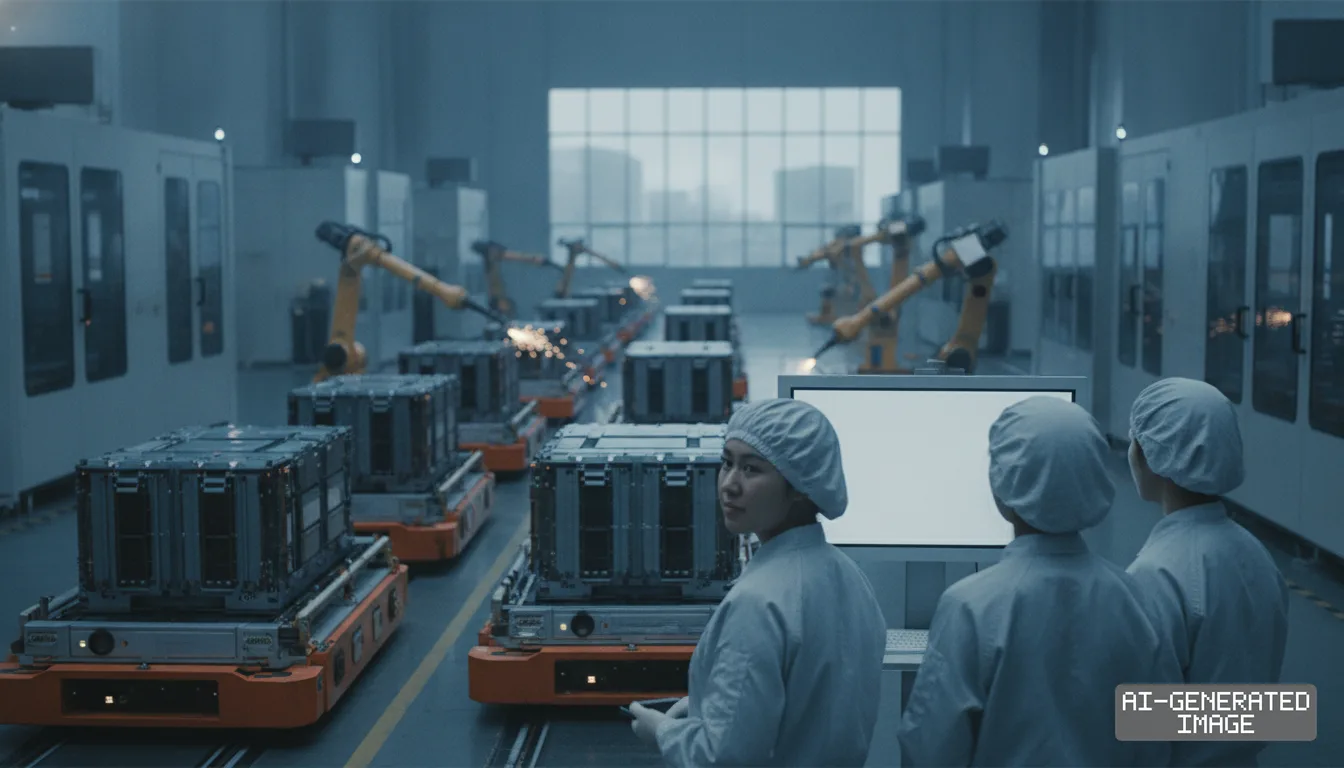
The two partners will invest 44.7 billion yen ($290 million) to build a battery manufacturing plant in Kosai, Shizuoka Prefecture. The facility will have an annual production capacity of 0.48 gigawatt-hours, enough for roughly 18,000 electric minivehicles.
The approved grant covers roughly 42% of the project's capital spending. METI certified the submission under the Economic Security Promotion Act as an official plan to secure critical battery supplies, the ministry said.
The Kosai facility will manufacture lithium iron phosphate cells, known in the auto industry as LFP. The chemistry uses iron and phosphorus as cathode inputs, eliminating expensive rare metals such as nickel and cobalt.
China refines more than 70% of the world's battery chemicals and manufactures over 85% of global LFP cells. Suzuki designed the domestic production project to insulate its assembly lines against Chinese mineral export curbs.
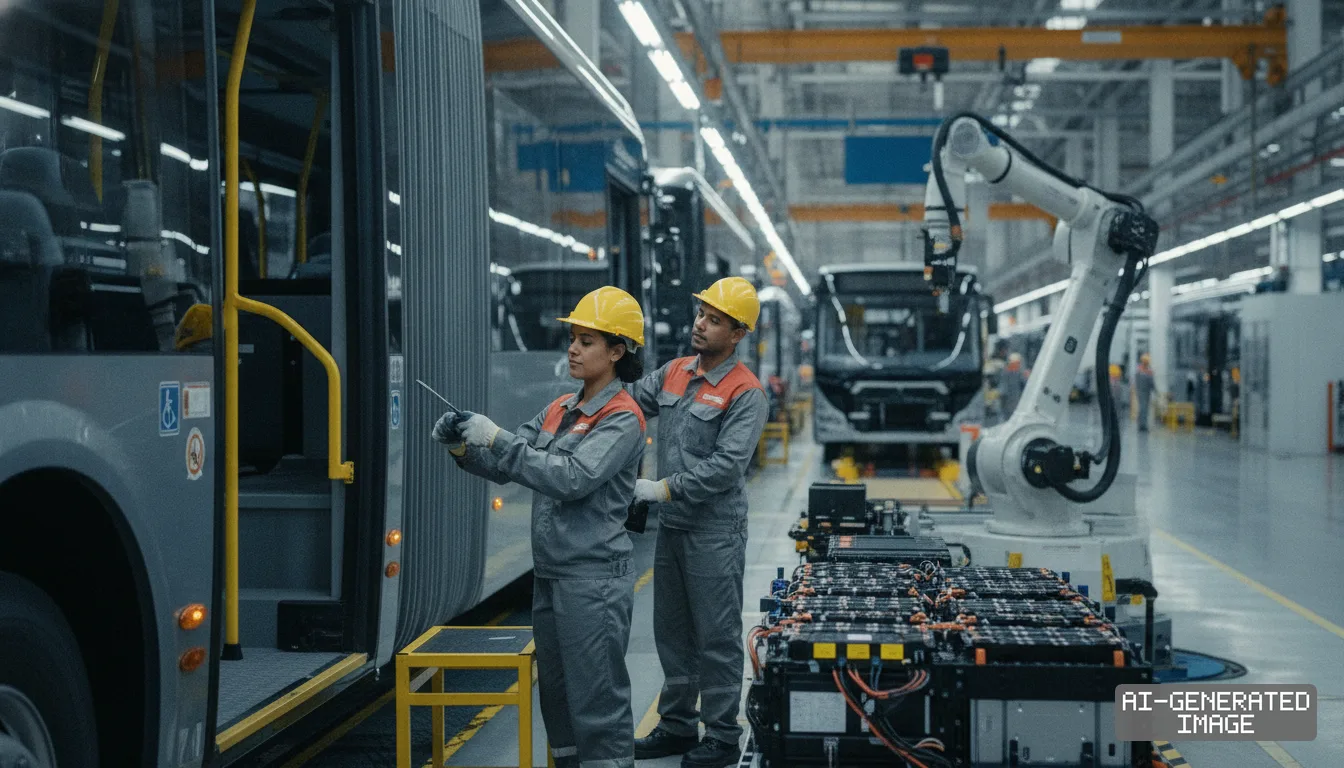
Suzuki currently relies on Chinese suppliers, including BYD, for LFP packs installed in electric models such as the e Sky minicar and the e Vitara crossover. Traction packs account for 30% to 40% of small EV production costs.
ELIIY Power, a Tokyo-based battery specialist founded in 2006, will supply the cell manufacturing know-how. Suzuki acquired a 21.59% stake in the firm in late 2023, investing 10 billion yen alongside 15 billion yen in convertible debt.
ELIIY Power developed stationary energy storage cells engineered to resist thermal runaway—an uncontrolled overheating event that causes battery fires. The partnership adapts those stationary cell patents for road vehicles.
The Kosai assembly line will build standardized cells designed for both stationary storage and automotive traction packs. The dual-use format allows Suzuki to order shared mechanical components across residential and vehicle applications.
The arrangement establishes a structured repurposing channel for degraded cells. When traction packs drop below automotive operational tolerances, Suzuki and ELIIY Power will recondition the modules for residential and commercial storage systems.
Minicars, classified in Japan as kei vehicles, account for roughly 40% of all domestic passenger car sales. Strict regulatory dimensions and price caps leave minicar manufacturers unable to absorb volatile, high-cost ternary battery chemistries.
Nickel-manganese-cobalt chemistries deliver long driving ranges but expose vehicle makers to volatile international commodity pricing. LFP cells reduce cathode material procurement overhead by roughly 20%, stabilizing production costs for entry-level electric cars.
The project marks Japan's first planned domestic mass-production line for automotive LFP hardware. Other Japanese automakers have directed capital subsidies into high-nickel ternary ventures with Panasonic Energy and Prime Planet Energy & Solutions.
International automotive markets are establishing stricter rules of origin for imported battery hardware. Producing cells inside Japan protects Suzuki's export deliveries to India and Europe against prospective regional trade penalties.
Commercial mass production at the Kosai manufacturing center is scheduled to begin in October 2029. Suzuki and ELIIY Power plan to begin phased commercial deliveries for residential storage and electric cars in fiscal 2030.
The official certification document does not disclose the exact equity split of the investment between Suzuki and ELIIY Power. METI has also not published an expiration date for disbursing the 18.7 billion yen subsidy.
The Kosai factory will sit adjacent to Suzuki's existing vehicle assembly operations in Shizuoka Prefecture, where the company builds gasoline minicars and hybrid systems.
Impact map
How this development propagates across the region and out to global buyers.
| Event | Korea | China | Japan | Global impact |
|---|---|---|---|---|
| Japan certifies Suzuki LFP project | Korean cathode suppliers face reduced LFP entry barriers as Japan validates iron chemistry | BYD faces long-term loss of Suzuki's kei-EV pack supply contract in Japan | Suzuki and ELIIY Power secure 18.7 billion yen to onshore 0.48 GWh of LFP capacity | Small EV supply chains gain a non-Chinese domestic LFP alternative for kei vehicles |
In this story
- Companies
- Suzuki MotorELIIY Power
- Tickers
- 7269.T
- Exposed
- BYD
- Policy
- Subsidies
- Impact
- Supply ChainCapexCost Structure
Track every Subsidies development →
Related briefings
- Suzuki selects BYD LFP battery cells for inaugural Japanese mini EV Also on Suzuki Motor, BYD, Subsidies
- Suzuki launches Japan's cheapest mini EV using BYD batteries Also on Suzuki Motor, BYD, Subsidies
- Suzuki prices e SKY minicar at $13,500 to blunt BYD in Japan Also on Suzuki Motor, BYD, Subsidies
- Japan leads India FDI with $5.7 billion as factories expand Also on Suzuki Motor, Subsidies, Cost Structure
Sources
Primary documents
Reporting
Confidence: high — how we grade this
The documents behind this briefing are linked above. East Asia Brief produces its English text with AI assistance under human editorial review, and does not translate or republish other outlets' articles. See our methodology and AI policy. Spotted an error? Tell us.
The Morning Brief
What changed in Korean, Chinese and Japanese industry overnight — and what it means for your supply chain. One email, weekday mornings, US time. Free.
The Morning Brief is in preparation. Leave your address and we will write to you once — when the first issue is ready. Nothing before that.