LS Eco Energy readies 240-ton Vietnam plant for defense samarium
The 11.6 billion won Ho Chi Minh City facility will supply non-Chinese feedstock for up to 1,000 metric tons of samarium-cobalt magnets annually.
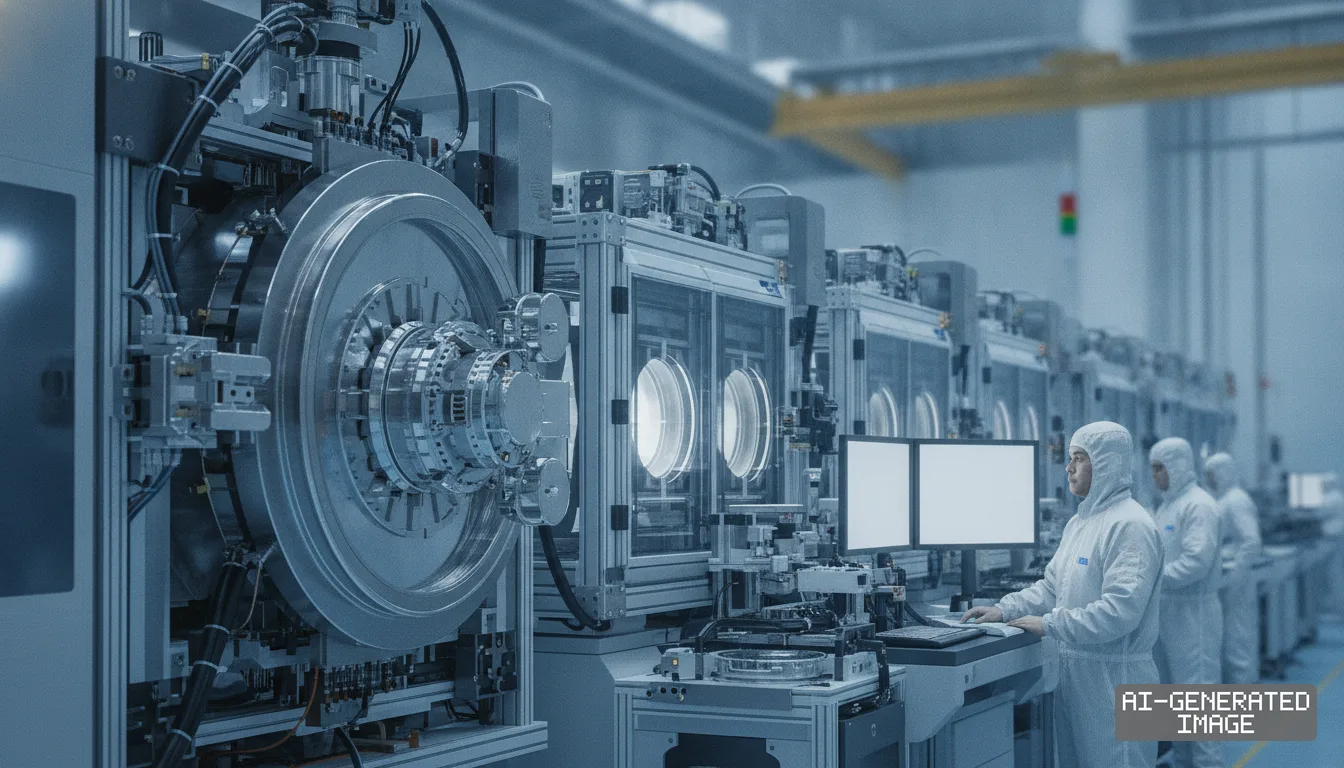
LS Eco Energy finalized operational preparations Nov. 6, 2026 for a 240-ton samarium metal plant in Vietnam, establishing an independent non-Chinese feedstock corridor ahead of tightened United States defense procurement rules.
The Seoul-based company, a wire and energy materials subsidiary of LS Cable & System, invested 11.6 billion won ($8.4 million) to build the specialized metallization facility in Ho Chi Minh City.
The plant will produce 240 metric tons of samarium metal annually. That volume provides sufficient input to manufacture between 700 and 1,000 metric tons of finished samarium-cobalt permanent magnets each year.
Samarium-cobalt magnets retain stable magnetic properties at temperatures exceeding 300 degrees Celsius. That thermal tolerance makes them indispensable for missile steering fins, radar actuators, electronic warfare pods and military jet engines.
Commercial demand for non-Chinese samarium stems directly from regulatory shifts in Washington. The United States Department of Defense will bar Chinese-origin rare earth materials from military hardware starting Jan. 1, 2027.
The updated defense procurement rule expands restrictions past final magnet assembly to include upstream mining, separation and metal refining. Prime contractors face mandatory compliance across all tier-one weapon systems.
China currently controls roughly 91% of worldwide rare earth refining capacity. That concentration leaves Western missile programs and aerospace contractors exposed to sudden export licensing curbs.
LS Eco Energy established a dedicated joint venture named GLOBAL SHRE METAL in Ho Chi Minh City to execute the reduction and refining operations. The company holds a 58% equity stake in the entity.
Regulatory filings show LS Eco Energy subscribed for 21,139,872 shares of the operating entity in cash. The transaction formally settles on Nov. 13, 2026.
Unprocessed rare earth feedstocks will come directly from Australia. Australian producer Lynas Rare Earths entered into a strategic supply agreement with the LS Group to provide separated samarium oxides.
The partnership rests on reciprocal convertible bond investments totaling 30 billion won ($22 million) exchanged between the two companies on July 27, 2026. Lynas operates the sole major commercial rare earth separation refinery outside China.
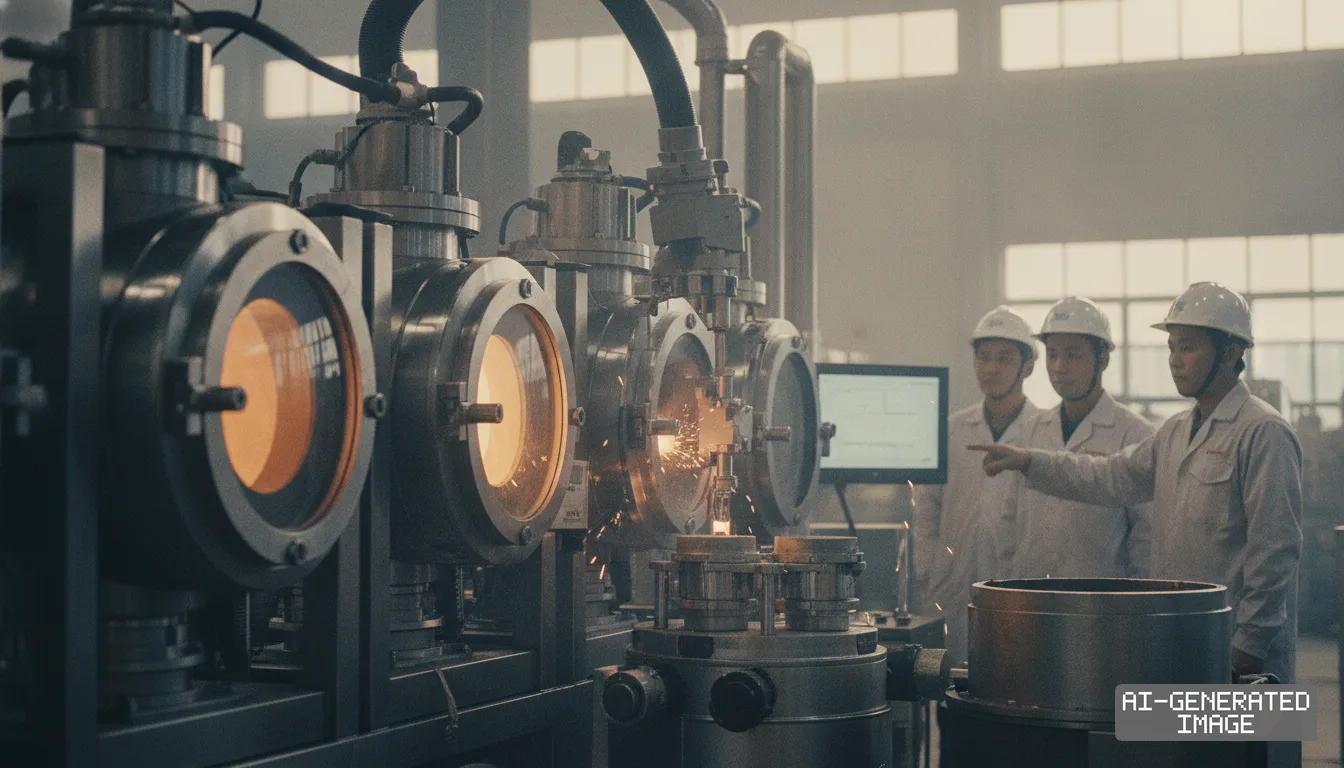
The purified samarium oxide will ship from Lynas facilities to the LSCV plant site in southern Vietnam. The factory converts the chemical compound into pure metallic samarium through high-temperature electrolysis.
Downstream magnet manufacturing connects directly into domestic industrial programs in South Korea. Korea Motion Works, a magnet manufacturing subsidiary of LS Cable & System, will process the metal into finished magnet blocks.
Korea Motion Works signed an investment agreement Oct. 29, 2026 with the City of Gumi and North Gyeongsang Province to invest 350 billion won ($261 million) in a new factory.
The planned Gumi plant targets an annual capacity exceeding 1,000 metric tons of permanent magnets. That volume represents roughly 17% of South Korea's total domestic rare earth magnet consumption.
Construction on the Gumi fabrication plant begins in the first half of 2027, the company said. Commercial mass production will start in the second half of 2028.
The company will initially produce neodymium-iron-boron magnets for electric vehicle drivetrains and industrial robots before scaling military-grade samarium-cobalt output.
Physical metal production begins next month. Pilot operations at the Ho Chi Minh City facility start in December 2026.
The regulatory filings do not disclose the exact pricing formula agreed with Lynas, and the company has not published binding long-term sales contracts with Western defense contractors.
Impact map
How this development propagates across the region and out to global buyers.
| Event | Korea | China | Japan | Global impact |
|---|---|---|---|---|
| Pentagon defense rare earth rule | LS Eco Energy starts 240-ton samarium line, Korea Motion Works invests 350 billion won | Excluded from US defense magnet supply chain, loses SmCo defense revenue | Shin-Etsu faces non-China feedstock competition in Western military contracts | Aerospace prime contractors secure verified compliant SmCo supply ahead of Jan. 2027 |
In this story
- Companies
- LS Eco EnergyLS Cable & SystemLynas Rare Earths
- Tickers
- 229640.KS006260.KSLYC.AX
- Exposed
- Korea Motion Works
- Policy
- Procurement Rules
- Impact
- Supply ChainComplianceCapex
Track every Procurement Rules development →
Related briefings
- LS Cable will build rare earth magnet plant to bypass China in Gumi Also on Korea Motion Works, LS Eco Energy, LS Cable & System
- LS Eco Energy builds Vietnam samarium hub ahead of defense ban Also on LS Eco Energy, LS Cable & System, Lynas Rare Earths
- LS Eco Energy builds Vietnam samarium line as US rules loom Also on LS Eco Energy, LS Cable & System, Lynas Rare Earths
- LS Cable Backs Magnet Unit as China Curbs Hit Robot Motors Also on LS Eco Energy, LS Cable & System, Lynas Rare Earths
Sources
Reporting
Confidence: medium — how we grade this
The documents behind this briefing are linked above. East Asia Brief produces its English text with AI assistance under human editorial review, and does not translate or republish other outlets' articles. See our methodology and AI policy. Spotted an error? Tell us.
The Morning Brief
What changed in Korean, Chinese and Japanese industry overnight — and what it means for your supply chain. One email, weekday mornings, US time. Free.
The Morning Brief is in preparation. Leave your address and we will write to you once — when the first issue is ready. Nothing before that.